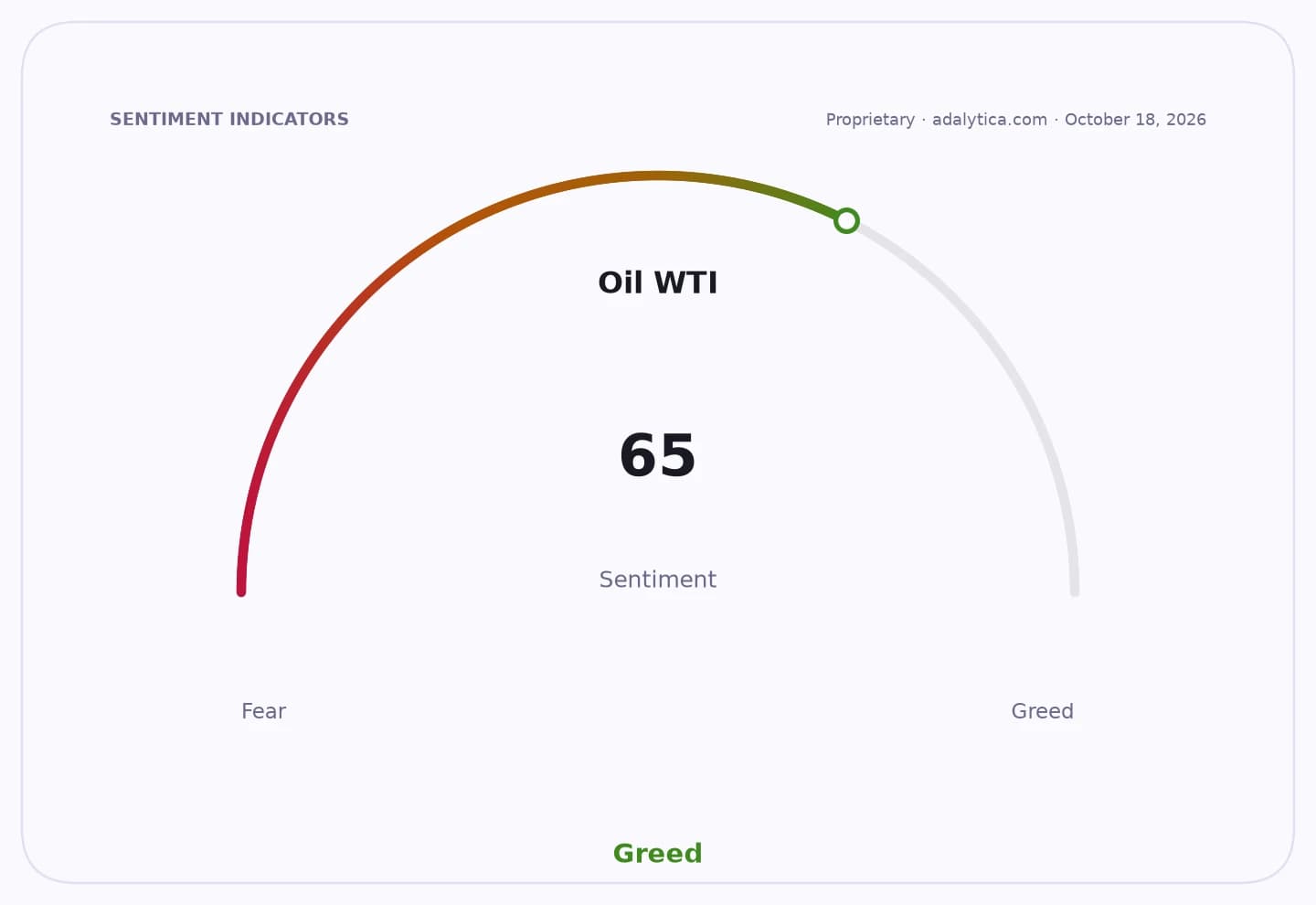
Libya’s Brega Oil Marketing Company has launched work on a new oil depot in Tajoura, a project that matters less as a construction update than as a test of whether the country can steady fuel logistics and lock in more reliable downstream cash flows.
Libya Brega starts Tajoura oil depot project
The depot, being developed with OLA Energy under a build-operate-transfer arrangement, is part of Brega’s 2025-2029 strategy to expand storage capacity, upgrade infrastructure and improve the efficiency of fuel supply and distribution. In a country where energy bottlenecks can quickly become economic bottlenecks, added storage is a practical way to reduce import frictions, improve supply resilience and limit the kind of distribution disruptions that ripple through transport, power and consumer prices.
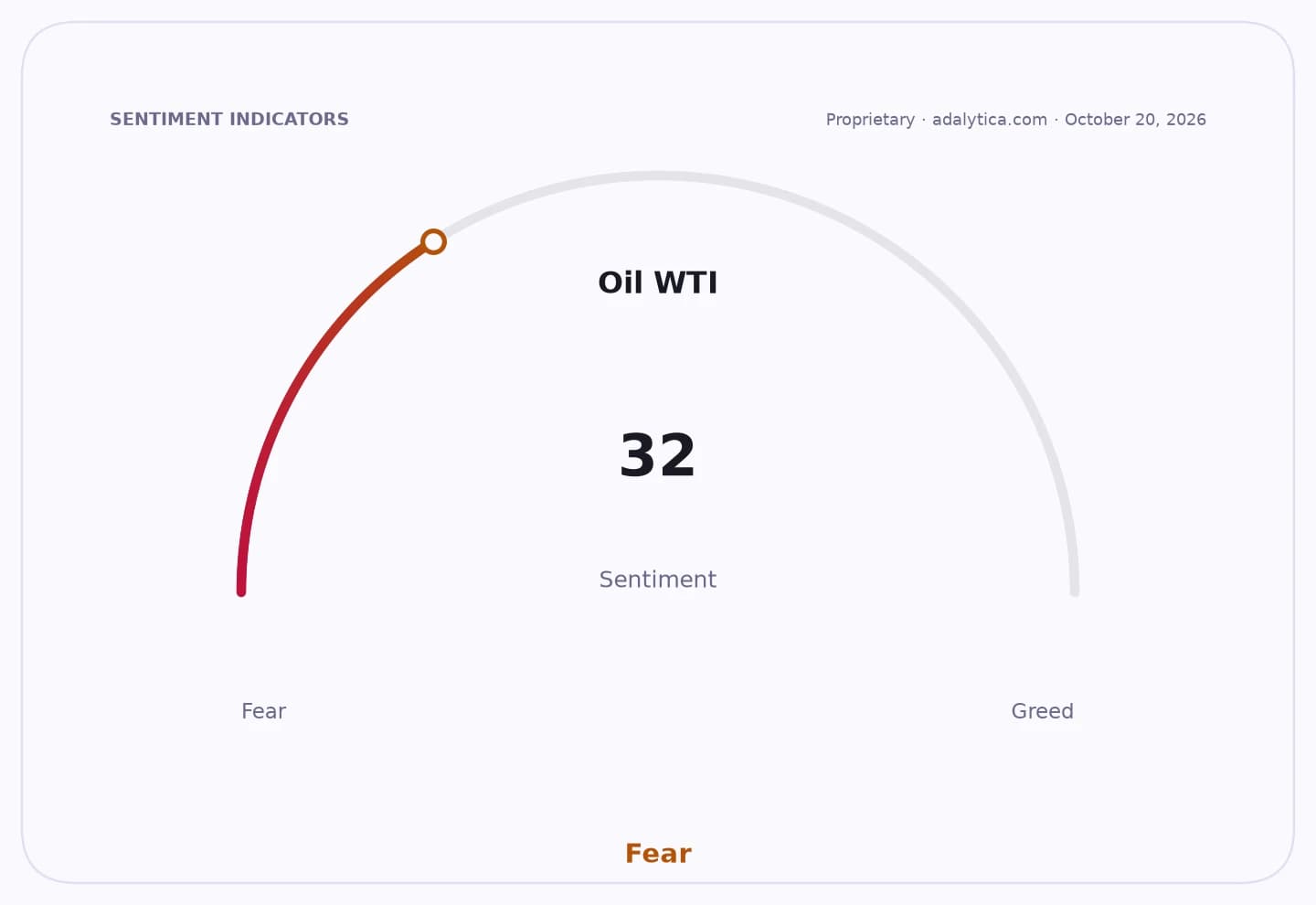
Sentiment IndicatorsⓘProprietary · adalytica.com · October 20, 2026
This is a snapshot — live sentiment, awareness and momentum for 130+ markets update continuously in the dashboard.Open AlphaPulse
For investors, the significance is broader than Libya alone. The project underscores a regional push toward midstream and downstream assets that generate fee-like returns and help insulate operators from crude-price swings. That model has been rewarded across the global energy complex: infrastructure owners, storage operators and integrated suppliers tend to benefit when volatility lifts the value of reliability, while pure commodity exposure remains hostage to price shocks. The market narrative around oil has increasingly been about logistics, not just geology.
The timing also matters. Geopolitical risk remains elevated, and energy supply chains are still vulnerable to conflict-related disruptions, from refinery strikes to shipping chokepoints. In that environment, storage capacity becomes strategic capacity. It gives suppliers more room to manage outages, smooth deliveries and protect market share when supply is tight or uncertain.
For Brega and its partners, the Tajoura depot could become a durable operating asset if the BOT structure delivers the expected private-sector efficiency and eventual transfer of a functioning facility to the designated owner. For Libya, it is another small but meaningful step toward rebuilding energy infrastructure after years of fragmentation and underinvestment.
The larger investment takeaway is clear: the real opportunity in oil today is not just upstream production, but the infrastructure that makes production marketable. As supply chains tighten and volatility persists, the best positioned winners may be the companies building, operating and financing the toll roads of the energy system.
| Entity | Gains | Losses |
|---|---|---|
| Brega Oil Marketing | ▲More storage capacity | ▼Higher project execution risk |
| OLA Energy | ▲Operating contract upside | ▼Capital tied up in BOT buildout |
| Libyan fuel users | ▲Better supply reliability | ▼Less immediate relief from infrastructure gaps |
| Competing fuel distributors | ▲New infrastructure pressure | ▼Potentially tighter margin competition |