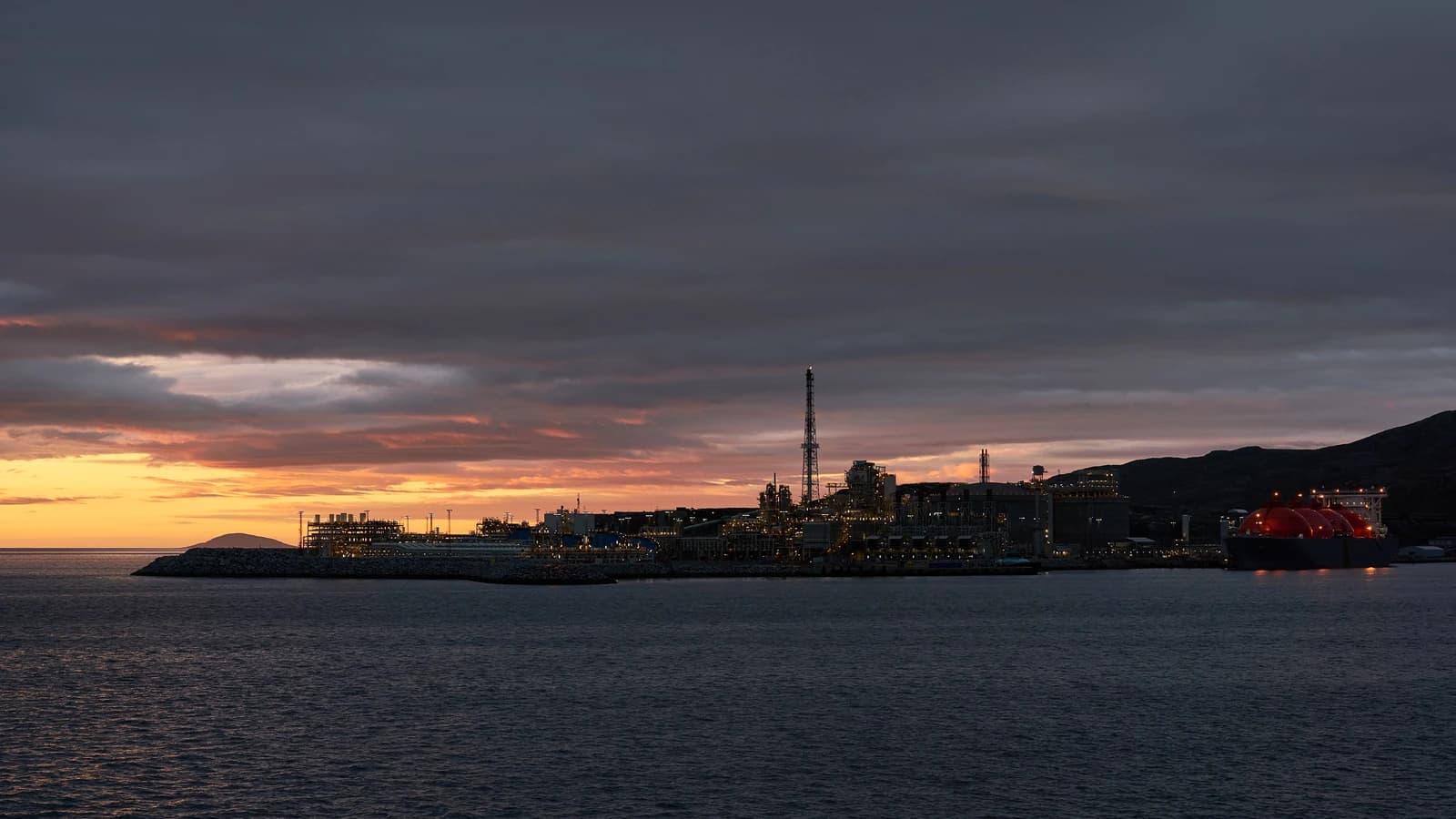
The Republic of Moldova is exploring imports of liquefied natural gas from the United States, a move that would deepen its break from Russian gas and tie the small European economy more tightly to the broader effort to diversify energy supplies across the continent.
Moldova explores U.S. LNG imports

For Moldova, the importance is less about the size of the cargoes than the strategy behind them. The country is trying to harden its energy system against geopolitical shocks, and LNG gives it optionality: access to global supply, more bargaining power with traditional providers and a clearer path toward EU-aligned energy security.
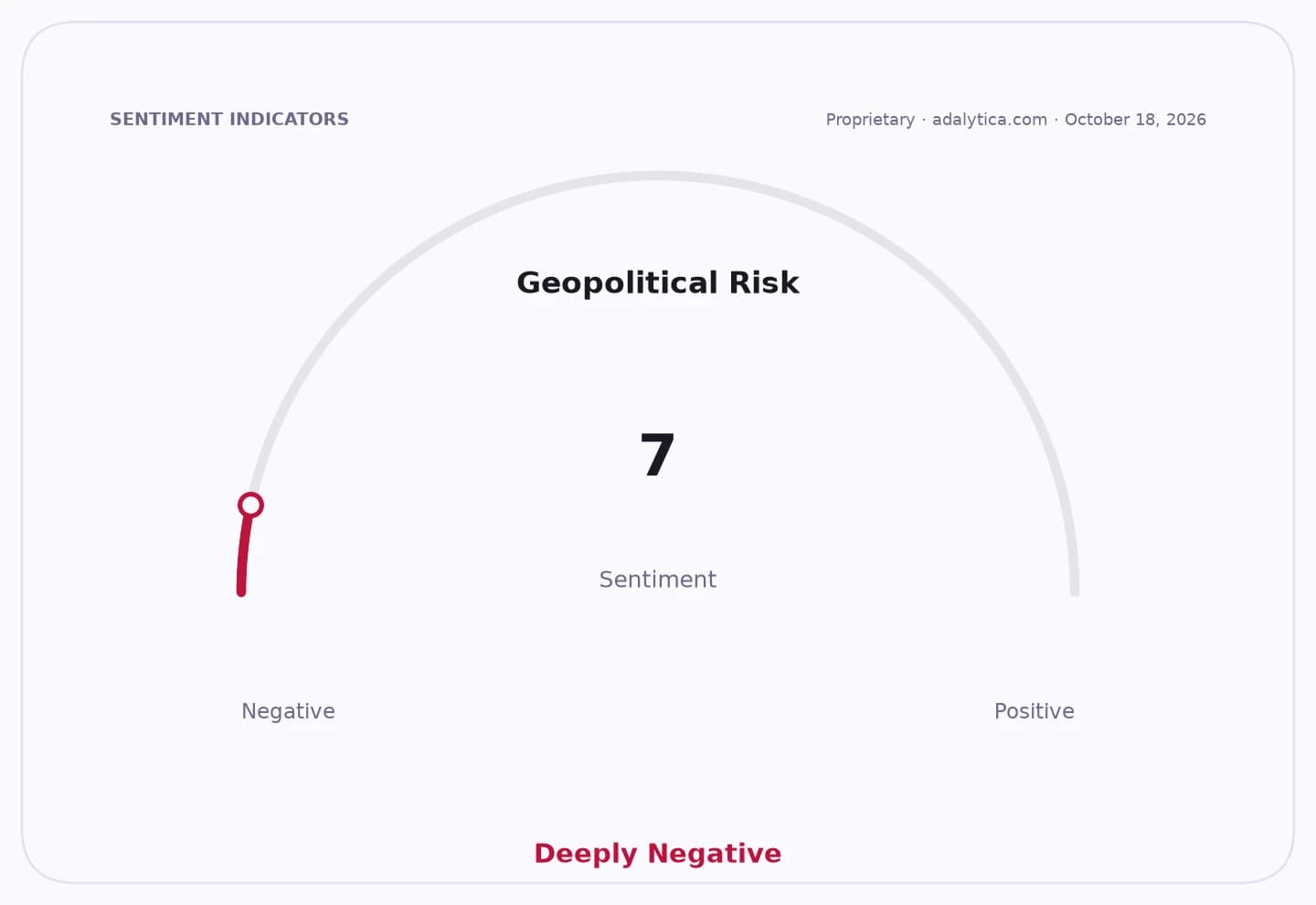
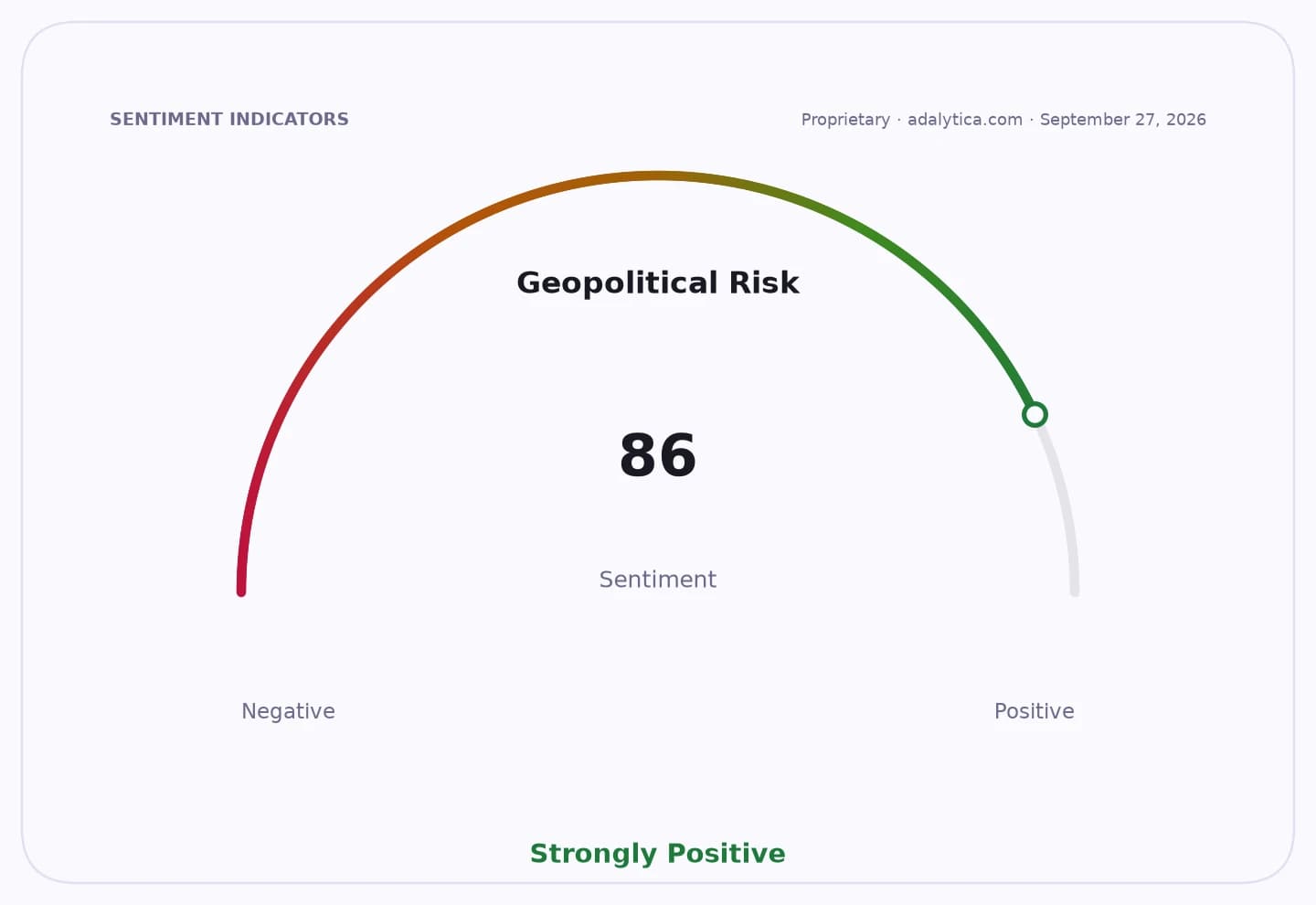
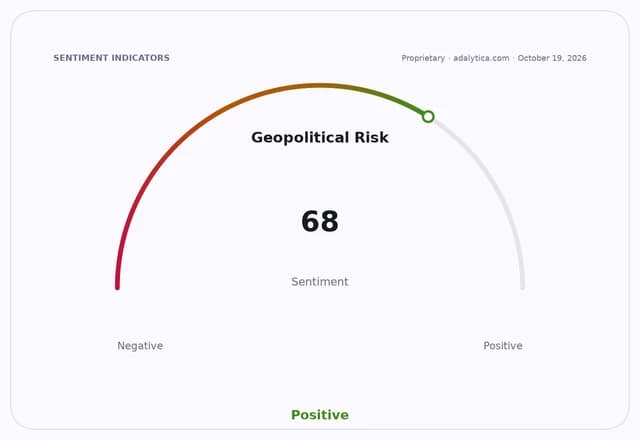
Sentiment IndicatorsⓘProprietary · adalytica.com · October 19, 2026
This is a snapshot — live sentiment, awareness and momentum for 130+ markets update continuously in the dashboard.Open AlphaPulse
That matters economically because energy costs feed directly into inflation, industrial competitiveness and household budgets in a country where poverty remains widespread. A more diversified gas mix can help limit the risk of supply disruptions and reduce the premium Moldova pays when markets tighten. It also fits a regional trend in which smaller European buyers are leaning on U.S. LNG as a backstop to pipeline gas, especially when security concerns outweigh the convenience of legacy routes.
Investors should read this as another reminder that the LNG trade remains a long-cycle beneficiary of Europe’s post-Ukraine energy reset. U.S. exporters such as Cheniere Energy, whose business is built on long-term contracts and stable cash flows, stand to benefit whenever new buyers are pulled into the market. Shipping companies like FLEX LNG can also gain if more Atlantic Basin cargoes need to move into Europe. Even when a deal is still only under discussion, the market likes the signal: demand for seaborne gas is proving durable.
The timing is not accidental. Global gas markets have been volatile, with disruptions in production, liquefaction capacity and shipping still capable of tightening supply. Moldova’s interest in U.S. LNG also comes as the country pushes ahead with European integration, reinforcing the idea that energy policy is becoming part of its broader geopolitical realignment.
For long-term investors, the takeaway is straightforward: the LNG infrastructure buildout remains supported by structural demand, not just a short-term price spike. Moldova is a small customer, but it is part of a much larger story about Europe choosing flexibility, security and supply diversification over dependence. That is worth watching.
| Entity | Gains | Losses |
|---|---|---|
| Moldova | ▲Energy security | ▼Reliance on legacy suppliers |
| U.S. LNG exporters | ▲New demand | ▼Idle export capacity |
| LNG shippers | ▲More cargo flows | ▼Softer utilization if deals stall |
| Traditional pipeline suppliers | ▲— | ▼Market share and leverage |