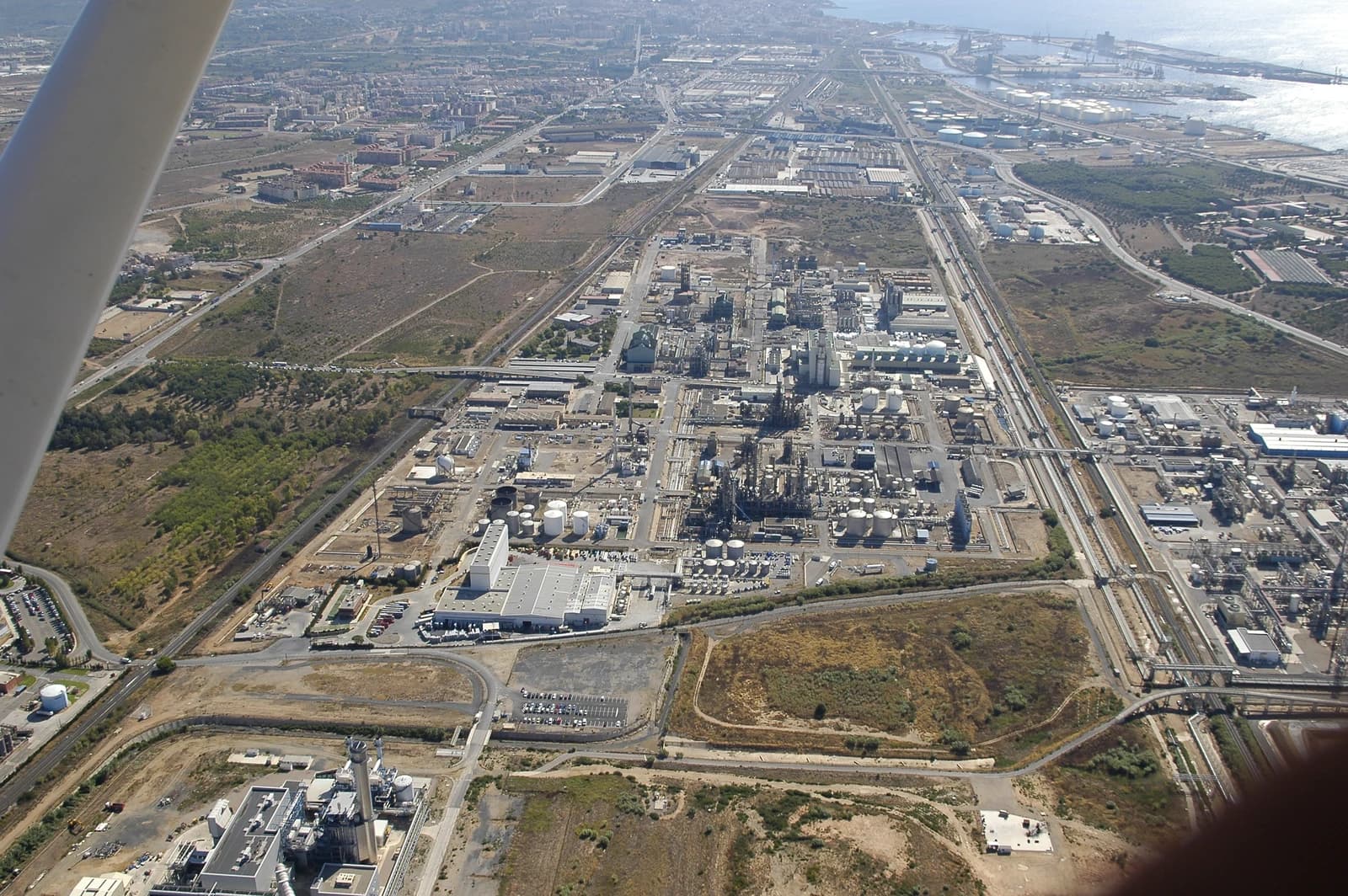
TotalEnergies’ Mozambique LNG project is back in motion with about 11,000 workers now on site at Afungi, a sign that one of Africa’s biggest gas developments is moving beyond the long pause caused by insurgent violence in Cabo Delgado.
TotalEnergies Mozambique LNG Restarts Construction
That matters because the project’s restart in October 2025 revived a multibillion-dollar investment that had been frozen for roughly five years, delaying export capacity, local infrastructure spending and the cash flows Mozambique had been counting on to turn offshore gas into a growth engine. For the government, the progress is more than symbolic: it keeps alive the prospect of jobs, domestic procurement and future tax and royalty revenue in a country that has struggled to attract large-scale capital amid security risks.
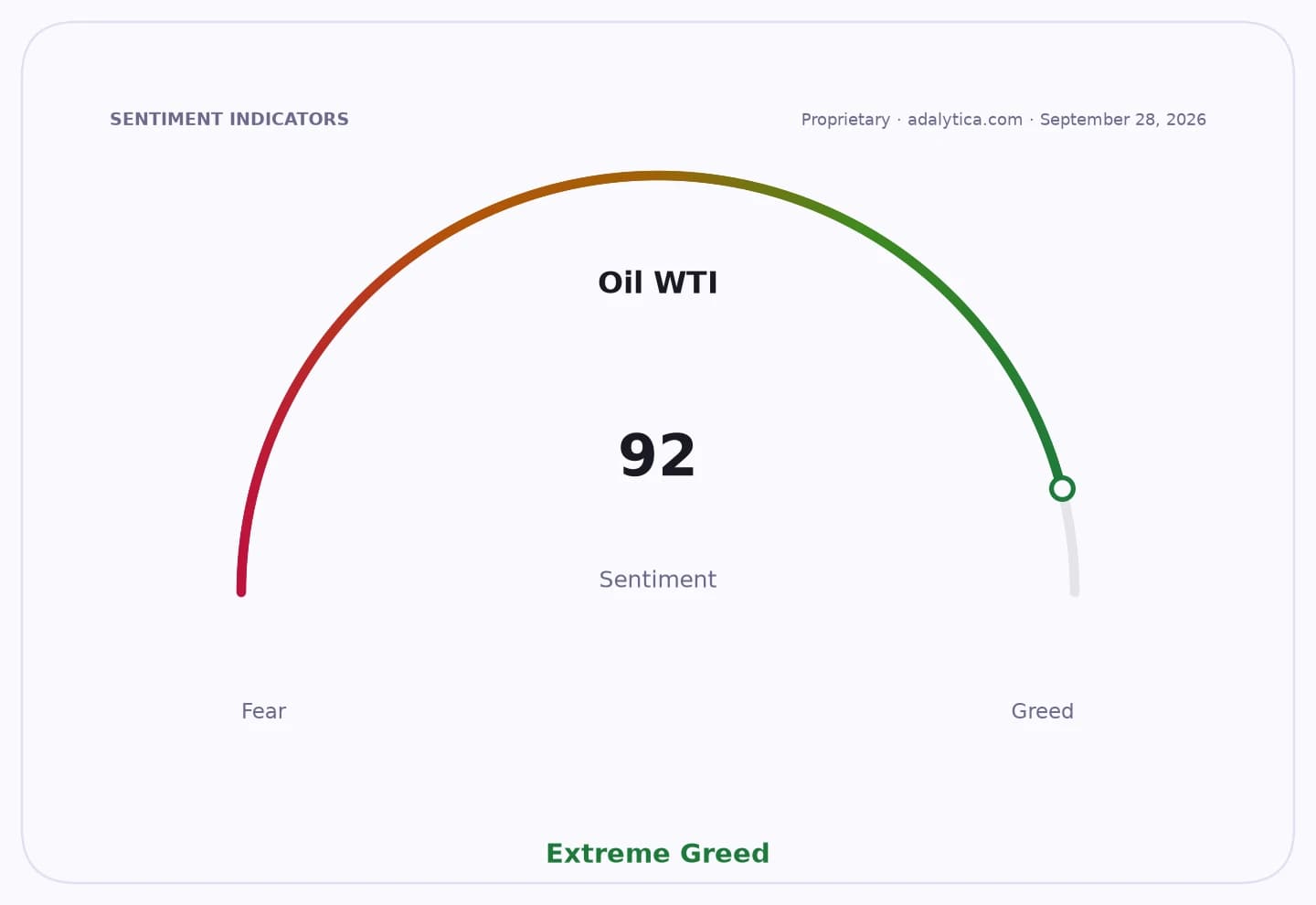
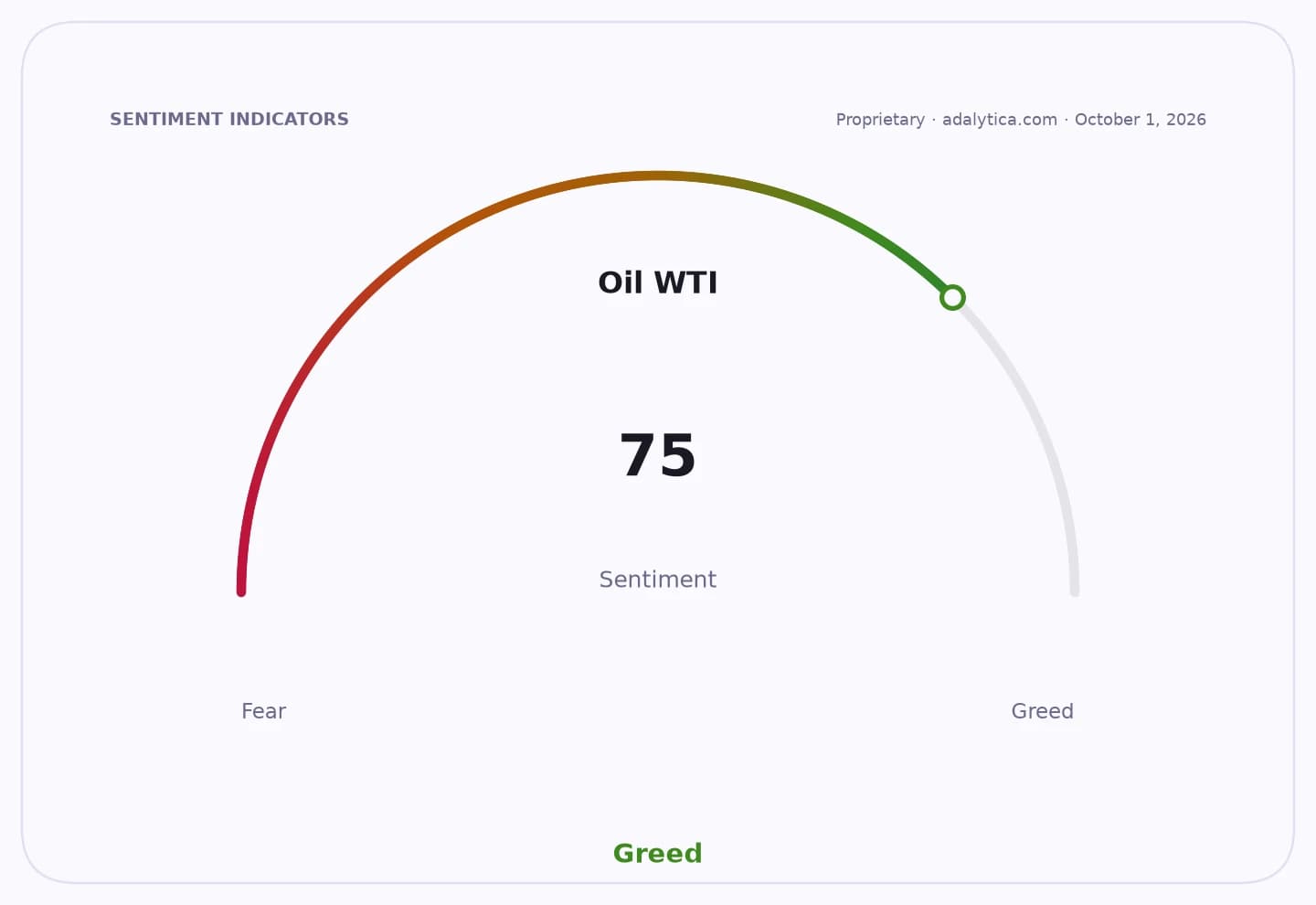
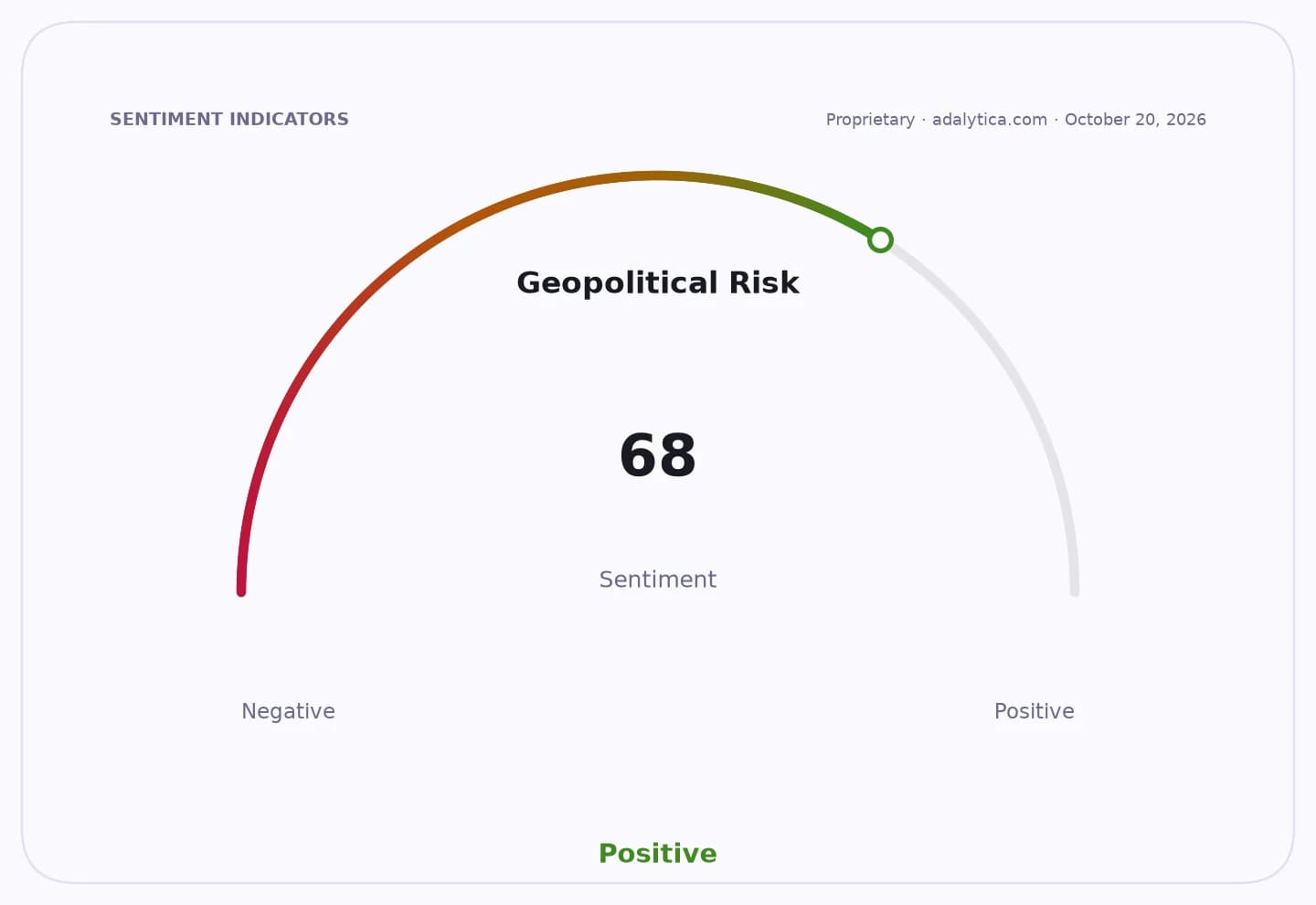
Sentiment IndicatorsⓘProprietary · adalytica.com · October 20, 2026
This is a snapshot — live sentiment, awareness and momentum for 130+ markets update continuously in the dashboard.Open AlphaPulse
Mozambique’s planning and development minister, Salim Valá, said he was struck by the pace of construction and by the rising share of Mozambican workers on the project, underlining the political importance of local participation. In a country where LNG has been framed as a strategic pillar for development, the ramp-up suggests the project is again becoming a practical economic lever rather than a stranded headline.
For TotalEnergies, the work at Afungi is part of a broader push to advance gas projects across its portfolio, including recent moves in Nigeria, Cyprus, Namibia and Papua New Guinea. The company’s shares have been volatile but remain well above earlier lows, while standard technical indicators such as the 50-day and 200-day moving averages show the stock holding above both trend lines. Investors will likely see Mozambique as part of the company’s longer-term LNG growth story, even if the timing of first cargoes still depends on security, logistics and execution.
The project also comes at a moment when gas market sentiment remains strong. Adalytica’s Natural Gas Market Trade Signals show extreme greed, reflecting a market that is still pricing in tight supply and resilient LNG demand. That backdrop supports developers with scale and long-dated reserves, but it also raises the stakes for any delay: every month of slippage defers returns in a sector where capital costs are high and project economics are highly sensitive to start-up timing.
The bull case is that Afungi’s restart restores Mozambique to the global LNG map and gives TotalEnergies another major growth asset just as demand for flexible gas supply remains firm. The bear case is that the project remains exposed to security shocks in Cabo Delgado and to the execution risk that has already pushed it back years. For investors, the key question is whether the current construction pace can translate into a durable, de-risked path to production.
| Entity | Gains | Losses |
|---|---|---|
| TotalEnergies | ▲LNG growth pipeline | ▼Delay and security risk |
| Mozambique government | ▲Jobs and future revenues | ▼Pressure to secure project |
| Local workers | ▲Employment and training | ▼Limited if unrest returns |
| LNG competitors | ▲Less benefit from supply tightness | ▼Mozambique adds future supply |