More than 3,000 people in Madrid have searched for housing in Venezuela over the past four months, a sign that the country’s fragile political transition is starting to reshape property demand and could eventually draw capital back into a market that was frozen by years of crisis.
Venezuela housing searches rise in Madrid
The shift matters because housing is one of the first places where sentiment turns into money. If exiles begin planning returns, even tentatively, the effect can ripple through rentals, home purchases, construction and the local banking system. It also hints at a broader economic reset if Caracas follows through on pledges to relax state control, restore expropriated assets and open the door to private-sector investment.
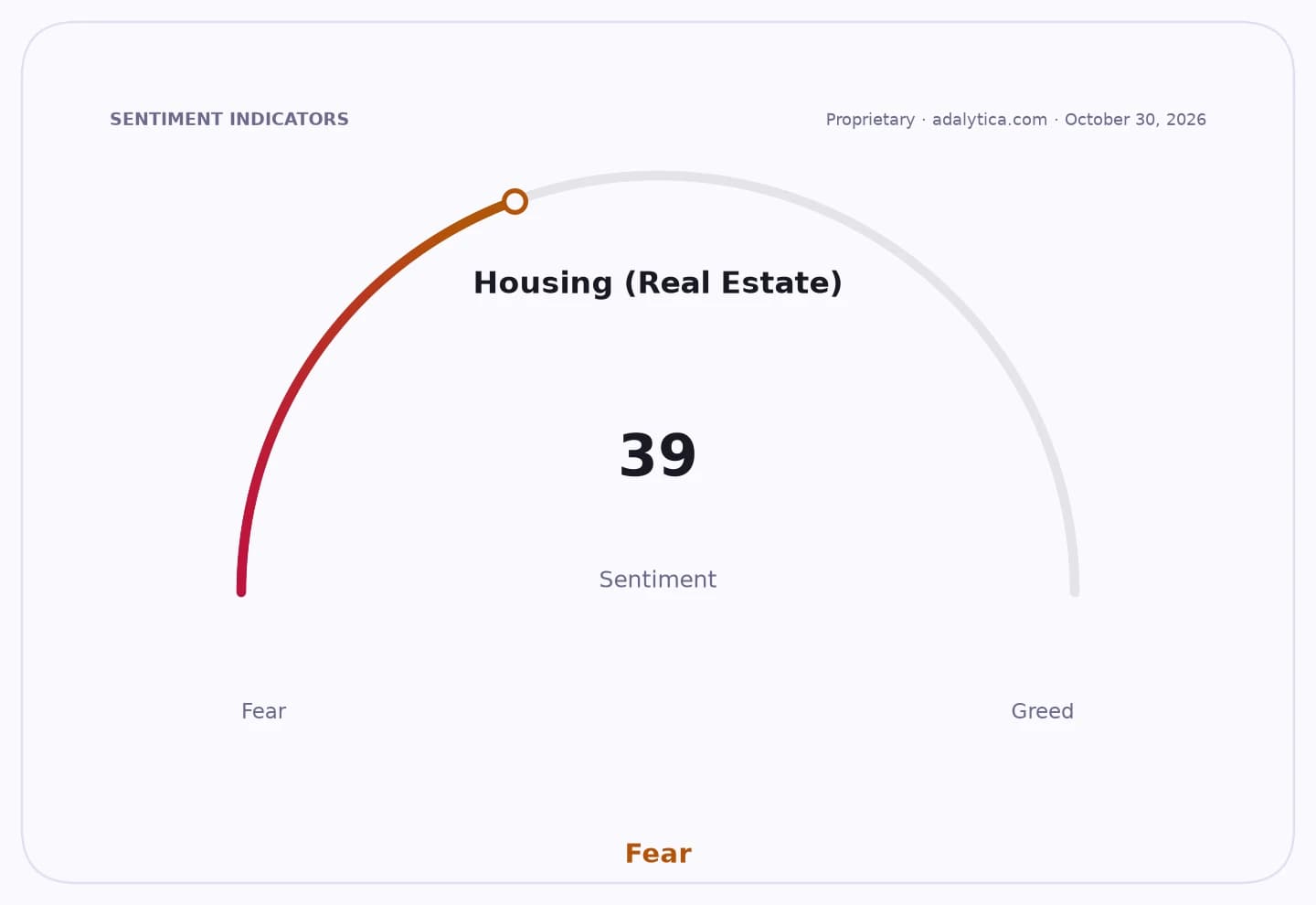
Sentiment Indicators
Madrid is the clearest early signal of that change. Propiedash, an online property platform focused on Venezuela, said 3,052 visitors connected from Spain’s capital between its June 11 launch and Oct. 26, accounting for 45.7% of all Spanish traffic. Barcelona ranked a distant second with 541 visits, while Valencia logged 278. Across Spain, Propiedash registered 6,673 users, making the country its largest European source of interest.
The searches are concentrated on buying, not just browsing. Seven out of 10 queries from Spain that specify a transaction type are aimed at purchases, while about three in 10 are for rentals, according to the platform. Apartments make up 53% of preferences and houses 35%, with most interest centered on Caracas and its surrounding municipalities, plus Margarita island and Carabobo state.
That matters for investors because it suggests the market is not only reacting to politics, but starting to price a potential diaspora return flow. Madrid alone is home to 129,269 people born in Venezuela, according to Spain’s statistics office, giving the city a large embedded pool of potential buyers, landlords and eventual sellers if confidence improves.
The political backdrop is still unsettled. Venezuela’s interim authorities have floated elections with a renewed electoral body and have signaled a willingness to return expropriated assets and transfer state holdings to private hands, while opposition leader Maria Corina Machado has reemerged in the country pressing for democratic change. There is still no official electoral calendar, which means the recovery case remains highly speculative. But that is exactly where asymmetric opportunities begin: with markets that are too small, too early and too ignored.
For now, the investable takeaway is not a direct call on Venezuelan real estate, but on the second-order winners if the transition gains traction. That includes platforms that match buyers and sellers, remittance and cross-border payment rails, building materials, logistics and financial intermediaries with exposure to any future normalization. If Caracas sustains political opening, the first wave of capital will likely follow the diaspora, and housing will be one of the earliest gauges of whether the comeback story is real.
| Entity | Gains | Losses |
|---|---|---|
| Venezuelan diaspora in Madrid | ▲Return optionality | ▼Wait-and-see uncertainty |
| Propiedash and similar platforms | ▲More traffic and leads | ▼Market skepticism |
| Venezuelan property owners | ▲Potentially higher demand | ▼Political risk premium |
| Expropriation-heavy status quo | ▲Erosion of control | ▼Private capital reopening |