Spain’s housing fight is widening into a political liability for the Socialist Party after the Tenants’ Union accused senior PSOE figures of hypocrisy over eviction policy and property holdings, and called a general strike for Nov. 11.
Spain housing strike raises pressure on PSOE

The escalation matters because housing has become one of the country’s most combustible economic issues, with renters facing a market that remains structurally tight even as activism pushes the government to harden its stance on landlords, evictions and supply. Any perception that ruling party officials are tied to the same rental economics they publicly denounce raises the political cost of reform and could complicate Madrid’s response just as pressure on affordability intensifies.
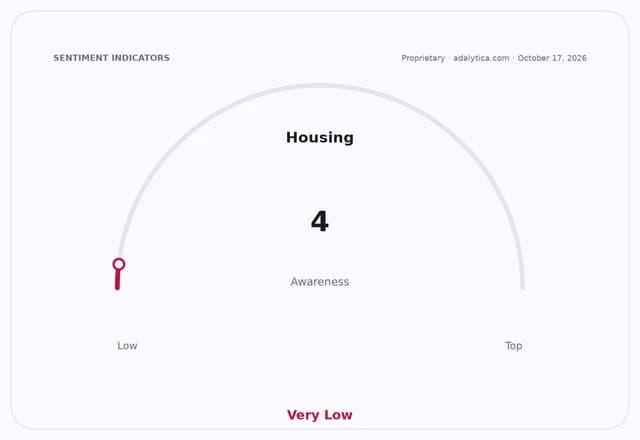
Sentiment IndicatorsⓘProprietary · adalytica.com · October 17, 2026
This is a snapshot — live sentiment, awareness and momentum for 130+ markets update continuously in the dashboard.Open AlphaPulse

The union has singled out Digital Transformation Minister Óscar López after documents cited by local outlet Artículo 14 showed Muface, the civil servants’ mutual insurer under his ministry, processed an eviction for a tenant on Madrid’s Calle del Alcalde Sainz de Baranda. The tenant, who had lived there with his mother and sought to inherit the lease after her death in June, had his appeal rejected and faces a Feb. 24, 2026 deadline to leave.
López rejected the accusation, saying he did not request or sign any eviction and would seek a correction. The union’s message, however, has been politically sharper than the legal dispute itself, arguing that the same government that condemns evictions for one side of the street is approving them on the other.
Housing — 30-day sentimentadalytica.com
Explore this data interactively — full history, time series and cross-market comparisons.Open AlphaPulse
It is also attacking PSOE spokesperson Montse Mínguez over her partner Sergi Vélez’s role as CEO of Nest Capital, a Lleida-based property and investment holding with active stakes in 11 companies. The union says the family network controls at least 30 rental homes, while corporate filings show Nest Capital Homes held assets with a book value of 6.3 million euros in 2025, alongside about 6.2 million euros in real estate investments tied to the wider family group.
For investors, the immediate market read is not about a listed landlord shock so much as policy risk around Spanish housing. More pressure on the PSOE could push the government toward stricter tenant protections, tougher rhetoric on landlords and more intervention in the rental market, all of which can weigh on returns for residential property owners and slow transaction activity if investors price in more regulation.
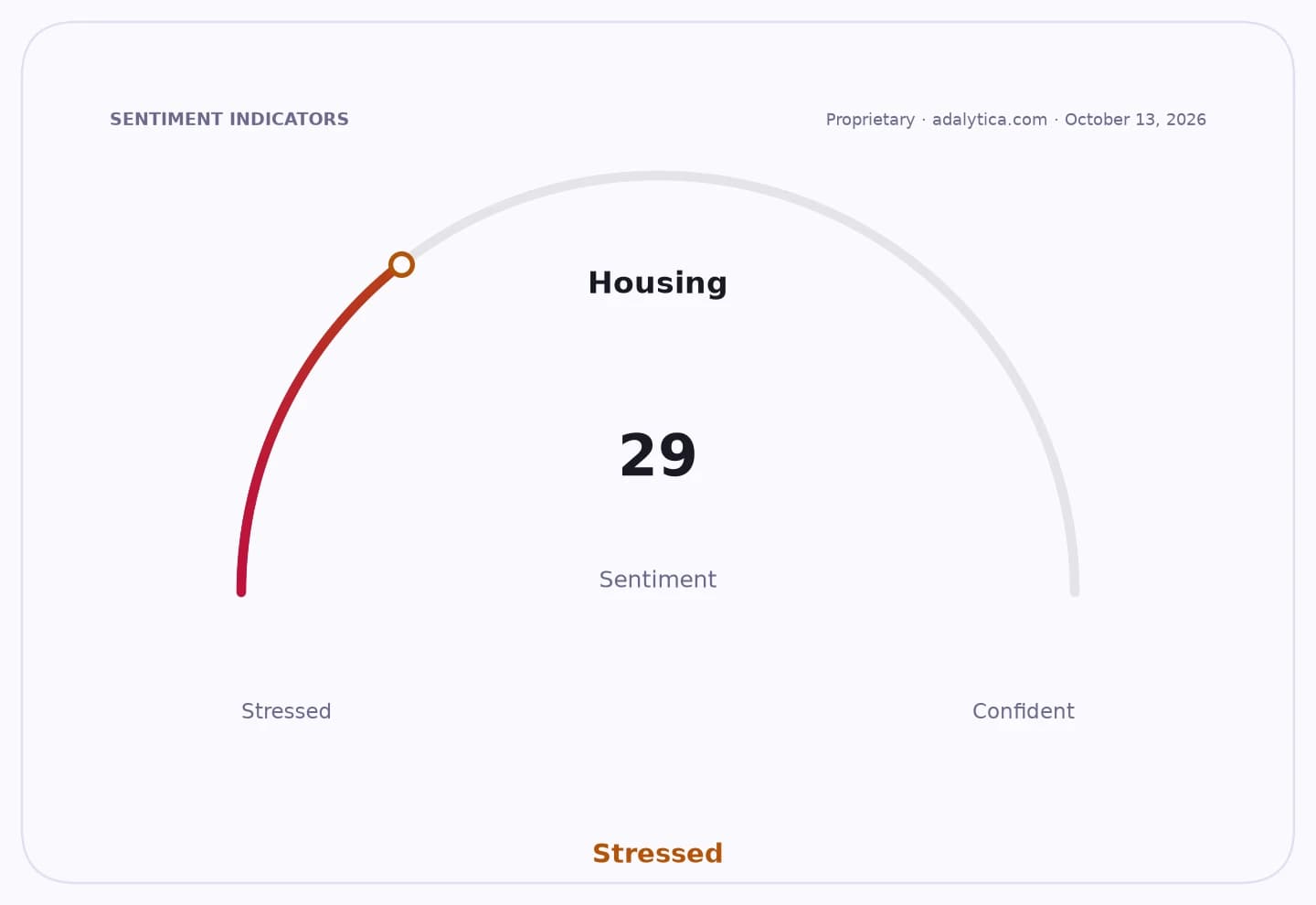
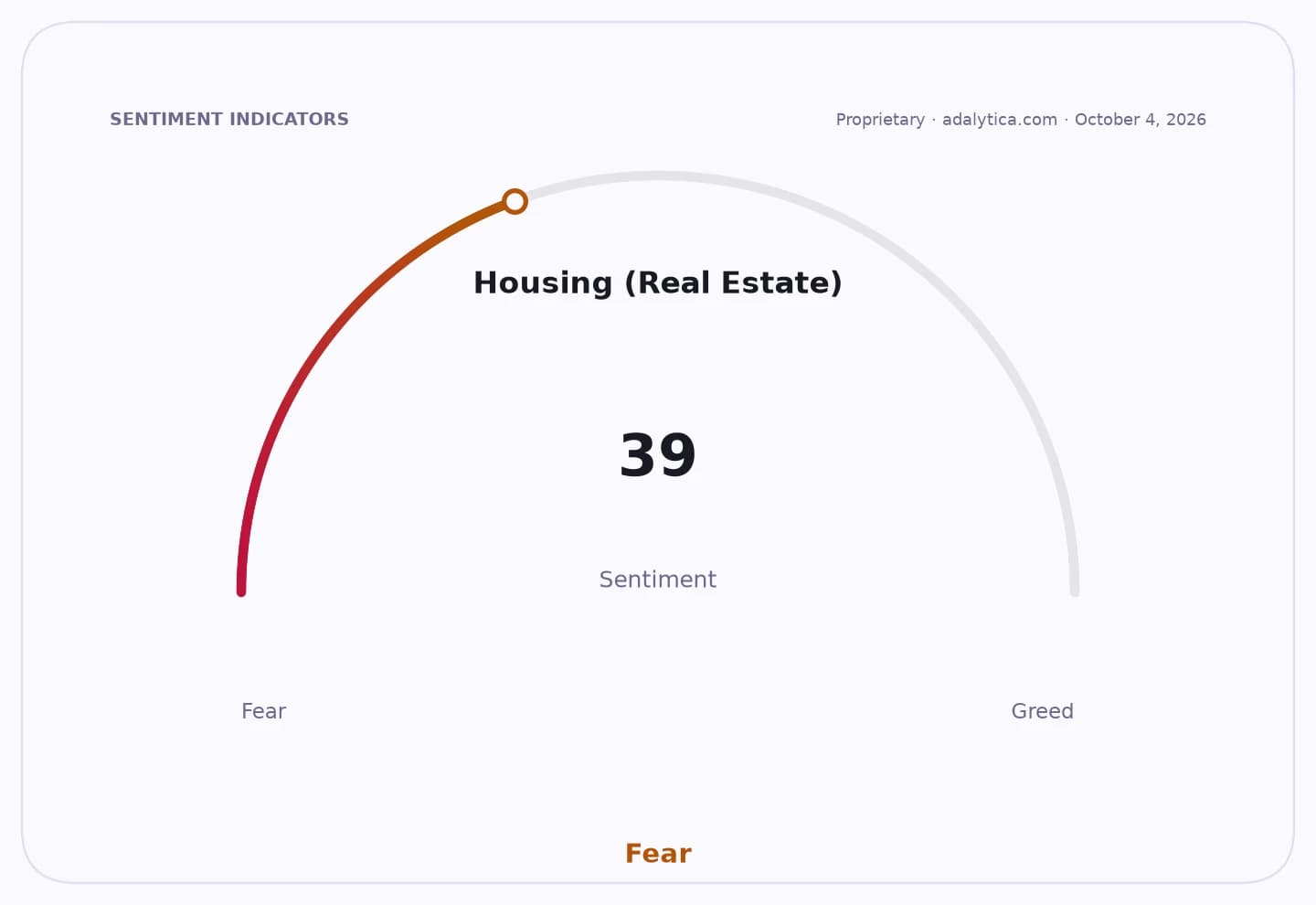
The backdrop is already fragile. Spanish housing sentiment remains elevated, with Adalytica’s Housing Fear & Greed Index at 86, signaling extreme greed even as awareness is stuck at 4, suggesting the issue is highly charged but still not broadly priced into everyday behavior. The union’s Nov. 11 strike now adds the prospect of a broader social confrontation that could keep housing at the center of Spain’s policy debate into year-end.
| Entity | Gains | Losses |
|---|---|---|
| Tenants’ Union | ▲Political visibility | ▼None if strike momentum fades |
| PSOE leadership | ▲Little immediate gain | ▼Credibility on housing reform |
| Residential landlords | ▲Policy clarity if protests stall | ▼Higher regulation risk |
| Spanish renters | ▲More pressure for reform | ▼Continued affordability strain |