Spain’s top employers’ group has attacked the government for trying to lift the minimum wage during an election campaign, arguing the move adds political risk to a labor-cost debate that is already squeezing margins and complicating wage bargaining.
Spain Employers Oppose Minimum Wage Hike
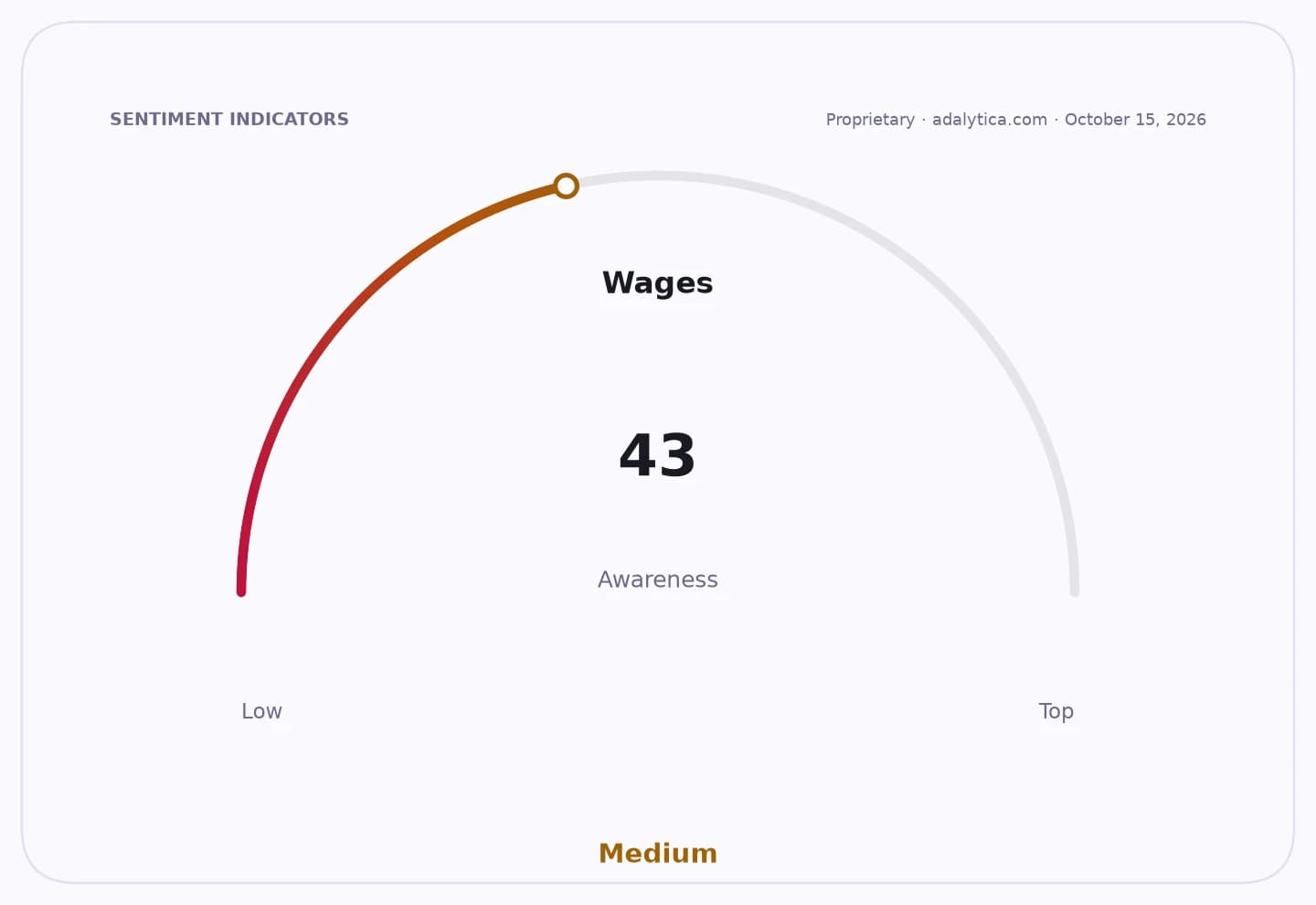
Antonio Garamendi, president of the CEOE business federation, called it “incredible” that the government was using its “power” to promote a higher minimum wage in an electoral period, according to comments reported by Europa Press. He said unions are pressing for a 7% increase in the minimum wage and are also demanding changes to prevent companies from offsetting the rise through wage supplements.
Sentiment IndicatorsⓘProprietary · adalytica.com · October 17, 2026
This is a snapshot — live sentiment, awareness and momentum for 130+ markets update continuously in the dashboard.Open AlphaPulse
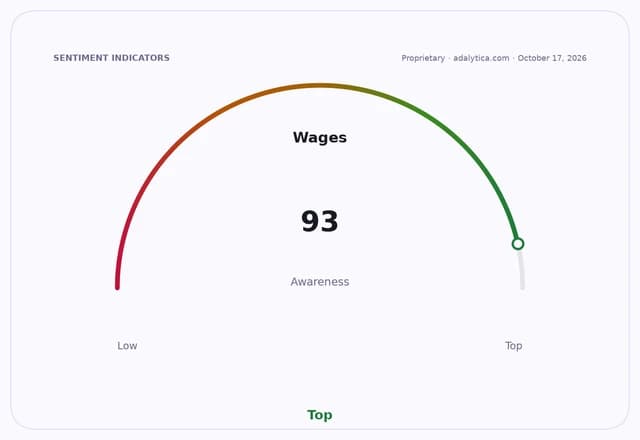
The dispute matters because the minimum wage is not just a social policy issue in Spain’s tightly regulated labor market; it feeds directly into staffing costs for retailers, restaurants, cleaning firms and other low-margin employers. Garamendi also complained that the government has kept a rule that prevents public contracts from being indexed to wage increases, arguing that companies supplying the state cannot fully pass on higher labor costs.
That puts the issue squarely on investors’ radar for labor-intensive sectors and for companies exposed to Spanish public procurement. Wage pressure can hit operating margins before companies have time to raise prices, especially in businesses already dealing with weak vacancy coverage and absenteeism, two issues Garamendi singled out as major concerns for employers.
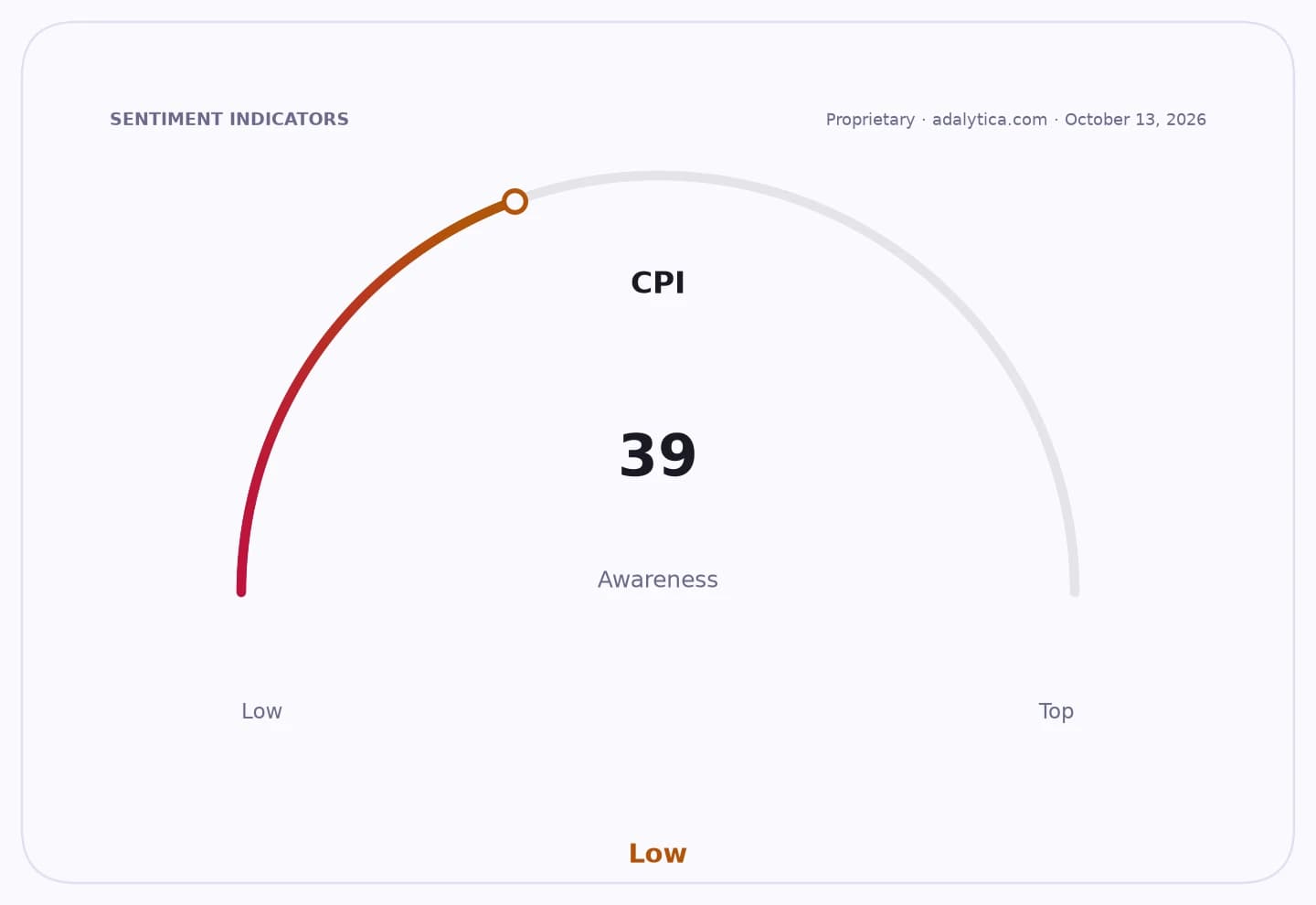
The policy debate also lands in a period of broader inflation sensitivity. Spain’s consumer price index has been running higher, and wage-setting negotiations are taking place against a backdrop of elevated labor-market attention, with employers seeking restraint and unions pushing for stronger pay gains. For investors, the key question is whether a higher floor wage turns into broader compensation inflation or stays contained at the bottom end of the pay scale.
Garamendi also renewed his criticism of the government’s labor experts and said the unions have refused to advance talks on a national collective bargaining accord, leaving the wage-setting process deadlocked. The standoff suggests the minimum wage fight is likely to remain a recurring political and market issue as the election campaign continues and policymakers weigh the social benefits of higher pay against the hit to employers’ costs.
| Entity | Gains | Losses |
|---|---|---|
| Low-wage workers | ▲Higher pay floor | ▼Less bargaining uncertainty |
| Unions | ▲Leverage in wage talks | ▼— |
| Employers/CEOE members | ▲— | ▼Higher labor costs |
| Labor-intensive firms | ▲— | ▼Margin pressure, tougher pricing |