France’s minimum-wage revaluation took effect on Jan. 1, 2026 and lifted pay for 2.1 million private-sector workers, a modest but economically important rise that will squeeze labor-heavy businesses just as consumers remain sensitive to prices.
France minimum wage rises to €12.02 an hour
The increase in the Smic to €12.02 an hour, or about €1,443 net a month for a full-time worker, affected 11.8% of private-sector employees, according to the labor ministry’s Dares unit. That is a smaller share than in the inflation spikes of 2023 and 2024, when the minimum wage caught a much larger part of the workforce, but it still matters because the burden is concentrated where margins are thinnest and staffing levels are highest.
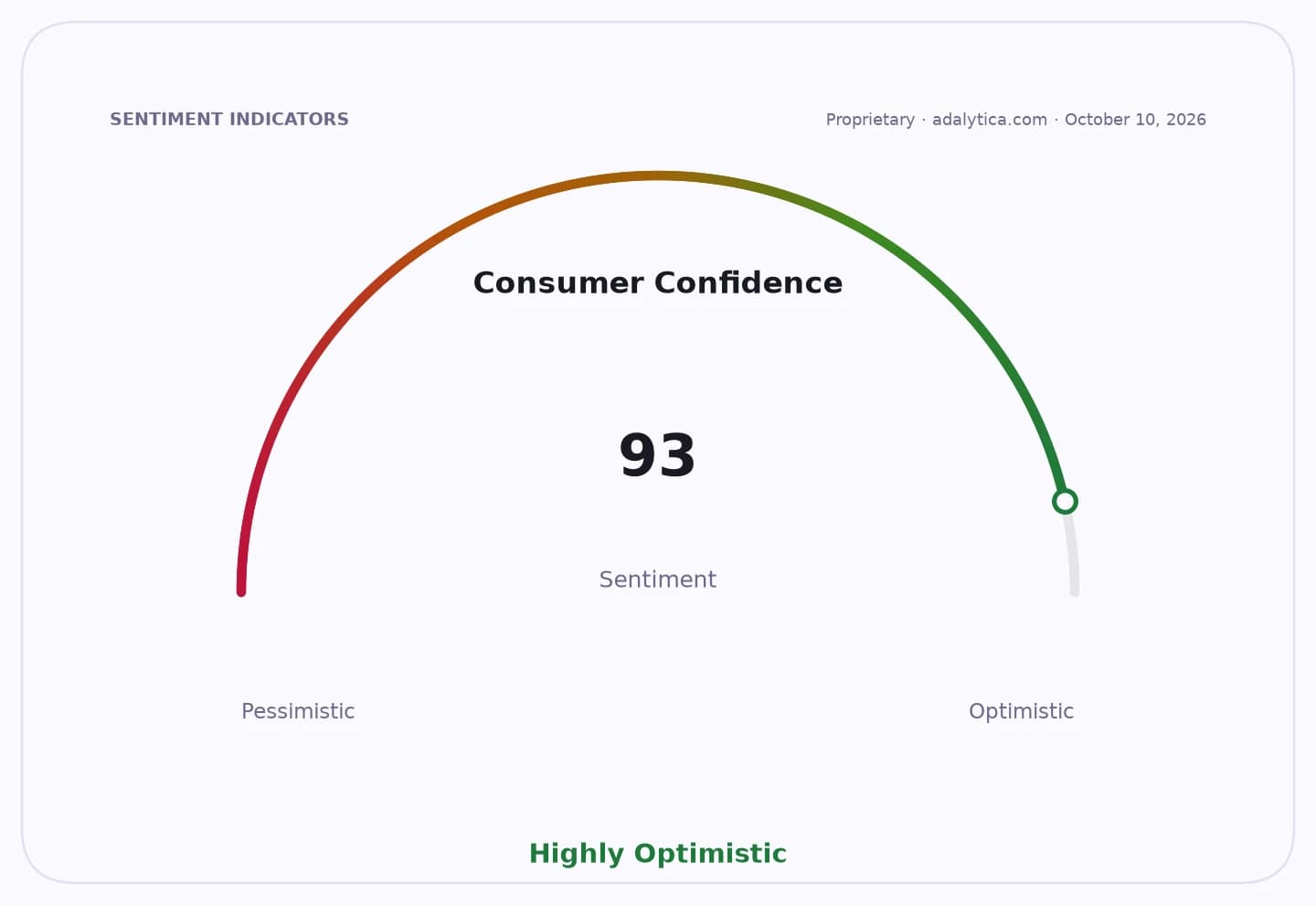
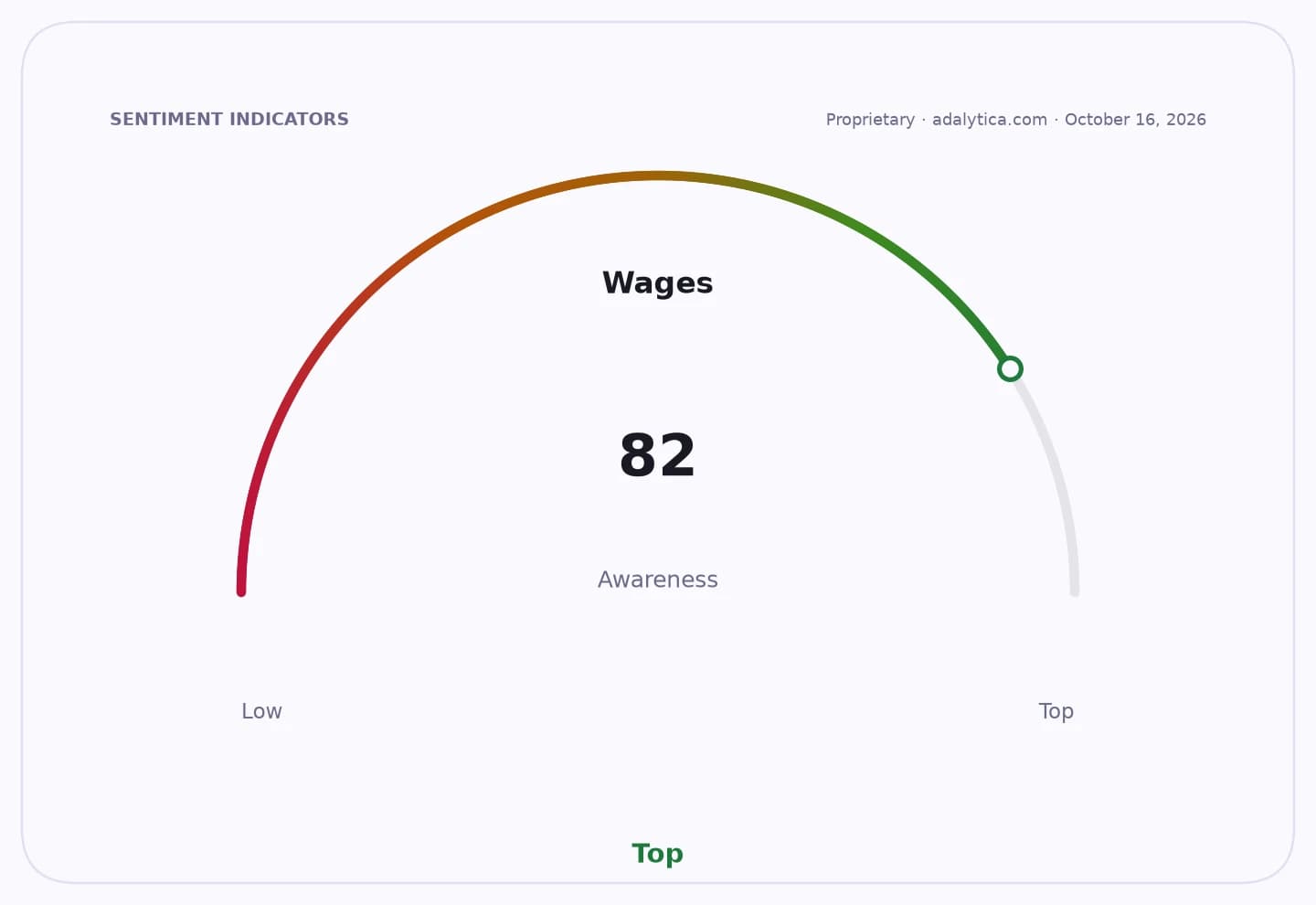
Sentiment IndicatorsⓘProprietary · adalytica.com · October 17, 2026
This is a snapshot — live sentiment, awareness and momentum for 130+ markets update continuously in the dashboard.Open AlphaPulse
The biggest exposure is in small firms and part-time jobs, not in finance or industry. Among companies with fewer than nine employees, 21.9% of workers were directly touched by the increase, versus 9.5% in firms with more than 10 employees and just 6.6% in companies with more than 500 workers. Part-time employees were hit especially hard, with 25.6% affected, reflecting how often low hourly pay sits close to the legal floor.
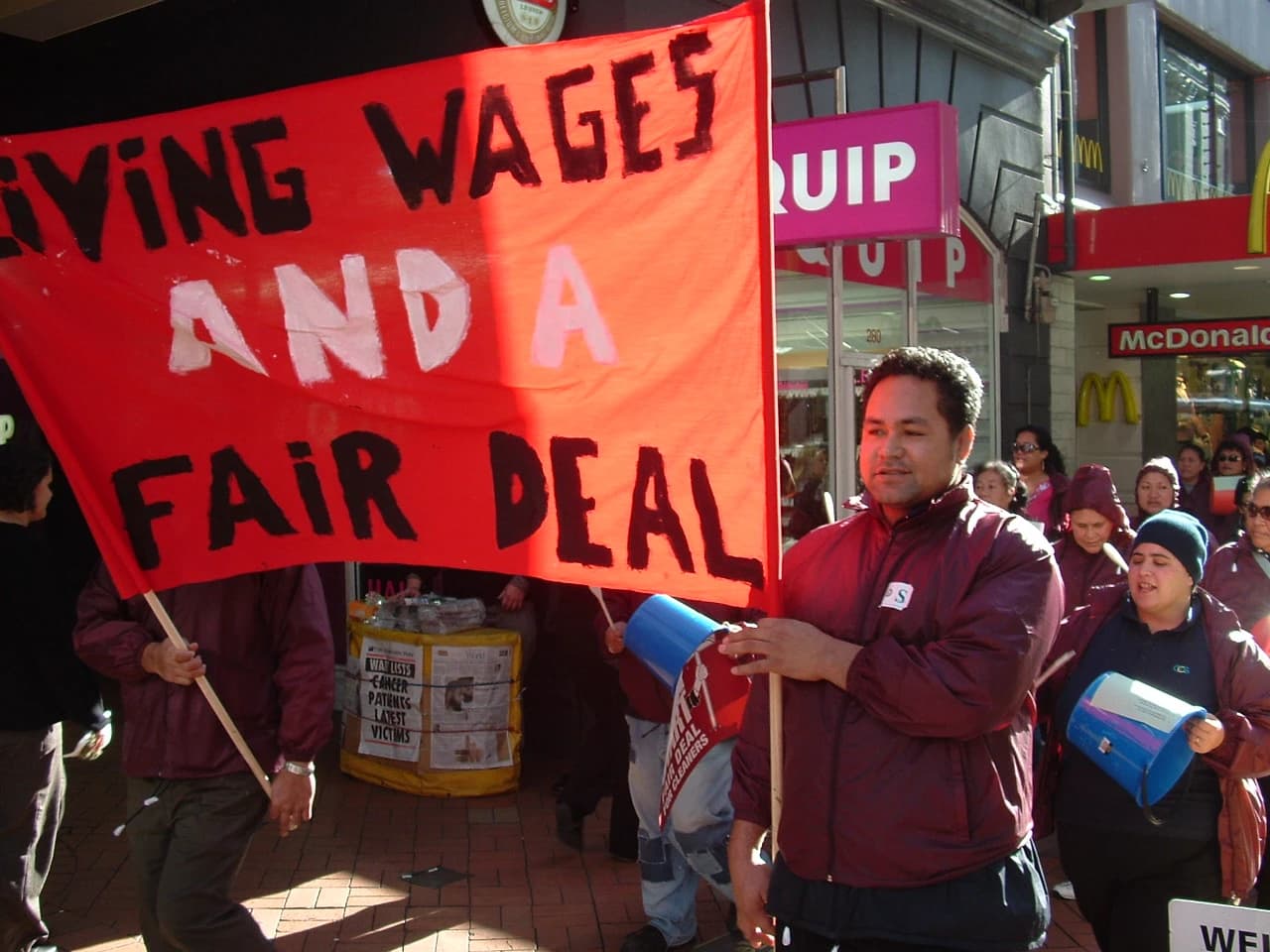
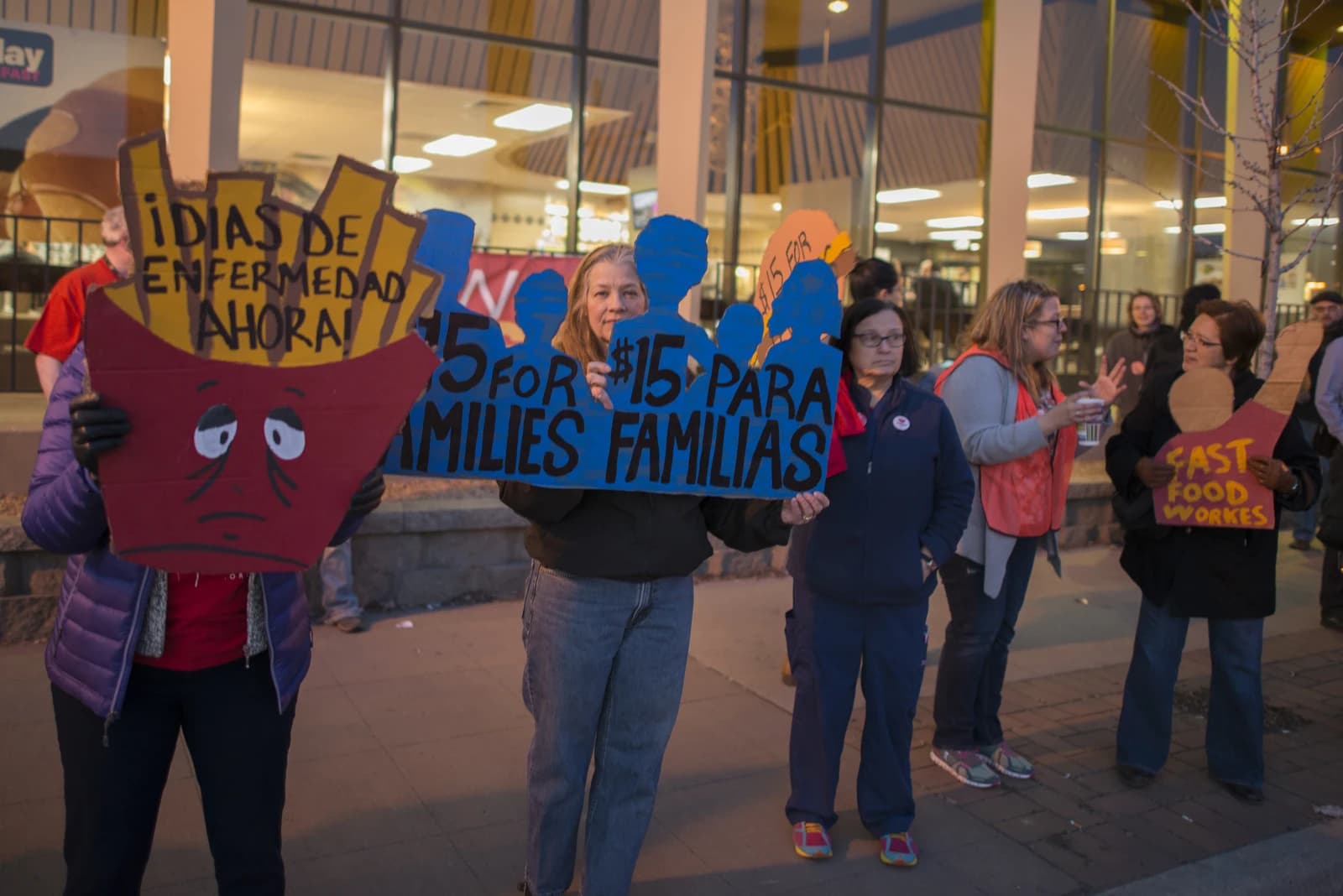
That is why the story is not just about wages, but about pricing power, productivity and who can absorb higher payroll costs. Fast food is the clearest pressure point: 62.3% of workers in the sector were covered by the increase, according to the Dares, while services to households and food retail were also heavily exposed. By contrast, banks, insurers and most professional services saw only a small fraction of staff affected.
For investors, that means the minimum-wage move is another incremental headwind for labor-intensive consumer businesses and a relative tailwind for companies with scale, automation and stronger operating leverage. McDonald’s, which has already seen its stock trade well below its 200-day moving average for much of 2026, is a reminder that wage inflation can hit sentiment even when demand remains resilient. Walmart and Target are better insulated because of their size and ability to spread labor costs across a much broader revenue base, but they are not immune if payroll pressure ripples through suppliers and franchise operators.
The macro significance is straightforward: slower inflation has reduced the number of workers catching up to the minimum wage, but the floor is still rising, keeping pressure on low-end service prices and household budgets. If consumer confidence weakens again, the combination of higher wages at the bottom and cautious spending can turn into a margin squeeze for the businesses that depend most on entry-level labor.
The investable message is to favor the toll roads of the labor economy — large retailers, scaled restaurant operators, automation suppliers and businesses with pricing power — over the most exposed small-format and quick-service employers. The market underestimates how often a routine wage reset becomes a quiet earnings story.
| Entity | Gains | Losses |
|---|---|---|
| Low-wage workers | ▲Higher paychecks | ▼— |
| Large retailers like Walmart | ▲Better cost absorption | ▼Some payroll pressure |
| Quick-service chains | ▲— | ▼Higher labor costs |
| Small businesses | ▲— | ▼Tighter margins |