Workers moving out of finance and into pizza chains is becoming a small but telling sign of a labor market where reskilling and career resets are no longer exceptional, and that matters for employers trying to hire, cut costs and keep stores staffed.
Domino's and Papa John's Face Softer Labor Market
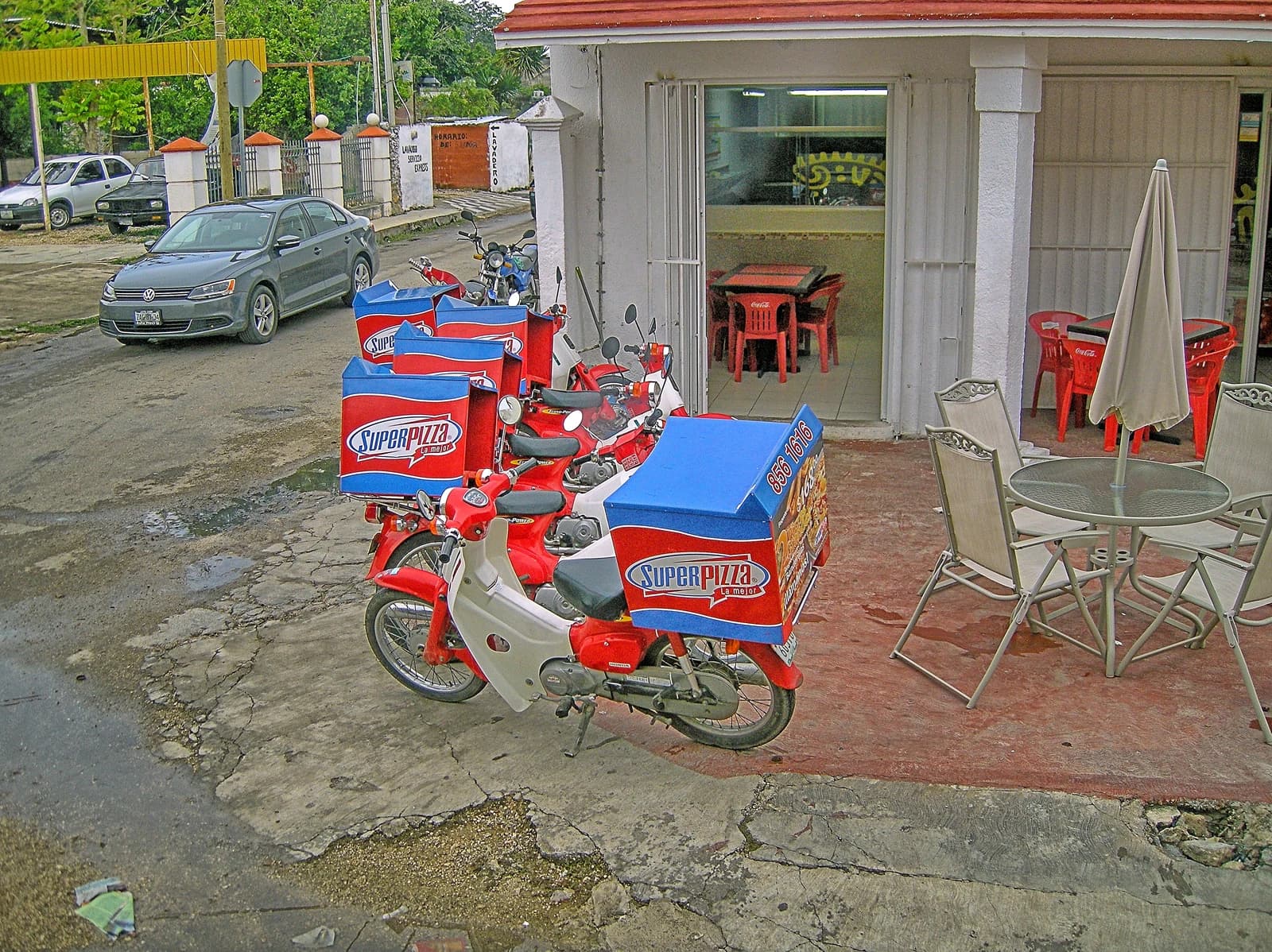
The shift is especially relevant for restaurant operators such as Domino’s Pizza and Papa John’s, which depend on a steady flow of hourly labor in a tight market. As professionals increasingly pivot into new fields, companies with large frontline workforces can tap a broader pool of applicants, but they also face a changing mix of expectations around pay, flexibility and advancement.
For investors, that has direct implications for margins. Easier hiring can help limit wage inflation and reduce churn, but it can also signal continued weakness in white-collar demand and consumer caution, both of which affect spending patterns for delivery and takeout. Domino’s shares were last at $309.36, far below the $417.96 level seen at the start of the year, while Papa John’s ended at $19.75 after sliding from $39.72 in early November, reflecting a cautious view of the restaurant sector and the broader consumer backdrop.
Technically, both stocks have been trying to stabilize after steep declines. Domino’s remains below its 200-day moving average of $346.73, while Papa John’s is also trading under its 200-day average of $31.23, suggesting investors have yet to regain conviction even as each stock has bounced off more recent lows.
The broader narrative is that careers are becoming more fluid just as businesses need to be more flexible with hiring. For pizza chains, that could mean a larger labor pipeline; for investors, the key question is whether that flexibility translates into steadier staffing and better margins without signaling a weaker economy.
The next catalyst will be whether restaurant operators can turn easier recruiting into improved same-store performance and lower labor pressure in upcoming earnings updates. If they cannot, the labor reshuffle may prove more useful to workers than to shareholders.
| Entity | Gains | Losses |
|---|---|---|
| Job changers | ▲New opportunities | ▼Familiar pay/status |
| Pizza chains | ▲Larger hiring pool | ▼Need to train newcomers |
| Hourly workers | ▲Faster reentry into work | ▼Less bargaining power |
| Restaurant investors | ▲Potential labor cost relief | ▼Risk of weak consumer demand |