Salary increases in 2027 are likely to be modest at best as Polish employers push for only inflation-linked pay rises while setting aside cash for a sharper rise in labour inspections, creating a widening gap between workers’ expectations and what companies say they can afford.
Poland wage rises seen limited in 2027
The dispute matters because pay settlements feed directly into household demand, inflation dynamics and corporate margins. If firms keep wage growth close to inflation rather than the stronger gains many employees expect, real income growth will slow, helping companies protect costs but limiting consumption at a time when the labour market is still tight enough to keep workers bargaining.
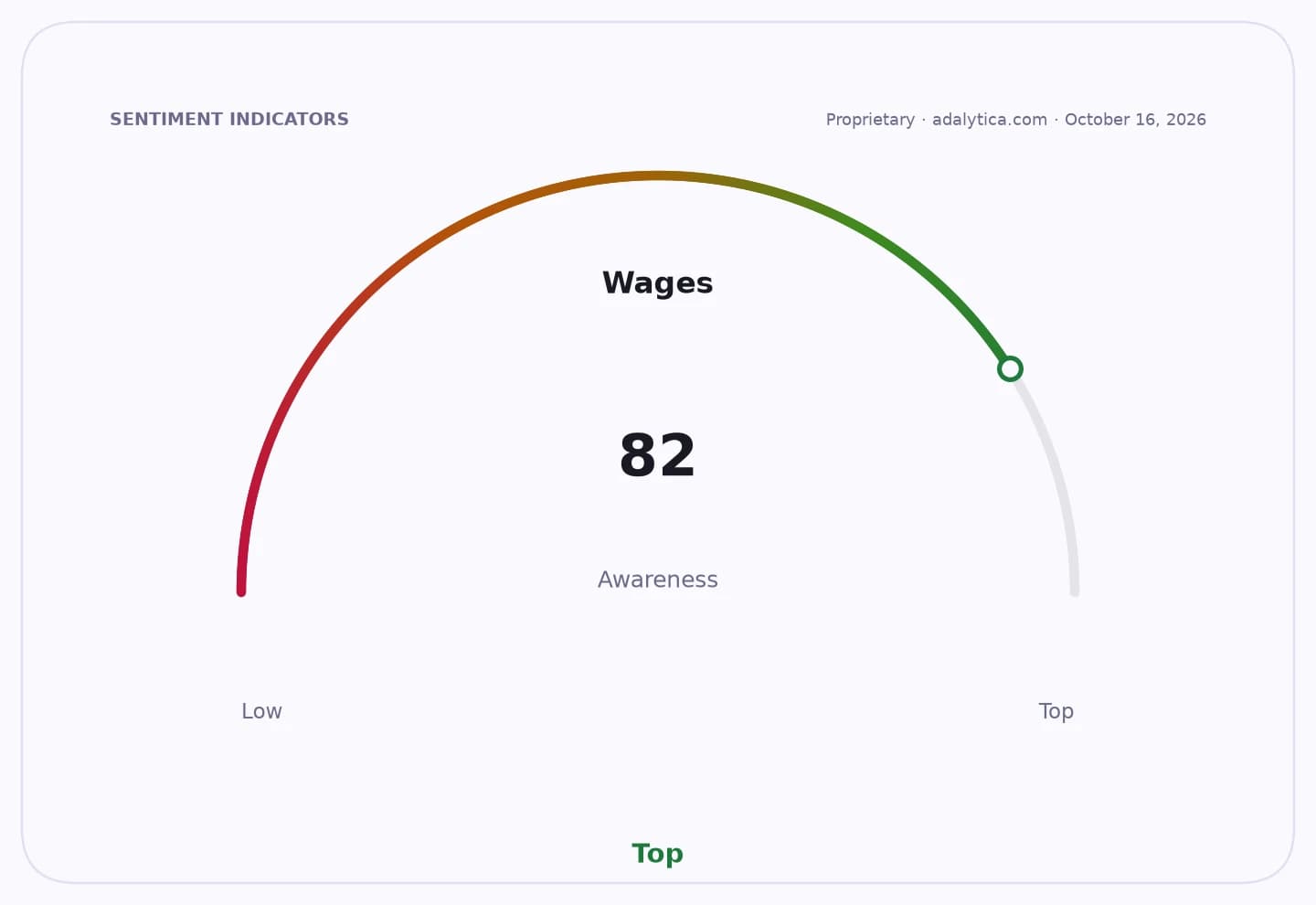
Sentiment IndicatorsⓘProprietary · adalytica.com · October 16, 2026
This is a snapshot — live sentiment, awareness and momentum for 130+ markets update continuously in the dashboard.Open AlphaPulse
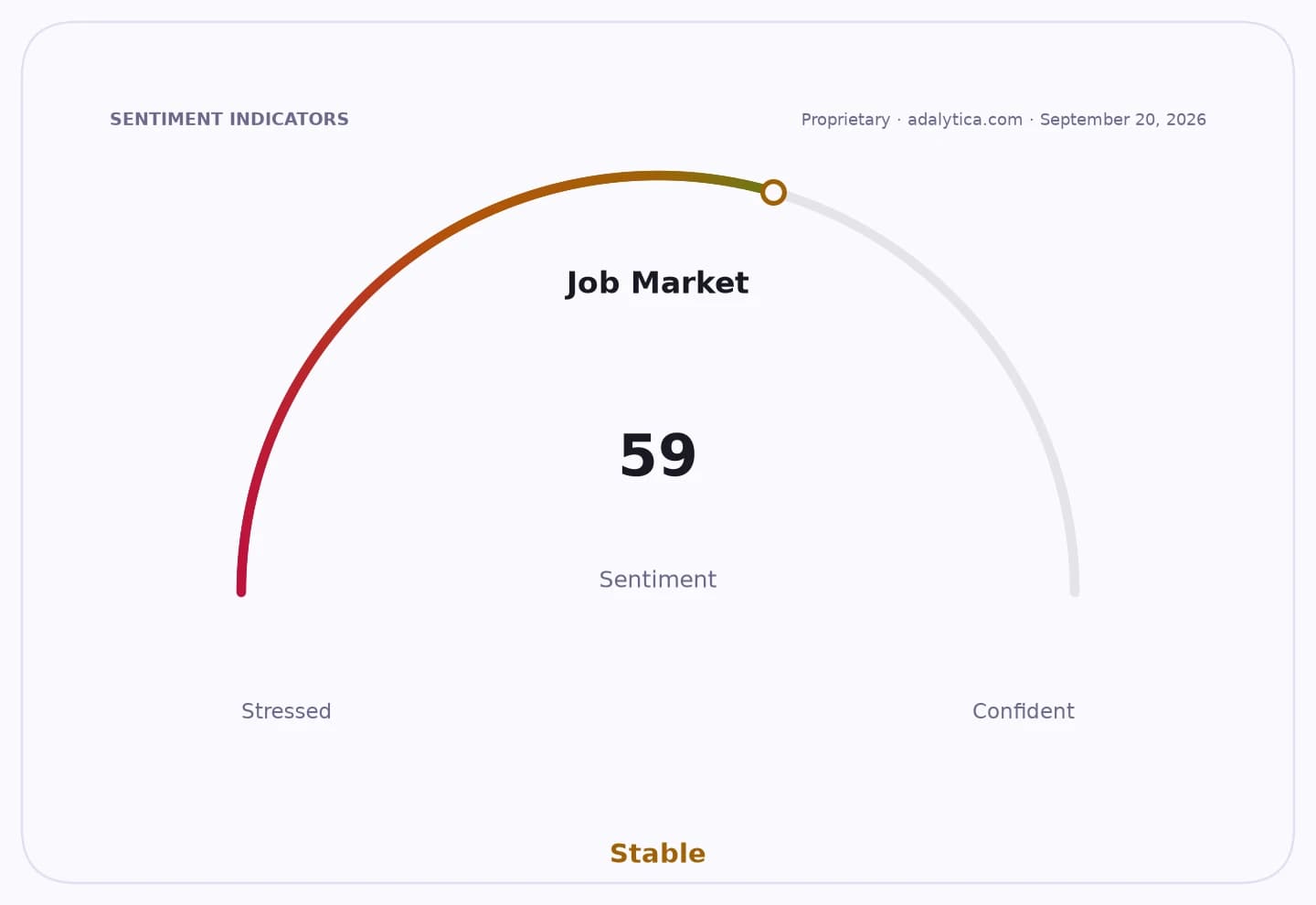
The pressure is building against a backdrop of continued labour strength. The unemployment rate in Poland was forecast at 4.09% for October, down from 4.2% in September, while payrolls were seen at 159,085.5, extending a long period of high employment. Adalytica’s Job Market Sentiment stood at 93, in “Extreme Greed,” underscoring the continued confidence around hiring conditions even as the mood around pay negotiations turns more cautious.
That makes next year’s wage round more contentious than the headline “symbolic” pay increases suggest. Workers are likely to argue that tight labour supply and solid employment justify larger nominal raises, while employers will point to margin pressure, slower productivity gains and the need to preserve flexibility ahead of tougher enforcement by the State Labour Inspectorate, or PIP, from 2027.
For investors, the significance is twofold. In labour-intensive sectors — retail, logistics, manufacturing and services — wage restraint could support profitability if it sticks. But if companies cannot hold the line and wages rise more quickly than planned, operating margins may come under pressure even as consumer spending gets a lift. The balance will shape earnings trajectories more than the exact size of any single pay award.
Inflation is the other key variable. With consumer prices forecast to edge slightly lower in October after a 0.65% monthly rise in September, inflation-linked raises would amount to only a limited real increase. That would suit employers trying to keep payroll growth in check, but it would also leave households with little extra purchasing power, making consumption recovery more fragile.
The broader narrative is that Poland’s labour market is still strong enough to keep workers negotiating, but not strong enough to guarantee meaningful real wage gains. If 2027 settlements do remain “symbolic,” as the seed headline puts it, the winners will be companies defending margins and the losers will be employees hoping for stronger pay growth and retailers counting on household demand.
| Entity | Gains | Losses |
|---|---|---|
| Employers | ▲Lower payroll pressure | ▼Employee morale |
| Workers | ▲Job security | ▼Real wage growth |
| Consumer companies | ▲Margin protection | ▼Sales upside |
| PIP / regulators | ▲Stronger enforcement | ▼Corporate pushback |