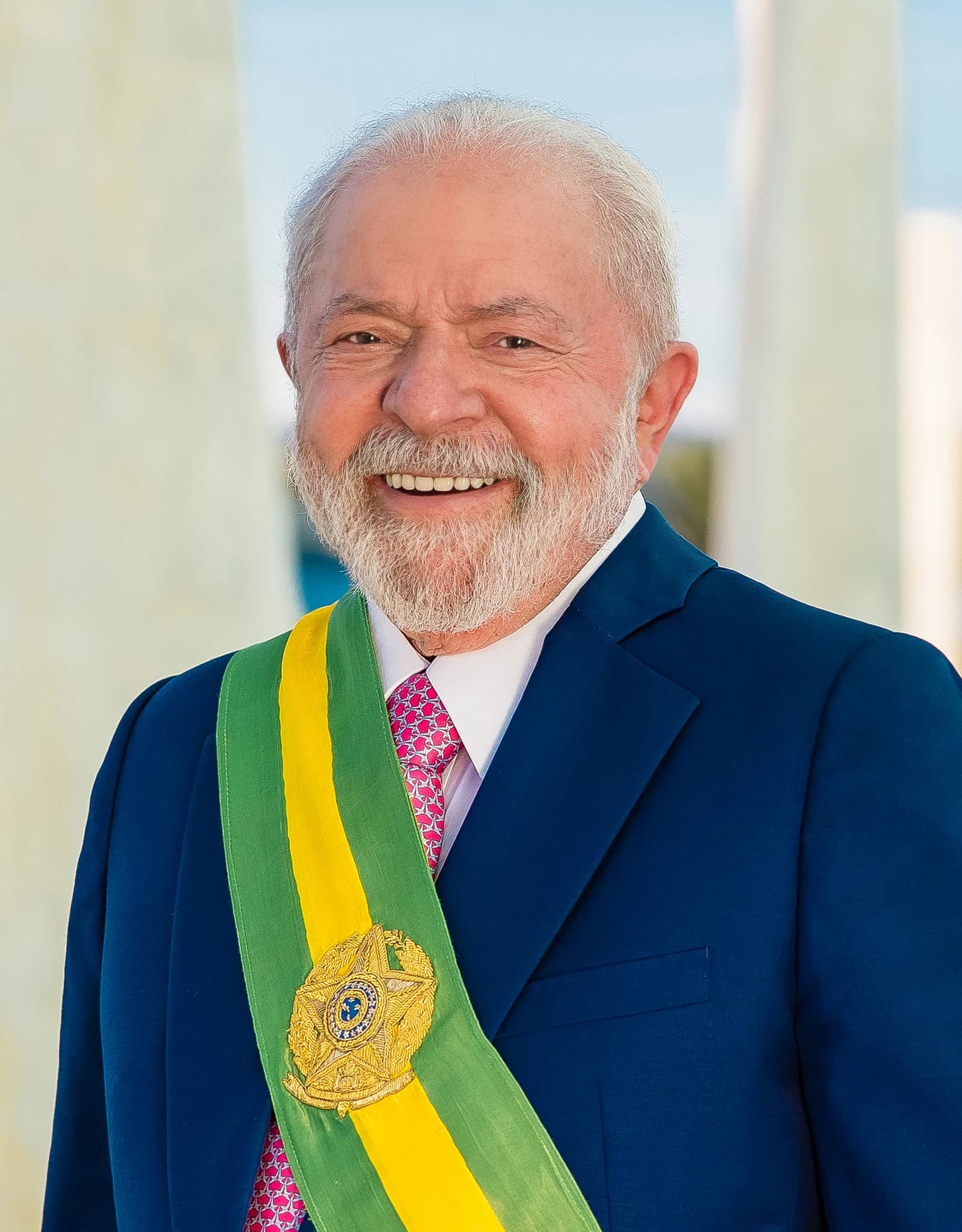
Brazilian President Luiz Inácio Lula da Silva arrived in Colombia under tight security, underscoring how the Amazon summit has become as much about regional stability as climate diplomacy.
Brazil, Colombia Amazon Summit Focuses on Security
His appearance in Bogotá comes as Colombian authorities contend with a fresh wave of guerrilla violence, including a bombing in Cali and a drone attack that brought down a helicopter in Antioquia, forcing President Gustavo Petro to frame the summit in explicitly security terms. For Lula, the trip is intended to reinforce Brazil’s claim to leadership of the Amazon agenda, but it is also a test of whether South American governments can keep cooperation moving despite rising threats from armed groups and narcotrafficking networks.
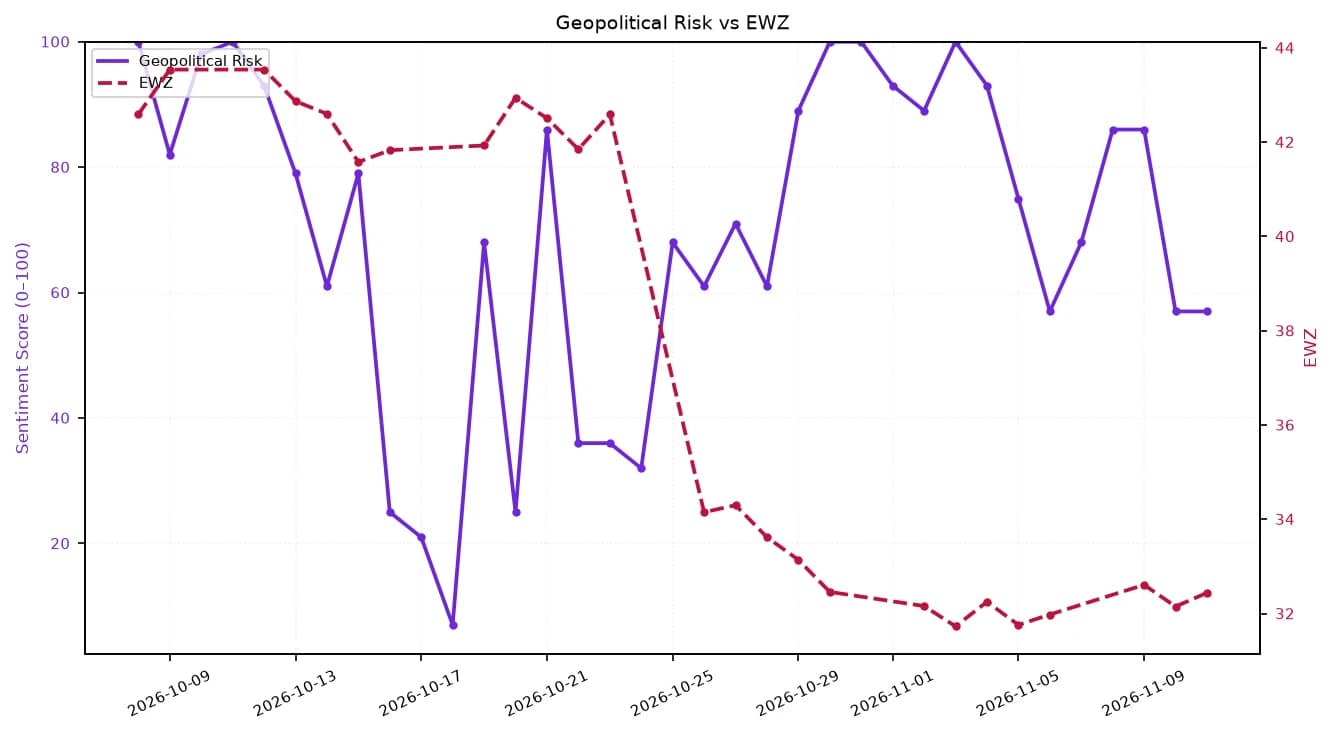
Sentiment Indicators
The timing matters economically because the Amazon basin sits at the intersection of trade, energy, agriculture and environmental policy. Brazil’s stewardship of the summit gives it leverage to shape cross-border coordination on deforestation, infrastructure and investment flows across the region. That can influence financing for roads, ports, power projects and commodity supply chains that depend on the stability of the Amazon corridor, while also affecting the regulatory outlook for exporters and resource companies exposed to environmental scrutiny.
Petro’s decision to ask for a minute of silence for the 12 victims of the attacks and to seek international designation of criminal gangs as terrorists highlights how security risk is now central to the region’s policy agenda. He said dissident factions linked to Iván Mordisco, as well as the Gulf Clan and Segunda Marquetalia, show their terrorist character through violent acts and should be investigated and prosecuted internationally. That language signals a harder line from Colombia at a moment when governments are under pressure to show they can protect territory, transport routes and investment zones.
For investors, the message is twofold. On one hand, deeper Brazil-Colombia engagement and broader regional diplomacy could support trade and cooperation, particularly if it reduces friction around logistics, border security and environmental enforcement. On the other, the security backdrop raises the cost of operating in parts of northern South America and keeps a premium on political risk for infrastructure, agribusiness, mining and energy projects tied to the Amazon region.
The broader narrative is one of regional integration proceeding under duress. Lula’s presence in Bogotá suggests Brazil wants to project calm and leadership, but the heavy protection around the summit shows how fragile that ambition remains. The next test will be whether the meeting produces practical commitments on security coordination and Amazon governance that can outlast the latest flare-up in violence.
| Entity | Gains | Losses |
|---|---|---|
| Brazil | ▲Regional leadership role | ▼Security and diplomatic risk |
| Colombia | ▲International support | ▼Higher instability costs |
| Armed groups | ▲Tactical disruption | ▼More international pressure |
| Investors in Amazon-linked projects | ▲Potential policy clarity | ▼Elevated operating risk |