Brazil has offered to help Colombia respond to a strong earthquake, turning a localized emergency into a test of regional disaster coordination at a time when Andean and Central American governments are already stretched by recent seismic activity.
Brazil Offers Colombia Earthquake Assistance
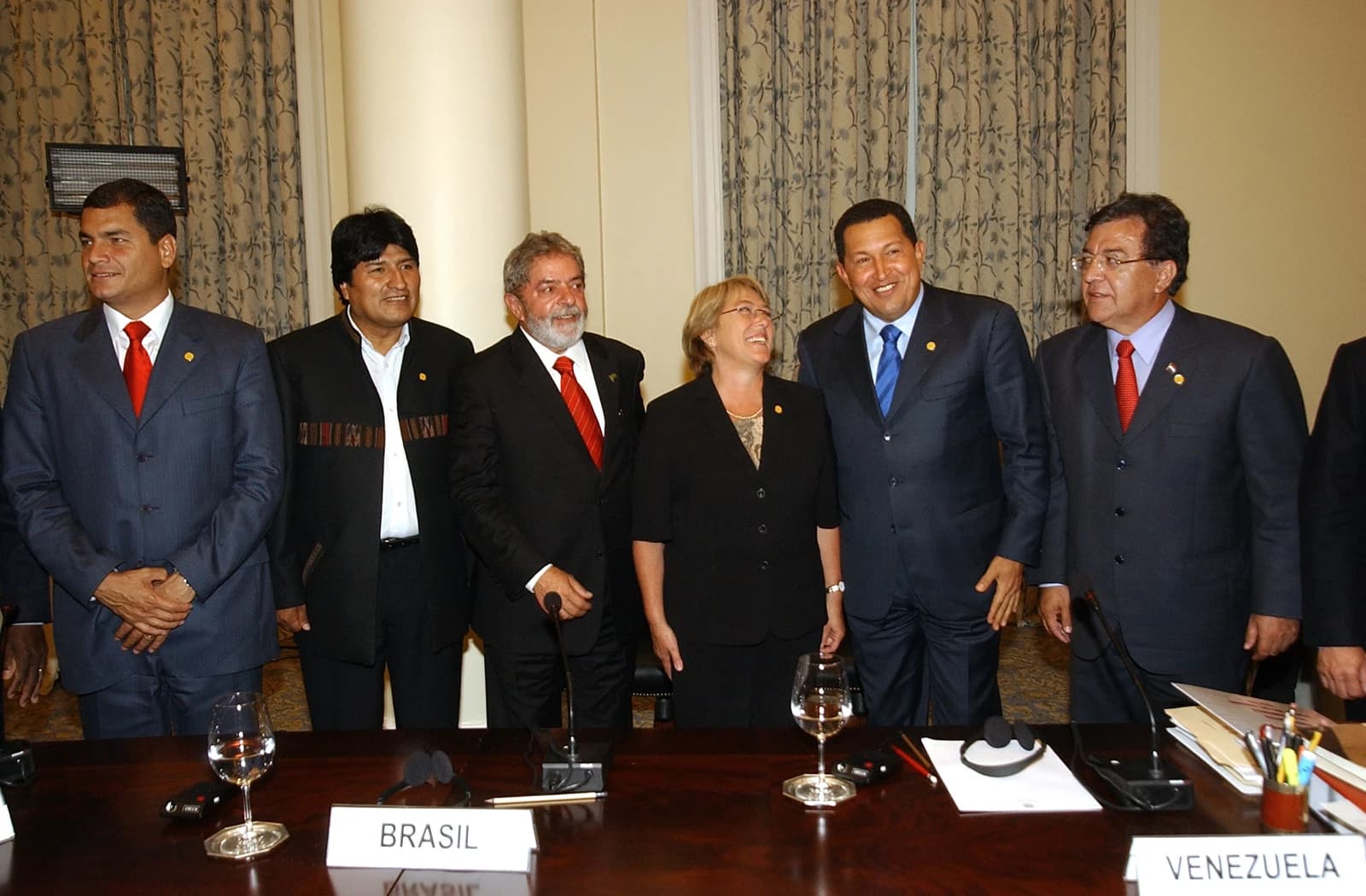
President Luiz Inácio Lula da Silva expressed solidarity with victims of the quake and put Brazil at Colombia’s disposal for emergency support, according to the Brazilian foreign ministry. The epicentre was in Colombia’s Chocó department, and Itamaraty said there were no Brazilians among the victims, with consular assistance still available.
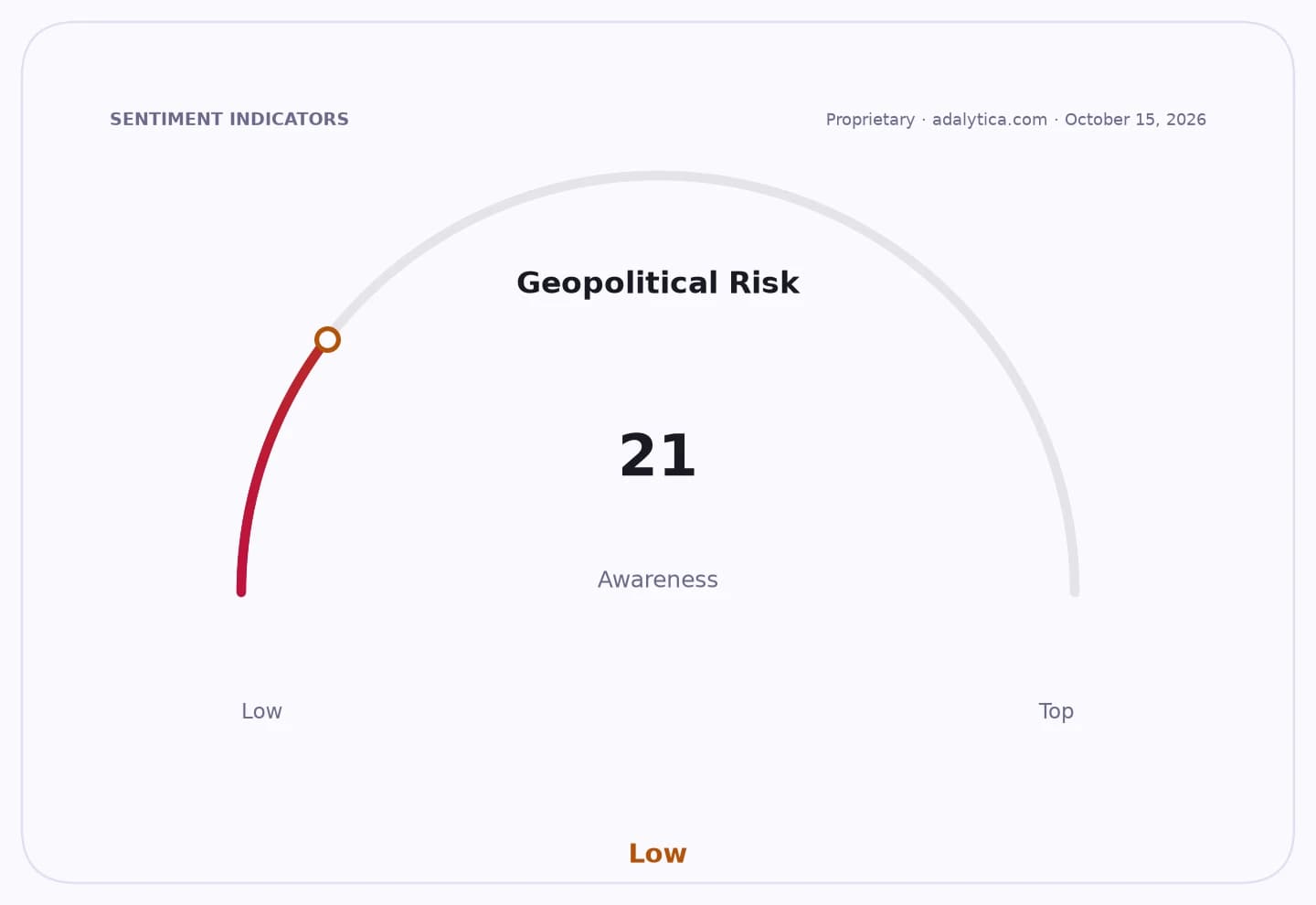
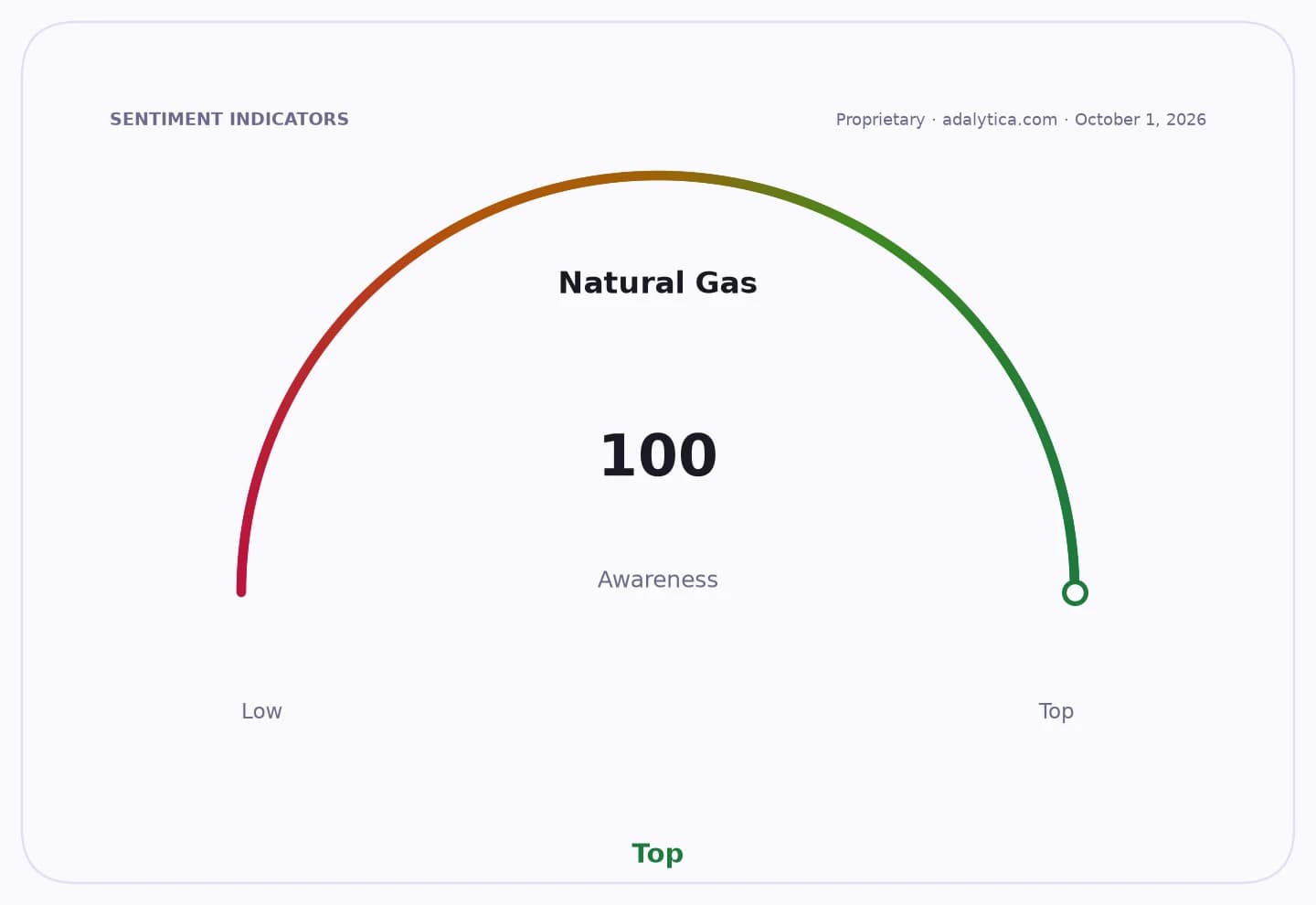
Sentiment IndicatorsⓘProprietary · adalytica.com · October 15, 2026
This is a snapshot — live sentiment, awareness and momentum for 130+ markets update continuously in the dashboard.Open AlphaPulse
The immediate economic impact of Brazil’s offer is likely limited, but the political and practical significance is broader. Disaster response in Latin America often hinges on rapid cross-border support for search, rescue, logistics and temporary humanitarian aid, especially in remote regions where local infrastructure and emergency capacity can be thin. By signalling readiness to help, Brasília reinforces a regional pattern of mutual assistance that can reduce the humanitarian cost of shocks and speed the return to normal activity.
For investors, the main relevance is indirect. Earthquakes rarely move Brazilian or Colombian asset markets on their own unless damage is severe enough to disrupt transport, energy, mining or fiscal balances. The market question is whether the quake becomes another drag on confidence in a region already coping with repeated natural disasters. The latest Adalytica Global Stability Sentiment snapshot fell to 61 from 79 a day earlier, with awareness still in “fear” territory, underscoring how quickly risk perception can deteriorate even when immediate damage appears contained.
The data suggest the broader region remains on alert. Colombia has already been dealing with seismic disturbances in recent days, while Panama suffered a much stronger quake that caused injuries and destruction, prompting international assistance. Colombia’s own pledge of $300,000 to Panama earlier this month highlights how disaster diplomacy is becoming a recurring feature of regional policy, not just a one-off response.
Brazil’s gesture also has a geopolitical dimension. Lula has positioned Brazil as a regional stabilizer and humanitarian partner, and offers of assistance help reinforce that role without requiring hard-power commitments. For Colombia, outside help can ease pressure on emergency services and speed coordination with local authorities, particularly if aftershocks, infrastructure checks or displacement become more serious than first reported.
The key investor takeaway is that the shock is currently more about regional resilience than macroeconomic damage. Unless casualty estimates rise or damage spreads into transport, utilities or mining assets, the event is more likely to influence sentiment than earnings. The next focus will be the scale of Colombia’s emergency response, whether foreign assistance is accepted, and whether the earthquake adds to a wider pattern of climate and geophysical risk that investors increasingly have to price into Latin American exposure.
| Entity | Gains | Losses |
|---|---|---|
| Colombia government | ▲International support | ▼Emergency response burden |
| Brazil government | ▲Regional leadership image | ▼Diplomatic bandwidth |
| Affected communities | ▲Humanitarian aid | ▼Safety and disruption |
| Investors in Colombia exposure | ▲Potential stability from aid | ▼Disaster-risk premium |