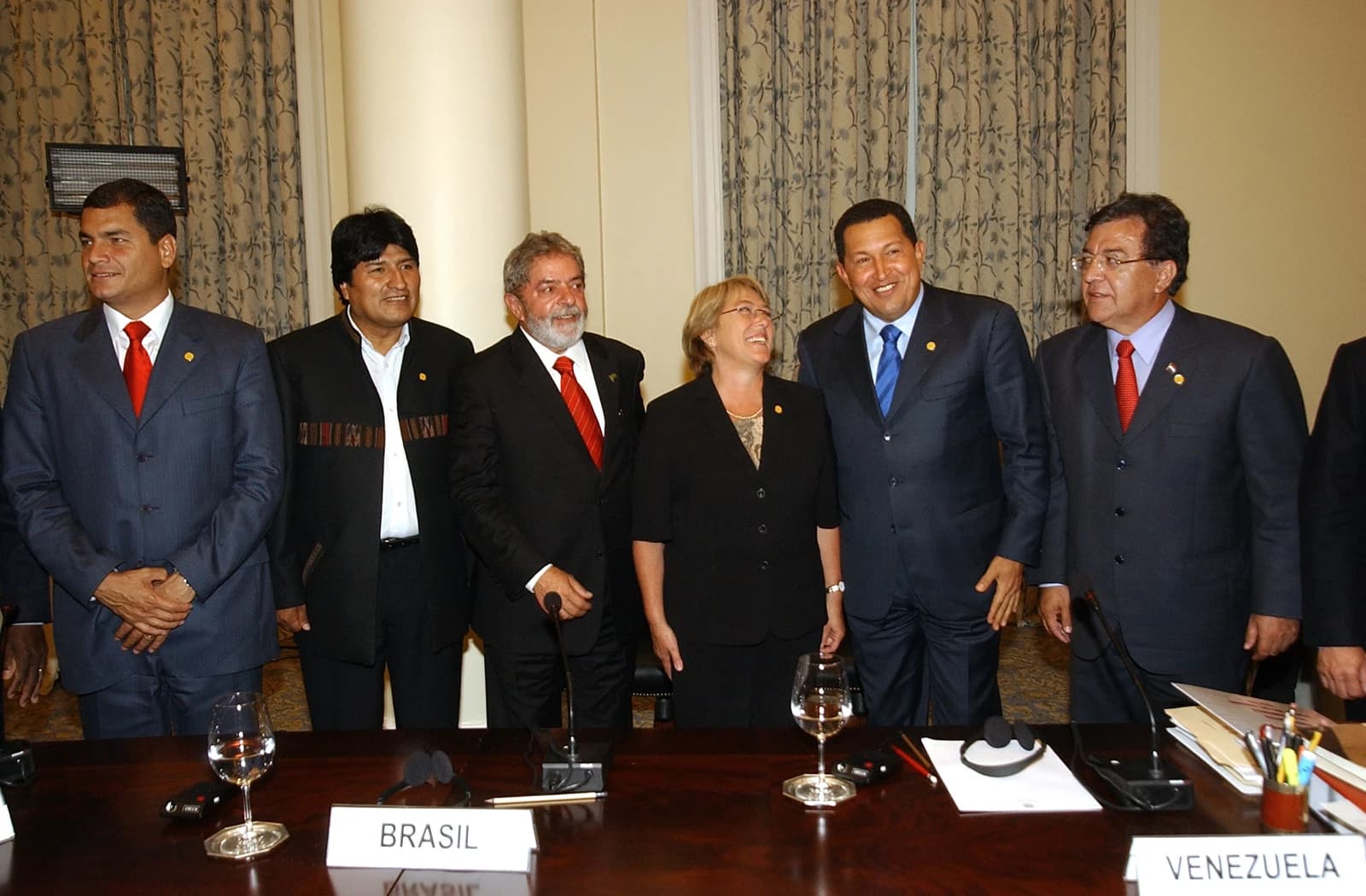
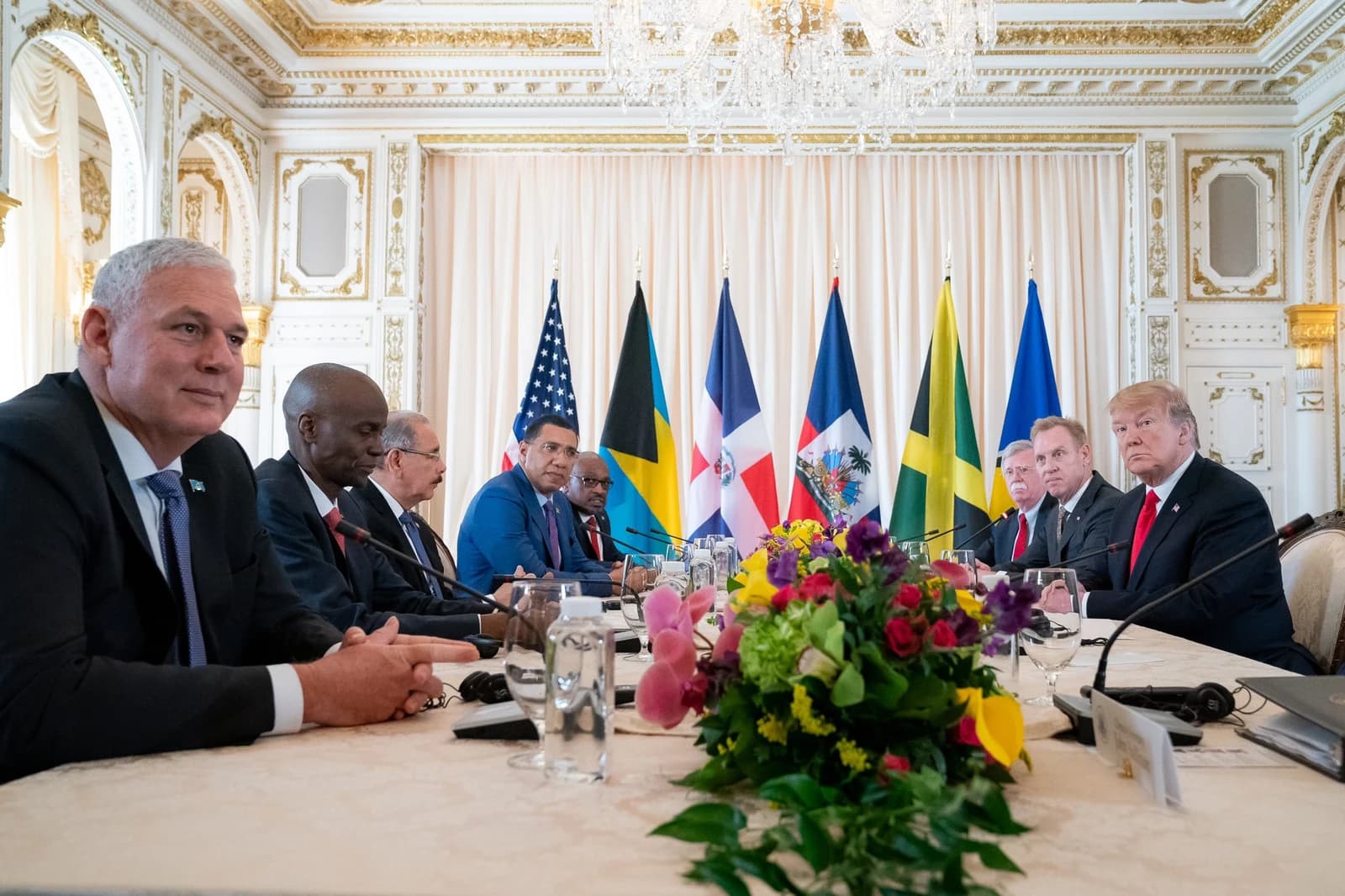
Brazil’s Luiz Inácio Lula da Silva is elevating tensions with Washington over the U.S. military presence in the Caribbean, arguing the buildup is a dangerous precedent for regional sovereignty and a direct security concern for Brazil.
Brazil Lula Tensions Rise Over U.S. Caribbean Presence
That matters because the dispute is no longer just rhetorical diplomacy. Lula has framed the U.S. action in Venezuela as a violation of international law, a threat to multilateral norms and an “inacceptable” crossing of a red line, while Brazil has taken the issue to an extraordinary U.N. Security Council meeting. For investors, the message is that Latin America’s largest economy wants to contain the shock politically before it bleeds into trade, energy and risk assets.
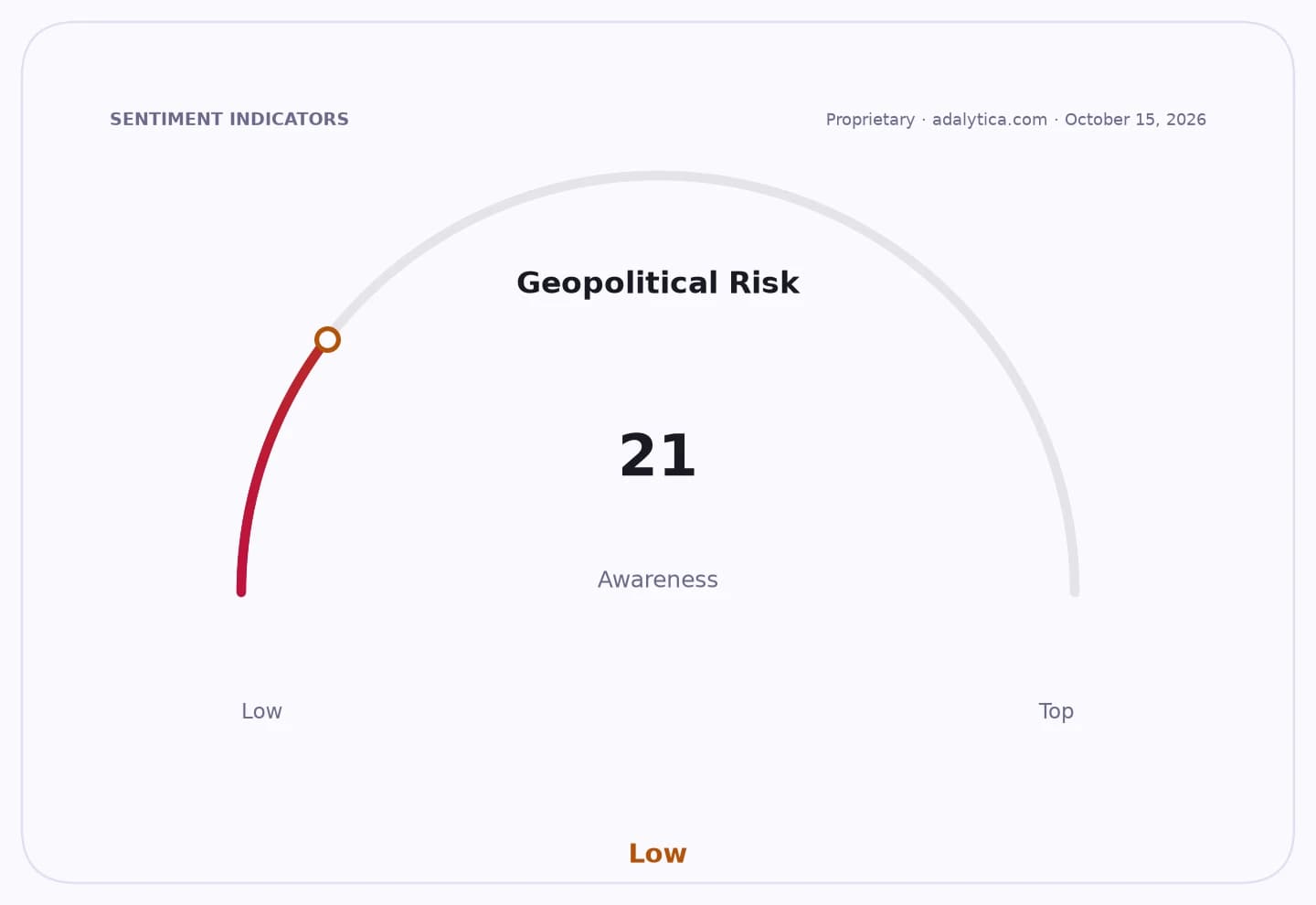
Sentiment IndicatorsⓘProprietary · adalytica.com · October 15, 2026
This is a snapshot — live sentiment, awareness and momentum for 130+ markets update continuously in the dashboard.Open AlphaPulse
The catalyst is the deepening crisis around Venezuela after what Brazilian officials described as a U.S. military operation that led to Nicolás Maduro’s capture. Brasília says any change in Caracas must come through internal political processes, not force, and has warned that unilateral intervention could normalize regime-change tactics across the region. That is why Lula is pushing for direct talks with U.S. President Donald Trump even as he says he is “worried” by the strong U.S. military footprint in Caribbean waters.
The economic significance is broader than diplomacy. A wider confrontation would raise the risk premium across the region, complicate shipping and energy flows, and unsettle already fragile Latin American integration. Brazil shares a long border with Venezuela, so any spillover would not stay contained inside Venezuelan territory. It could tighten financial conditions for the region, weigh on travel and cross-border commerce, and keep investors demanding a higher return for holding Latin American assets.
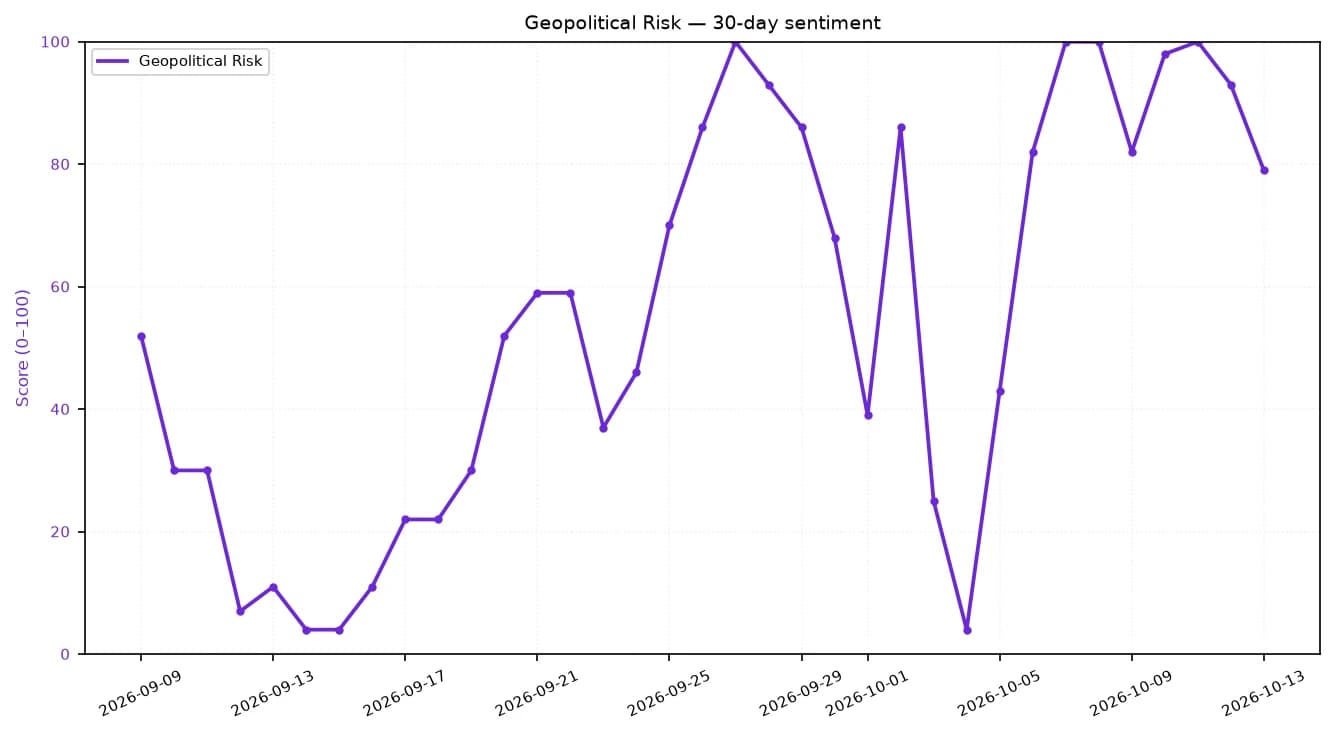
Geopolitical Risk — 30-day sentimentadalytica.com
Explore this data interactively — full history, time series and cross-market comparisons.Open AlphaPulse
Brazil’s own market has been signaling that investors are paying attention. The iShares MSCI Brazil ETF, EWZ, has climbed to $42.60 from $35.47 on July 29, but the rally has left it technically stretched, with the 14-day RSI at 77.2 and the fund trading near the upper end of its Bollinger Band range. That is not a reason to panic, but it does suggest the market is vulnerable to headline risk if the standoff with Washington hardens or expands beyond Venezuela.
Petrobras, meanwhile, shows where investors are still willing to lean into the theme. The stock closed at $25.94, its latest move extending a powerful run that has left it well above both the 50-day and 200-day moving averages. That reflects the market’s appetite for Brazilian energy exposure, but it also highlights a classic geopolitics trade: when Latin American instability rises, the market often buys the commodity-linked names first and then reassesses the broader country risk later.
Adalytica’s Global Stability Sentiment gauge has slipped to 61 from 93 over the past week, with awareness in “fear” territory, underscoring how quickly the market is repricing geopolitical calm. That kind of move rarely stays isolated to one headline. It tends to feed into currencies, sovereign spreads and sector rotation, especially when the story involves the U.S., Venezuela and a large regional power like Brazil.
Our thesis is simple: the market underestimates how much Brazil can matter as a geopolitical stabilizer — or destabilizer — in Latin America. Lula is trying to position Brazil as the voice of moderation, but the real investable question is whether this crisis stays a diplomatic clash or becomes a broader regional risk event. If the U.S. military footprint in the Caribbean persists, expect more volatility in Latin American equities, a stronger bid for defense and energy narratives, and renewed pressure on tourism and trade-sensitive economies. The best way to play it is to stay selective: favor cash-generating commodity and infrastructure exposure, and be cautious on assets that depend on a quick return to regional calm.
| Entity | Gains | Losses |
|---|---|---|
| Petrobras (PBR) | ▲geopolitics premium | ▼broader Brazil risk |
| EWZ holders | ▲commodity tilt | ▼headline volatility |
| U.S. security hawks | ▲leverage in region | ▼diplomatic trust |
| Caribbean tourism economies | ▲little near-term gain | ▼visitor demand, stability |