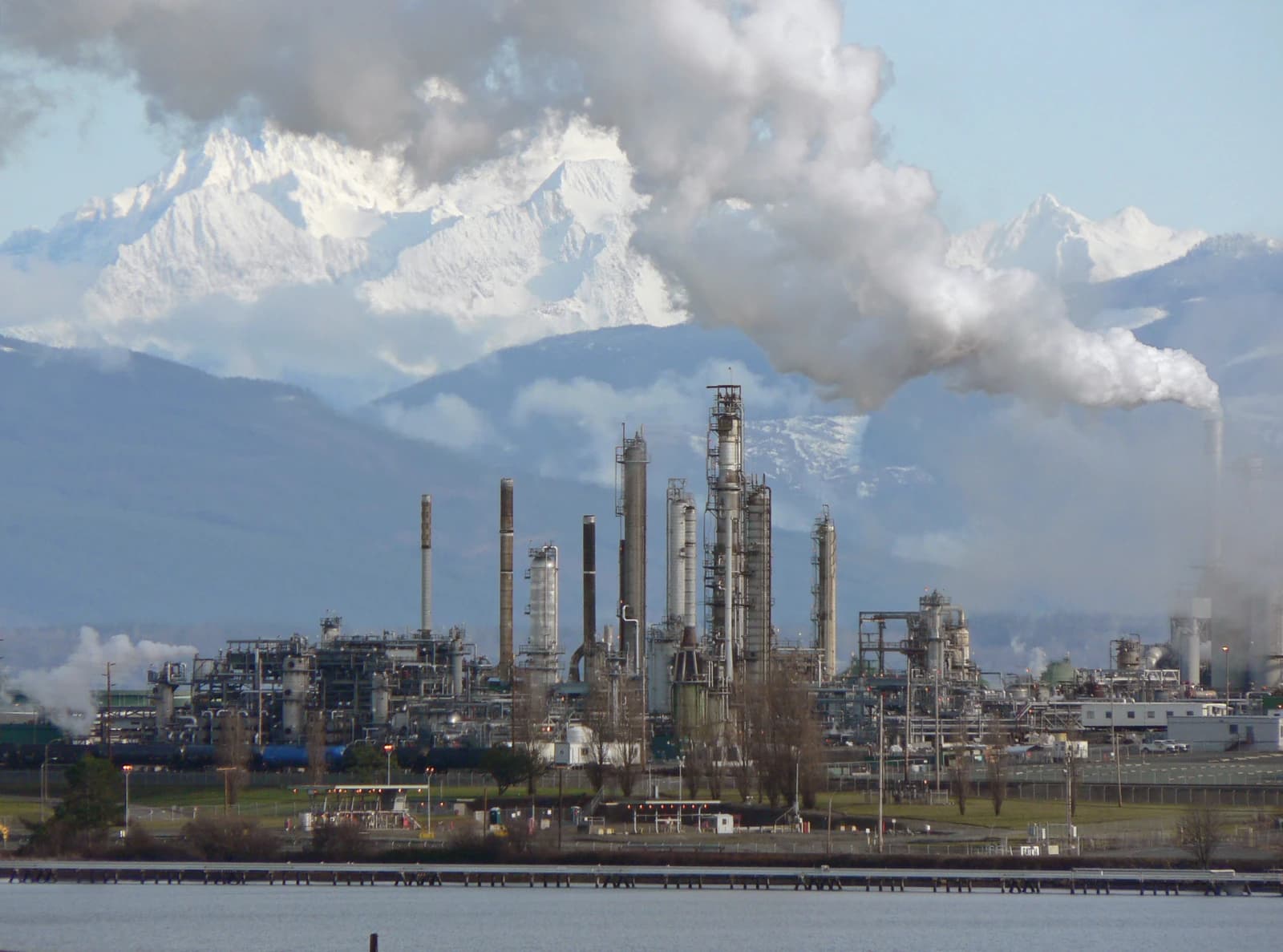
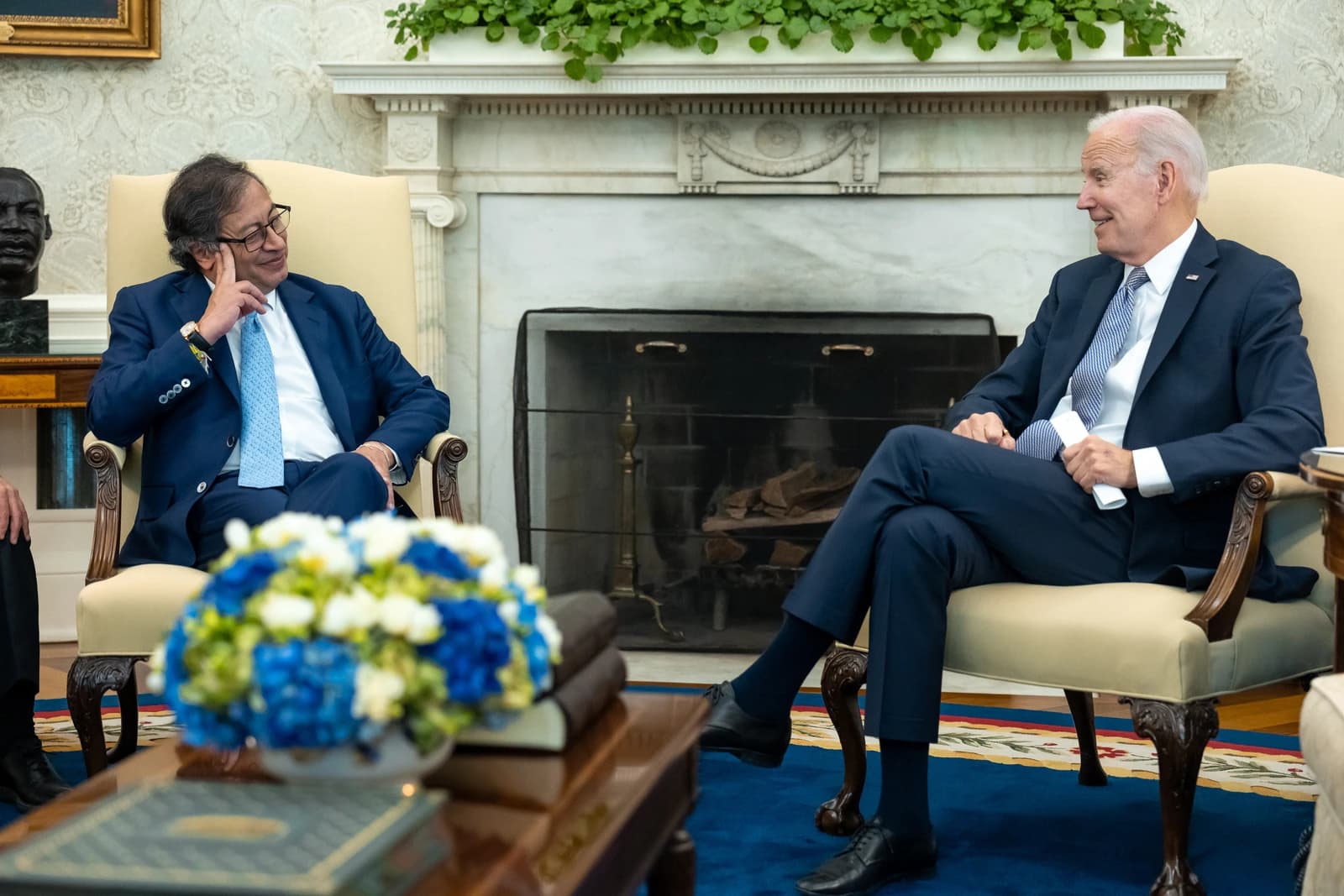
Latin American stocks and currencies edged lower as softer crude prices undercut one of the region’s key support pillars, while investors waited for clarity from Donald Trump’s talks with global leaders on trade and geopolitics.
Latin American Stocks Fall as Oil and Yields Weigh
The move matters because commodity prices remain central to Latin America’s external balances, fiscal accounts and equity earnings. When oil retreats, it eases some inflation pressure for importers and can support central banks, but it also dents the terms of trade for exporters and reduces the cash flow backdrop for markets such as Brazil and Mexico that are heavily exposed to global risk appetite.
Sentiment IndicatorsⓘProprietary · adalytica.com · September 27, 2026
This is a snapshot — live sentiment, awareness and momentum for 130+ markets update continuously in the dashboard.Open AlphaPulse

Brent and WTI have drifted lower in recent sessions, with the U.S. benchmark seen near $94.13 a barrel in the latest forecast after trading around $96.41, adding to pressure on commodity-linked assets. That comes alongside a sharp backup in U.S. yields, with the 10-year Treasury rising to 5.18% from 4.96%, a combination that tends to tighten financial conditions for emerging markets and encourage investors to trim carry and equity exposure.
Brazil’s EWZ ETF slipped to $36.82 from $37.37 the prior session, while Mexico’s EWW fell to $73.34 after briefly trading at $72.51. Both funds remain above their 50-day averages, but momentum has cooled: EWZ’s RSI has dropped to 40.8 from overbought territory earlier this month, and EWW’s RSI is down to 34.1, reflecting a more fragile near-term tone. China’s FXI also weakened to $33.96, with its RSI at 31.0, underscoring a broader pullback in emerging-market sentiment rather than a country-specific shock.
The dollar backdrop is mixed but still important for the region. Adalytica’s U.S. dollar trade signals show neutral sentiment at 55, but awareness remains in “extreme fear,” suggesting investors are still sensitive to abrupt swings in the currency that can quickly reprice Latin American FX and local assets. A firmer dollar and higher U.S. rates typically hit high-beta markets first, especially when risk appetite is already being tested by geopolitics.
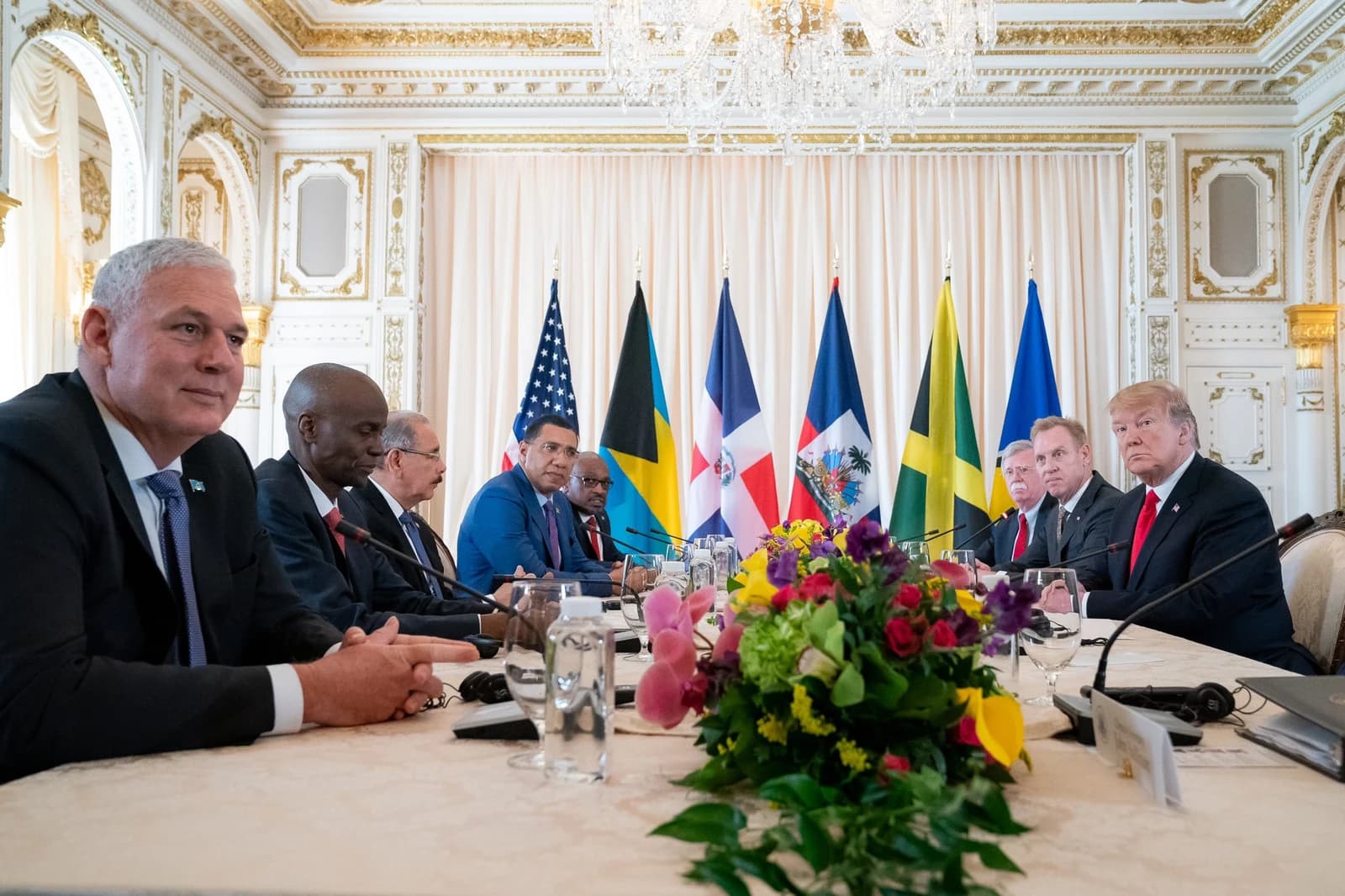
Trump’s discussions with global leaders add another layer of uncertainty. For LatAm markets, the relevance is not just diplomatic theater: trade, sanctions, supply chains and energy policy can all feed directly into commodity prices, currencies and export earnings. If those talks point toward calmer trade relations or lower geopolitical friction, commodity producers and equity markets could recover. If they instead reinforce volatility around tariffs, shipping lanes or energy flows, the region’s currencies and equities are likely to stay under pressure.
For now, the market message is straightforward: softer commodities are removing a tailwind, U.S. yields are rising, and investors are waiting to see whether the geopolitical backdrop improves or worsens before adding risk back into Latin America.
| Entity | Gains | Losses |
|---|---|---|
| Commodity importers | ▲Lower fuel costs | ▼Exporters’ revenue |
| Brazil and Mexico equities | ▲Mild inflation relief | ▼Softer commodity earnings |
| Latin American FX | ▲Less imported inflation | ▼Weaker risk appetite |
| U.S. Treasuries / dollar | ▲Higher yield support | ▼Emerging-market carry trades |