Brazil has reduced its diplomatic presence in Argentina after President Javier Milei repeatedly called Luiz Inácio Lula da Silva a “thief,” a sharp escalation that risks complicating South America’s two biggest economies at a time of broader political and foreign-policy strain in Brasília.
Brazil Cuts Diplomatic Ties With Argentina
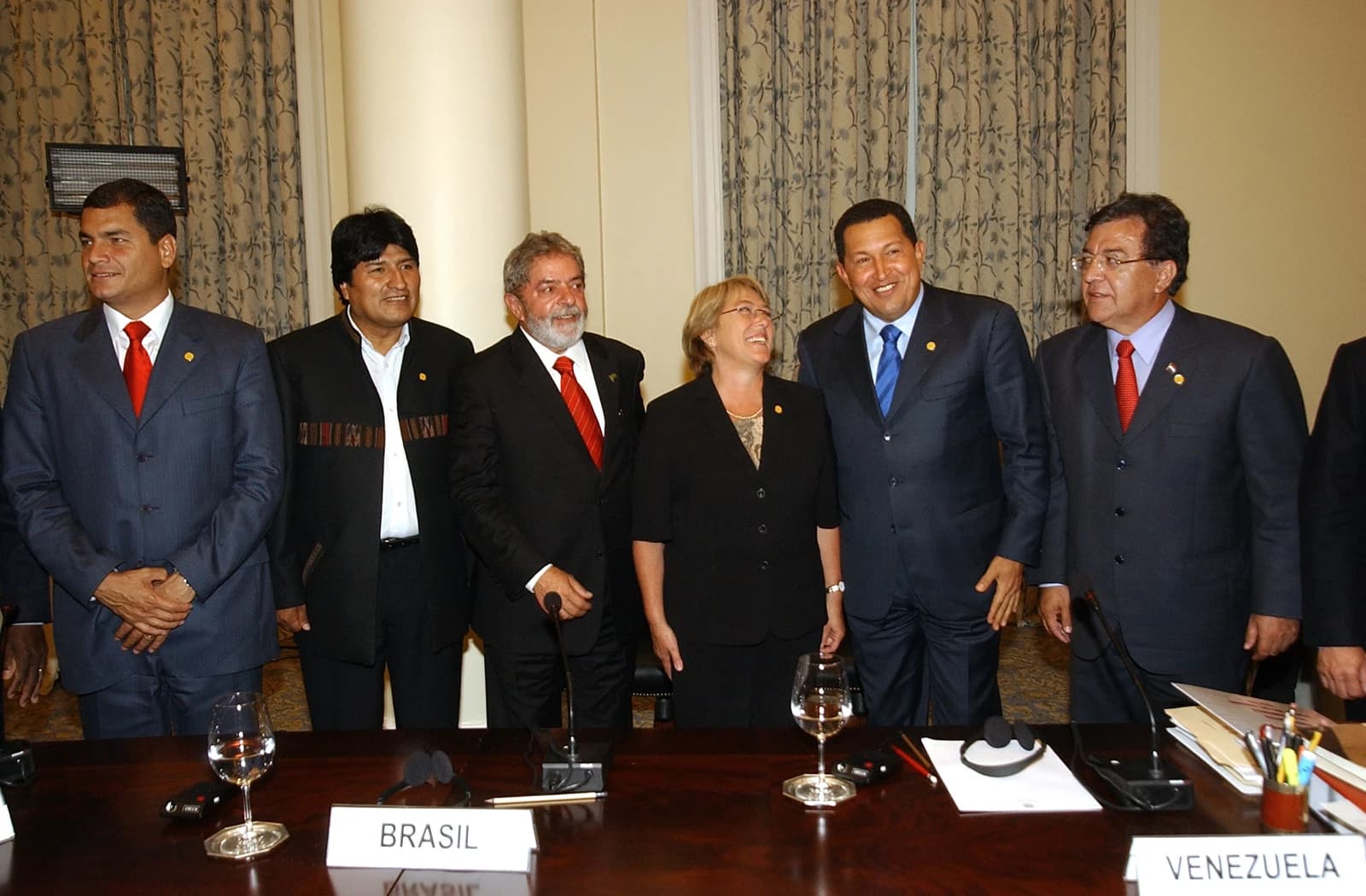
The downgrade matters because Brazil and Argentina are central to regional trade, investment and industrial supply chains, and even a limited diplomatic freeze can slow coordination on trade, border, energy and multilateral issues. For investors, the immediate market impact is likely indirect, but the widening rift adds another layer of uncertainty around the policy outlook in a region already contending with election risk, shifting alliances and fragile external confidence.
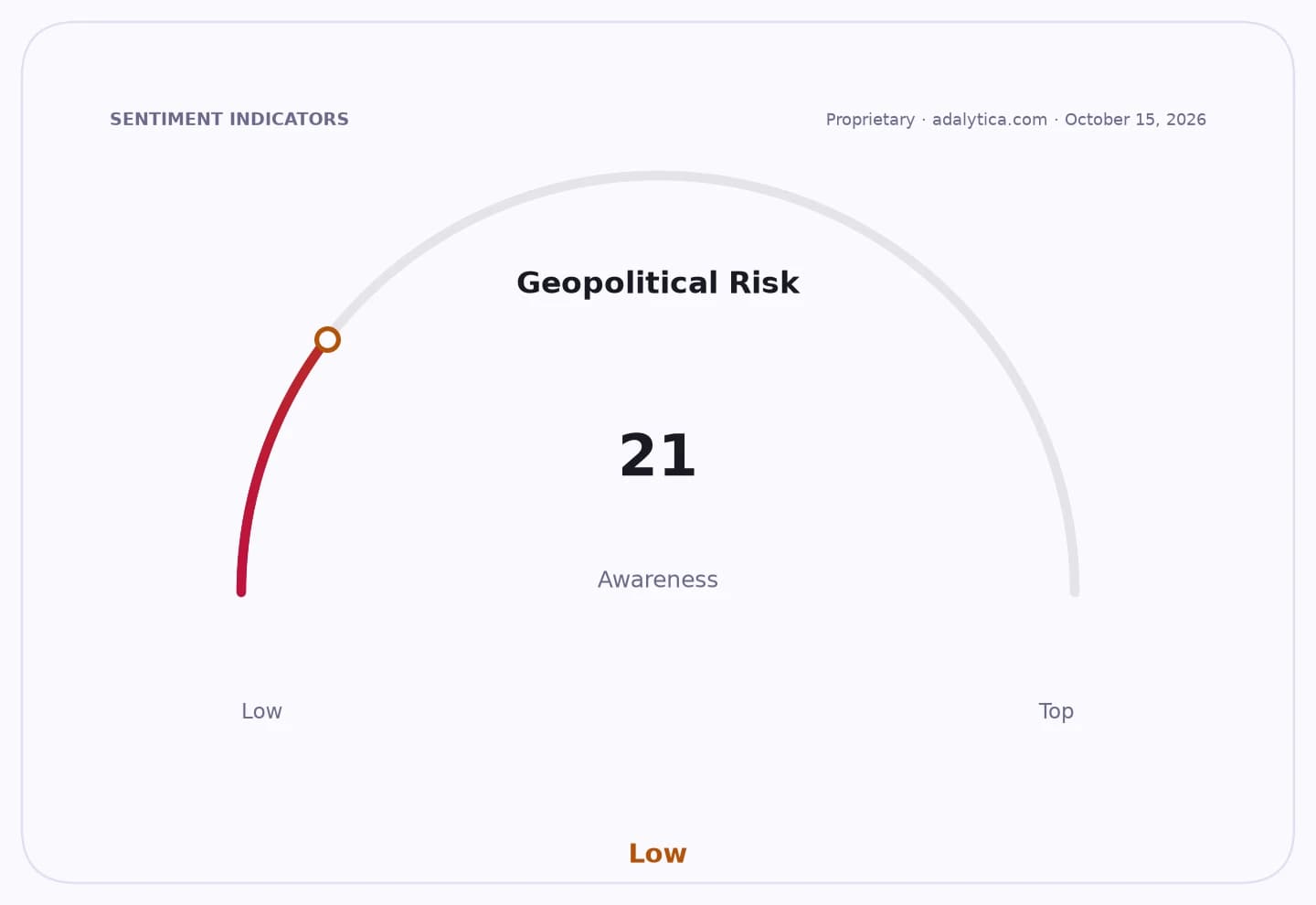
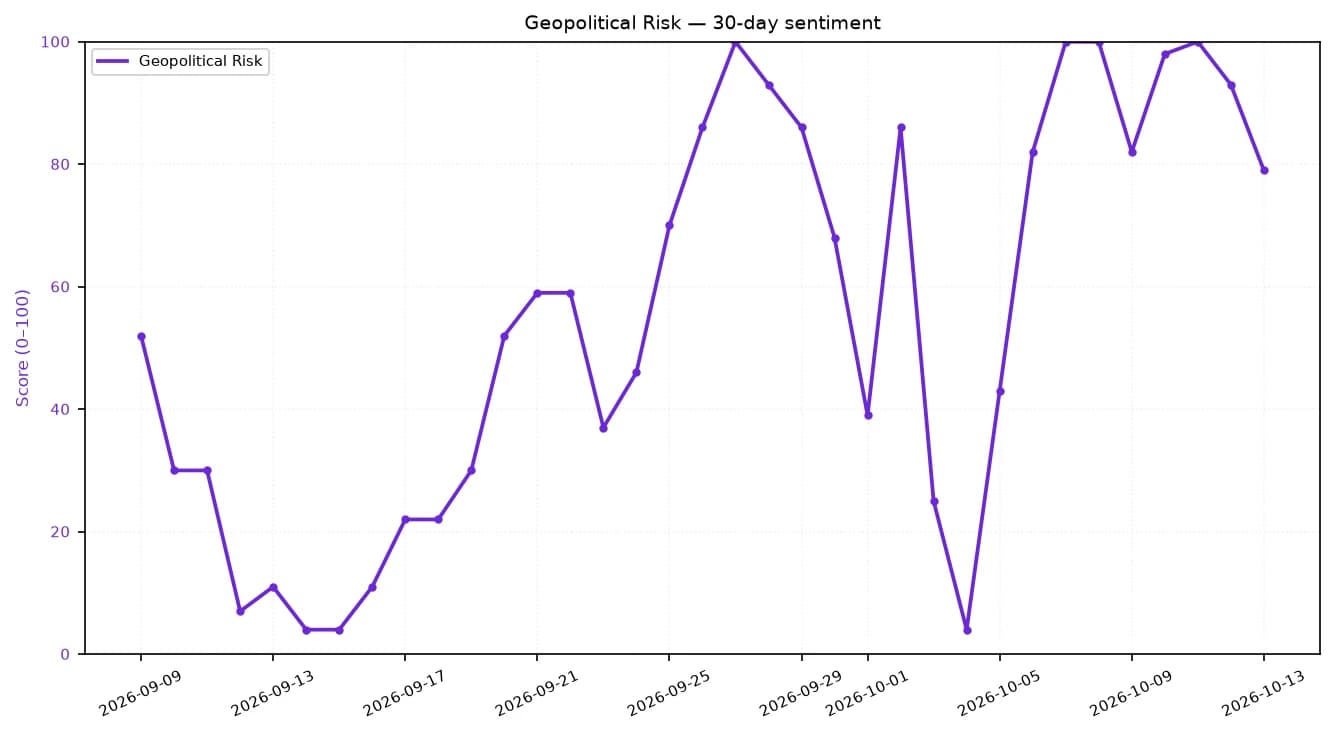
Sentiment IndicatorsⓘProprietary · adalytica.com · October 15, 2026
This is a snapshot — live sentiment, awareness and momentum for 130+ markets update continuously in the dashboard.Open AlphaPulse
Brazil said its ambassador in Buenos Aires, Julio Bitelli, would not return while Milei continued what Brasília described as aggressive remarks toward Lula. Since then, Brazilian interests in Argentina have been represented by a chargé d’affaires, a step that is unusual for two neighboring states that traditionally keep dense diplomatic channels even during political disagreements.
The move followed repeated public insults from Milei, who, according to a Brazilian foreign ministry spokesman cited by the Associated Press, referred to Lula as a thief three times since July 26. Milei had already intensified the feud on July 25 at a convention tied to senator Flávio Bolsonaro, when he also attacked Brazil’s Supreme Court Justice Alexandre de Moraes, calling him “trash” after the judge rejected his request to visit former president Jair Bolsonaro, who is under house arrest serving a 27-year sentence for attempting a coup.
The dispute is more than a personal clash. It reflects the ideological split between Lula’s left-leaning administration and Milei’s libertarian government, which has cultivated a far closer relationship with the United States than with Brazil’s current leadership. That alignment matters because Argentina and Brazil are both major players in Mercosur and key counterparties in regional industrial trade, from autos to agriculture and energy equipment.
The diplomatic downgrade also comes as Lula faces a separate strain in relations with Washington. The U.S. State Department revoked the visa of Brazil’s ambassador in Washington, Maria Luiza Ribeiro Viotti, after Brazil refused visas for two U.S. diplomats who had planned to travel ahead of Brazil’s October presidential election. That means Brasília is managing pressure on at least two fronts at once, raising the political cost of every foreign-policy move.
For Lula, the timing is awkward. He was formally declared a candidate for re-election at a Workers’ Party convention on Aug. 2, and the campaign season is amplifying nationalist and ideological rhetoric. For Milei, attacking Lula plays well with his domestic political brand and reinforces his break from the Peronist-era regional consensus.
The market response to the diplomatic row should remain limited unless it begins to affect trade flows or regulatory cooperation, but investors in Brazil-Argentina exposure will watch for signs of deeper friction in cross-border projects, customs procedures and energy coordination. A sustained breakdown could also weigh on sentiment toward companies with material operations or revenue exposure in both countries, especially in telecoms, industrials and consumer sectors.
For now, the key question is whether the dispute remains rhetorical or starts to spill into policy. If the two governments keep relations at chargé level for an extended period, that would mark a meaningful deterioration in South American diplomacy and make already difficult regional cooperation even harder to sustain.
| Entity | Gains | Losses |
|---|---|---|
| Milei government | ▲Domestic political positioning | ▼Diplomatic ties with Brasilia |
| Lula government | ▲Support from nationalist base | ▼Regional diplomatic bandwidth |
| Brazil-Argentina trade partners | ▲None material | ▼Smoother policy coordination |
| Investors in regional assets | ▲Short-term limited impact | ▼Risk of policy frictions |