Angola and Brazil are moving to tighten bilateral cooperation, a diplomatic push that could eventually translate into more trade, investment and political alignment between two of the biggest Portuguese-speaking economies.
Angola and Brazil Plan Closer Trade Ties
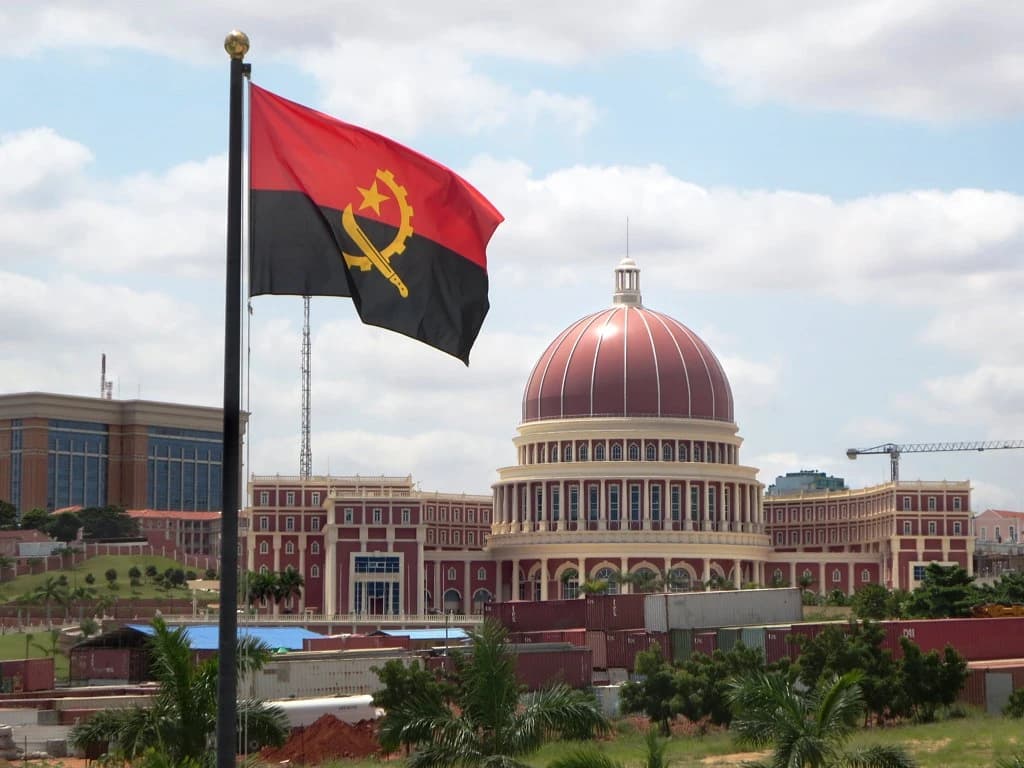
The immediate significance is less about ceremony than access. Angola wants a closer relationship with Brazil at a time when it is looking to diversify partners, attract capital and support job creation, while Brazil is clearly seeking a larger role in African markets. That matters because deeper state-to-state ties can make it easier for companies to win contracts, governments to coordinate on infrastructure and agriculture, and exporters on both sides to expand into markets that are familiar linguistically but still underpenetrated commercially.
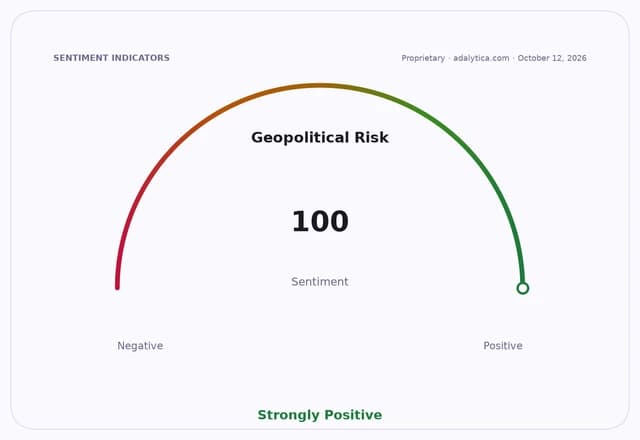
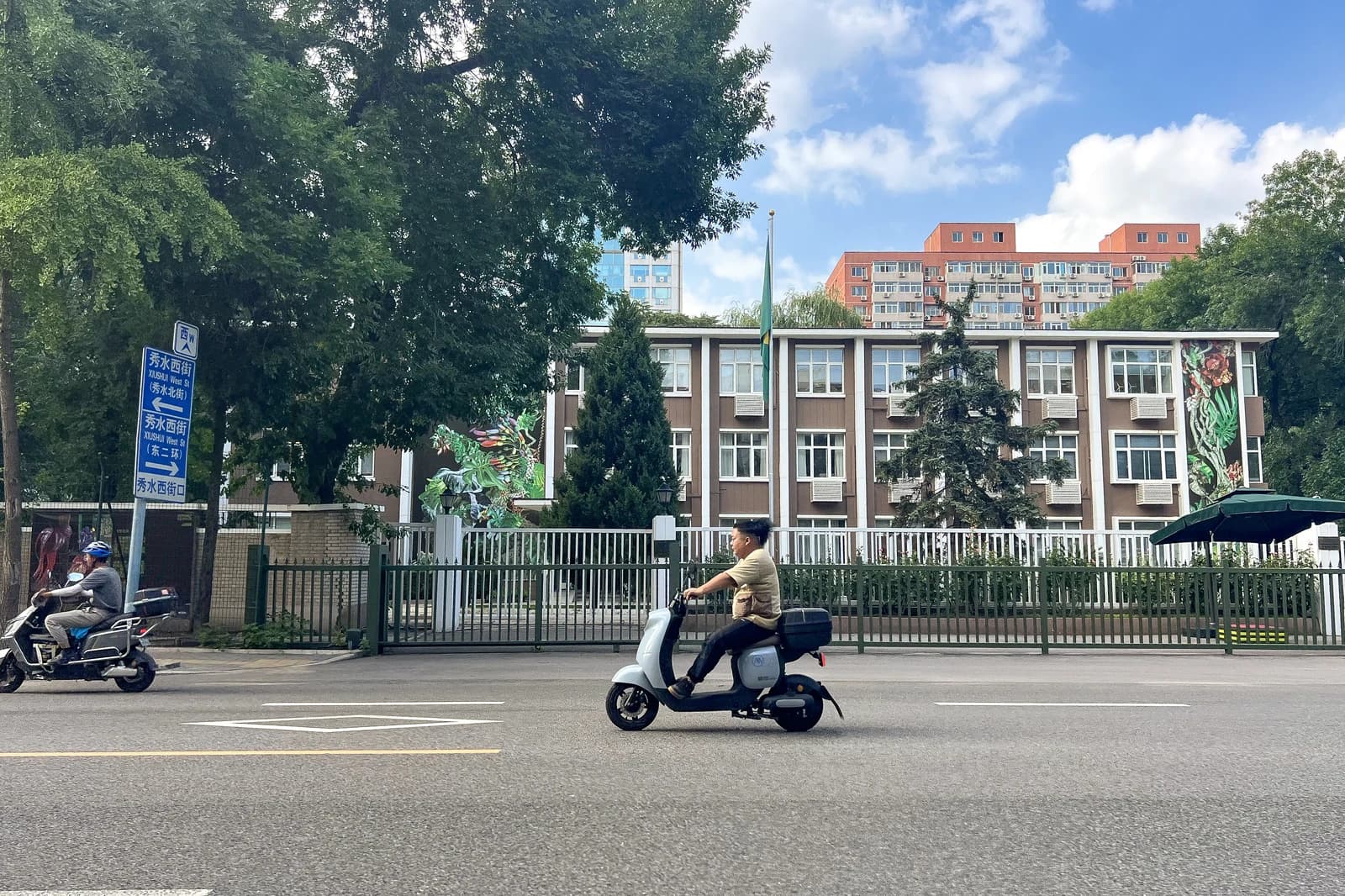
The latest signal came after Carolina Cerqueira, president of Angola’s National Assembly, met Brazil’s ambassador Eugénia Barthelmess. The ambassador said the meeting was aimed at bringing the Brazilian embassy and Angola’s legislature into “ever closer cooperation,” and she also pointed to preparations for a state visit by Angolan President João Lourenço to Brazil.
That visit is the part investors should watch. In emerging-market diplomacy, state visits often serve as the political umbrella for memorandums, financing discussions and sector-specific agreements that can unlock follow-through later. The broader backdrop suggests this is not just symbolism: Brazil and Angola have already signed an agreement focused on economic development and job creation in Angola, underscoring that the relationship is being framed around commercial outcomes rather than protocol alone.
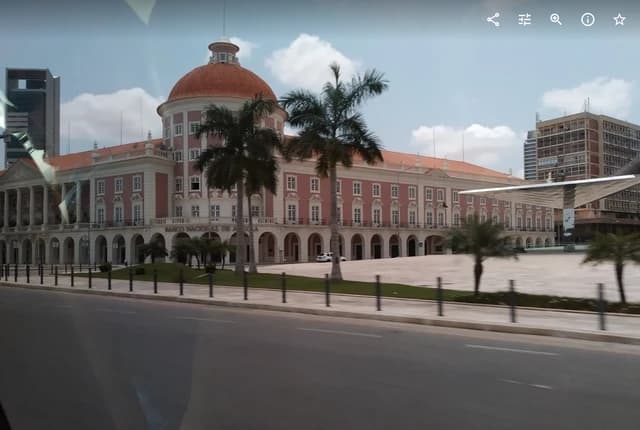
For investors, the story is about optionality. Stronger Brazil-Angola ties could support Brazilian agricultural, industrial and services exporters looking for African growth, while opening a channel for Angola to court expertise and capital in areas such as food production, infrastructure and development planning. It also fits Brazil’s wider effort to broaden its international trade relationships, including new engagement with the United States, as President Luiz Inácio Lula da Silva’s government looks to reinforce Brazil’s geopolitical and economic relevance beyond its home region.
The market impact is indirect but real. Better bilateral relations can reduce friction for firms involved in commodities, logistics and public works, and can improve the odds of future financing or procurement deals. For long-term investors, that kind of relationship-building tends to matter most when it is repeated, institutionalized and tied to actual contracts.
The main risk is that diplomatic momentum does not always become execution. Investors should look for concrete announcements around the state visit, including agreements on agriculture, energy, transport or education, before assigning too much value. Still, the direction is constructive: two governments are clearly trying to turn historical and cultural proximity into economic advantage, and that is the sort of slow-burn development that can pay off over years, not weeks.
| Entity | Gains | Losses |
|---|---|---|
| Angola | ▲More trade and investment access | ▼Less reliance on narrow partners |
| Brazil | ▲Bigger African market presence | ▼Competitors from other exporters |
| Local businesses | ▲New contracts and financing | ▼Firms facing more foreign competition |
| Investors | ▲Long-term deal flow potential | ▼Those expecting instant results |