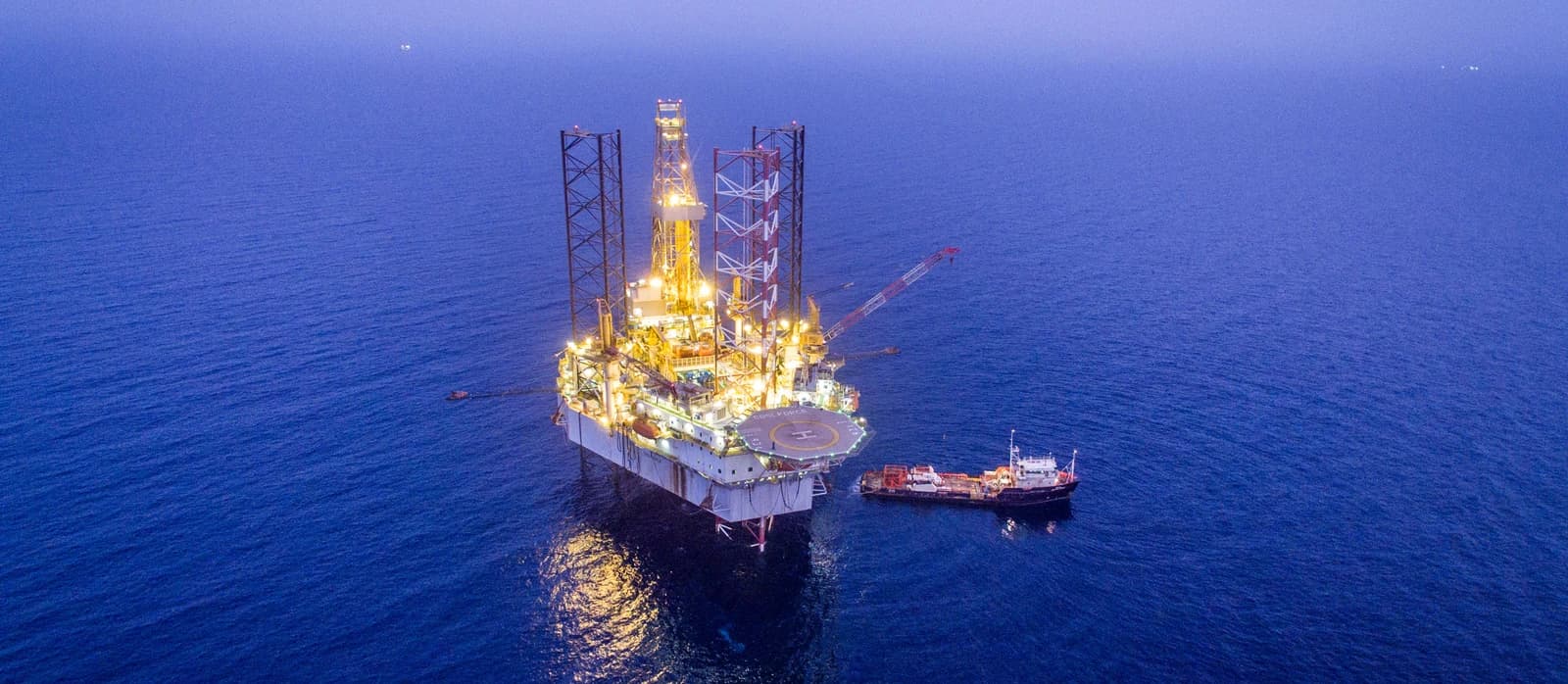
Russia’s foreign minister has put Moscow’s deepening alignment with Tehran back at the center of the oil and geopolitics trade, with talks in Iran set to focus on security, investment and big-ticket energy and logistics projects that could reshape regional flows if tensions widen further.
Russia Iran talks on energy and logistics
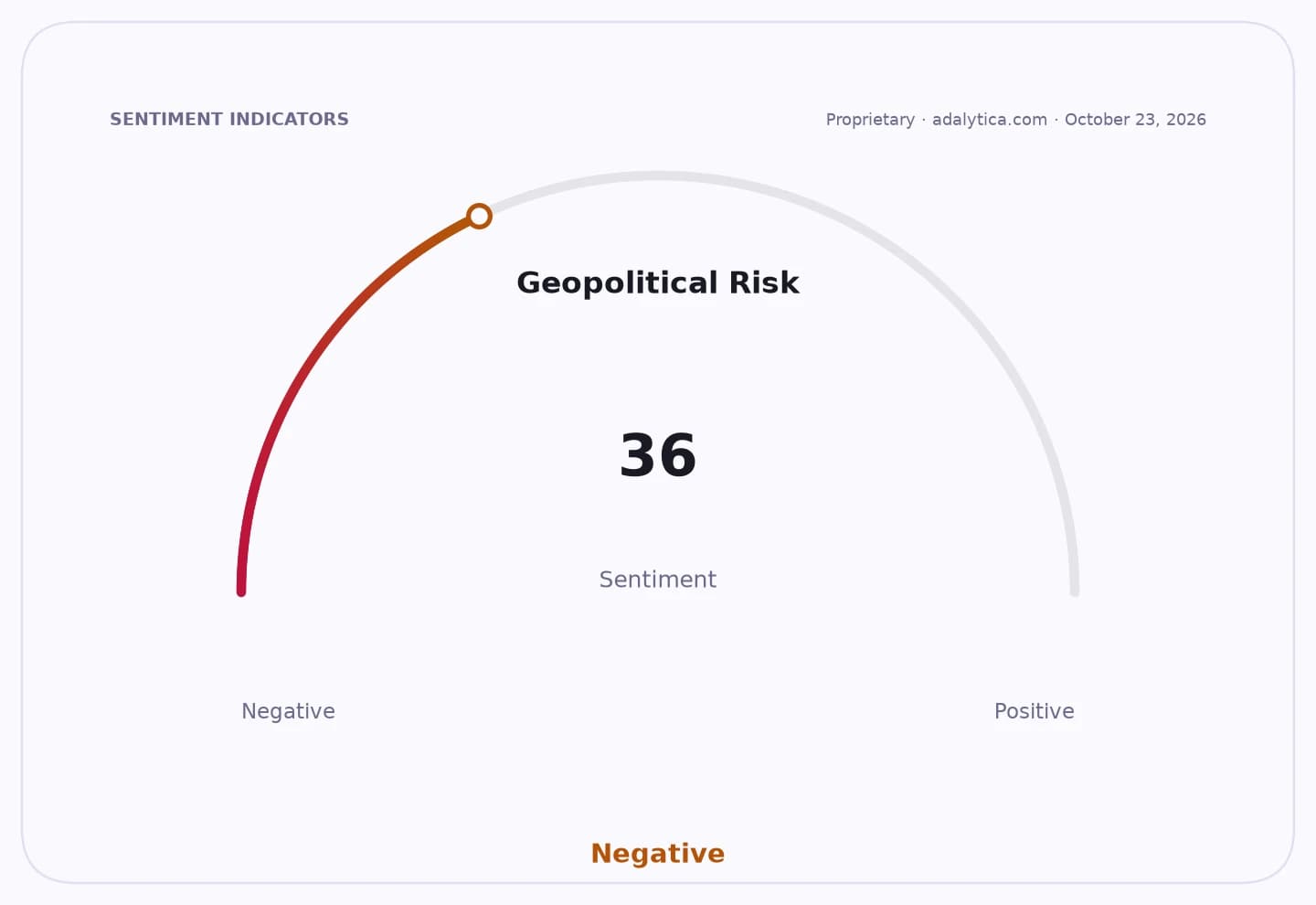
That matters because the Middle East is already one of the market’s most fragile fault lines, and any closer Russia-Iran coordination raises the odds of more disruption in crude supply routes, shipping lanes and sanctions enforcement. Investors do not need a formal alliance to move prices — only a higher probability of risk around the Gulf, where even the hint of escalation can tighten energy markets and lift the value of non-Western supply chains.
The Russian foreign ministry said Sergei Lavrov would discuss the Gulf situation with Iranian Foreign Minister Abbas Araghchi, while also giving “due attention” to commercial, economic and investment cooperation, including joint projects in transport, logistics and energy. In plain terms, Moscow and Tehran are signaling that their relationship is no longer just diplomatic cover; it is becoming an economic and strategic partnership built around infrastructure, commodity flows and workarounds to Western pressure.
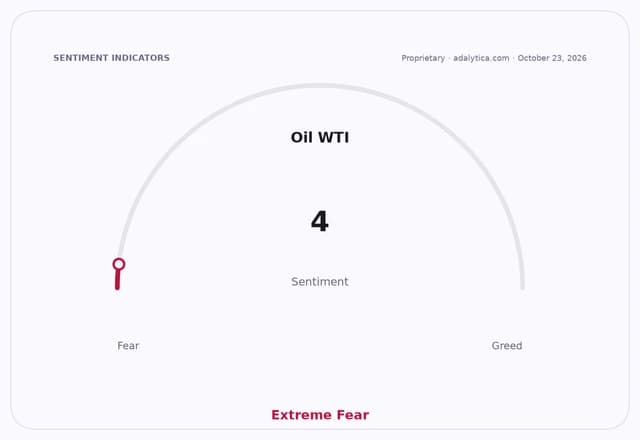
For energy investors, that is the key tell. Oil is already trading as if geopolitical risk is a live asset class again, with WTI-linked USO still showing elevated technical momentum even after a pullback from recent highs. The broader energy sector has also outperformed, with XLE holding well above its 50-day and 200-day moving averages, a sign that markets are still pricing a structural risk premium into producers even when headlines cool.
The market is underestimating how these Russia-Iran ties can ripple outward. If the two countries coordinate more closely on exports, shipping, or sanctions evasion, that can support crude benchmarks indirectly by keeping supply tight and preserving uncertainty around spare capacity. It also strengthens the case for firms tied to energy infrastructure, tankers, LNG logistics, pipelines and oilfield services, because prolonged geopolitical friction tends to favor the companies that move, secure or produce molecules rather than consume them.
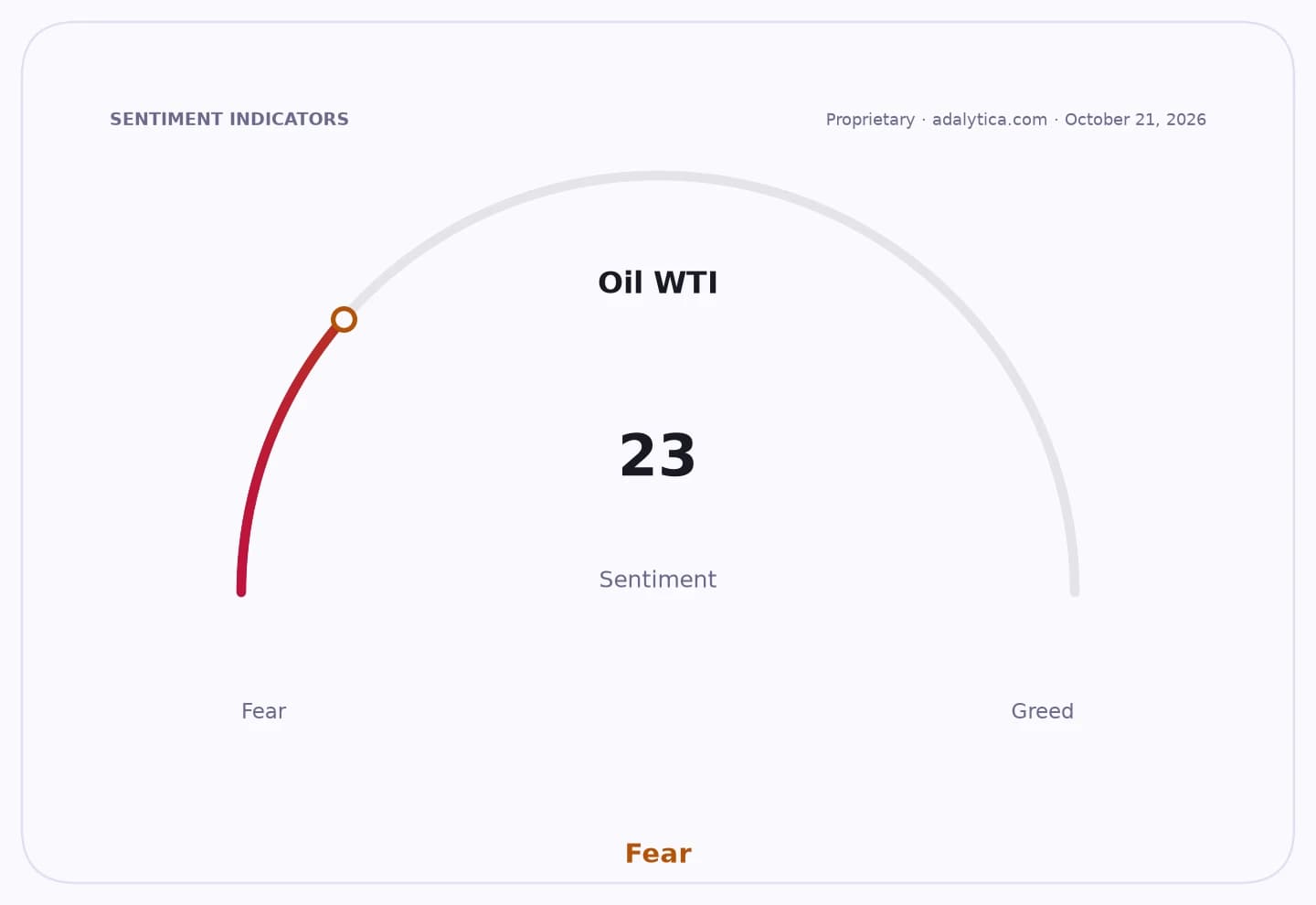
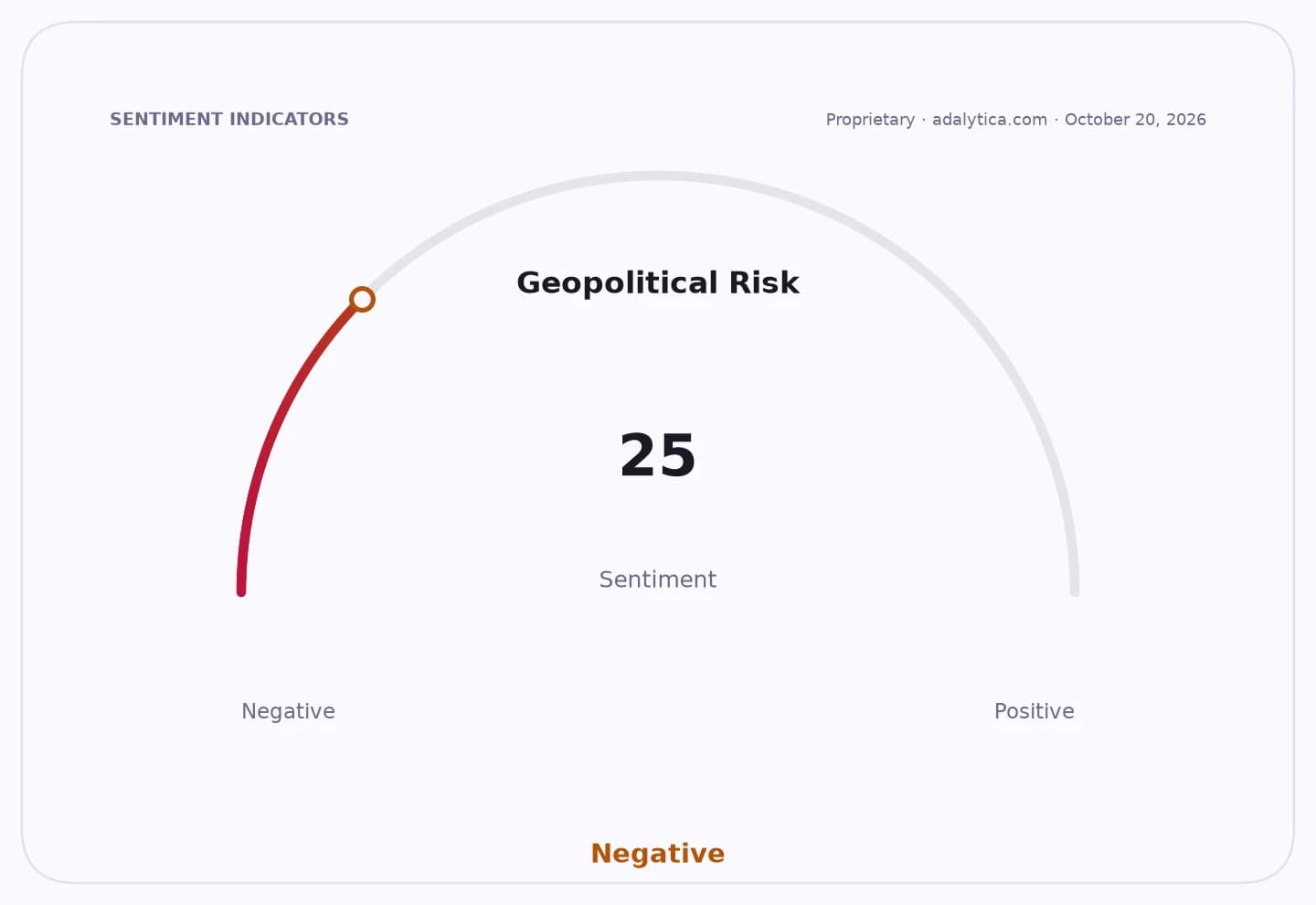
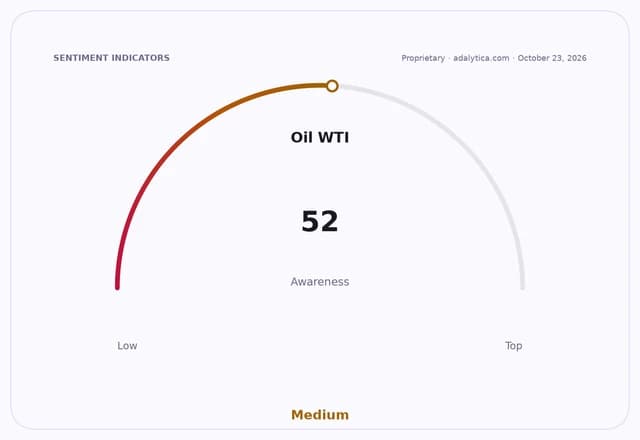
There is also a broader macro angle. Adalytica’s global stability gauge is back in neutral territory but with awareness still in extreme fear, while oil-specific signals sit in extreme fear even after the sector’s strong run. That kind of mismatch often appears before the next volatility spike: complacency in the geopolitical narrative, but continued option value in hard assets and energy equities.
The investable takeaway is straightforward. If Lavrov’s Tehran trip translates into tighter Russia-Iran coordination, the winners are likely to be oil producers, energy infrastructure names and defense-linked supply chains, while import-dependent economies and transport-sensitive industries face renewed cost pressure. For long-term investors, this is not a trade to chase headlines — it is an opportunity to position early for a world where geopolitics keeps the energy market on edge.
| Entity | Gains | Losses |
|---|---|---|
| Oil producers | ▲Higher risk premium | ▼Demand shocks from volatility |
| Energy infrastructure | ▲More project demand | ▼Sanctions and delays |
| Russia and Iran | ▲Strategic leverage | ▼Western pressure |
| Oil importers | ▲— | ▼Higher input costs |