Ukraine says it has hit a Russian ammunition depot and a major fuel distribution station in a blow aimed at weakening Moscow’s war machine at its logistical core. The attacks matter because they target the flow of munitions and fuel that keeps Russian forces supplied, while adding pressure to an already stretched energy system.
Ukraine Hits Russian Fuel Depot and Tank Farm
A unit from Ukraine’s 73rd Marine Special Operations Centre said its drones struck the ammunition depot and triggered a large explosion that shocked Russian occupation troops. The claim could not be independently verified, but it fits Kyiv’s broader campaign of attacking depots, refineries and fuel storage sites to disrupt Russia’s military resupply and raise the cost of the war.
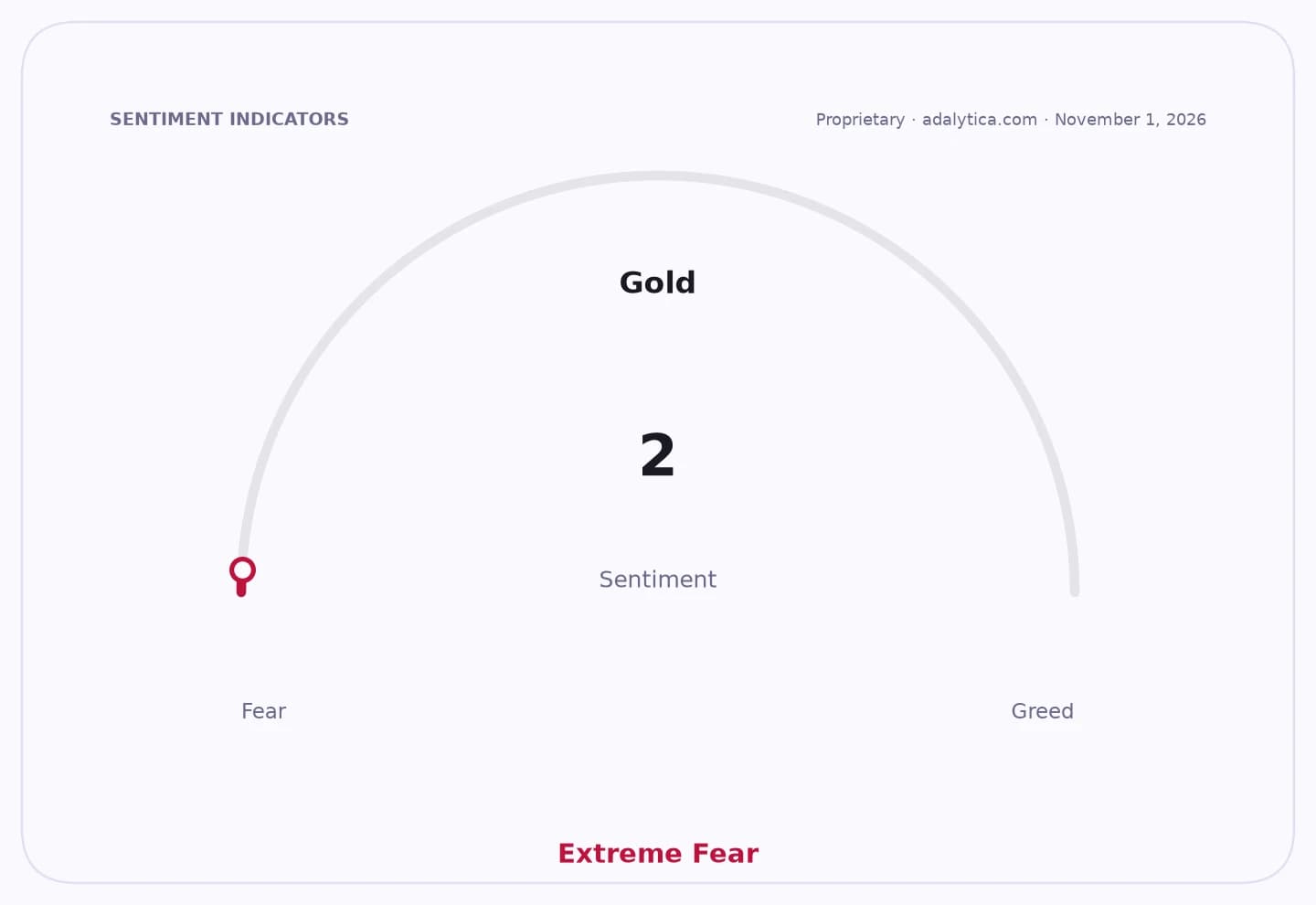
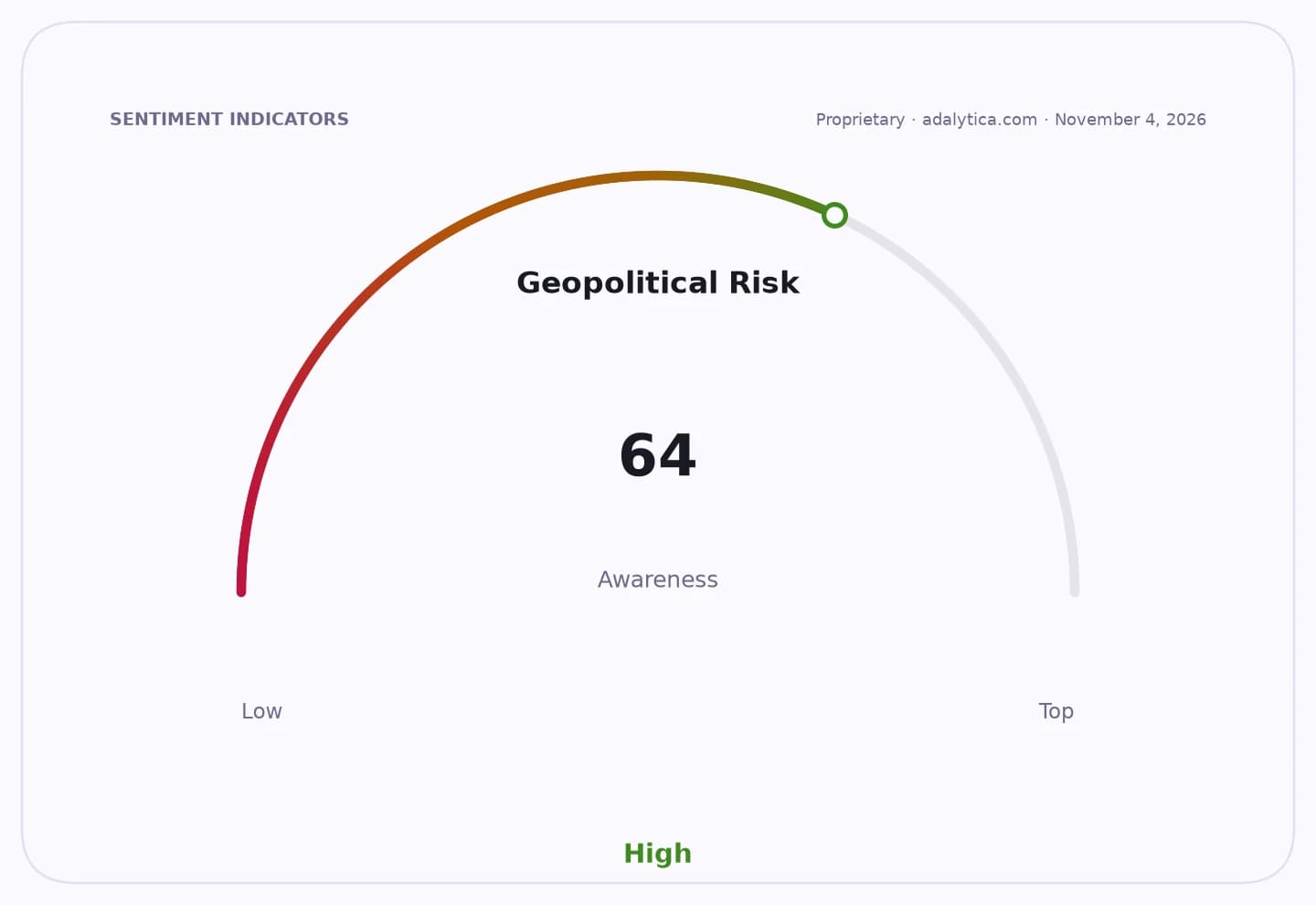
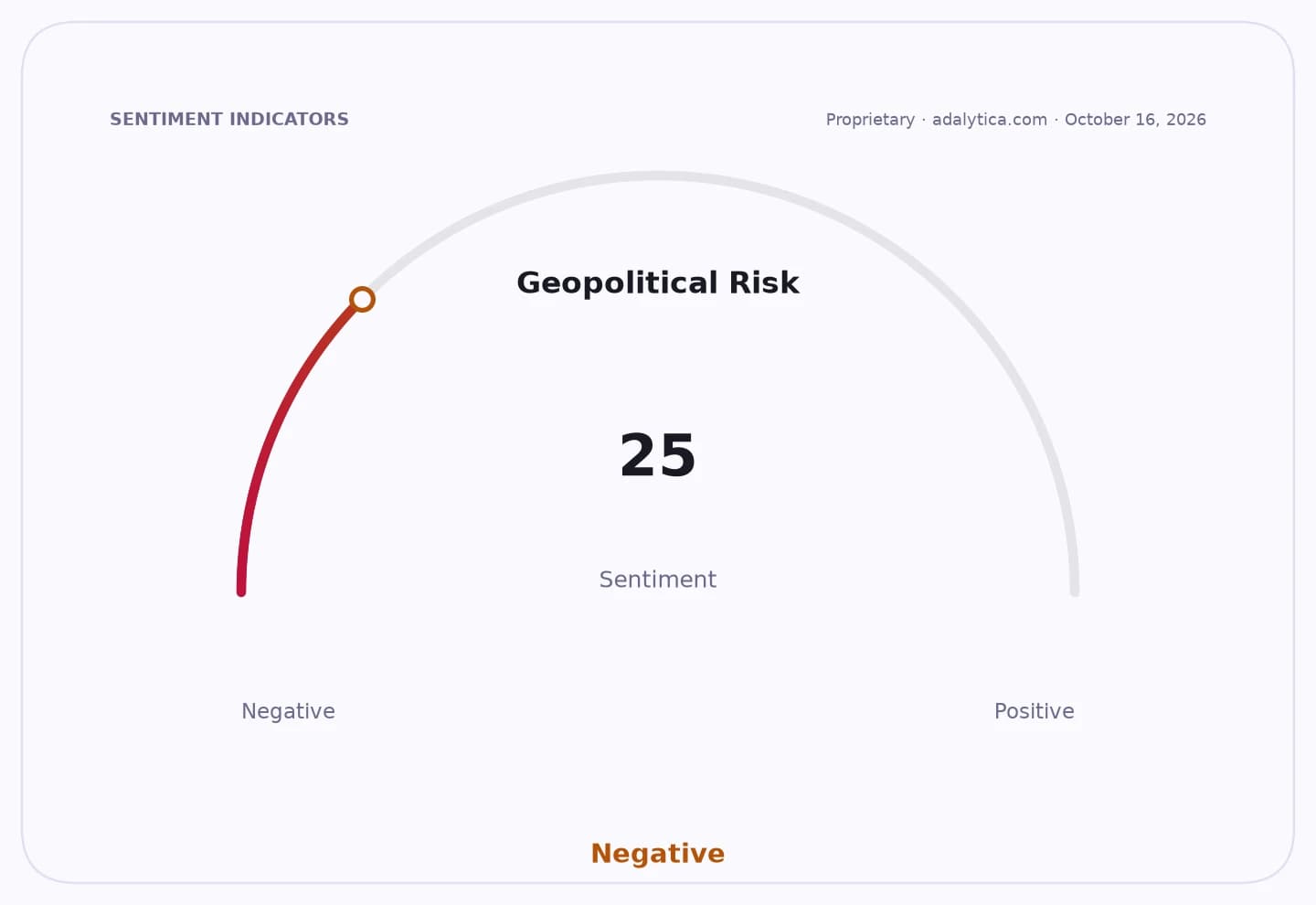
Sentiment Indicators
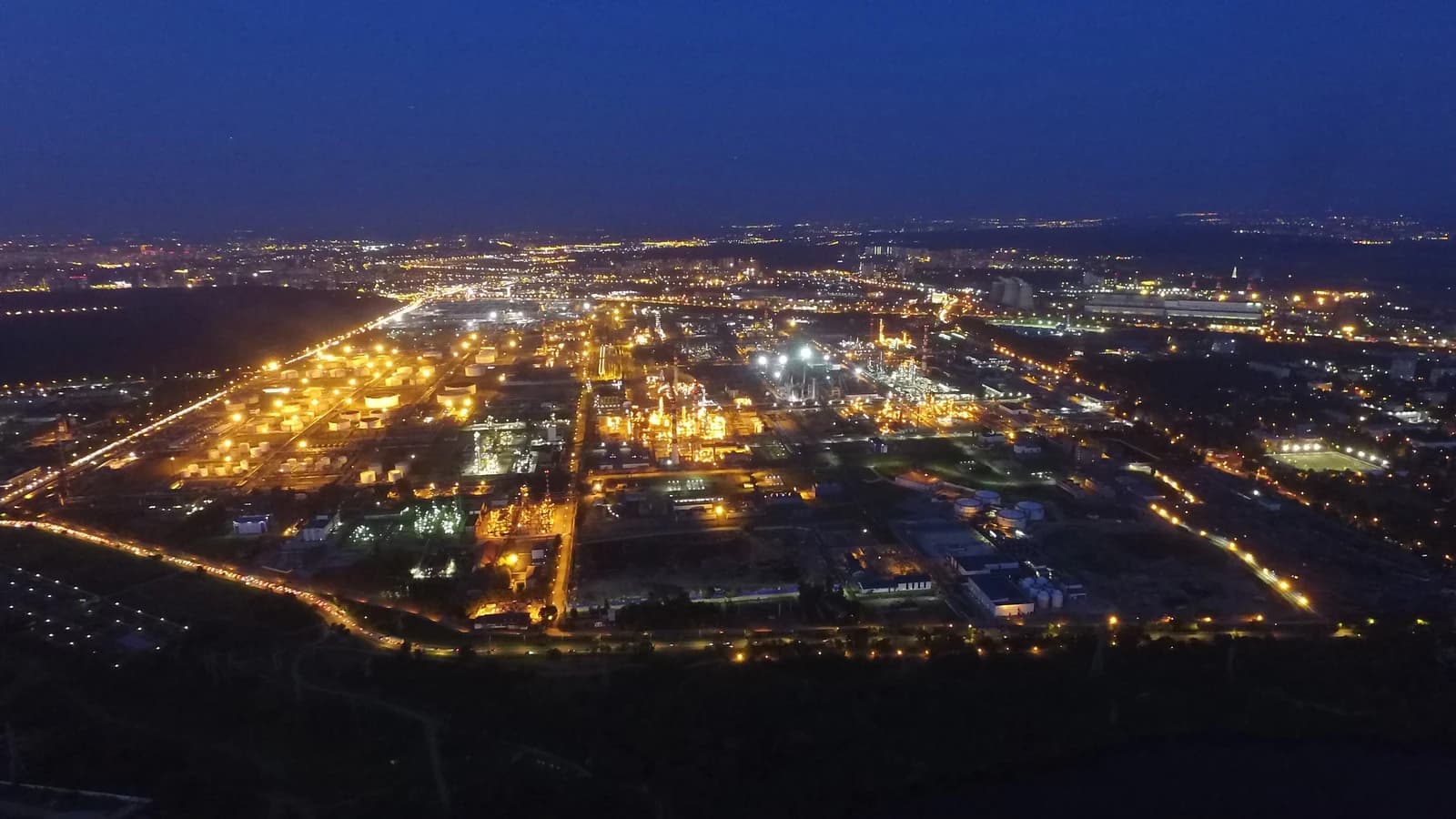
Ukraine also said drones hit the Samara Linear Production and Dispatch Station in Russia’s Samara region overnight. The facility is described as Europe’s largest tank farm and is connected to four pipelines carrying oil from West Siberia, Tatarstan, Orenburg and Kazakhstan, making it a strategically important node in Russia’s fuel network.
For investors, the significance goes beyond the battlefield. Repeated strikes on refineries and storage sites can tighten regional fuel supplies, lift volatility in crude and refined products, and keep a bid under energy equities and oil-linked assets even when the broader market is mixed. U.S.-listed energy ETF XLE has climbed above both its 50-day and 200-day moving averages, while U.S. crude fund USO remains elevated despite recent swings, underscoring how geopolitical risk continues to support the sector.
The attacks also land against a backdrop of sustained civilian and military escalation in the war, with fresh Russian strikes on Ukraine’s infrastructure and aid sites reinforcing the likelihood of more retaliatory action. That keeps the risk premium in oil, defense and regional security stocks intact, while leaving little room for investors to assume a near-term de-escalation.
| Entity | Gains | Losses |
|---|---|---|
| Ukraine | ▲disrupts Russian logistics | ▼risks further retaliation |
| Russia’s military supply chain | ▲— | ▼depots and fuel flows hit |
| Energy bulls | ▲higher risk premium | ▼volatility and supply disruption |
| Defense contractors | ▲sustained demand | ▼no peace dividend |