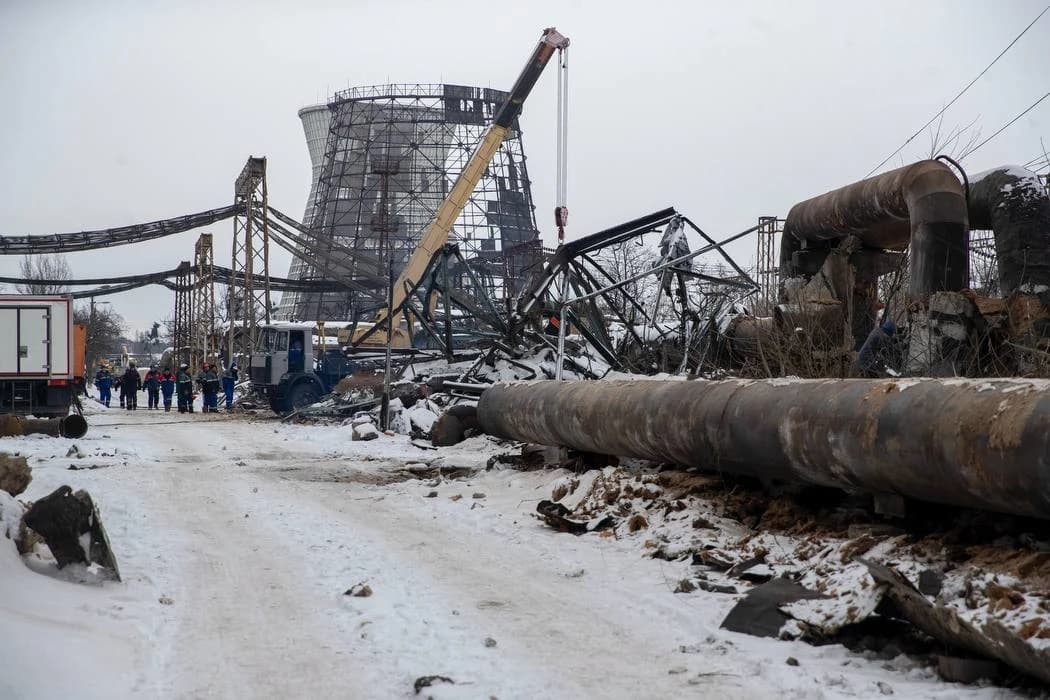
Russia’s weeklong barrage of roughly 1,600 glide bombs, 48 missiles and nearly 2,300 drones against Ukraine is a reminder that the war is not easing into diplomacy — it is intensifying into a grinding attritional fight that keeps energy, defense and geopolitical risk premiums elevated.
Russia attacks keep oil, gold and defense bid
Gold
For investors, that matters because wars of this scale do not stay contained on the battlefield. They feed volatility in crude, extend demand for air defense and ammunition, and keep capital flowing toward the infrastructure, logistics and weapons producers that benefit from prolonged conflict. They also raise the odds of fresh damage to Ukraine’s power grid, grain assets and industrial base ahead of winter, a season when disruptions to energy supply and transport can ripple well beyond the region.
Sentiment Indicators
Volodymyr Zelenskyy said Moscow’s strikes this week hit nine regions, including thermal power plants, substations, coal mines, grain depots and shopping centers, while Russia claimed Ukrainian drone attacks killed three people in its Belgorod region and damaged an industrial site in Perm. Neither side’s battlefield claims can be independently verified, but the scale of reported attacks underscores a war that is still expanding in intensity rather than narrowing toward a settlement.
The economic consequence is straightforward: the longer the war drags on, the more durable the support for higher defense spending across Europe and the U.S., and the less likely it is that energy markets will settle into a low-risk equilibrium. That is one reason crude-linked assets such as the United States Oil Fund remain in play after a powerful run, even as technical indicators show the ETF is overextended. USO’s price has surged far above its 50-day moving average, and its relative strength index remains elevated, a sign that geopolitical risk is still being priced aggressively into the market.
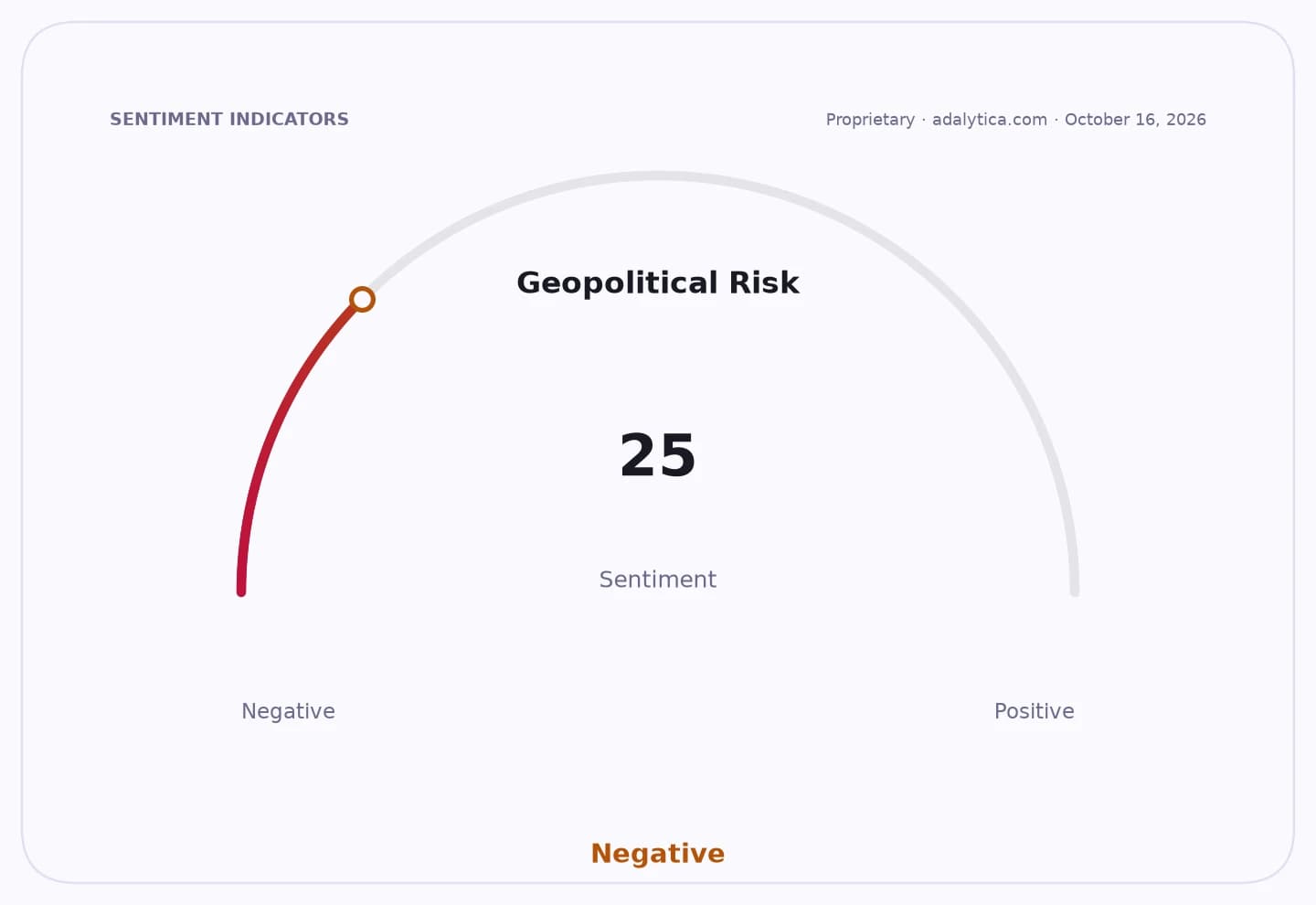
Geopolitical Risk — 30-day sentimentadalytica.com
Explore this data interactively — full history, time series and cross-market comparisons.
Gold is the other obvious beneficiary, but here the setup is more nuanced. GLD has weakened after a strong rally, yet the metal still sits well above levels that would suggest panic has disappeared. The market is telling us something important: investors are not dismissing geopolitical shock risk, even if short-term positioning has become crowded. That creates opportunity for those willing to look past the next headline and position for a longer conflict.
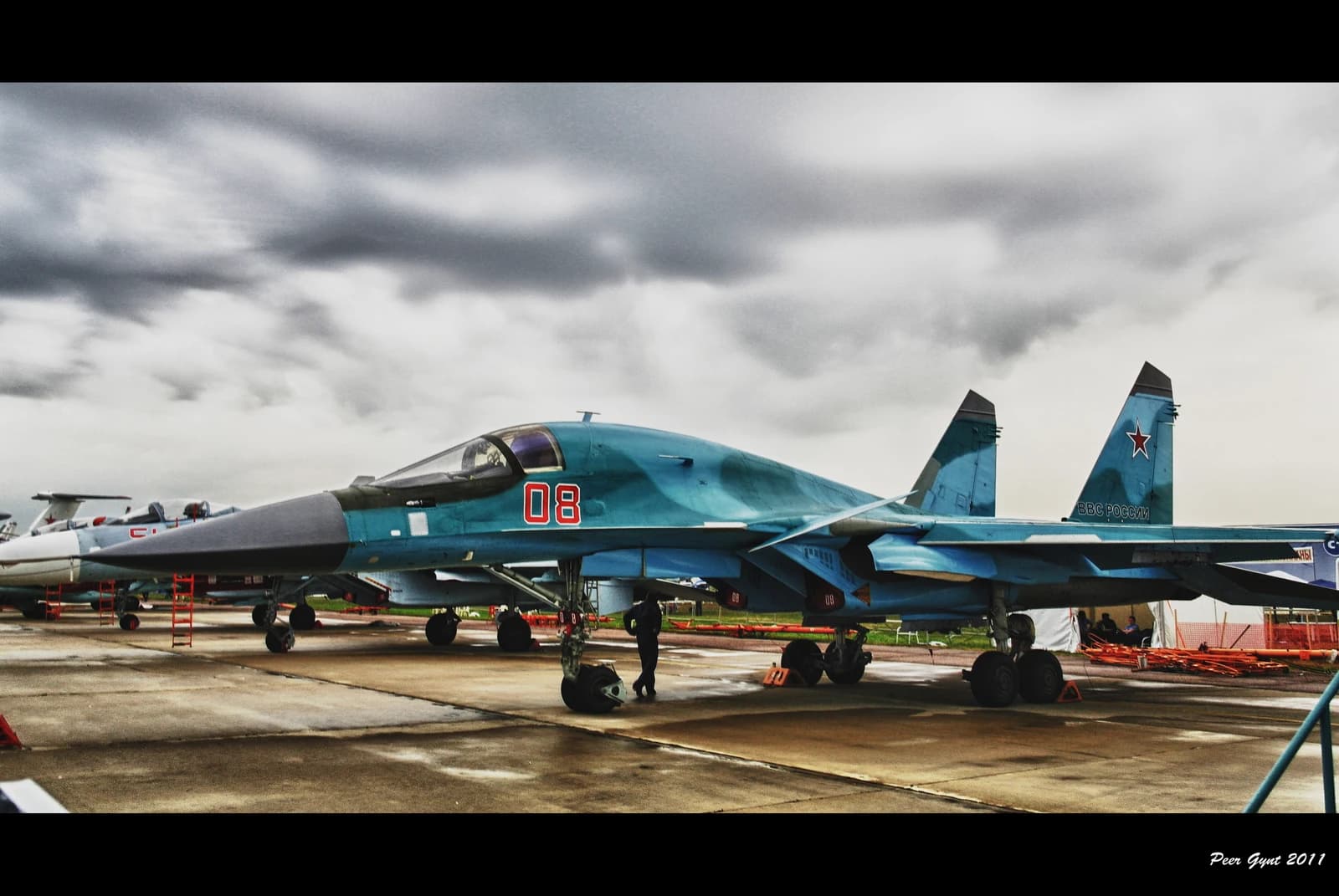
Zelenskyy’s appeal for more Patriot interceptor missiles and stronger air defense support is also investable in a broader sense. Every escalation that forces Ukraine to consume scarce interceptors faster strengthens the case for continued procurement of missiles, radar, drones and electronic warfare systems. The beneficiaries are not just the obvious prime contractors but the entire supply chain behind missile production, air defense integration and battlefield replacement demand.
The market underestimates how persistent this war can be as winter approaches. If Russia keeps striking power infrastructure and Ukraine keeps pressing back with drones, the result is a sustained bid for defense and energy exposure rather than a one-off spike. In our view, investors should treat the latest attacks as a signal to stay overweight the geopolitical hedge: energy, defense and select precious metals remain the cleanest ways to own the next phase of this conflict.
| Entity | Gains | Losses |
|---|---|---|
| USO / oil bulls | ▲Higher risk premium | ▼Short-term overbought setup |
| GLD / gold holders | ▲Geopolitical hedge demand | ▼Recent profit-taking |
| Defense contractors | ▲More ammo and air defense orders | ▼None from de-escalation |
| Ukraine’s infrastructure | ▲Emergency Western support | ▼Power and logistics damage |