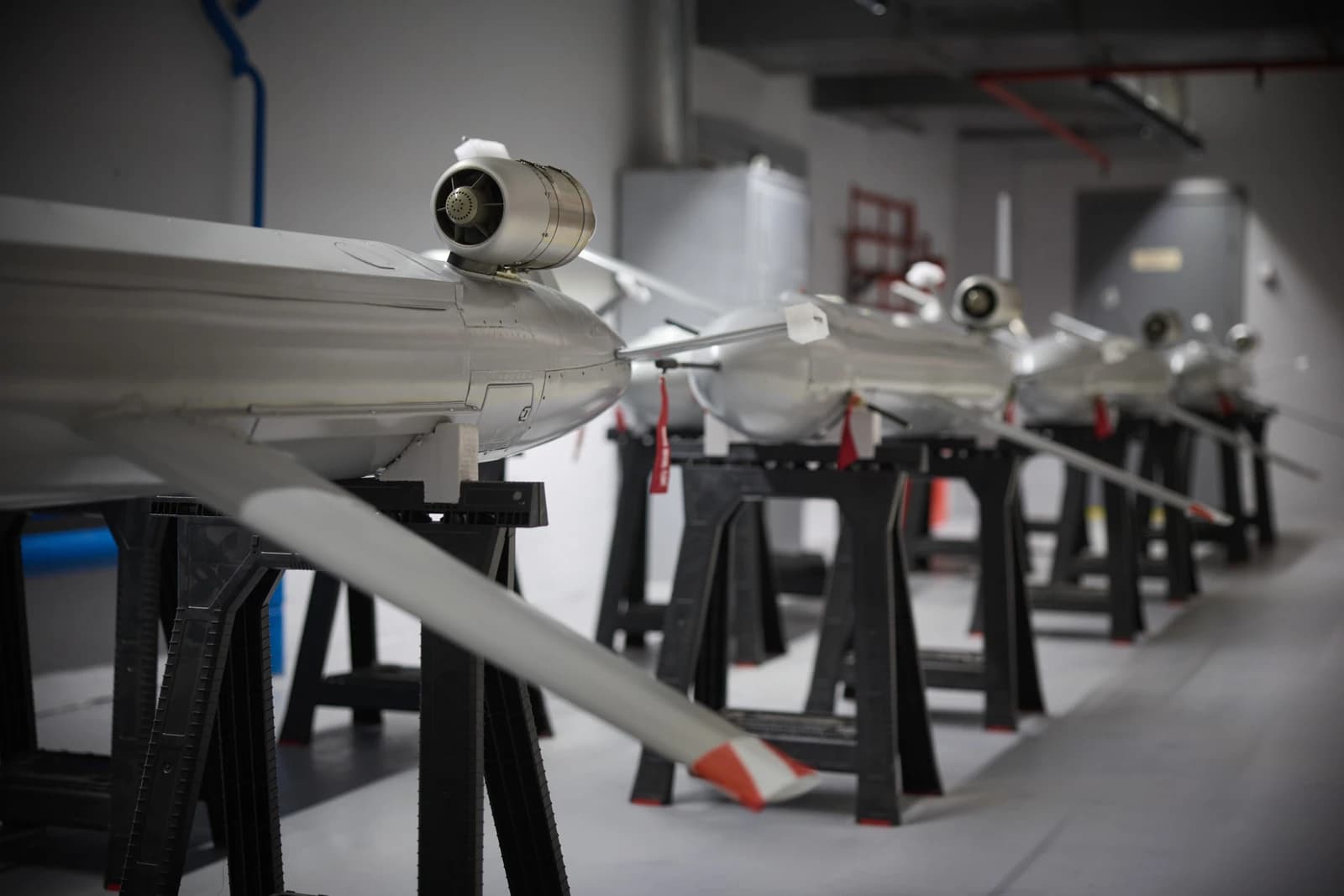
Russia’s guided aerial bombs are now reaching more than 100 kilometers, a widening stand-off range that makes Ukrainian cities and frontline hubs harder to defend and raises the cost of every interception decision.
Russia KAB glide bombs reach over 100 kilometers
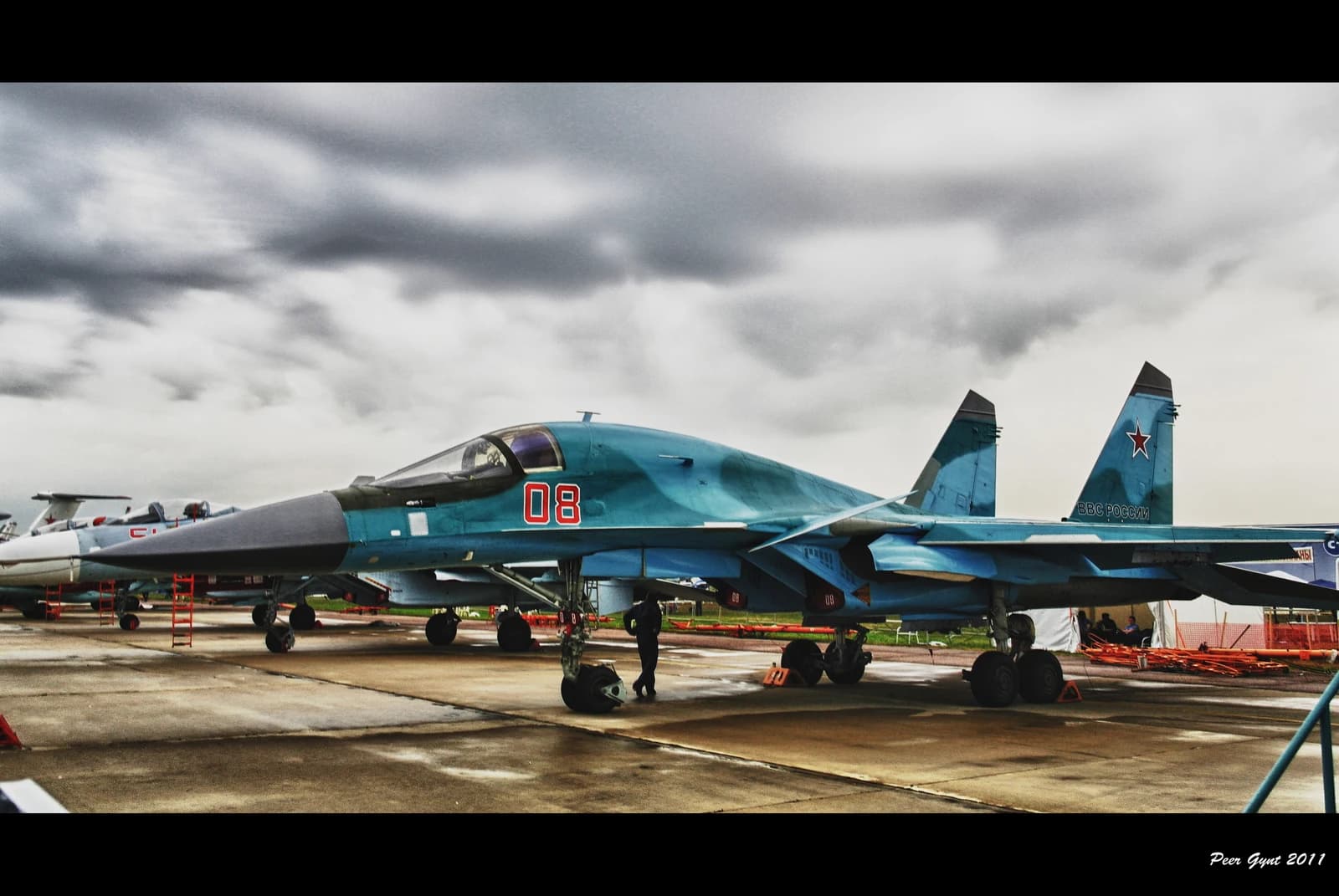
Military analyst Oleh Zhdanov said Moscow has spent three years mass-producing KABs and steadily upgrading them, with stockpiles already running into the thousands. The key change is range: Russia has enlarged the wings on the bombs and begun fitting small rocket boosters, turning what was once a shorter-range battlefield weapon into a deeper-strike threat.
Sentiment Indicators
That matters because it changes the geometry of the war. The farther these bombs can glide, the less exposed Russian aircraft need to be, and the harder it becomes for Ukraine to rely on traditional air defenses alone. Zhdanov said the only real answers are to destroy the aircraft and the airfields that launch them, or push stronger air defense systems closer to the front line to keep Russian planes from getting into launch range.
The stakes are especially high for Dnipro, which has become a frequent target as Russia adapts its air-delivered weapons. If KABs can be launched from farther away, cities, logistics routes and industrial assets that were previously thought safer can come under renewed threat. That is a direct economic problem for Ukraine: more damage to infrastructure, higher military spending, and more drag on already strained regional activity.
For investors, the story reinforces a theme the market still underprices: the war is not just a geopolitical event, but a sustained demand engine for air defense, munitions, counter-drone systems and military infrastructure. The winners are the contractors that can supply longer-range interceptors, sensors, hardened infrastructure and strike systems that can reach launch platforms before they release weapons. The losers are any assets exposed to a broader, more persistent air threat across eastern and central Ukraine.
The market is already rewarding defense names that sit at the center of this rearmament cycle. Lockheed Martin, RTX and General Electric’s defense and aviation exposure remain strategically relevant because this war keeps validating the need for missile defense, aircraft sustainment and precision weapons. Lockheed’s shares have climbed to around $637, RTX is near $200 and GE has rallied to roughly $302, underscoring how capital continues to flow toward the industrial backbone of modern air warfare.
Our thesis is simple: Russia’s longer-range KABs extend the war’s economic footprint, not just its battlefield footprint. That should keep defense procurement elevated in Europe and the U.S., support orders for missile shields and strike systems, and widen the opportunity set for investors positioned in the picks-and-shovels of modern war. The next catalyst is not peace talks — it is the next adaptation cycle, and markets should keep pricing that in.
| Entity | Gains | Losses |
|---|---|---|
| Defense contractors | ▲More demand for air defense and munitions | ▼None materially |
| Ukraine | ▲Incentive to harden defenses and strike launch sites | ▼Higher infrastructure losses |
| Russia | ▲Deeper reach from air-launched weapons | ▼Greater need for costly upgrades |
| Civilian and industrial targets in Ukraine | ▲None materially | ▼More exposure to strikes |