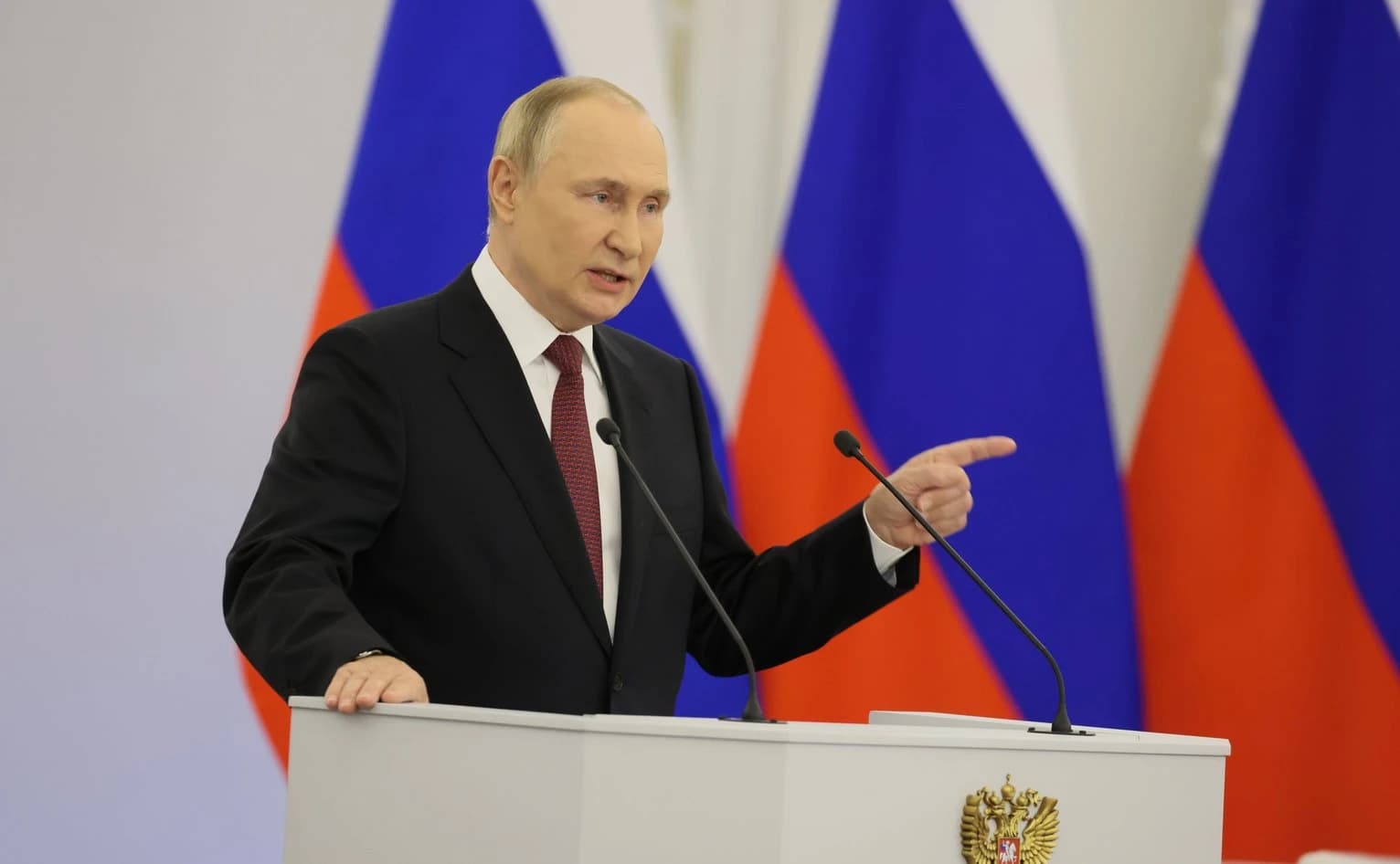
Ukraine’s military said it had restored access to SpaceX’s Starshield satellite service and used the improved connectivity to strike electrical infrastructure in Russian-occupied Crimea, a combination that underscores how battlefield communications and energy networks are becoming the same warfighting front.
Ukraine uses Starshield to strike Crimea grid
That matters because Crimea is not just territory on a map. It is Russia’s logistics and command hub for the southern war, and any sustained disruption to its power grid raises the cost of occupation, complicates military operations and increases pressure on Moscow’s defenses. For investors, the story is bigger than one blackout: it reinforces the rising strategic value of resilient satellite communications, drone warfare and the infrastructure that supports both.
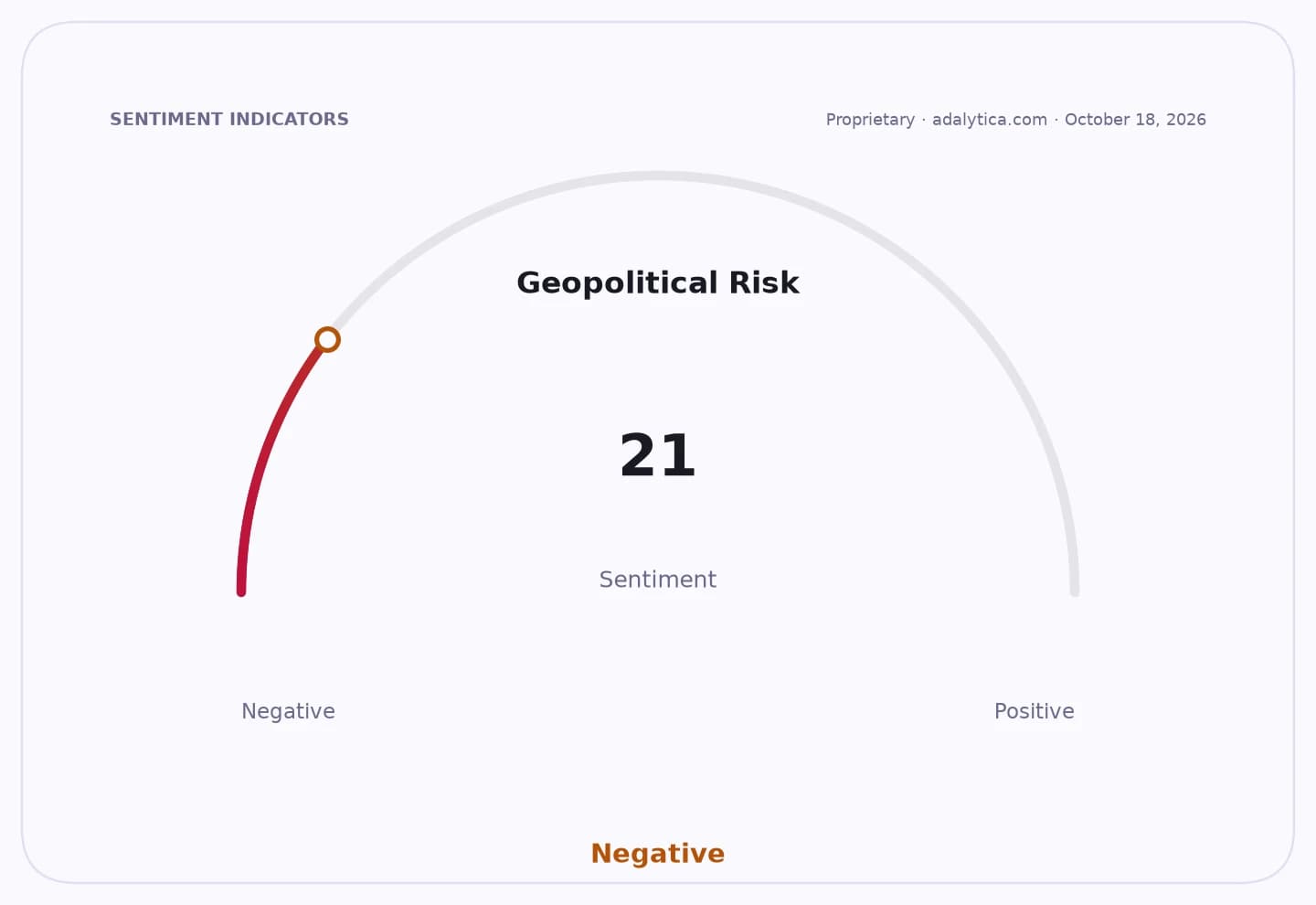
Sentiment Indicators
Kiev said the military service was operating again after restrictions had interfered with drones and other equipment, though Ukrainian officials also indicated that problems persisted when systems moved above 161 kilometers per hour, a reminder that even advanced satellite links have operational limits in combat. The episode highlights the central role of space-based communications in modern conflict, where control of connectivity can shape everything from reconnaissance to strike timing.
The geopolitical backdrop is turning more dangerous, not less. Washington has warned of a broader escalation in the Middle East, and a Reuters-style market read of the region points to investors already paying up for geopolitical risk: crude has pushed to multi-month highs, with Brent briefly above $116 a barrel, as traders brace for supply shocks and wider cross-border retaliation. The same message applies in Eastern Europe: infrastructure wars are now a durable feature of the conflict, not an exception.
That is why the market should pay attention to the second-order winners. SpaceX’s Starshield points to the growing commercial value of secure satellite networks. Defense names tied to drones, electronic warfare, secure communications and battlefield software remain the cleaner way to express this theme than chasing headline-driven volatility. Iridium, for example, sits in the broader satellite communications complex, while telecom and defense contractors with hardened networks and cyber capabilities also stand to benefit as governments invest in redundancy and resilience.
Tesla, meanwhile, remains a separate but relevant reminder of how technical and geopolitical crosscurrents can hit high-beta growth names in a risk-off tape. Its shares are still trading well above the 200-day moving average, but with the stock’s recent momentum cooling and technical indicators no longer stretched to the same extreme, investors are likely to keep rotating toward defense and infrastructure beneficiaries if global instability intensifies.
The investment takeaway is straightforward: the Ukraine-Crimea strike is another data point in a world where power grids, satellites and drones are now strategic assets. I believe the market is still underpricing the secular spending cycle in secure communications, unmanned systems and defense infrastructure. That is where the asymmetric opportunity sits if the conflict grinds on and governments keep racing to harden their networks.
| Entity | Gains | Losses |
|---|---|---|
| Ukraine | ▲Better strike reach | ▼Higher escalation risk |
| Russia in Crimea | ▲None | ▼Power-grid disruption |
| SpaceX/Starshield ecosystem | ▲Strategic relevance | ▼Scrutiny over wartime use |
| Defense and satellite stocks | ▲More demand for hardened systems | ▼Valuations if conflict eases |