A growing bipartisan push in Washington to investigate Elon Musk’s reported role in limiting Starlink service for Ukraine has turned a private business decision into a national-security question.
Starlink Ukraine Probe Raises Musk Scrutiny
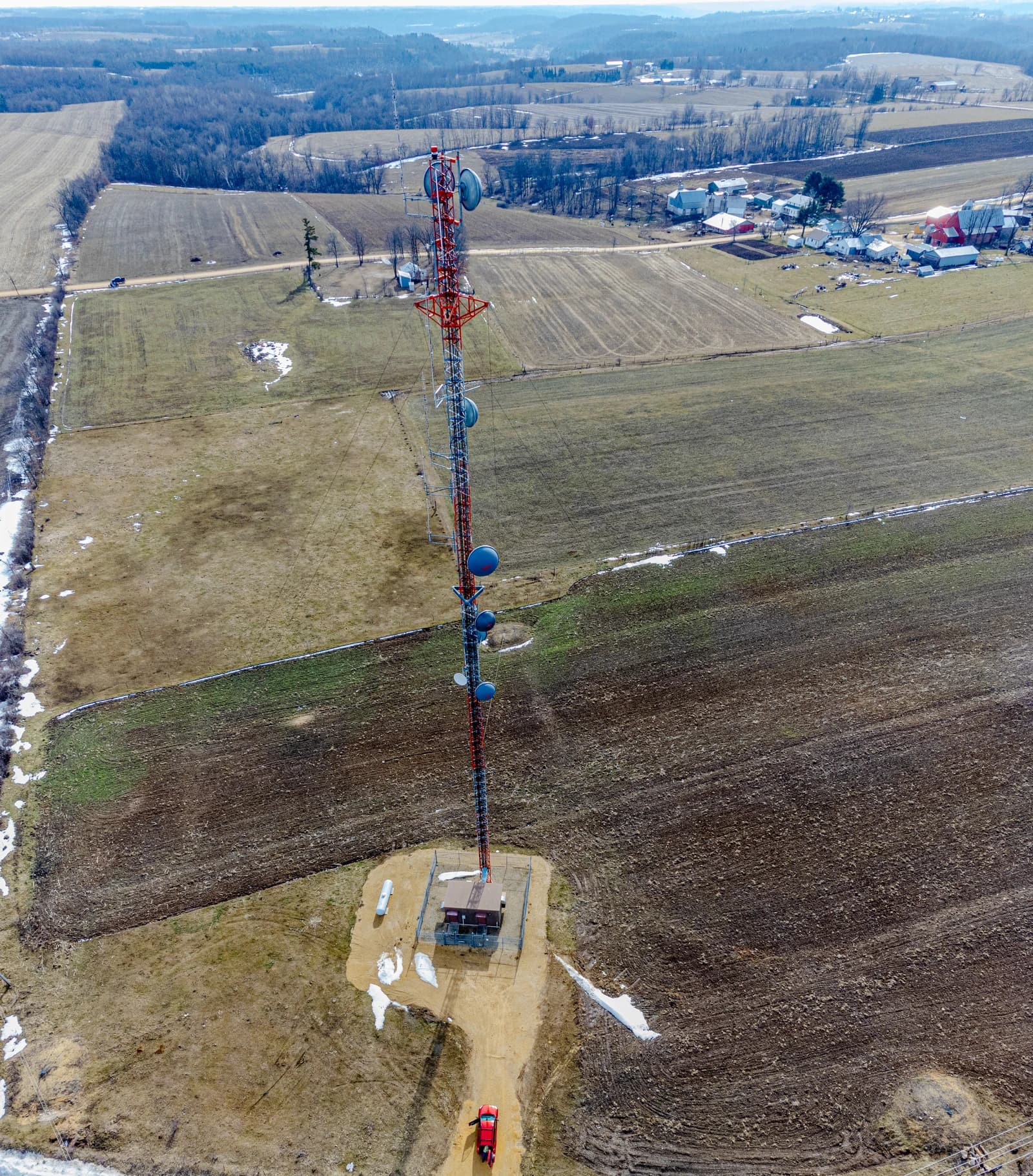
That matters because Starlink has become a battlefield utility, not just a commercial internet service. If a single private operator can alter connectivity used by Ukrainian forces in the middle of war, the issue reaches far beyond Musk or SpaceX: it goes to how the U.S. manages critical communications infrastructure, how allies plan around American technology, and how much leverage one founder should have over military operations.
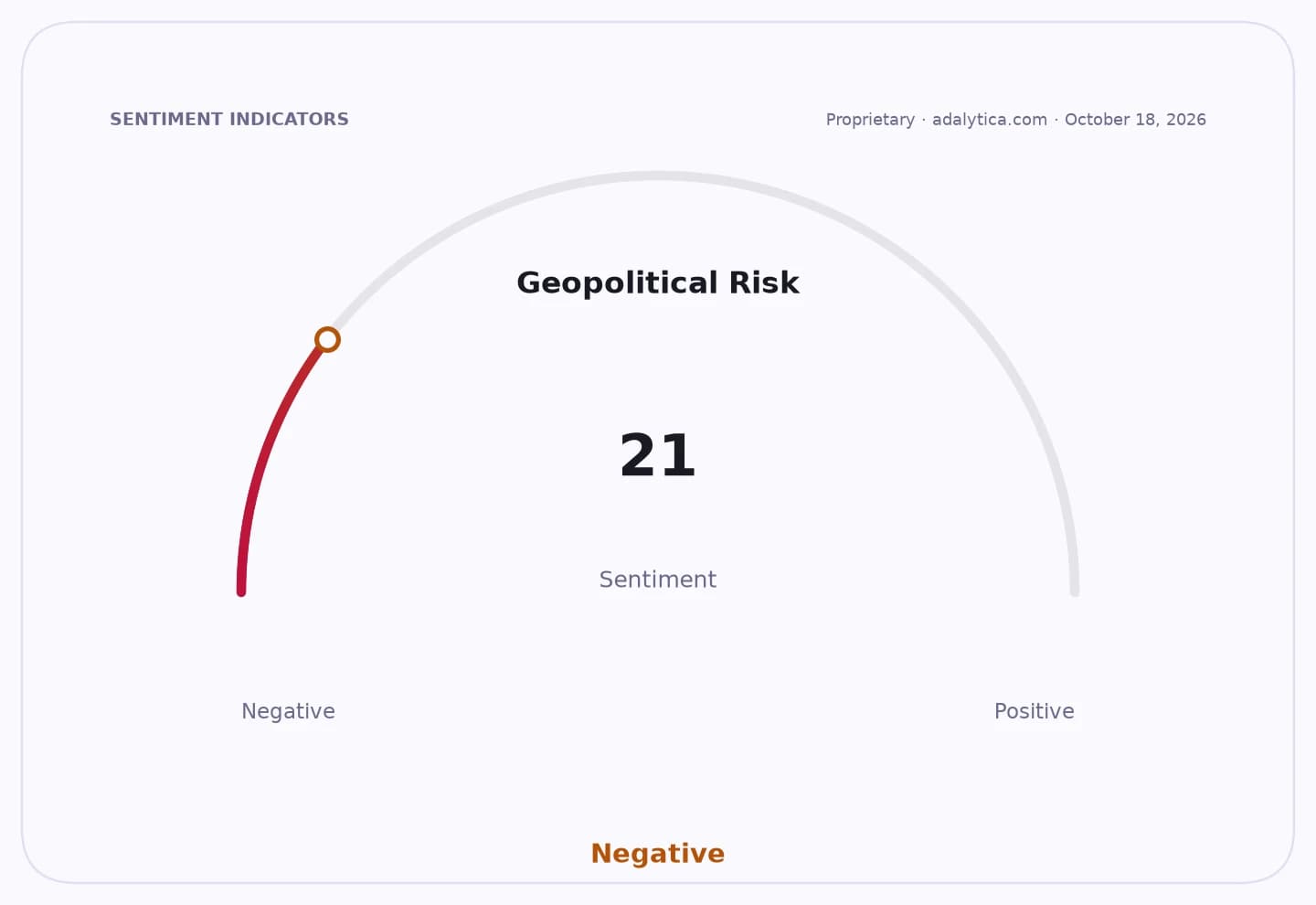
Sentiment Indicators
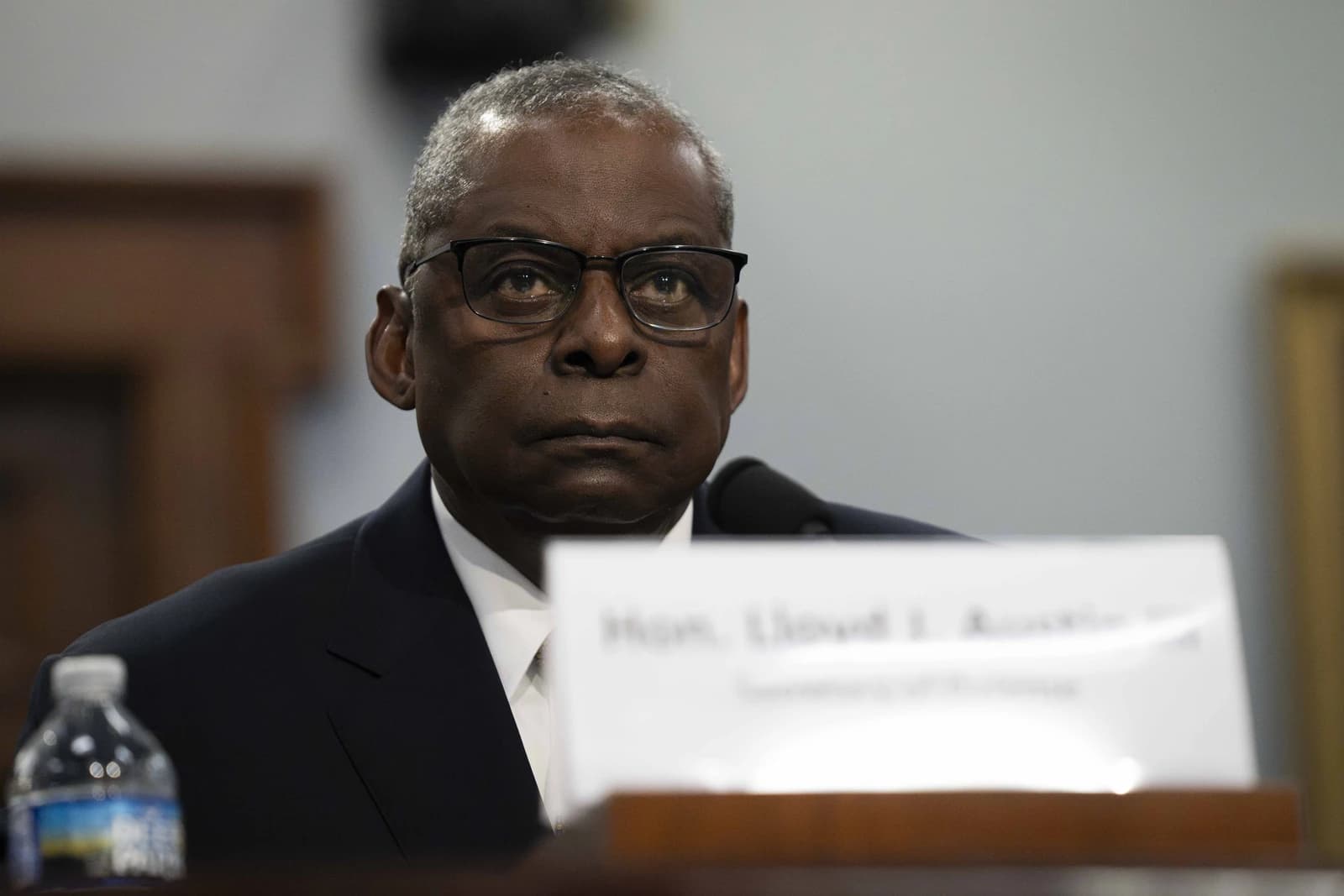
Republican congressman Brian Fitzpatrick said on CNN that if Musk really ordered the military version of Starlink slowed in Ukraine, “this is probably a violation of law” and “we should investigate.” Democratic senator Elizabeth Warren also called for a probe, warning that if one person is dictating U.S. foreign policy, America is taking “huge risk.” The pressure follows a Wall Street Journal report that Musk himself ordered restrictions on the military version of Starlink used by Ukraine.
The timing is awkward for investors because it underscores the political and regulatory overhang that comes with Musk’s sprawling empire. Tesla shareholders may view Starlink as a separate SpaceX matter, but the broader Musk brand risk is now unmistakable: the same figure driving EV strategy, AI ambitions and satellite communications is also at the center of a congressional fight over warfighting infrastructure. That kind of scrutiny can spill over into sentiment toward Musk-led businesses, especially when his actions draw in lawmakers from both parties.
Ukraine’s dependence on Starlink has made the stakes plain. Reporting from the country said restrictions beginning Oct. 14 disrupted military missions and affected drone operations. Ukrainian officials said equipment using Starlink stopped working at speeds between 130 km/h and 161 km/h, complicating logistics and the use of intercepting drones. Ukrainian President Volodymyr Zelensky called the slowdown a “big mistake,” while U.S. officials have offered conflicting explanations over who authorized the limits.
The market reaction to Tesla has so far been dominated more by fundamentals and the stock’s technical bounce than by this geopolitical issue, with the shares trading around $394.46 on Monday after rebounding from earlier weakness. But long-term investors should not ignore the institutional risk that comes with Musk’s strategic reach. When a private company becomes entwined with defense and foreign policy, the upside can be enormous — and so can the political blowback.
For investors, the key takeaway is simple: Musk’s companies still sit at the intersection of innovation and state power, which is part of their appeal and part of their risk. SpaceX’s Starlink remains strategically important, but Washington is now clearly asking who should control it, under what rules, and with what oversight. That makes the issue worth watching closely for anyone with exposure to Tesla, SpaceX-linked businesses, or the broader defense-tech ecosystem.
| Entity | Gains | Losses |
|---|---|---|
| U.S. Congress | ▲Oversight leverage | ▼Trust in private control |
| Ukraine | ▲Potential restored access | ▼Battlefield communications |
| Musk/SpaceX | ▲Strategic relevance | ▼Political and legal scrutiny |
| Tesla investors | ▲Long-term Musk ecosystem upside | ▼Reputational overhang |