SpaceX may be moving from satellite disruptor to full-scale wireless rival, and that is the development investors should take most seriously.
SpaceX Explores 80,000 U.S. Cell Sites
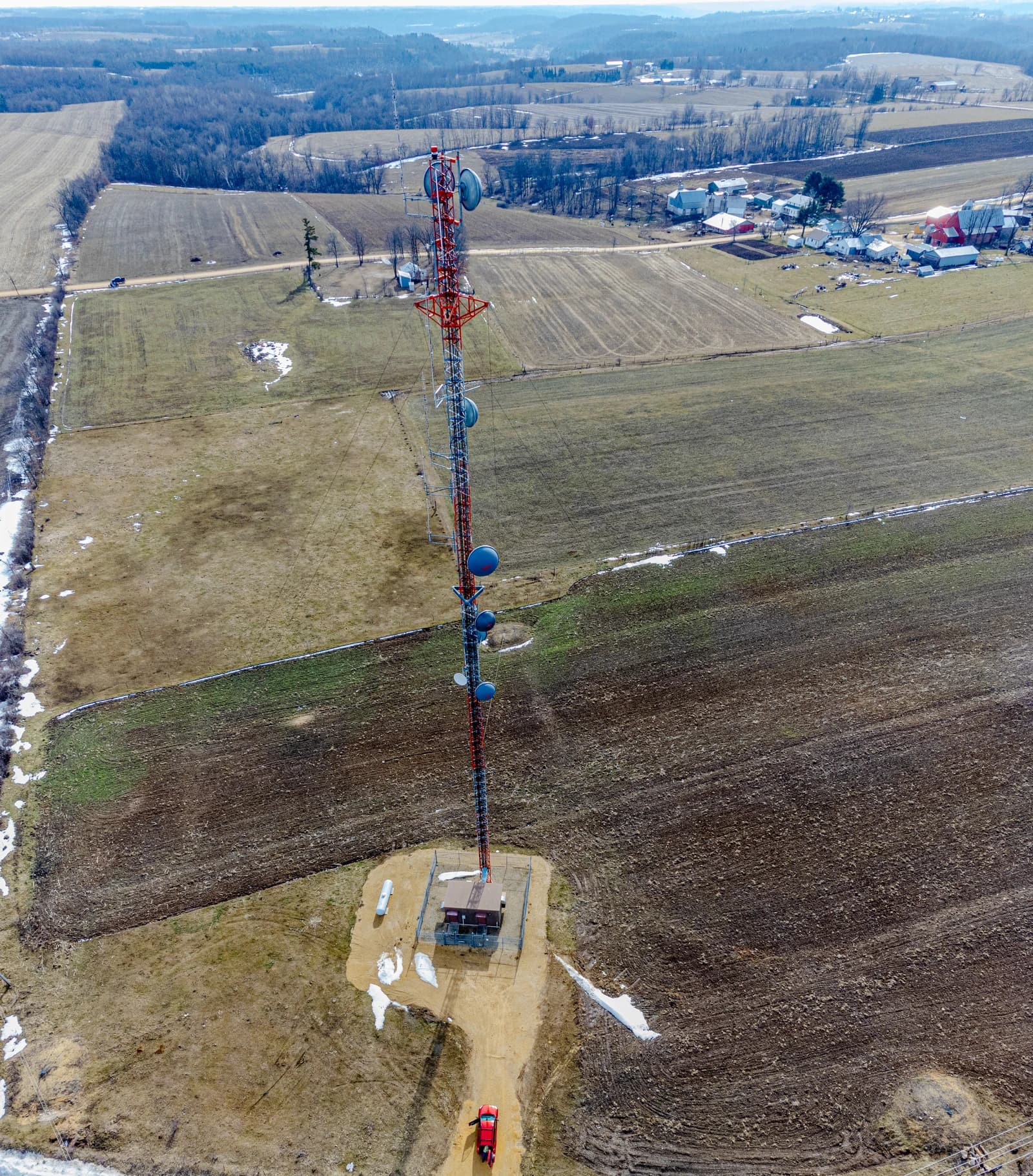
Bloomberg’s report that Elon Musk’s company is in talks to buy or lease access to as many as 80,000 cell sites across the U.S. suggests Starlink is no longer just building a complementary service for rural coverage. It is assembling the physical footprint needed for a nationwide terrestrial wireless network, a step that would put it on a collision course with Verizon, AT&T and T-Mobile.
Sentiment Indicators
That matters economically because the U.S. wireless market is one of the most durable cash engines in telecom, built on recurring subscriptions, high switching costs and massive sunk-network investment. If SpaceX is willing to pair its recently acquired low-band spectrum with a large-scale tower footprint, it is signaling that it wants to compete for the same monthly wireless spending that has long funded the incumbents’ dividends, buybacks and capital returns.
The scale alone is enough to jolt the sector. Bernstein analyst Laurent Yoon called the 80,000-site figure “a meaningful number” and said it is broadly consistent with what would be required for a nationwide terrestrial network. SpaceX has already spent about $30 billion on spectrum, and that capital commitment, combined with a tower strategy, would move the company far beyond a speculative satellite overlay. It would be a serious bid to create a parallel network stack that can serve consumers directly, not just as a rural fallback.
Investors should read this as an overhang on the whole telecom complex. Shares of AT&T, Verizon and T-Mobile sold off in premarket trading because the market understands the asymmetry: SpaceX does not need to take a huge share of the market to pressure pricing, raise churn risk and force more defensive spending from incumbents. Even if the competitive threat is years away, the valuation impact starts now, because wireless operators are priced on the stability of their cash flows.
The timing is especially important. SpaceX’s move comes after it said earlier this month that it acquired a nationwide low-band spectrum portfolio, reinforcing the view that Starlink Mobile is becoming the bigger long-term threat behind the already visible satellite broadband business. The second-order effect is clear: if incumbents must prepare for a new hybrid satellite-plus-terrestrial rival, capital allocation across the sector gets less flexible, margins get more vulnerable and the premium once attached to “safe” wireless cash flows narrows.
There is also a broader infrastructure trade here. Tower owners such as Crown Castle and American Tower could be direct beneficiaries if SpaceX ends up leasing rather than buying. Either way, the deal flow reinforces the strategic value of high-quality rooftop and macro-site assets in a world where connectivity is becoming a multi-layer battle between fiber, terrestrial wireless and satellites.
The market is still treating this as a headline risk. I think that is a mistake. SpaceX is not just teasing incumbents; it is building optionality across spectrum, satellites and towers, and that is exactly how disruptive networks get formed. The right response for investors is to watch the infrastructure layer, not just the telecom operators: tower landlords, spectrum holders and network equipment names could be the real long-duration winners if this effort advances.
| Entity | Gains | Losses |
|---|---|---|
| Crown Castle | ▲Tower lease demand | ▼N/A |
| American Tower | ▲Higher site utilization | ▼N/A |
| SpaceX / Starlink | ▲Network optionality | ▼Big capital outlay |
| Verizon, AT&T, T-Mobile | ▲N/A | ▼Pricing power and sentiment |