AT&T is trying to turn converged fiber-and-mobile service into a moat, and the latest quarter suggests the strategy is working: the company said it added more than 1 million subscribers across high-speed fiber internet and wireless, while also trimming future infrastructure spending and building toward billions in annual cost savings.
AT&T adds 1 million fiber and wireless subscribers
That matters because AT&T’s growth story is no longer just about adding lines. It is about using a combined home-broadband and mobile footprint to reduce churn, protect margins and squeeze more cash flow out of every customer relationship at a time when telecom pricing remains competitive.
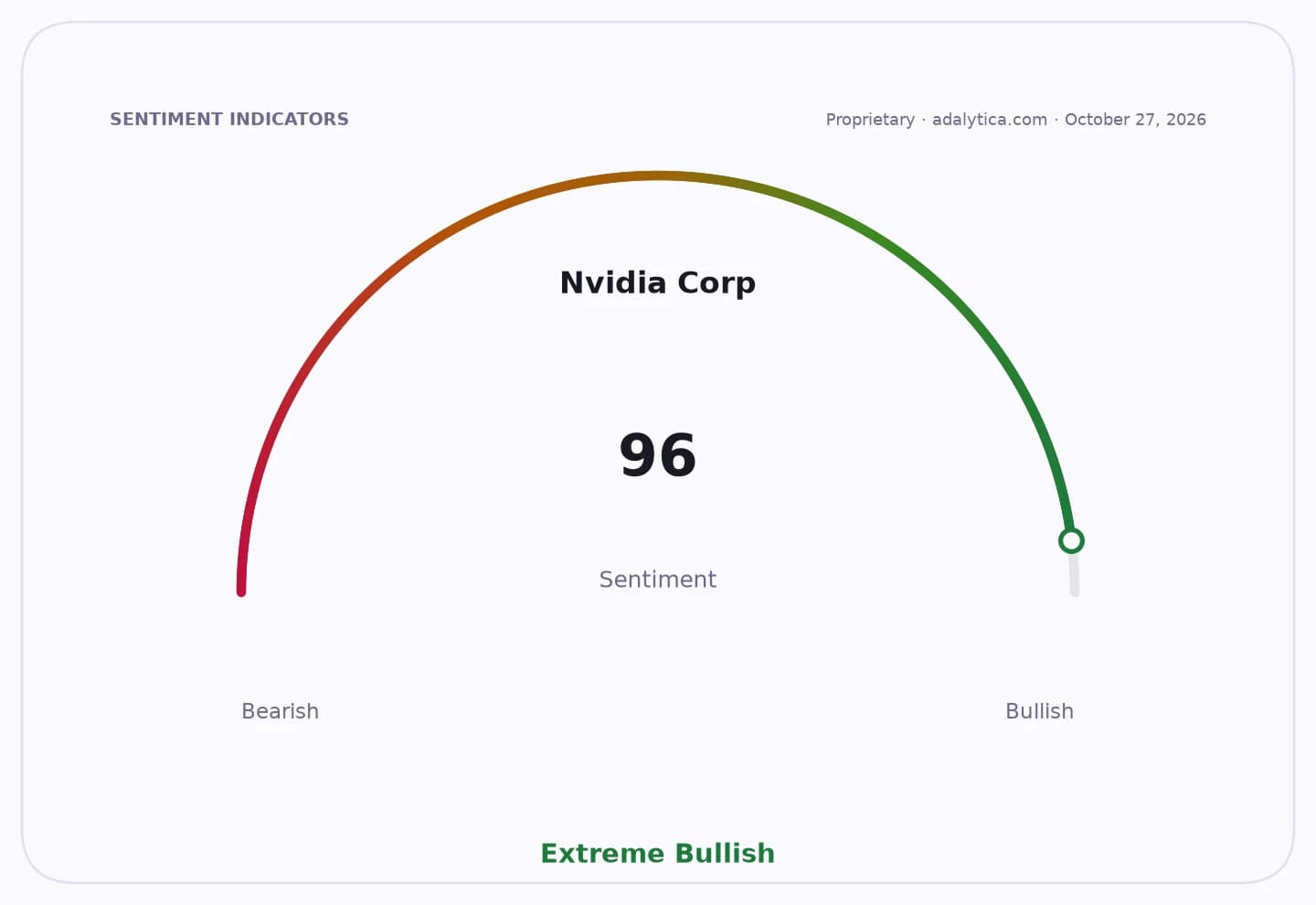
Sentiment Indicators
Management said lower construction costs on fiber could allow AT&T to reach more than 60 million fiber locations by the end of the decade while cutting annual capital investment by about $1 billion versus prior plans. For investors, that is important because telecom carriers are judged not only on subscriber growth but on how efficiently they can fund network upgrades without stretching the balance sheet.
The company also argued that dense metro fiber and 5G coverage create a competitive barrier rivals cannot easily match. That is the core of the bull case for long-term holders: bundled service tends to lock in households, raise switching costs and support more stable revenue per account than single-product plans.
AT&T is also pushing ahead with copper retirements and wire-center consolidation, with management saying more than 100 wire centers no longer support customers on legacy services. The company says those moves are feeding a target of $4 billion in annual savings, a number that would directly improve free cash flow if execution holds.
The stock has been volatile even as the operating backdrop improves. AT&T shares closed at $20.85 on Oct. 26, below the 50-day moving average of $24.45 and slightly under the 200-day average of $24.48, while the relative strength index sat at 31.5, a sign the shares were still near technically oversold territory after the recent selloff.
The broader sector backdrop shows why the bundling model matters. Verizon and T-Mobile are also leaning on fiber, broadband and wireless convergence to defend market share, but AT&T is pitching scale in dense markets and a cleaner cost structure as its edge.
For investors, the next test is whether AT&T can keep converting early fiber installs into long-term multi-product households while delivering its guidance for more than 5% full-year Advanced Connectivity revenue growth and more than 6% EBITDA growth. If it does, the company’s bundle strategy could matter more than the near-term stock volatility.
| Entity | Gains | Losses |
|---|---|---|
| AT&T | ▲Lower churn, better cash flow | ▼Need to keep spending discipline |
| Bundled customers | ▲Simpler bills, sticky pricing | ▼Less room to switch easily |
| Verizon | ▲Broader sector validation | ▼More pressure in dense markets |
| T-Mobile | ▲Convergence remains a growth race | ▼Harder to match fiber-scale moat |