Deutsche Telekom, Nokia and NVIDIA are moving an AI-based 5G radio technique from lab work toward field validation, a step that could lift network capacity without the same scale of new hardware spending that carriers have typically needed.
Deutsche Telekom, Nokia, NVIDIA test AI 5G radio
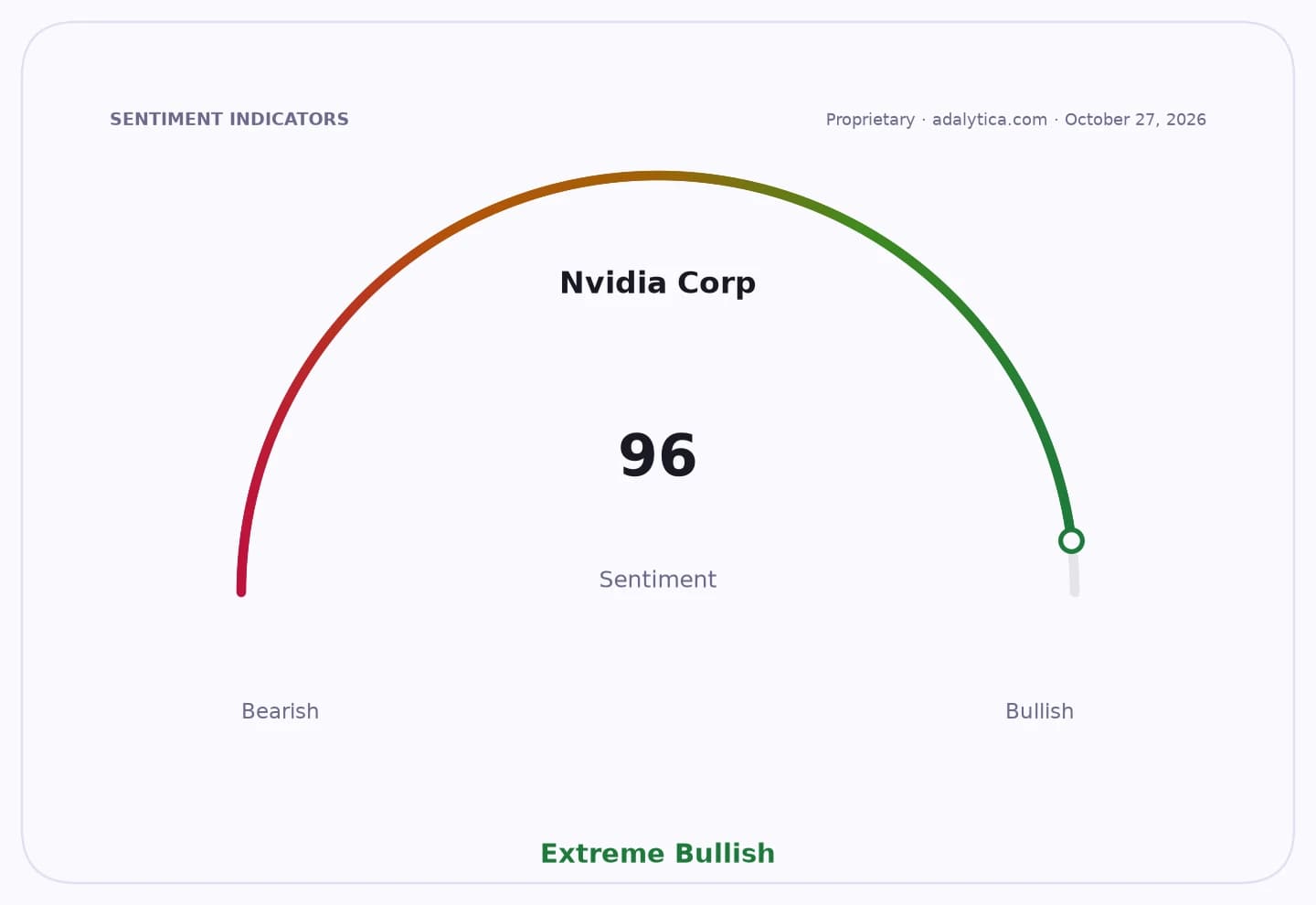
Nvidia Corp
The companies said initial laboratory measurements using AI-based channel estimation on commercial 5G RAN software and NVIDIA Aerial computing produced typical uplink throughput gains of 10% to 15%. That is economically relevant because uplink performance has become a constraint as mobile traffic shifts toward more video, cloud and enterprise applications, where sending data back to the network matters as much as downloading it.
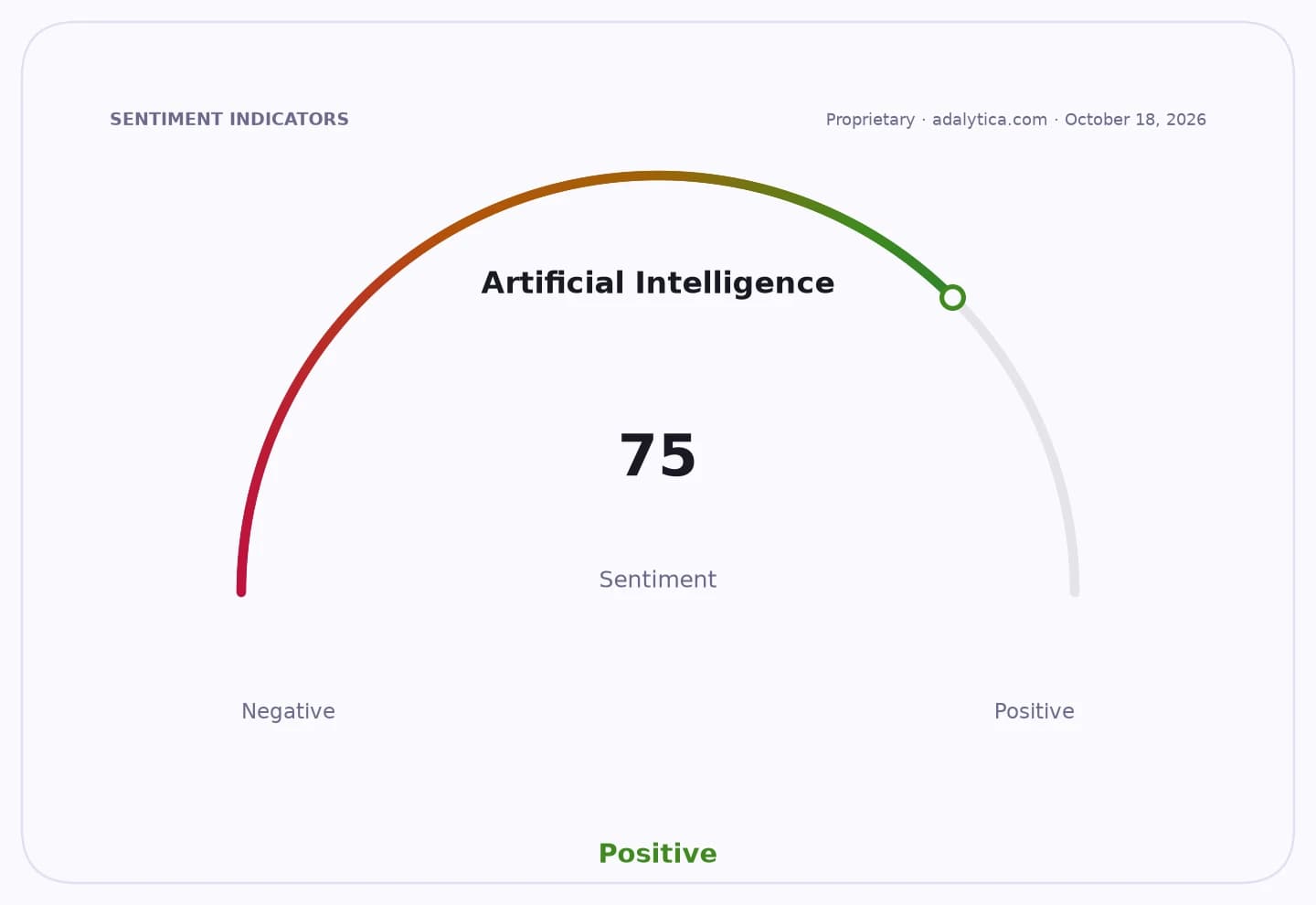
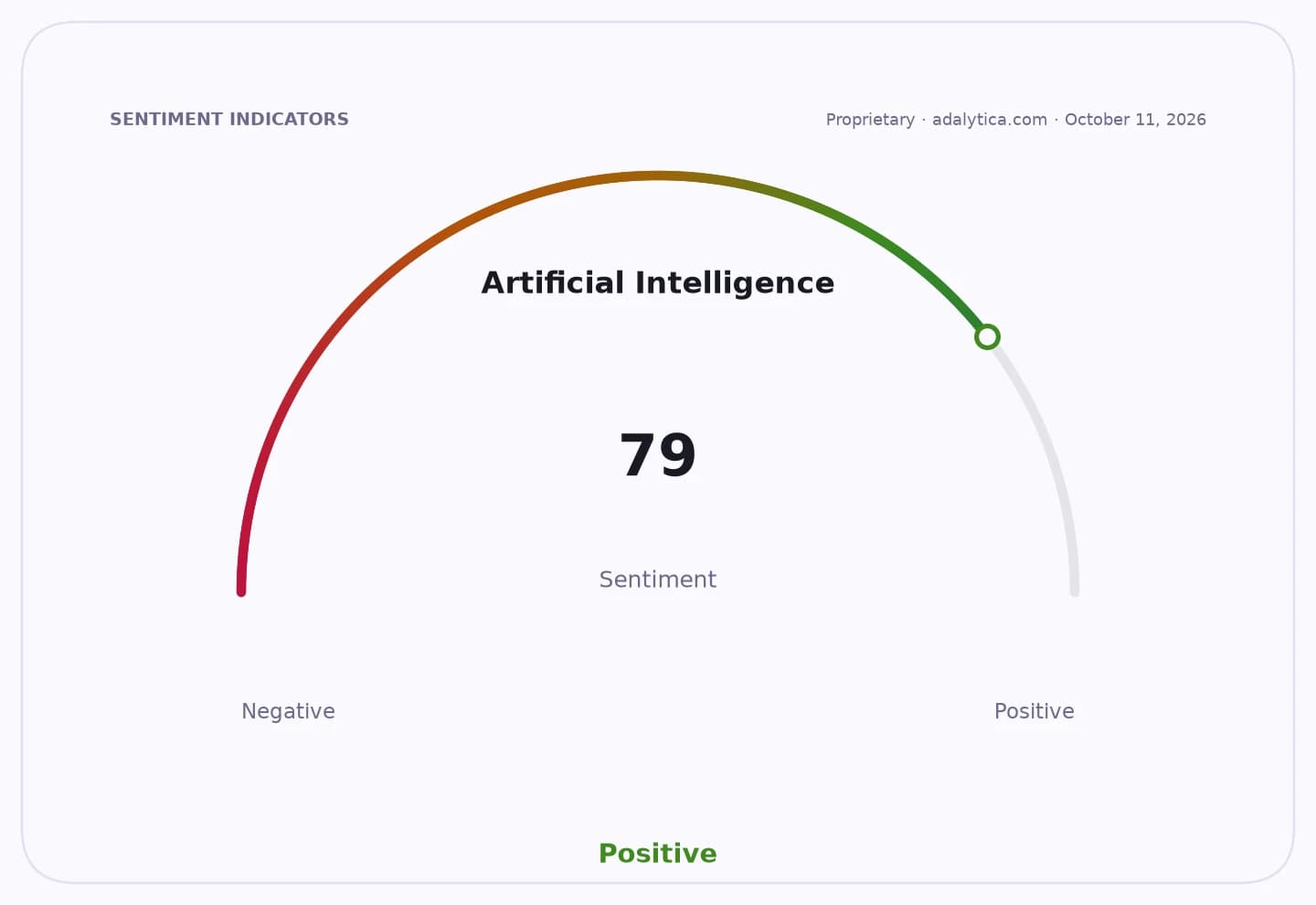
Sentiment Indicators
For carriers, even modest efficiency gains can translate into better use of scarce spectrum, lower unit costs and a longer runway before expensive densification or equipment upgrades. For Nokia, the project reinforces its pitch that AI-optimized radio software can differentiate its network business at a time when telecom vendors are under pressure to prove that 5G still supports meaningful returns. For NVIDIA, it is another example of its computing stack moving deeper into telecom infrastructure, a market that could support AI workloads at the edge as operators look for ways to monetize their networks.
The development also fits a broader industry push to use AI inside the radio access network, not just in cloud data centers. AI-driven channel estimation can improve how a base station interprets the radio environment and schedules resources, especially in complex or noisy conditions. If those gains hold in live networks, operators may be able to squeeze more performance from existing infrastructure while delaying some capital expenditure.
That said, the market will care less about the laboratory result than about whether the technology works consistently in real-world deployments and whether the performance boost justifies the added software and computing complexity. The field-validation phase becomes the real test: it will show whether the throughput gains are durable, commercially scalable and compatible with carrier economics.
For investors, the story is less about a near-term earnings driver than about optionality. Successful validation would strengthen Nokia’s narrative around AI-enabled network software and could support further ecosystem partnerships around 5G, edge computing and private networks. Failure to translate lab gains into field performance would leave the announcement as another example of promising telecom AI that does not yet move the revenue needle.
| Entity | Gains | Losses |
|---|---|---|
| Deutsche Telekom | ▲higher network efficiency | ▼added deployment complexity |
| Nokia | ▲software differentiation | ▼proof-of-concept risk |
| NVIDIA | ▲telecom AI traction | ▼depends on field results |
| Rival equipment vendors | ▲— | ▼potential share loss if validated |