Telkom Indonesia is positioning itself as a key builder of Indonesia’s artificial-intelligence economy, arguing that the country’s real opportunity is not just to use AI, but to develop the infrastructure and partnerships needed to own more of the stack.
Telkom Indonesia Pushes AI Stack Strategy
That matters because AI adoption is quickly moving from theory to deployment, and the winners over the next decade will likely be companies and countries that control connectivity, cloud, compute power, data and applications. Telkom’s message at the Danantara Technology Innovation Investment Forum in Jakarta was that Indonesia needs all of those pieces working together if AI is to lift productivity across industry rather than remain a headline technology.
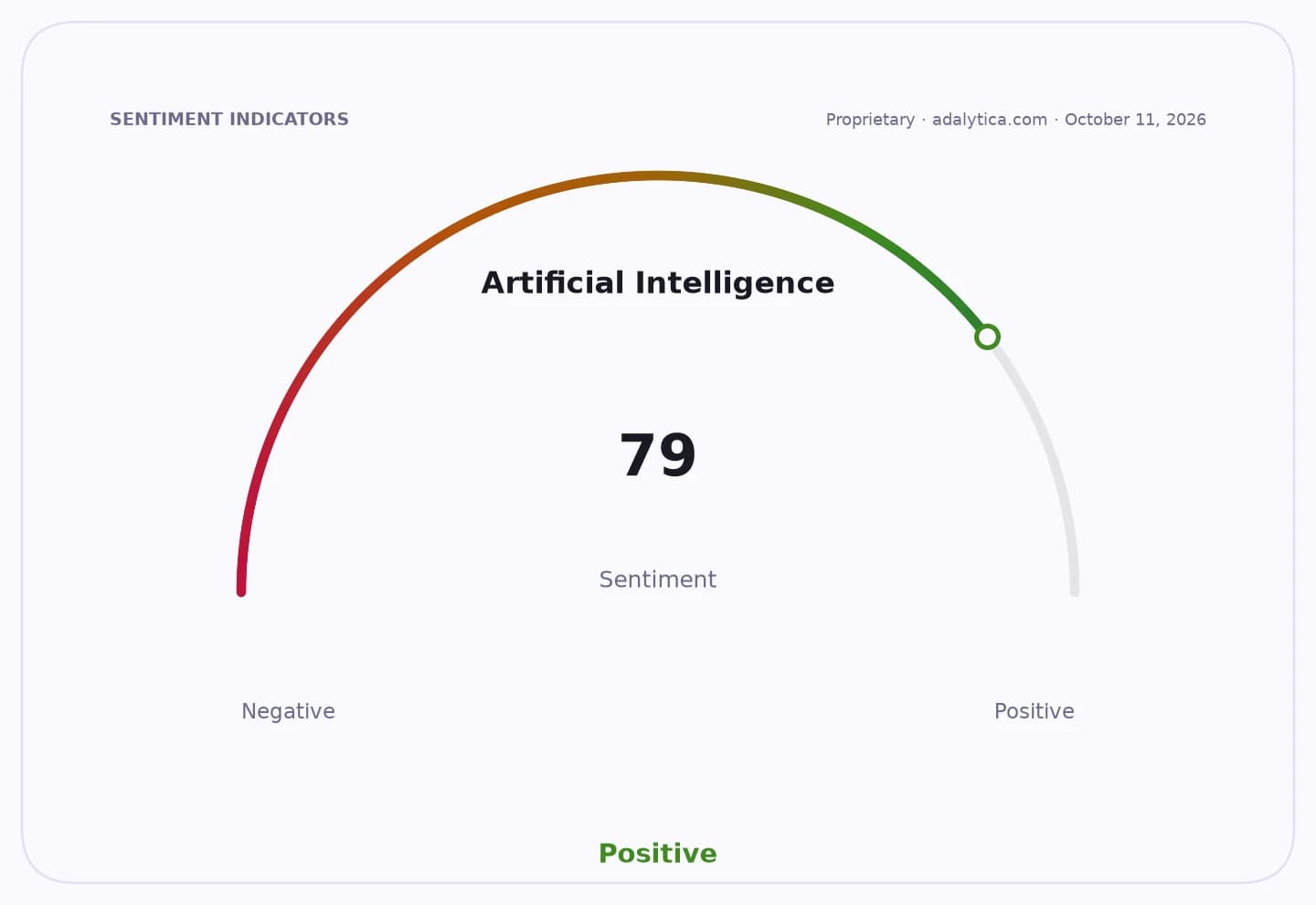
Sentiment IndicatorsⓘProprietary · adalytica.com · October 11, 2026
This is a snapshot — live sentiment, awareness and momentum for 130+ markets update continuously in the dashboard.Open AlphaPulse
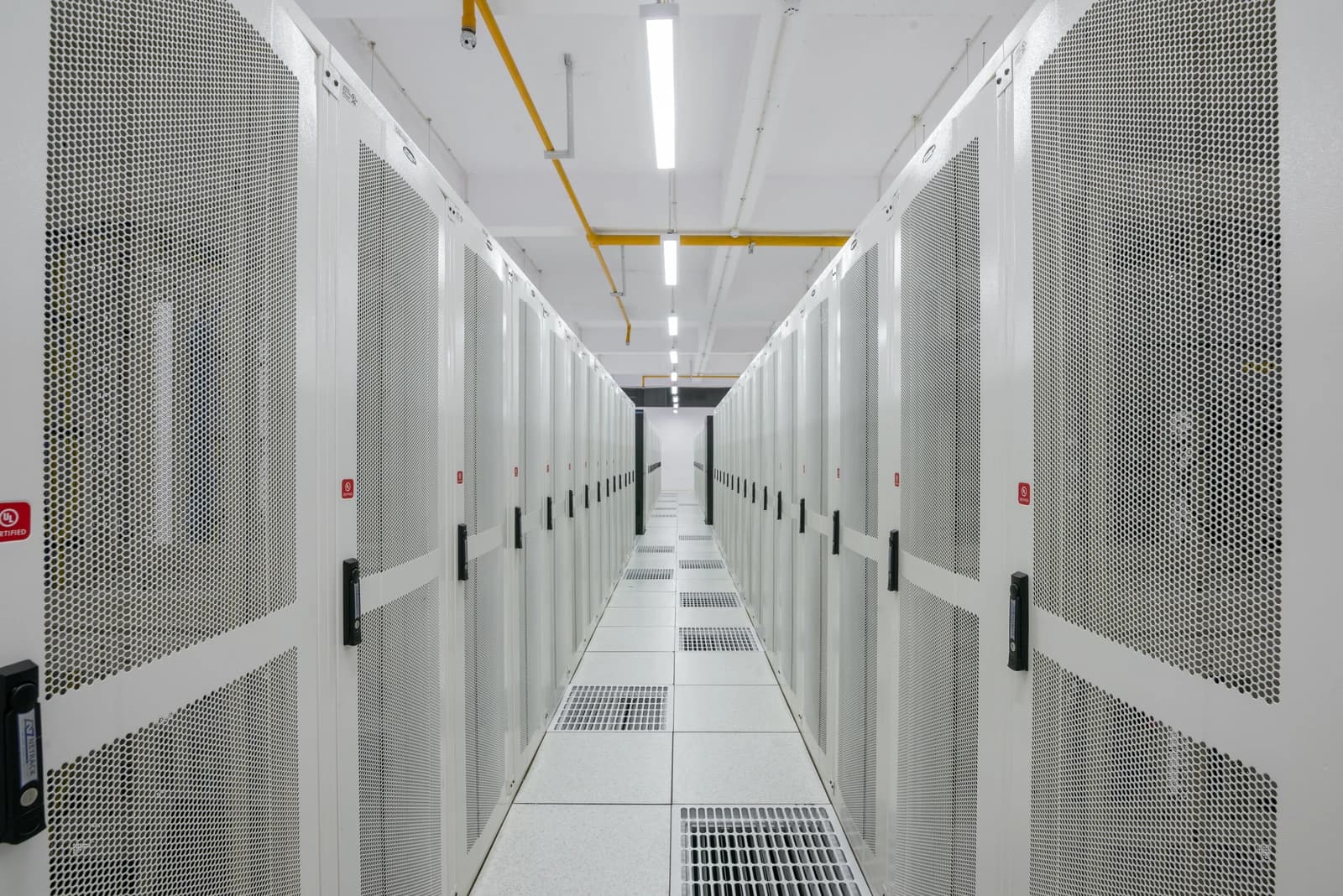
For Telkom, the strategy is straightforward but important: bundle its telecom network, data centers, cloud, AI models and digital services into one ecosystem that can support enterprises from the ground up. The company said Telkom Solution is built around that integrated “AI stack,” starting with connectivity and digital infrastructure and moving through cloud, compute and AI applications. In practical terms, that gives Telkom a way to sell more than bandwidth. It can sell the plumbing, the processing power and the software layer that businesses need to deploy AI at scale.
That broadens the economic case for Telkom as well. Indonesia still faces familiar bottlenecks in digital transformation: patchy infrastructure, uneven data readiness and a shortage of specialized talent. By leaning into those gaps, Telkom is trying to turn national modernization into a long-duration revenue opportunity. If more enterprises adopt AI, demand should rise for fiber, satellite capacity, data centers, cloud services and managed digital solutions. That is the sort of recurring, infrastructure-linked business investors tend to value more highly than one-off technology projects.
The company also signaled that it sees collaboration as the real catalyst. Telkom said Indonesia should aim not merely to consume imported AI tools, but to help build an ecosystem suited to local needs. That framing matters for investors because it points to a multi-year investment cycle rather than a quick product launch. It also suggests Telkom wants to be a platform company for public and private sector digitalization, not just a legacy telco defending market share.
The market backdrop is supportive. Around the world, AI deployment is accelerating, while leading technology groups increasingly favor proprietary tools and in-house capabilities over third-party models. That shift underscores a broader lesson for investors: the most durable AI plays may be the companies that own scarce infrastructure and distribution, not just the firms chasing software buzz. In Indonesia, Telkom is trying to occupy that advantaged middle ground.
Telkom’s shares have been volatile, which is not unusual for a company straddling legacy telecom economics and a new digital-growth story. But the long-term thesis is less about near-term price swings and more about whether the company can convert its national footprint into a larger role in enterprise AI. The recent technical backdrop shows the stock has been trading well below its longer-term trend, which may reflect skepticism about execution more than the size of the opportunity.
The investment question now is whether Telkom can keep turning strategic ambition into commercial adoption. If it can pair its infrastructure edge with real enterprise use cases, AI could become a meaningful growth layer on top of a mature telecom base. For long-term investors, that makes Telkom worth watching as Indonesia’s AI buildout moves from conference-stage vision to actual deployment.
| Entity | Gains | Losses |
|---|---|---|
| Telkom Indonesia | ▲New enterprise AI revenue | ▼Pure connectivity model |
| Indonesian businesses | ▲Better AI infrastructure | ▼Technology laggards |
| Foreign AI vendors | ▲Market access | ▼Pricing power |
| Long-term investors | ▲Secular growth optionality | ▼Short-term traders |