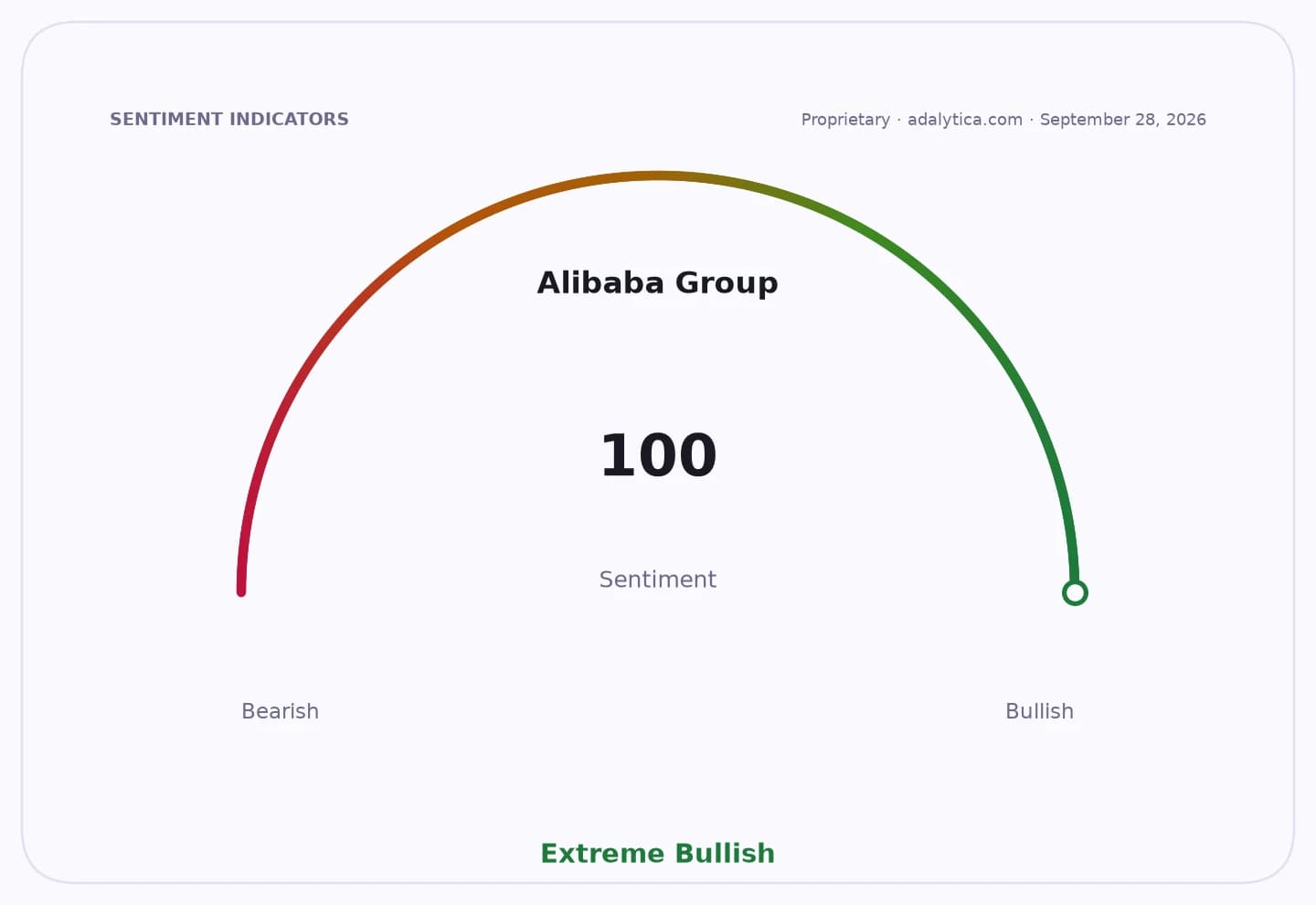
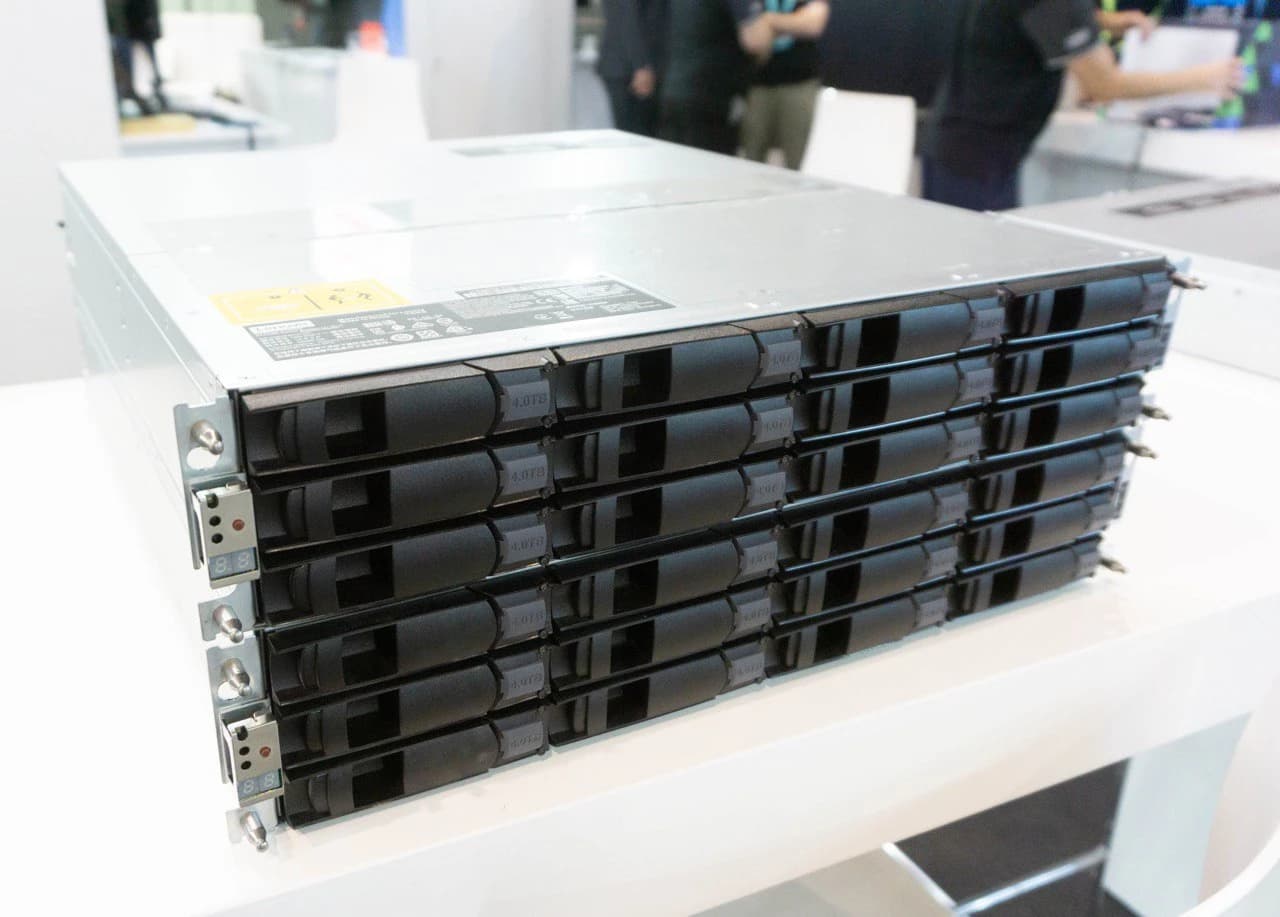
Alibaba Cloud is widening its global footprint and rolling out new artificial intelligence tools at the same time, a combination that could help turn AI experimentation into a more durable cloud revenue engine.
Alibaba Cloud expands regions and AI tools
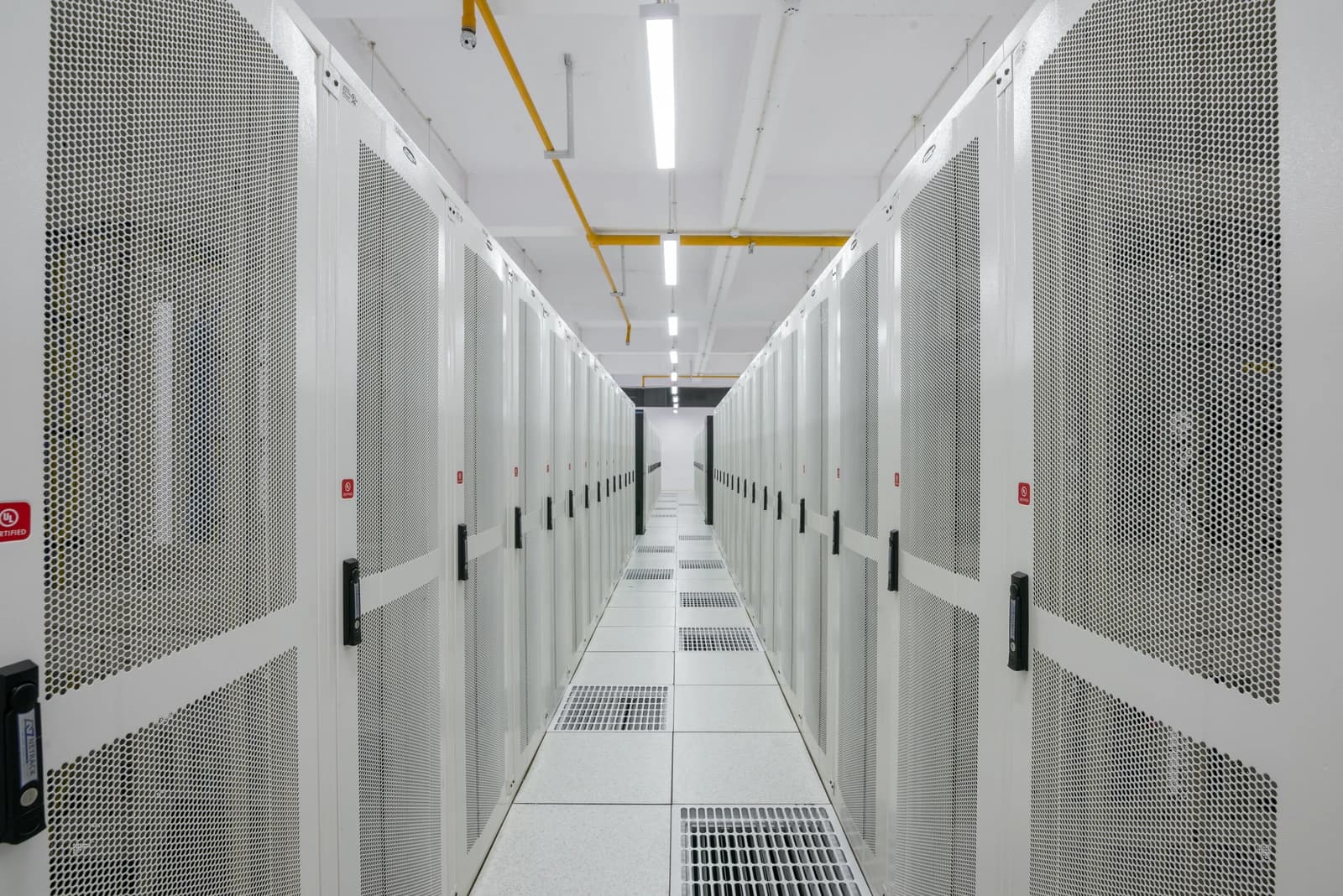
The company said at its Apsara Conference that it plans to open its first cloud regions in Turkey, Finland and the Netherlands over the next 12 months, while also expanding data center networks in Malaysia, Germany, the United Arab Emirates, France and Hong Kong. That takes on outsized importance because cloud customers increasingly want compute capacity closer to end users, lower latency and more data-sovereignty options before they commit to large-scale AI deployments.
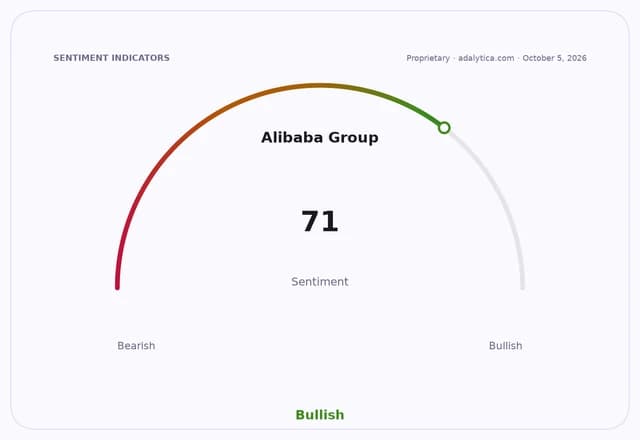
Sentiment IndicatorsⓘProprietary · adalytica.com · October 5, 2026
This is a snapshot — live sentiment, awareness and momentum for 130+ markets update continuously in the dashboard.Open AlphaPulse

For investors, the bigger message is that Alibaba is trying to make AI easier to buy, not just easier to talk about. Its new Smart Studio, Smart Fusion and Smart Video offerings are built as ready-made business tools, which matters because enterprise customers usually want fast deployment and predictable costs. Alibaba said Smart Studio can help companies build branded Model-as-a-Service platforms in minutes, while its inference architecture delivers throughput up to 505% higher than standard open-source frameworks. Smart Fusion is designed to cut token costs by about 50% through a single API that combines multiple models in real time. Smart Video targets the growing market for automated content creation, from short dramas to advertising.
That matters economically because the cloud business is moving from raw storage and compute toward higher-margin AI services. If Alibaba can keep customers inside its ecosystem as they build agents, content tools and workflow automation, it can deepen usage across infrastructure, platform and application layers. That is the kind of mix shift long-term investors like to see in cloud businesses, because it can lift customer stickiness and eventually improve pricing power.
There is already evidence the strategy is resonating across industries. Lion Parcel in Indonesia is using Alibaba’s Qwen-VL-Plus model to automate financial document processing and optical character recognition. Panasonic Digital in Shanghai said Alibaba tools cut meeting-minutes creation time by 80% and made contract review 10 times more efficient. Unity China, Loomi Entertainment Group and AnyMind Group are also integrating Alibaba models into software development, content production and live-commerce workflows.
The backdrop is a global race to build AI infrastructure and prove that the spending frenzy can translate into real-world productivity gains. That is why Alibaba’s push to expand regions and present packaged AI products is more than a product announcement. It is an attempt to capture enterprise demand as AI moves from pilot projects to operational systems.
The stock market, meanwhile, seems to be waiting for proof that those efforts can translate into durable growth. Alibaba’s shares have been volatile, and standard technical indicators such as the 50-day and 200-day moving averages still suggest investors are assessing the pace of the recovery rather than embracing a straight-line rebound. But for patient investors, the strategic case is straightforward: if Alibaba Cloud can turn AI adoption into a larger installed base and stronger recurring revenue, the payoff may unfold over years, not quarters. That makes the expansion worth watching, and potentially worth owning for long-term believers in cloud and AI.
| Entity | Gains | Losses |
|---|---|---|
| Alibaba Cloud | ▲more enterprise demand | ▼near-term execution pressure |
| Corporate customers | ▲faster AI deployment | ▼higher dependence on one platform |
| Global rivals | ▲tougher competition | ▼share gain risk |
| Long-term investors | ▲stronger cloud monetization | ▼short-term volatility |