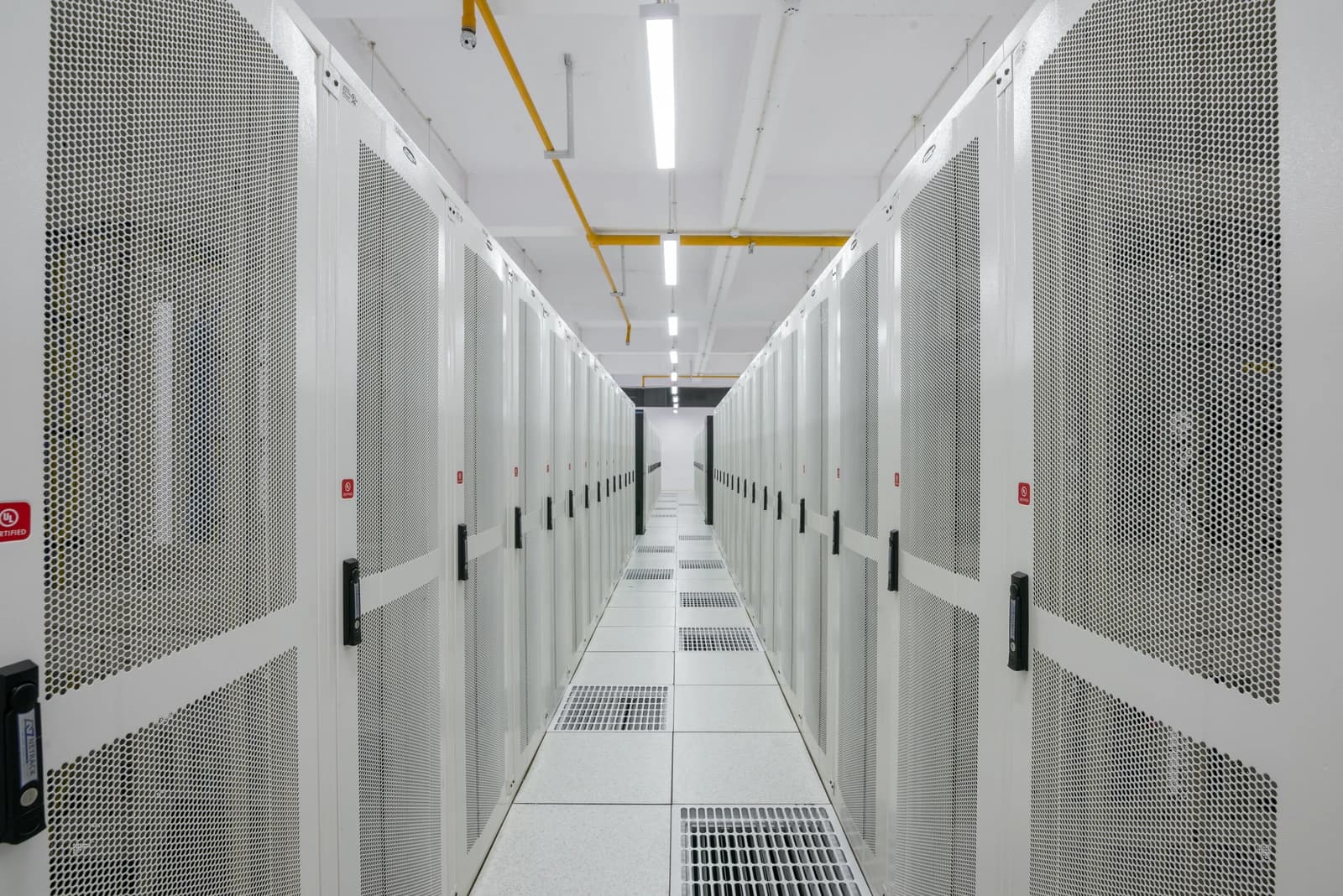
Lenovo is broadening its infrastructure software and services push as enterprises look to modernize virtualized environments without ripping out existing systems, a strategy aimed at capturing a bigger share of the multi-year spending cycle around AI-ready data centers.
Lenovo expands infrastructure software and services
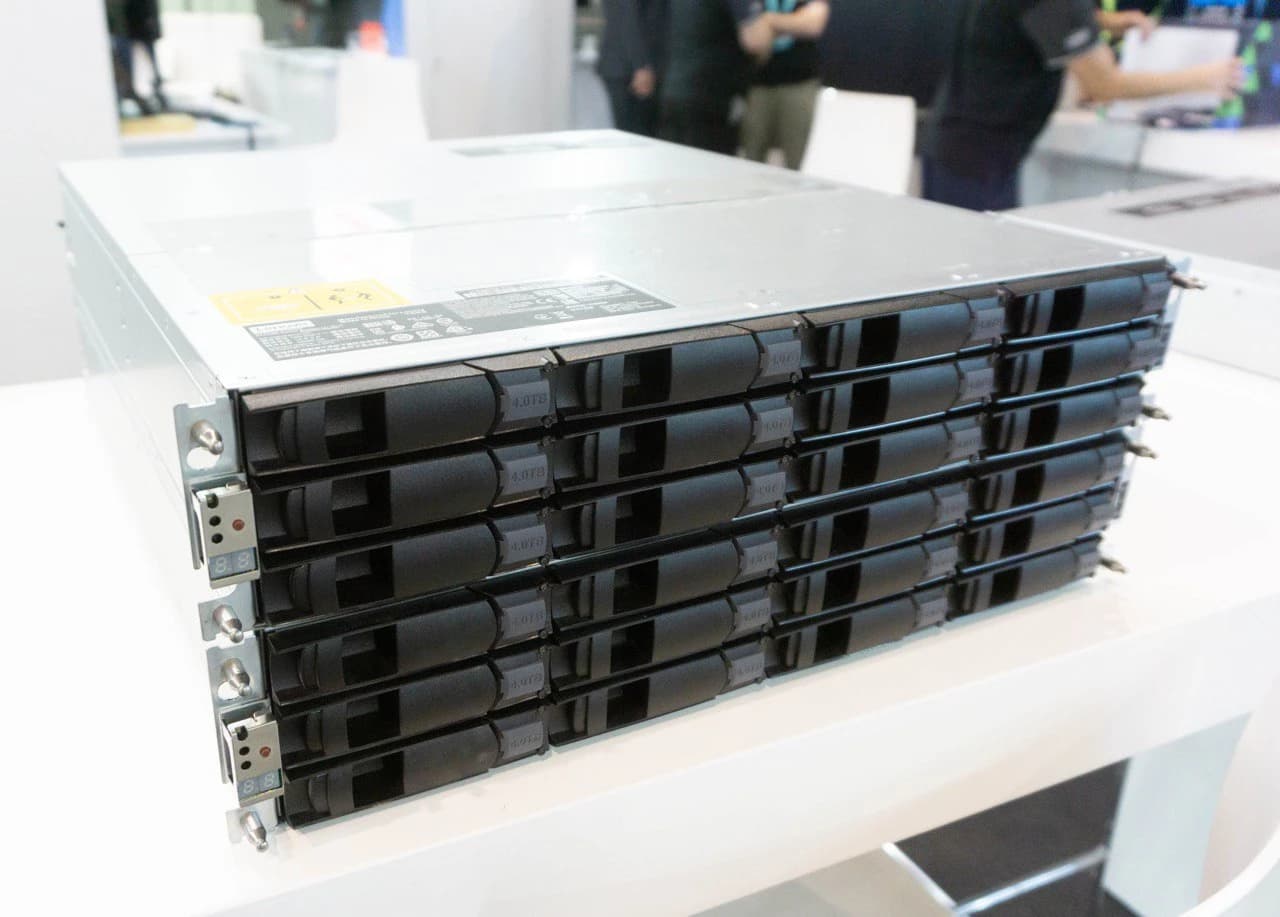
The company said its latest portfolio is designed to help customers simplify virtualization, strengthen cyber resilience and prepare compute stacks for AI workloads, an approach that targets a market where many firms want incremental upgrades rather than full replacements. That matters because the next phase of enterprise AI adoption is increasingly constrained less by model quality than by whether storage, orchestration and server layers can handle heavier in-memory workloads, mixed structured and unstructured data and tighter security requirements.
Sentiment IndicatorsⓘProprietary · adalytica.com · October 5, 2026
This is a snapshot — live sentiment, awareness and momentum for 130+ markets update continuously in the dashboard.Open AlphaPulse
At the center of the launch is ThinkAgile VX850 V4, which Lenovo says is built for highly virtualized enterprise environments and demanding workloads. The system is meant to support business applications today while creating capacity for future AI integration, a positioning that plays directly into the current demand for infrastructure that can bridge conventional virtualization and newer AI architectures.
Lenovo is pairing the hardware with a more hands-on services layer through Premier Deploy for Infrastructure, offered in Standard Deploy, Premier Deploy and Premier Deploy Plus tiers. The service is intended to compress the time between procurement and production use, which can be as important as raw performance for buyers facing talent shortages and pressure to move faster on infrastructure refreshes. Lenovo also expanded its Express Solutions line through Top Choice Express, pre-validated configurations that combine its hardware with software stacks from Microsoft Hyper-V, Red Hat OpenShift Virtualization, Microsoft Azure Local, Nutanix Compute Cluster and SUSE Virtualization.
The move fits a wider industry pattern in which enterprise customers are shifting from experimental AI spending toward the unglamorous work of platform readiness. That includes resilience against ransomware, interoperability across mixed-vendor environments and operational tooling that reduces lock-in. Lenovo said its storage and HCI products now include integrated cyber resilience capabilities, while XClarity Controller 3 and XClarity One are aimed at streamlining operations using open standards.
For investors, the significance is that Lenovo is trying to monetize an area of IT spending that sits upstream of AI inference and application rollouts. If it can win more of the modernization budget, the company may improve the quality of its infrastructure mix and deepen customer relationships against larger rivals in enterprise hardware and systems integration. Dell and HPE are also pressing into AI-optimized infrastructure, making execution and channel reach critical in a market where the addressable opportunity is growing but differentiation is narrowing.
The bull case is that Lenovo’s open-ecosystem approach lowers switching friction for conservative enterprise customers and gives it a credible pitch for phased modernization. The bear case is that the market may remain highly competitive, with buyers squeezing pricing and preferring vendors with deeper installed bases in AI servers and cloud-adjacent infrastructure. Either way, the launch underscores a broader shift: AI demand is no longer only about chips and models, but about the underlying virtualization, security and deployment stack that determines whether enterprise AI can scale.
| Entity | Gains | Losses |
|---|---|---|
| Lenovo | ▲Bigger AI infrastructure footprint | ▼More pressure to prove execution |
| Enterprise buyers | ▲Faster modernization, less lock-in | ▼Higher integration complexity |
| Dell and HPE | ▲Stronger market demand | ▼Sharper competition for budgets |
| Cloud-first vendors | ▲Indirect demand for hybrid tools | ▼Some on-prem spend retention |