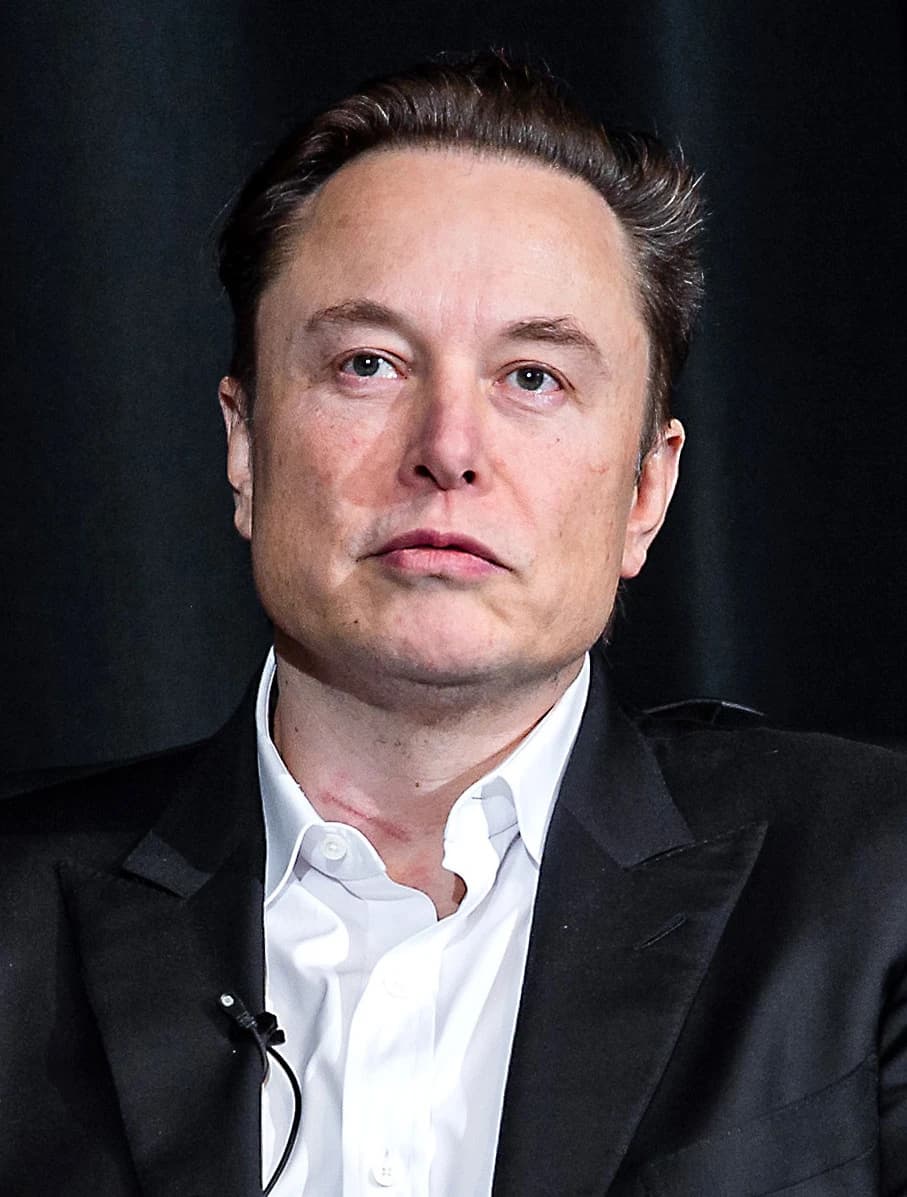
Tesla and SpaceX’s exploratory merger talks are already running into governance concerns that could complicate what would be the biggest corporate transaction in history, as investors and advisers wrestle with whether Elon Musk’s influence can be fully walled off from the process.
Tesla SpaceX merger talks face governance concerns
The problem is not just size. A tie-up between the electric-vehicle maker and the rocket company would combine two of Musk’s most closely linked businesses, raising the same related-party issues that dogged Tesla’s 2016 SolarCity purchase and eventually triggered years of litigation.
Sentiment Indicators
Musk said this week that both companies had formed special committees to review possible structures, including a SpaceX acquisition of Tesla or a merger under a new holding company. But people familiar with the matter said the talks are still early and that SpaceX approached Tesla only in recent weeks, with advisers now examining an all-stock deal and other structures.
That matters because independent directors are supposed to protect Tesla’s public shareholders in any conflicted transaction. In the SolarCity case, courts scrutinized whether Musk’s public backing and ties to the board undermined fairness, and Tesla directors later settled allegations for $60 million. Sources said some participants in the new discussions fear Musk’s public endorsement could again fuel claims that the process is not sufficiently insulated.
The legal backdrop is less predictable this time because Tesla is now incorporated in Texas, not Delaware. Columbia law professor Eric Talley said Texas could prove a “wild card” since there is little precedent there for this kind of case, but he said litigation risk would ultimately turn on the terms of any deal and which side gets the better bargain.
For investors, the deal would be transformative if it ever advanced. A combined SpaceX-Tesla group would span EVs, rockets, defense and AI, and analysts say Musk’s ownership stakes — nearly a fifth of Tesla and just under half of SpaceX — could give him control of the merged company.
Tesla shares have been volatile around the announcement, with the stock closing at $407.46 on Tuesday after a recent run-up that pushed it above both its 50-day and 200-day moving averages. The technical setup suggests momentum is still positive, though the move has also left the stock more vulnerable to sharp reversals if merger enthusiasm fades or legal scrutiny intensifies.
A deal would also invite close review from regulators, especially because Tesla has significant exposure to China and SpaceX does business with the U.S. defense establishment. That means any eventual transaction would face not just shareholder scrutiny, but likely antitrust, national-security and cross-border review as well.
For now, the main risk is that Musk’s own comments have made the process messier. If the committees cannot convincingly show independence, the merger may become less a story about industrial scale and more a replay of the governance battles that have followed Musk for years.
| Entity | Gains | Losses |
|---|---|---|
| Tesla shareholders | ▲Potential simplification, control premium | ▼Governance risk, litigation exposure |
| SpaceX | ▲Broader capital access, public-market optionality | ▼Regulatory scrutiny, deal complexity |
| Elon Musk | ▲Unified control over both companies | ▼Forced recusal, conflict allegations |
| Short sellers / skeptics | ▲Limited upside if deal stalls | ▼Momentum bid if merger hopes build |