Tesla reported a sharp drop in third-quarter profit as the company poured more cash into artificial intelligence, robotics and autonomous driving, even as investors focused on Elon Musk’s disclosure that special committees at Tesla and SpaceX are weighing a possible combination.
Tesla profit falls on AI and robotaxi spending
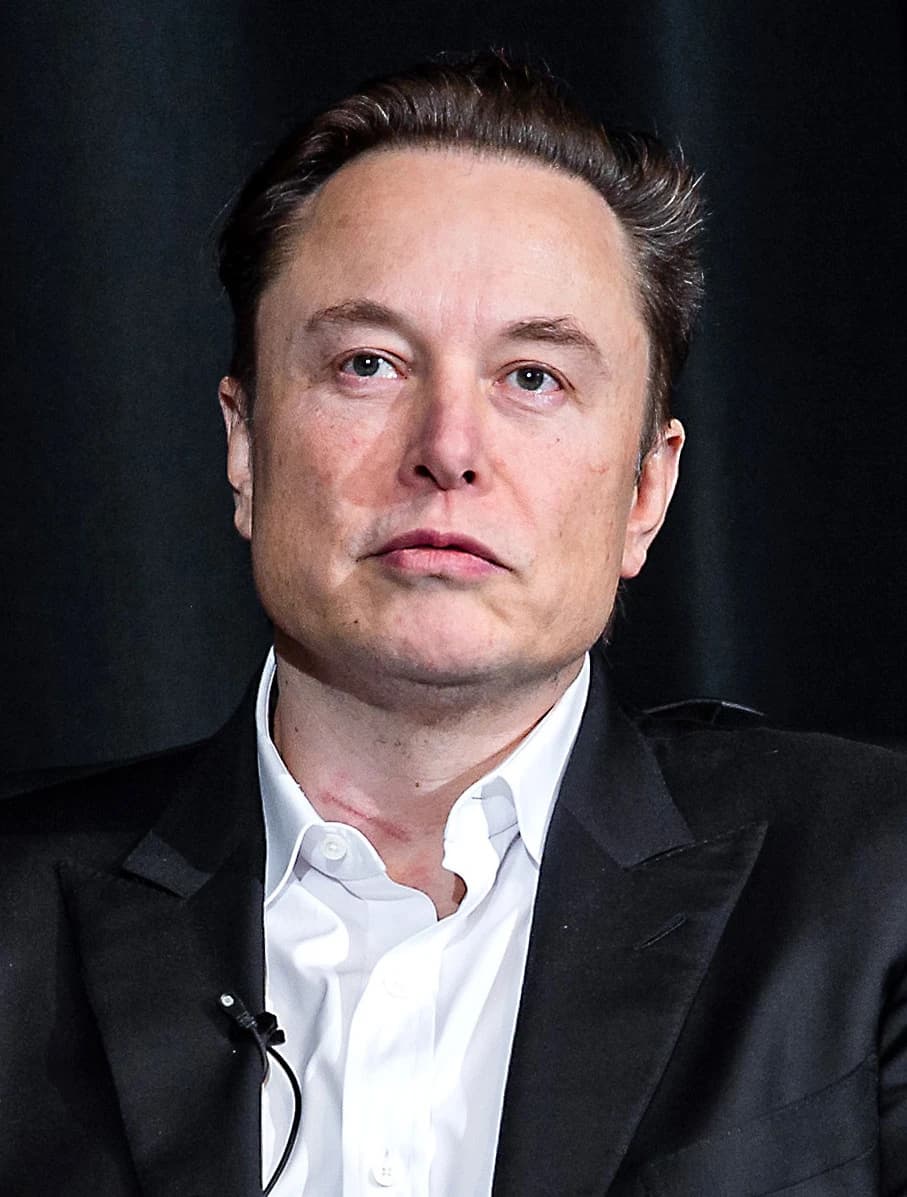
The profit miss underscores a central tension for Tesla: Musk is asking shareholders to fund a bigger, riskier expansion into AI and autonomous transport while the core auto business grows only modestly and remains under pressure from weaker revenues in regulatory credits and energy storage. For investors, that makes the stock increasingly a bet on future platform businesses, not just electric vehicle margins.
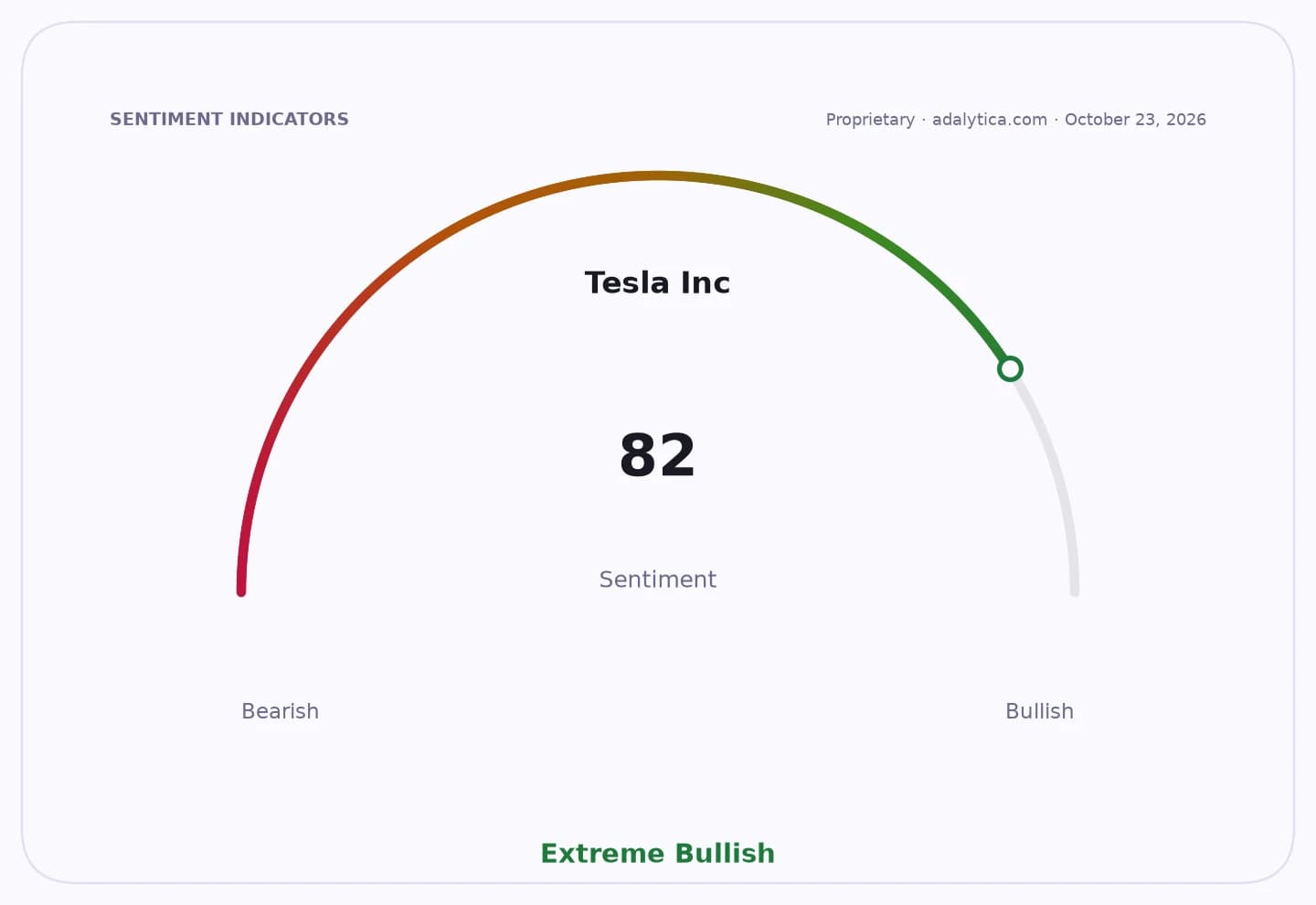
Sentiment Indicators
Net income fell 42.7% to $787 million on revenue that was essentially flat at $28 billion. Research and development spending more than doubled, while capital expenditure surged to $4.7 billion in the quarter as Tesla stepped up work on robotaxis, humanoid robots and chip design. Chief Financial Officer Vaibhav Taneja said Tesla now expects 2026 capital spending of about $20 billion, down from his July projection of more than $25 billion, but still more than double the company’s 2025 budget of $8.5 billion.
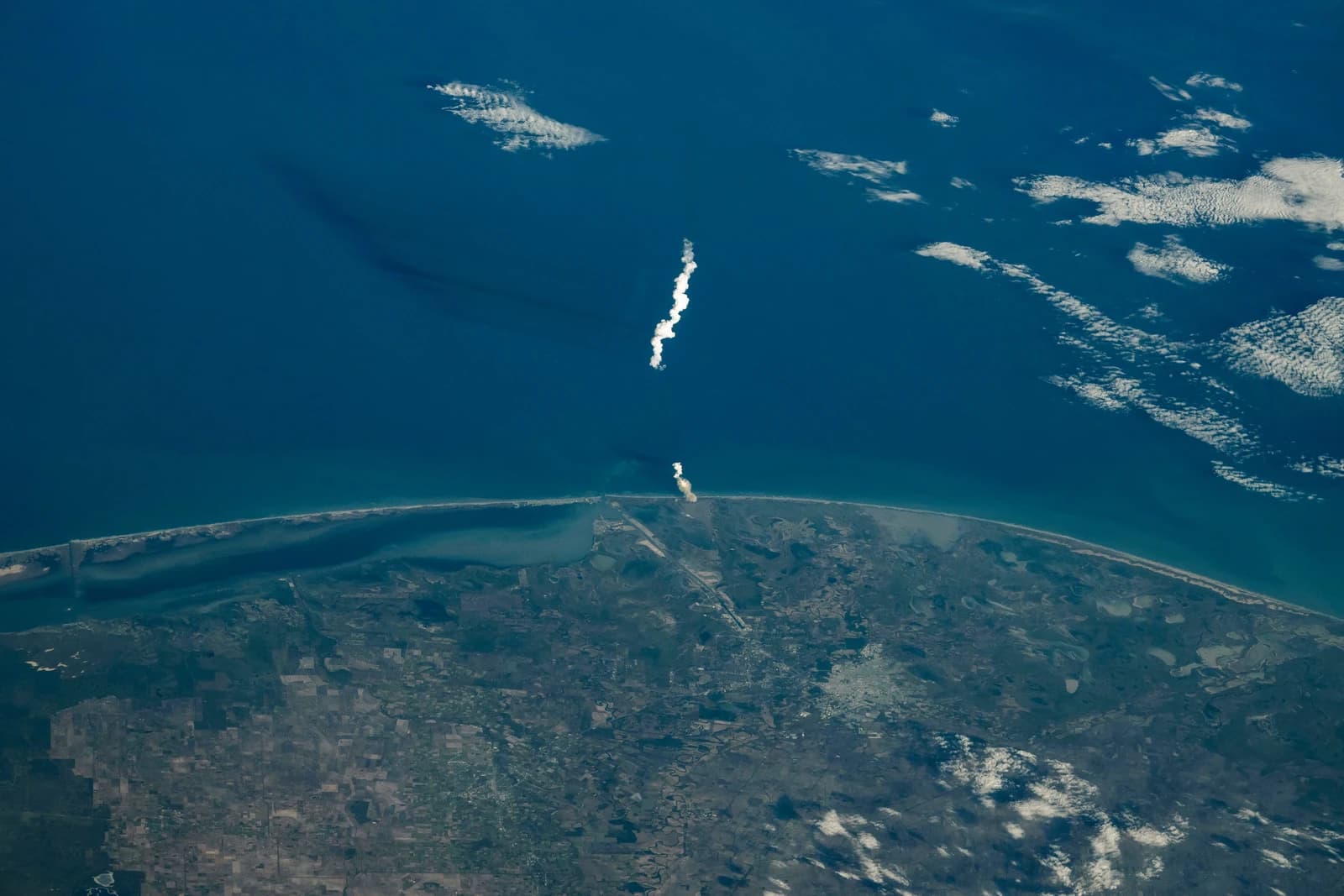
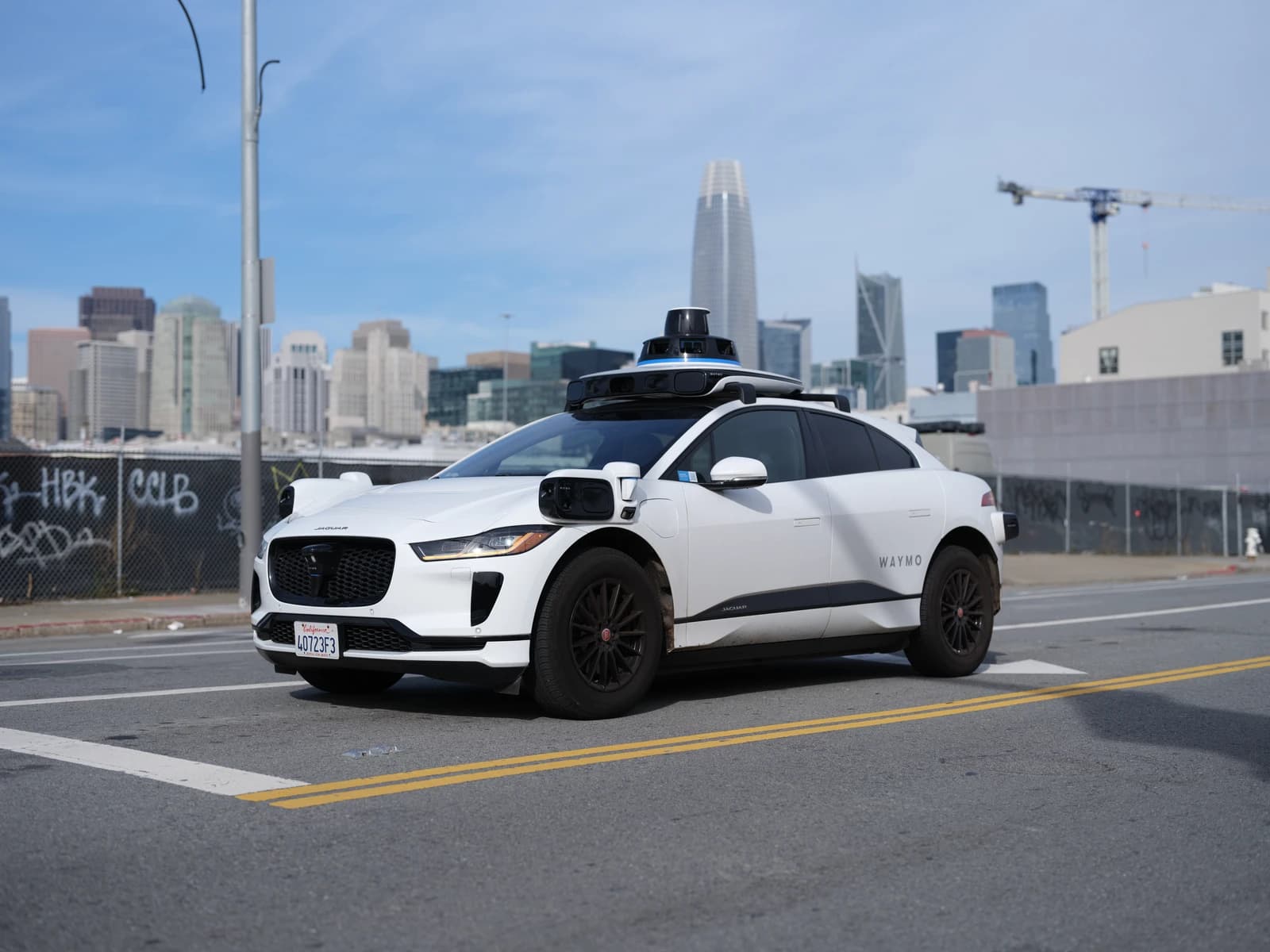
The spending is aimed at projects Musk says could reshape the company’s economics, including robotaxis, the Optimus robot and a chip factory in Austin jointly with SpaceX. Tesla said cumulative unsupervised robotaxi miles grew eightfold quarter over quarter after the September 3 launch in Austin, though the rollout remains small and closely watched after years of missed timelines on self-driving.
Musk’s most market-moving disclosure may have been the potential Tesla-SpaceX tie-up. The two companies have a combined equity value of more than $3.5 trillion, and the talk helped lift both stocks Wednesday even as Tesla later gave back gains. Tesla shares were down 3.3% near 0050 GMT after initially rising in after-hours trade, and the stock remains above its 50-day moving average and the 200-day moving average, with RSI readings pointing to elevated but not overheated momentum after the latest move.
The merger discussion adds a new layer of uncertainty around Tesla’s structure and valuation. Analysts say the idea could deepen exposure to Musk’s broader empire and its synergies in AI, chips and robotics, but it also raises governance questions at a time when Musk is under political scrutiny and his businesses are already facing demands for heavy capital.
For investors, the next catalysts are whether Tesla can convert robotaxi growth into meaningful revenue next year, whether spending stays on the lower path outlined by management, and whether Musk turns the SpaceX discussion into a formal deal process or a distraction that keeps the stock tied to headline risk.
| Entity | Gains | Losses |
|---|---|---|
| Tesla bulls | ▲AI and robotaxi upside | ▼Near-term profit pressure |
| SpaceX holders | ▲Possible valuation lift | ▼Merger uncertainty |
| Elon Musk | ▲Strategic control and scale | ▼Governance scrutiny |
| Short sellers | ▲Volatility and headline risk | ▼Rally if deal momentum builds |