Alphabet’s Waymo is starting to look less like a side project and more like the clearest threat to Tesla’s autonomy premium, and that matters because the market has been paying Tesla as if it owns the future of robotaxis.
Alphabet Waymo vs Tesla Robotaxi Valuation
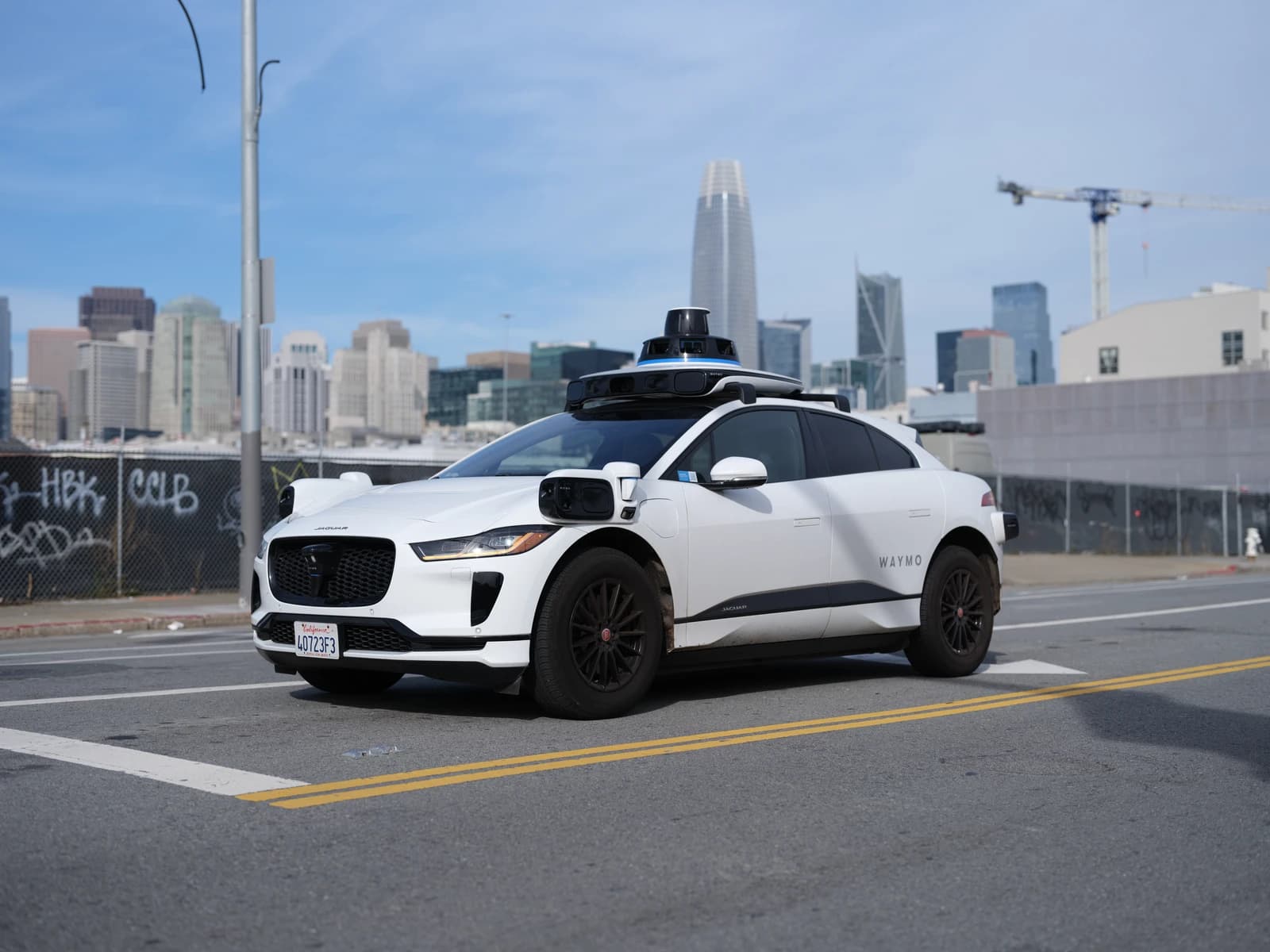
That premium is huge. Tesla trades at about 382 times earnings, while Alphabet changes hands at roughly 15 times. Yet Waymo is already logging about 500,000 autonomous rides a week, versus Tesla’s roughly 380,000 miles of unsupervised Robotaxi driving disclosed on its latest call. For investors, that gap is the whole story: Tesla is still being valued for a promise, while Alphabet is using an already-profitable core business to scale a real-world service.
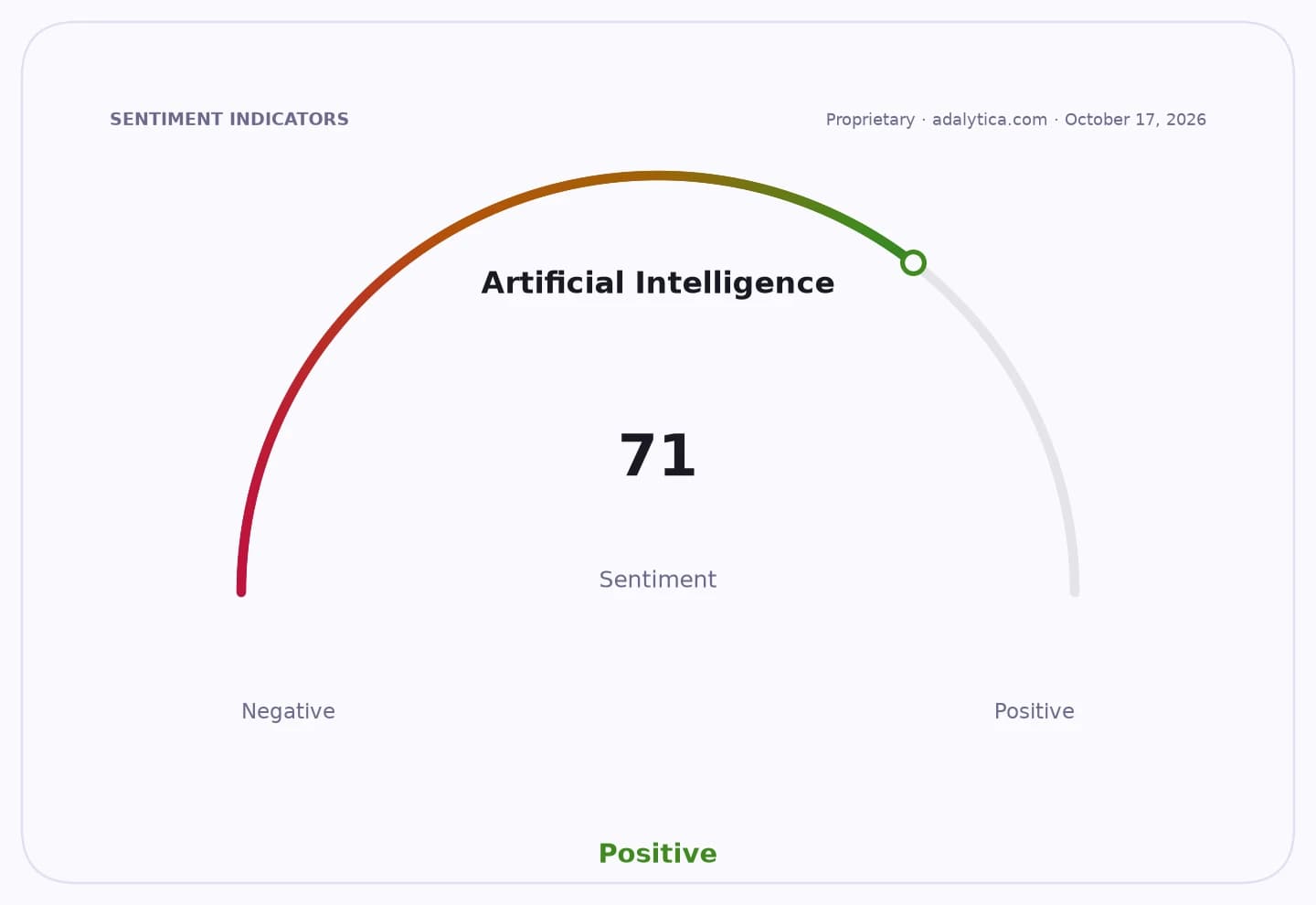
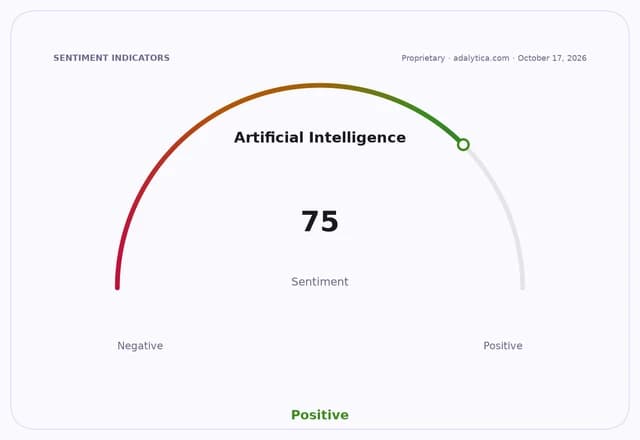
Sentiment IndicatorsⓘProprietary · adalytica.com · October 17, 2026
This is a snapshot — live sentiment, awareness and momentum for 130+ markets update continuously in the dashboard.Open AlphaPulse
Alphabet can afford to be patient because its main business is still throwing off cash. Second-quarter revenue rose 24.2% to $119.8 billion, and operating margin widened to 34%. Google Cloud jumped 82%, giving Sundar Pichai a powerful funding source for Waymo’s expansion. That is a very different setup from Tesla, where operating margin fell to 1.4% even as revenue grew 25.5%. Tesla’s autonomy story is exciting, but the company has far less margin for error if it keeps spending heavily to scale a robotaxi network.
This is why Waymo’s progress matters economically. Robotaxis are not just another product line; they could reshape urban transportation, local regulation, insurance, and the economics of ride-hailing. The company that proves it can operate safely and at scale could command a powerful share of the future mobility market. Alphabet is moving toward that proof point city by city, including new trials abroad, while Tesla is still working through reliability and sensor challenges.
For investors, the key question is not whether autonomous driving will be important. It is which business model can convert that opportunity into durable cash flow. Alphabet already has the earnings power to invest through the cycle, and if Waymo keeps stacking up paid rides, the market may decide Tesla deserves less of the “first-mover” scarcity premium it has enjoyed. That could leave Tesla’s stock more exposed to execution misses, especially with technical pressure already evident as the shares trade below their 200-day moving average and near the lower end of the recent trading range.
Long term, this is probably less about one company “winning” robotaxis outright and more about investors recalibrating who has the stronger moat. Alphabet’s advantage is balance-sheet strength, AI infrastructure, and a growing commercial fleet. Tesla’s advantage is brand, manufacturing scale, and a huge retail following. But if Waymo keeps expanding while Tesla’s margins stay thin, the market may gradually stop treating Tesla as the automatic king of autonomy.
For patient investors, that makes Alphabet worth watching closely and Tesla a reminder that even disruptive leaders can see their valuation stories challenged when the competition turns from theory into revenue.
| Entity | Gains | Losses |
|---|---|---|
| Alphabet | ▲Waymo credibility; diversified growth | ▼Near-term capital burn |
| Tesla | ▲Robotaxi visibility | ▼Scarcity premium |
| Ride-hailing rivals | ▲More autonomy adoption | ▼Pricing power |
| Long-term investors | ▲Better entry points in quality names | ▼Overpaying for hype |