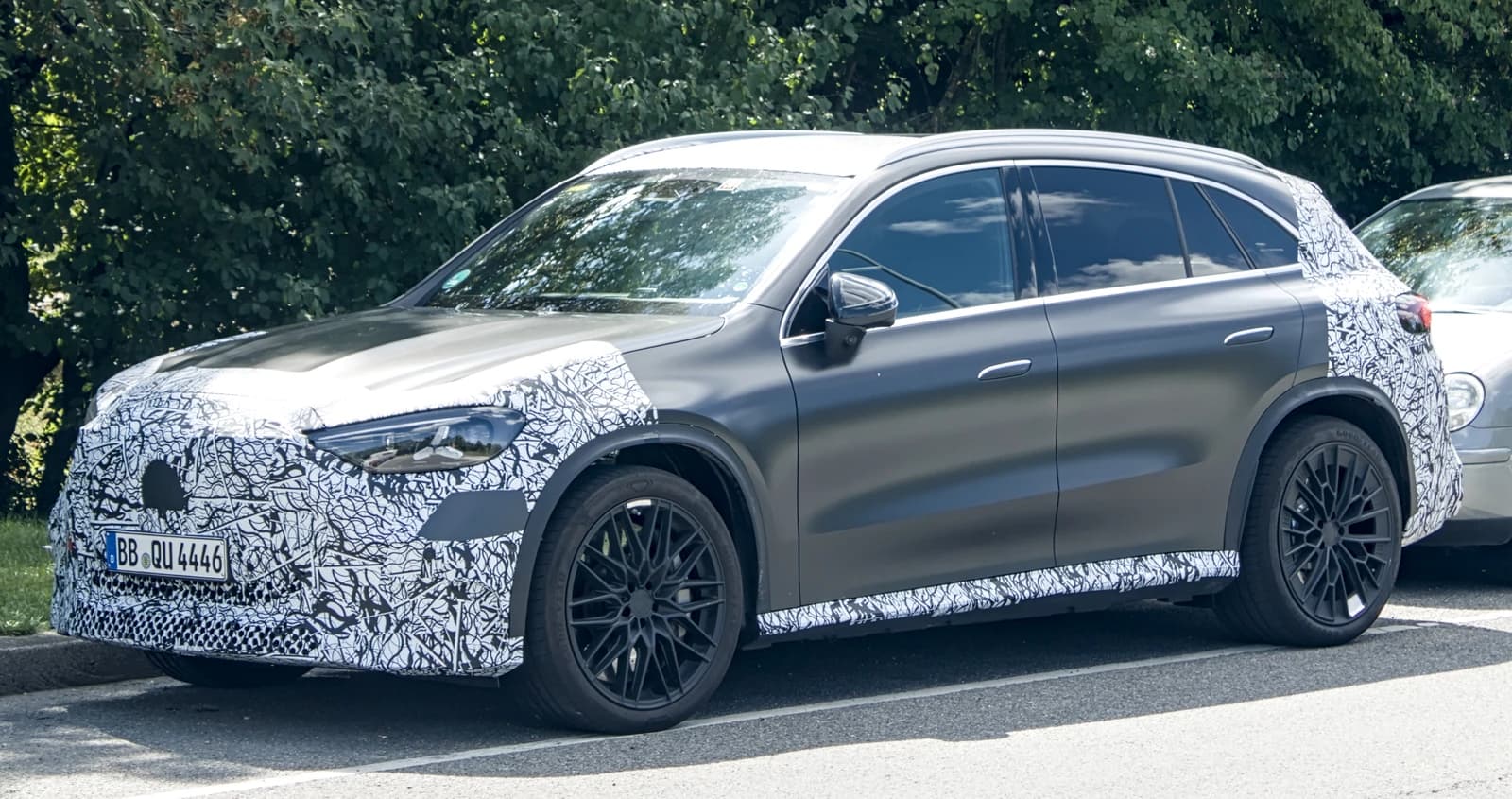
Mercedes-Benz is moving to reclaim premium-car buyers with a sharper electric lineup, but the real battle is not design — it is pricing power in a sector where the EV boom has already turned into a margin war.
Mercedes-Benz EV pricing power and margin pressure
That matters because the luxury auto market is being reshaped by falling volumes, high battery costs and a brutally competitive EV field. Mercedes, BMW and Tesla are all fighting for the same affluent customer while Chinese and mass-market rivals keep pressure on sticker prices. In that environment, the winner will not simply be the company with the flashiest electric badge, but the one that can defend margins while keeping a high-end brand intact.
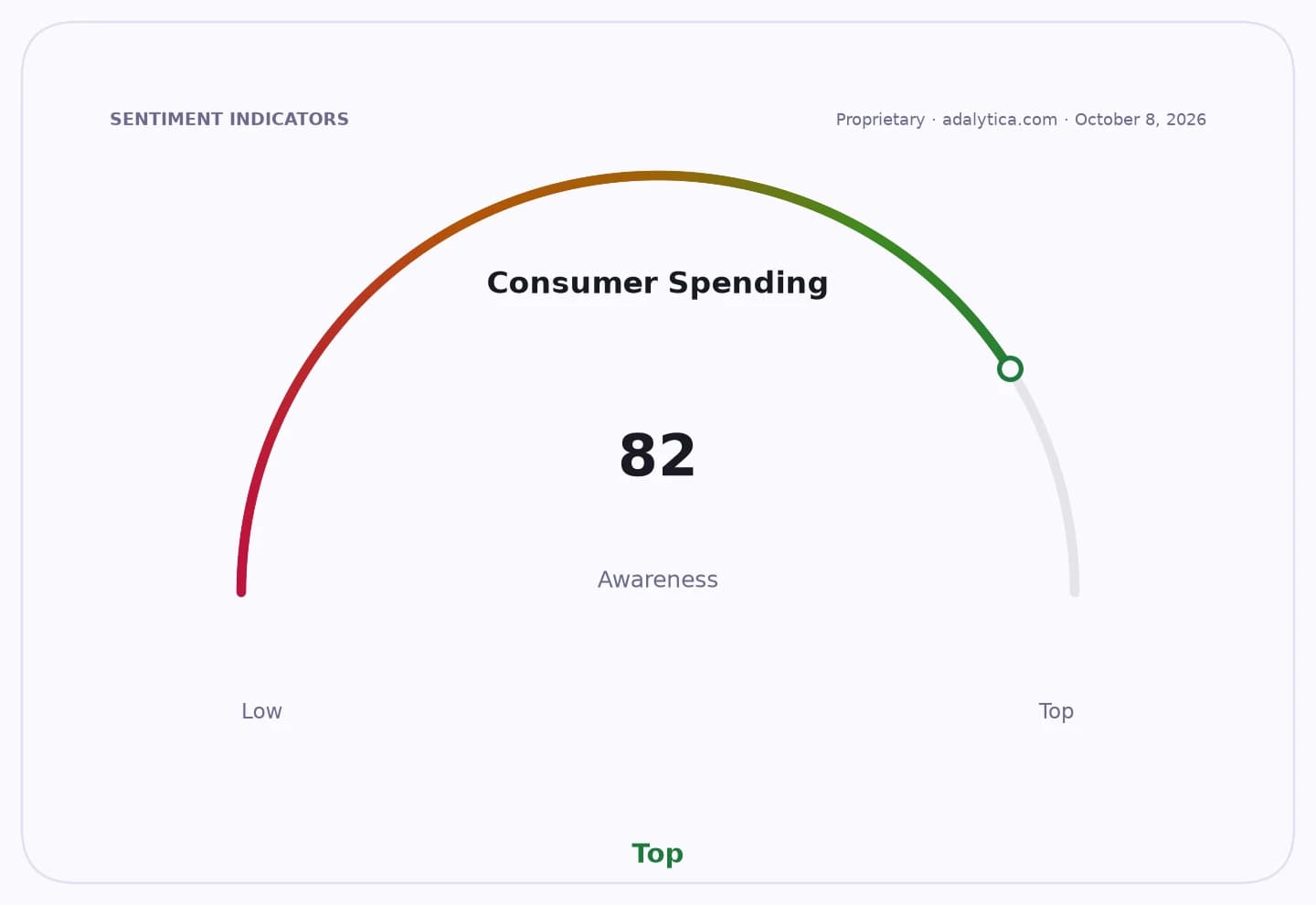
Sentiment IndicatorsⓘProprietary · adalytica.com · October 16, 2026
This is a snapshot — live sentiment, awareness and momentum for 130+ markets update continuously in the dashboard.Open AlphaPulse
Mercedes’ U.S.-traded shares have been under pressure, with MBGYY recently changing hands around $11.17, well below a 200-day moving average of $14.12 and still beneath its 50-day average of $12.59. That gap suggests investors remain skeptical that the company’s electric push will translate into faster earnings growth. The stock’s recent rebound from a June low near $12.71 has been tentative, and the technical picture still points to a market that wants proof, not promises.
The broader backdrop is not helping. U.S. 10-year Treasury yields have climbed to about 5.19%, a headwind for auto financing and leasing just as unemployment sits around 4.2% and consumers remain selective. Industrial production is still only modestly above its pre-pandemic base, underscoring an economy that is not exactly providing a booming tailwind for premium car sales. In other words, Mercedes is trying to sell boardroom-on-wheels aspiration into a market where capital is expensive and buyers are choosy.
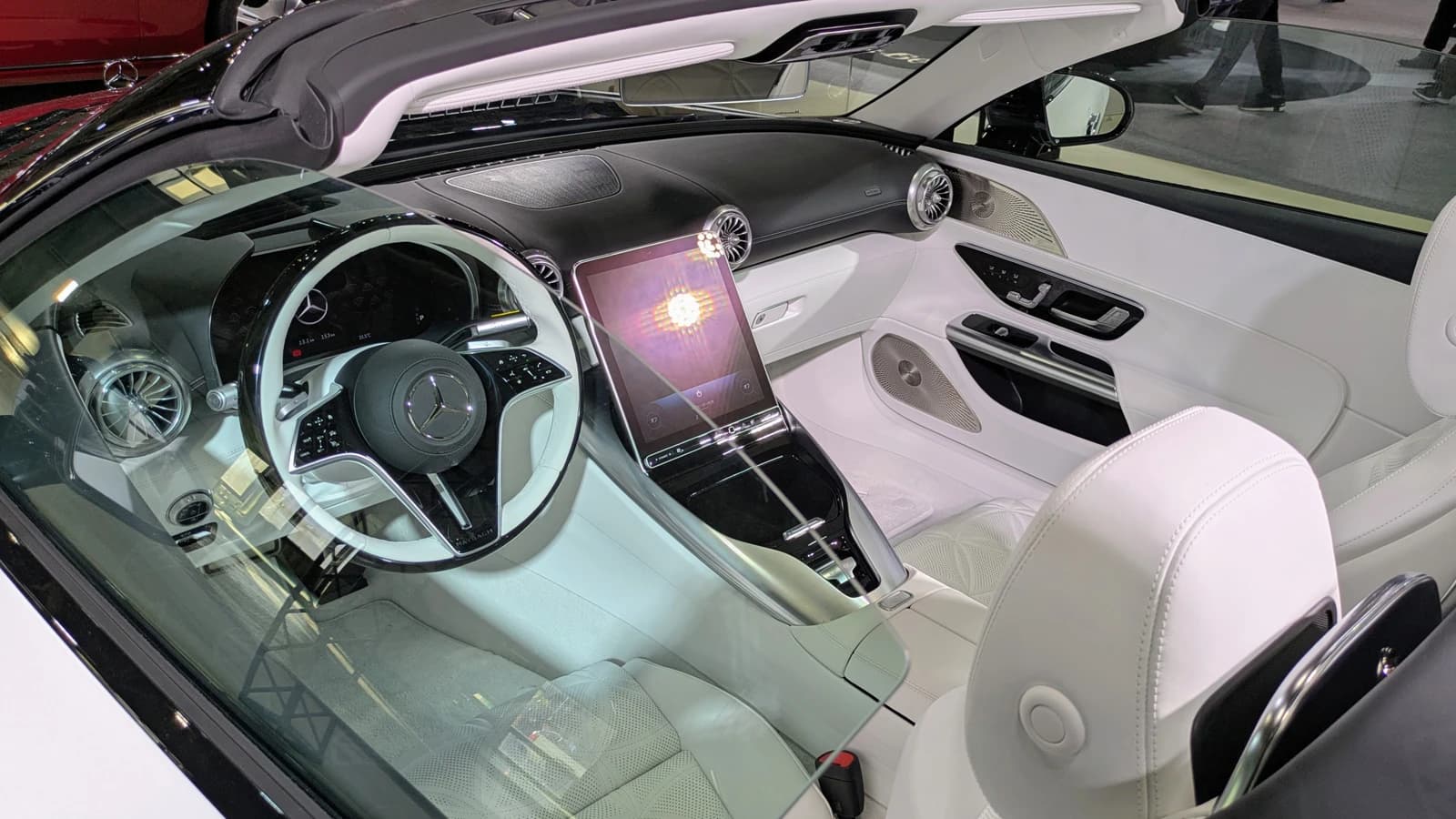
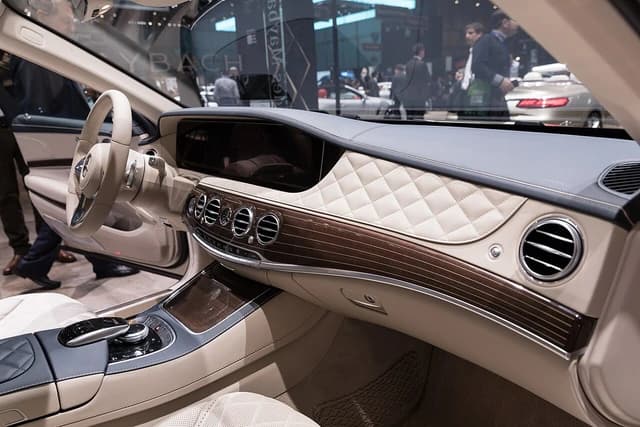
That is why this fight matters beyond one marque. Mercedes is leaning into a luxury narrative aimed at executives, tech buyers and aspirational mainstream consumers, because high-end EVs have to justify their premiums with software, performance and status — not just battery range. The company cannot win a price war against Tesla on volume, and it does not want to be dragged into the kind of discounting that has already squeezed parts of the EV industry. Its best defense is to keep the brand premium while using electrification to pull customers up the value chain.
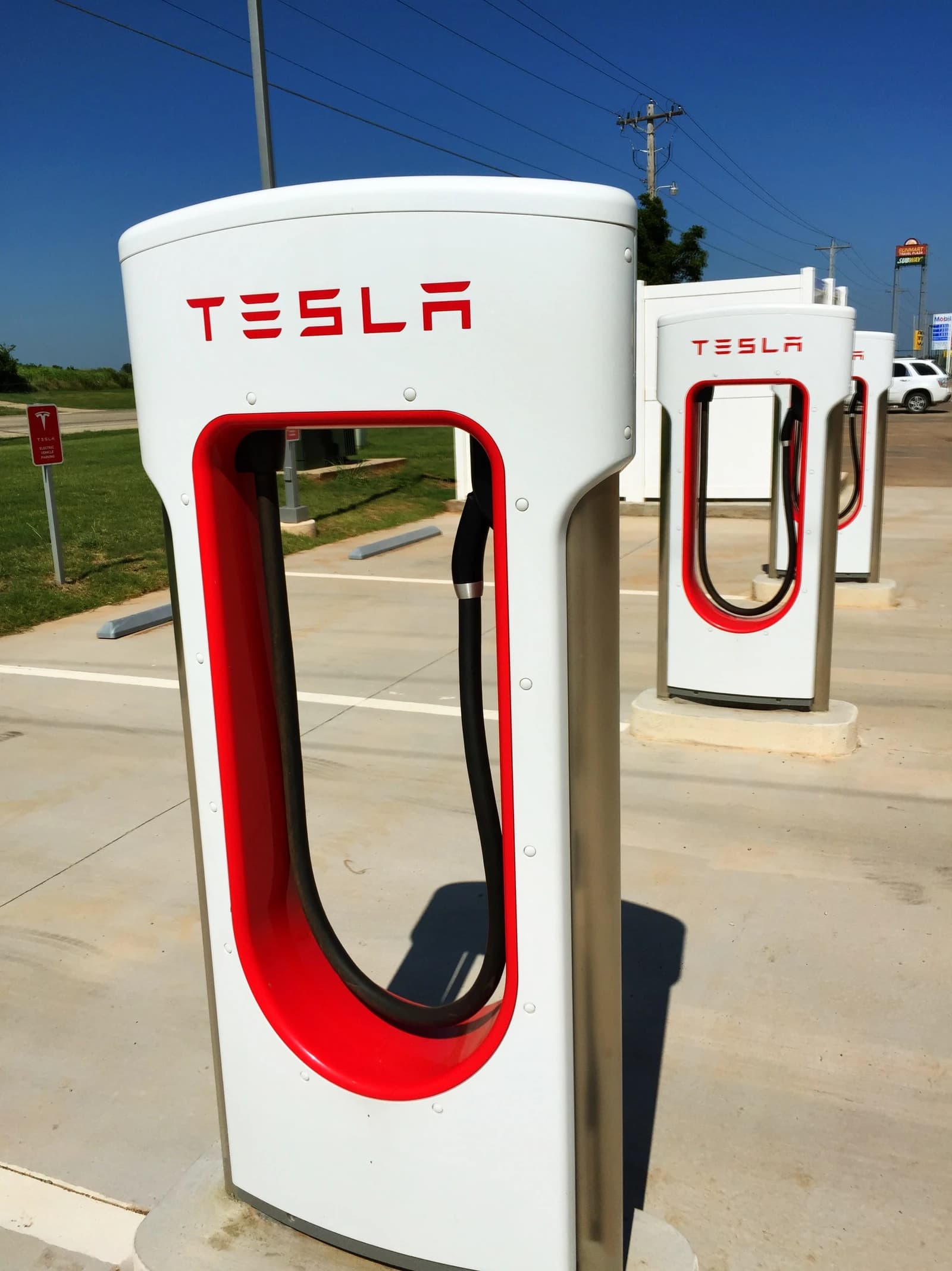
Tesla remains the benchmark and the threat. TSLA has been far more resilient than Mercedes on the tape, even after a pullback from its highs, and its shares around $362.44 sit above the 50-day moving average of $358.76. But the stock is still below its 200-day average of $388.49, showing that even the EV leader is not immune to margin and demand questions. For Mercedes, that opens a window: if Tesla is no longer commanding an untouchable multiple, legacy luxury brands may have more room to defend their own premium positioning.
The investment implication is straightforward. The market underestimates how much value will accrue to companies that own luxury distribution, brand cachet and pricing discipline in the next phase of EV adoption. Mercedes does not need to become the biggest EV maker to be interesting; it needs to avoid becoming a commodity seller with a famous badge. If it can execute on that, the stock can rerate from a value trap into a selective, cash-generative play on the electrified luxury cycle.
For investors, the key catalyst is whether Mercedes can prove that its EV strategy lifts mix and preserves margins rather than simply adding another expensive product line. If it does, the upside belongs to patient buyers willing to look past the industry’s near-term noise and position early in the brands most likely to survive the shakeout.
| Entity | Gains | Losses |
|---|---|---|
| Mercedes-Benz | ▲Premium pricing power | ▼Commodity EV discounting |
| Tesla | ▲EV scale leadership | ▼Luxury-brand crossfire |
| Luxury buyers | ▲More premium EV choice | ▼Higher sticker prices |
| Marginal EV players | ▲- | ▼Margin compression |