More expensive fuel is changing what drivers buy across Slovakia, the Czech Republic and neighboring markets, and the shift is hitting diesel hardest.
Aures sees diesel sales fall as hybrids rise
That matters because diesel demand has long been a key support for used-car pricing in Central Europe, and its retreat is now reshaping the mix of vehicles dealers can sell. Aures Holdings, which operates the AAA Auto and Mototechna chains, said sales of diesel cars fell by almost 6% in its markets this year, while demand for hybrid vehicles rose 25% and sales of pure electric cars jumped 75%.
Sentiment IndicatorsⓘProprietary · adalytica.com · October 15, 2026
This is a snapshot — live sentiment, awareness and momentum for 130+ markets update continuously in the dashboard.Open AlphaPulse
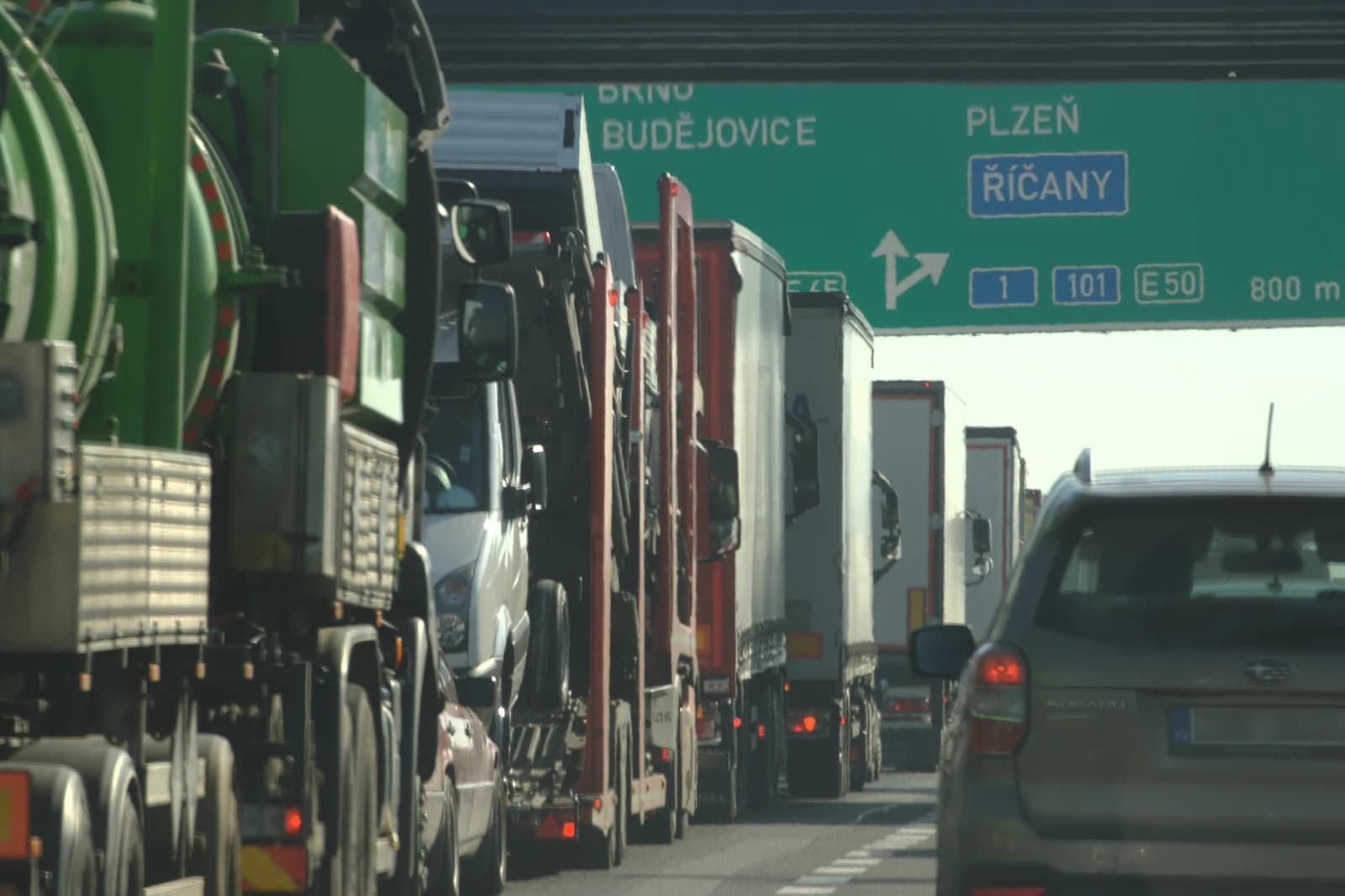
The clearest reason is simple: fuel economics. The group said diesel demand started to weaken once the price of diesel climbed to around 2 euros a liter. In Slovakia, diesel sales fell 2.7%; in the Czech Republic, they dropped 7.2%; and in Poland, almost 5%. For households and small businesses that keep cars for years, that is enough to alter buying decisions, especially when the gap between diesel and gasoline running costs narrows or disappears.
For investors, the bigger story is not just weaker diesel, but a lasting change in consumer behavior. Buyers are moving toward SUVs, automatics and alternative drivetrains, which tends to favor newer, higher-spec cars and manufacturers with broader powertrain offerings. SUVs accounted for 29% of sales in Slovakia, 31% in the Czech Republic and 35% in Poland, while automatic transmissions gained almost 12% year on year. That mix suggests consumers are still willing to spend, just differently.
The shift also lines up with the wider energy backdrop. Oil market forecasters have been trimming demand expectations, and that kind of macro caution usually shows up first in fuel-sensitive segments such as diesel, freight and commuting-heavy vehicle use. Aures said its own sales hit a record 87,214 vehicles this year, showing that demand has not vanished — it has changed shape.
Electric vehicles remain a smaller part of the used-car market, but the growth rate is striking. Tesla’s Model 3 led used EV sales, followed by the Skoda Enyaq, while younger Chinese brands more than doubled sales, led by the MG ZS. That tells investors the transition is broadening beyond early adopters and premium buyers.
For automakers, dealers and fleet operators, the message is clear: fuel costs still matter, and they are now accelerating a structural move away from diesel. The winners are sellers with strong SUV, hybrid and EV inventory. The losers are diesel-heavy fleets, used-car dealers reliant on older combustion models and, over time, fuel suppliers that depended on steady diesel volumes. Long-term investors should see this as another reminder to favor businesses aligned with the evolving vehicle mix and to hold them with patience.
| Entity | Gains | Losses |
|---|---|---|
| SUV and hybrid sellers | ▲Higher demand | ▼Diesel-focused sellers |
| EV makers, led by Tesla and Skoda | ▲Faster adoption | ▼Older combustion models |
| Aures Holdings | ▲Record volumes in new mix | ▼Diesel-heavy inventory |
| Fuel suppliers | ▲— | ▼Lower diesel consumption |