India’s first-time car buyers are pushing the market toward bigger bills, longer loans and better-equipped vehicles, a shift that is set to reward automakers and financiers built around the country’s rising middle class.
India first-time car buyers shift to SUVs and bigger loans
Kotak Mahindra Prime says young buyers in their mid-20s and early 30s are now spending as much as ₹8 lakh on their first car, up sharply from the ₹1.5 lakh to ₹2.5 lakh range common a decade ago. That is not just a consumer preference story; it is a structural change in how India’s auto market is financed, packaged and sold.
The implication is clear. As first-time buyers trade up to compact SUVs and mid-segment models, demand is moving toward products with higher content, larger ticket sizes and stronger margins. Safety, infotainment, connectivity and comfort are no longer premium add-ons but core purchase drivers, which supports automakers that can upsell variants and suppliers that provide the features young buyers now expect.
Financing is doing as much of the work as income growth. Kotak Prime said it is seeing rising loan ticket sizes and growing acceptance of five- to seven-year tenures, allowing buyers to stretch monthly instalments rather than cap ambitions at the lowest sticker price. In a market where affordability still matters, that tends to expand the addressable universe for new cars and keep demand resilient even when upfront prices climb.
That matters for investors because India’s auto cycle is increasingly being shaped by aspiration, not just replacement demand. A first car is becoming a multi-use asset for commuting, family travel and weekend use, which favors manufacturers with strong SUV line-ups and financing arms that can capture the consumer at the point of purchase. It also reinforces the case for used-car platforms, which are winning share by offering certified inspections, warranties and more transparent pricing.
For Maruti Suzuki, the message is mixed: it remains central to first-time ownership, but the market is clearly moving toward better-equipped models and SUVs, where rivals such as Mahindra & Mahindra have stronger momentum. Maruti’s shares, at ₹11,178 on Oct. 14, remain below both the 50-day and 200-day moving averages, and the weak RSI and negative MACD readings suggest the stock has yet to reflect a clean demand re-rating. Mahindra, meanwhile, is still trading under its 50-day and 200-day moving averages as well, but the broader product mix shift argues that the next leg of value creation in Indian autos will come from brands tied to premiumization and financing leverage.
The bigger macro story is that India’s consumer economy is entering a more aspirational phase. Earlier employment, dual-income households and changing urban mobility needs are all feeding a willingness to spend more on the first car. That, in turn, supports credit growth, higher auto content, and continued share gains for compact SUVs and mid-segment vehicles over bare-bones hatchbacks.
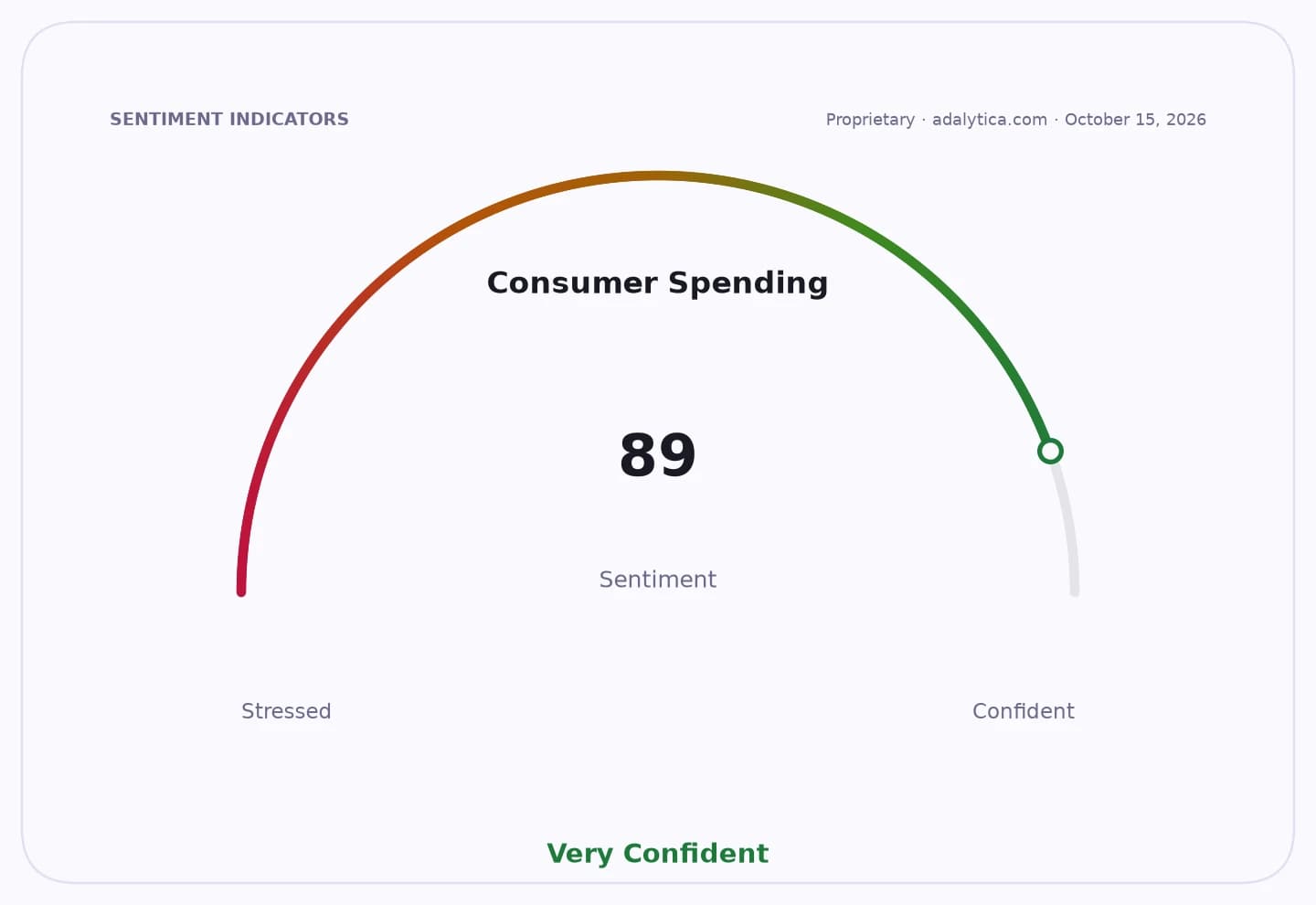
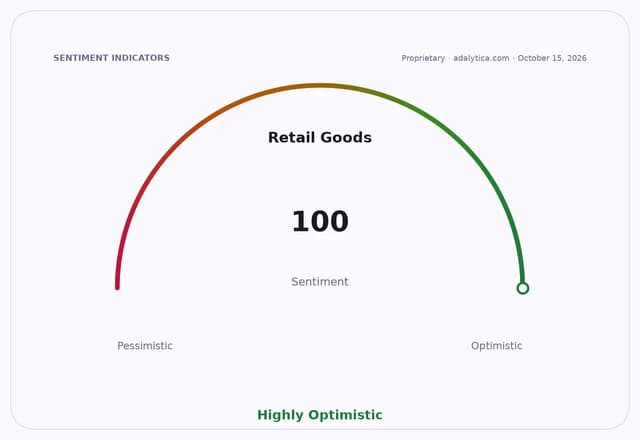
Our thesis is that the market underestimates how durable this upgrade cycle can be. If first-time buyers are already moving from sub-₹3 lakh cars to ₹5 lakh-₹8 lakh vehicles, the next beneficiaries are not just original equipment makers but also auto financiers, organized used-car players, component suppliers and insurers. With consumer spending sentiment and retail-goods sentiment both flashing extreme greed in Adalytica’s gauges, the near-term backdrop favors continued outperformance in India’s auto ecosystem.
The tradeable takeaway is straightforward: favor automakers and lenders exposed to first-car premiumization, especially compact SUVs, organized pre-owned channels and vehicle finance names. This is where India’s auto growth is being repriced — and where the next multi-year compounding opportunity is likely to come from.
| Entity | Gains | Losses |
|---|---|---|
| Automakers with compact SUVs | ▲Higher realizations, richer mix | ▼Entry-level hatchbacks |
| Vehicle financiers | ▲Bigger loan tickets, longer tenures | ▼Cash-only buyers |
| Organised used-car platforms | ▲More first-time buyer traffic | ▼Informal used-car sellers |
| Feature-rich suppliers | ▲Stronger demand for tech and safety content | ▼Low-content vehicle parts |