The Honda NSX is back, but not as a mass-market sports car — as a nearly $1 million collectible that shows just how far nostalgia, craftsmanship and scarcity can stretch the value of a Japanese icon.
Honda NSX Tensei revival priced near $1 million
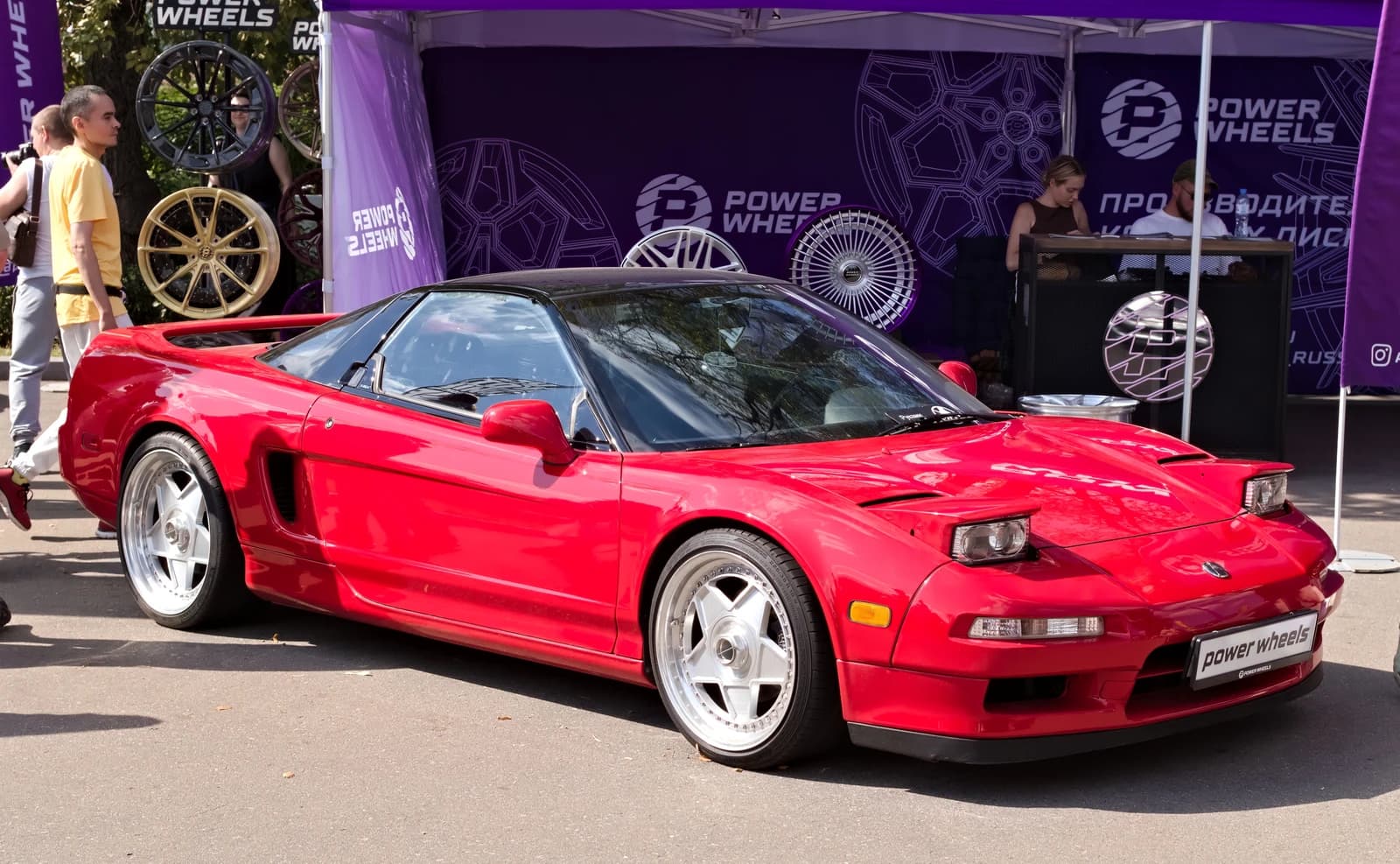
For investors and enthusiasts, the bigger story is that a nameplate once sold on attainable performance is now being monetized as ultra-exclusive art. JAS Motorsport and Pininfarina have unveiled Tensei, a modern reinterpretation of the first-generation NSX, with only 35 examples planned and a base conversion price of $985,000 before the donor car is even sourced. That puts the total entry ticket at roughly $1.1 million to $1.15 million once buyers secure a 1990s NSX, according to the project details.
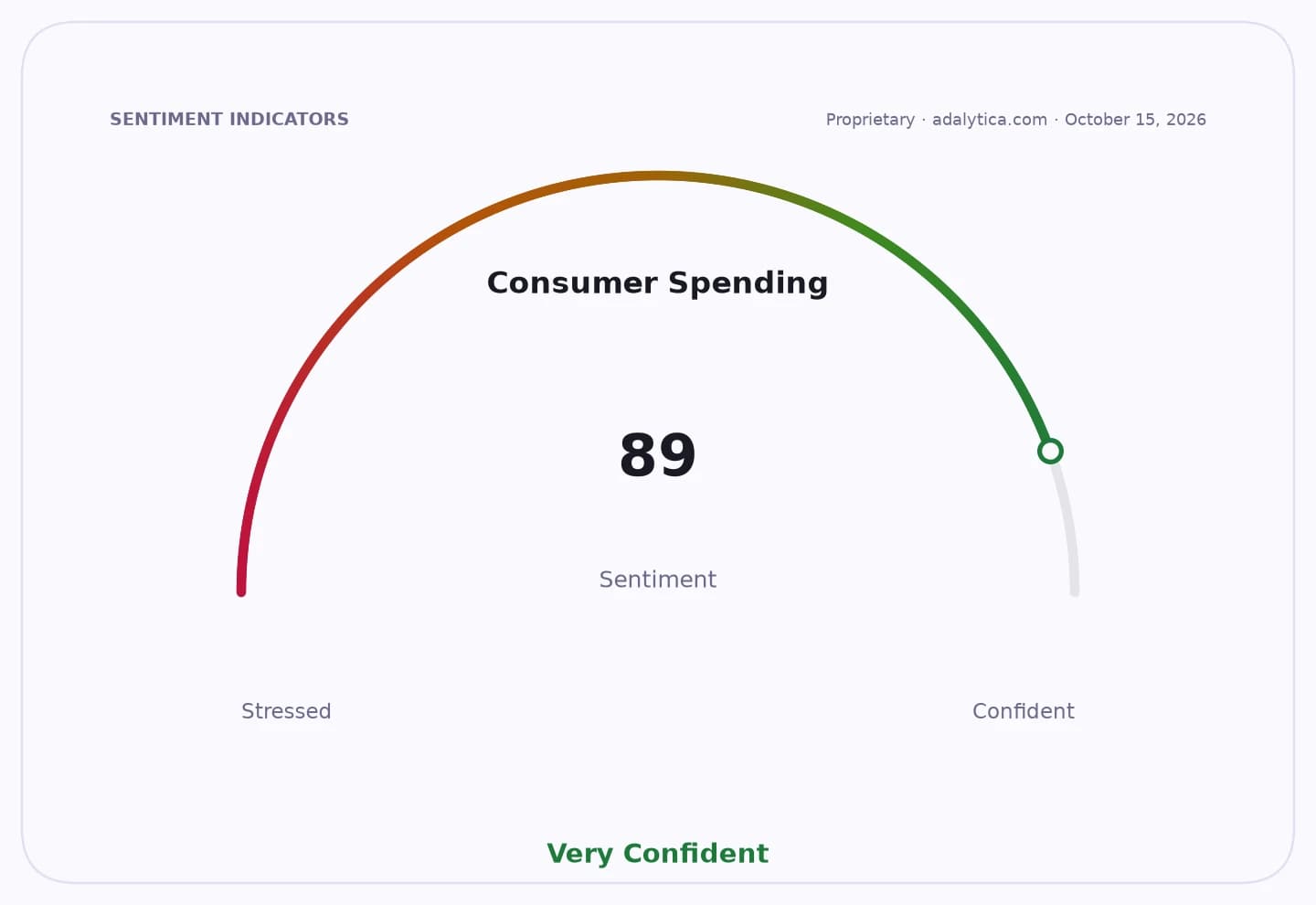
Sentiment IndicatorsⓘProprietary · adalytica.com · October 13, 2026
This is a snapshot — live sentiment, awareness and momentum for 130+ markets update continuously in the dashboard.Open AlphaPulse
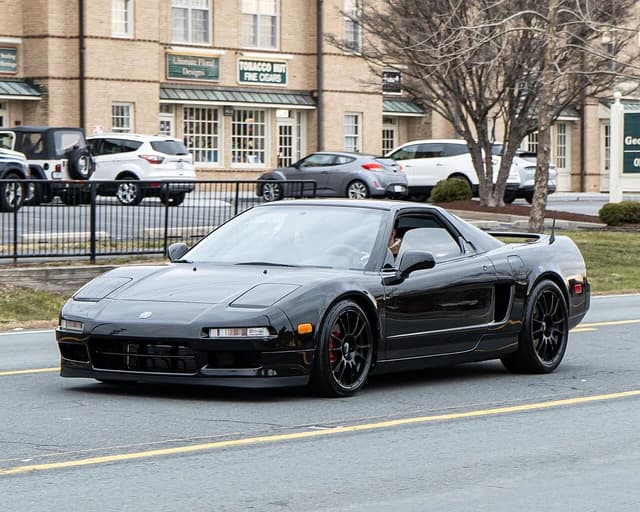
That matters economically because collectible cars have become a legitimate luxury asset class, where rarity and provenance often matter more than horsepower. In this case, Pininfarina’s involvement is especially important: the Italian design house helped shape the original NSX, and its return lends the project credibility with collectors who pay for authenticity, not just novelty.
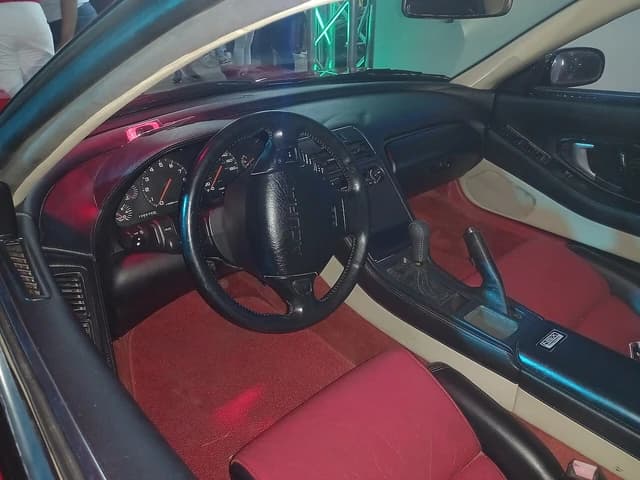
The car itself is built to justify the price tag. JAS says the body is made entirely of carbon fiber, cutting weight to 1,250 kilograms, while the track is widened and the original Honda engine heavily reworked. Inside, the cabin swaps analog gauges for a digital display and touchscreen, but keeps the driver-focused layout that helped make the original NSX famous. That balance of retro cues and modern hardware is exactly what rich collectors are buying.
For Honda, the commercial impact is indirect but real. This is not a factory NSX revival, yet it reinforces the long-tail value of Honda’s performance heritage at a time when automakers are trying to squeeze more profit from brand equity. A car that was once a Ferrari challenger now has enough cachet to anchor a six-figure bespoke program, which tells you something about how deeply the NSX name still resonates.
Investors should read this as a reminder that the auto industry is increasingly split in two. On one side are volume brands fighting price pressure in EVs and the used-car market; on the other are heritage products that can command premium margins because they are scarce, emotional and hard to copy. The classic-car trade may not move Honda’s earnings, but it does support the broader thesis that iconic brands can keep monetizing themselves long after the original product cycle ends.
The risk, of course, is that this market is narrow. A 35-car run is more a trophy business than a scalable one, and the buyer pool for a seven-figure restomod can shrink fast if wealth sentiment weakens. Still, for long-term investors, the takeaway is simple: Honda’s NSX remains an asset in the truest sense of the word — one that can still attract collectors’ wallets decades after its debut. Worth watching, not for quarterly revenue, but for what it says about brand power in a luxury economy.
| Entity | Gains | Losses |
|---|---|---|
| JAS Motorsport | ▲Ultra-high margins | ▼Mass-market scale |
| Pininfarina | ▲Heritage prestige | ▼None material |
| Honda/NSX brand | ▲Long-term cachet | ▼Direct sales upside |
| Collectors | ▲Scarcity and provenance | ▼Seven-figure entry cost |