A used-car market in Vietnam is putting once-exclusive German sedans on sale for just over 100 million dong, but the low sticker prices are masking the maintenance bills, fuel costs and reliability risks that can quickly make them far more expensive than they look.
Vietnam used BMW, Audi, Mercedes prices fall
The most important development is not that old BMWs, Audis and Mercedes-Benz models are suddenly affordable, but that Vietnam’s deep-age luxury segment has become a test of whether prestige can be bought cheaply without paying later through repairs and upkeep. That matters economically because it reflects a broader shift in consumer behavior: buyers with limited budgets are still willing to stretch for premium brands, while sellers are cutting prices to move aging inventory in a market where depreciation does most of the work.
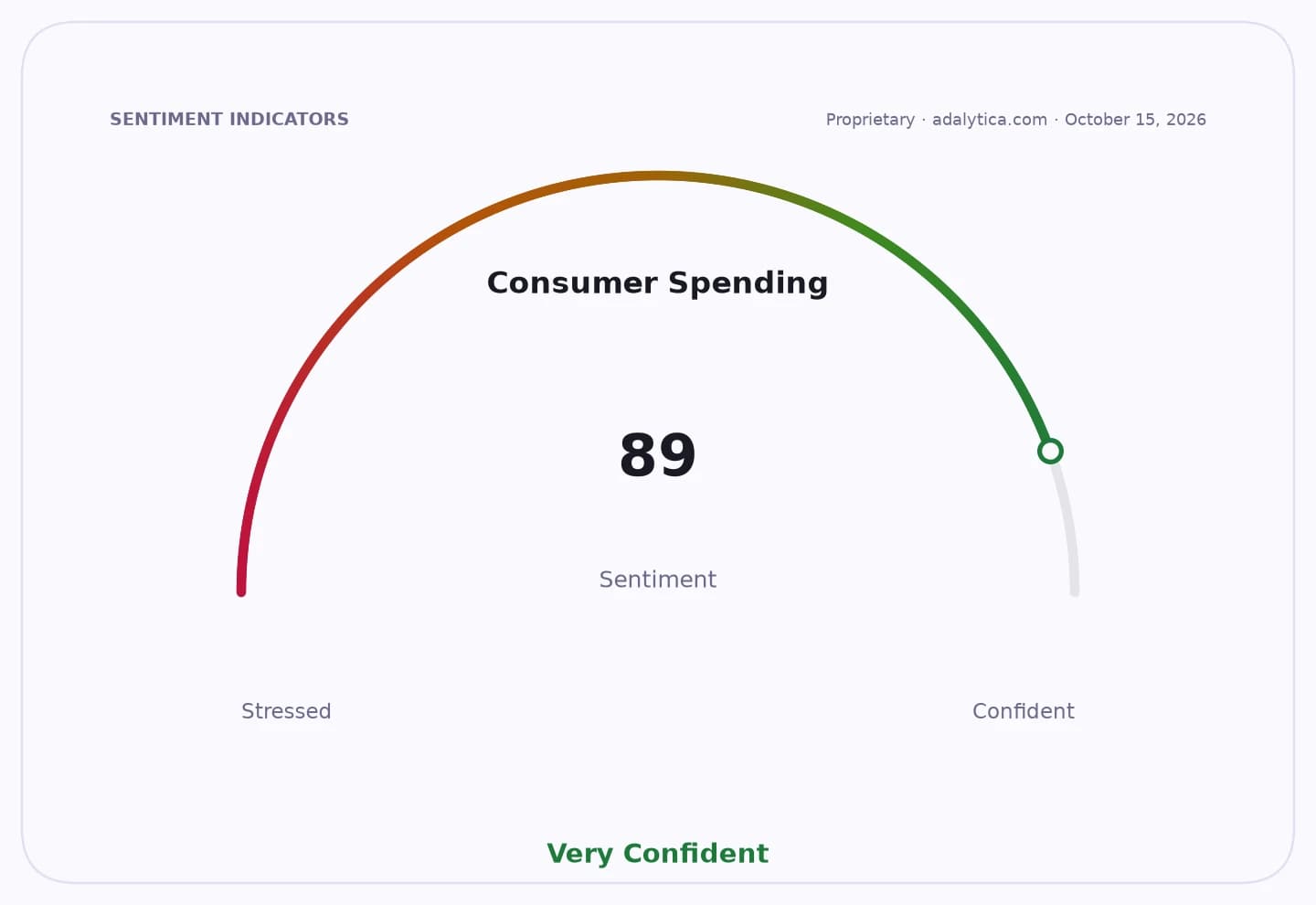
Sentiment IndicatorsⓘProprietary · adalytica.com · October 16, 2026
This is a snapshot — live sentiment, awareness and momentum for 130+ markets update continuously in the dashboard.Open AlphaPulse

At around 125 million dong, or roughly $5,000, a 2004 BMW 325i E46 is being advertised with an inline six-cylinder 2.5-liter engine, rear-wheel drive and a claimed long inspection certificate through November 2026. A 2008 Audi A4 is listed at about 170 million dong, while a 2009 Mercedes-Benz C300 W204 is offered at around 160 million dong. In a market where that price can be comparable to a high-end scooter, the appeal is obvious: buyers can get a badge that once sat in a far higher income bracket for the cost of an entry-level used Japanese or Korean car.
For investors and industry players, the story is less about a niche classifieds market than about the economics of aging premium fleets. These cars retain brand cachet, but the cost structure changes sharply with age. The BMW’s cooling system, seals, hoses and suspension can turn into recurring expense items after two decades. The Audi’s TFSI engines may bring oil consumption concerns, while its transmission and electronic systems can be expensive to diagnose and fix. The Mercedes C300 offers a V6 and a more substantial road feel, but it also comes with heavier fuel use and the likelihood of worn rubber components, electrical faults and transmission checks. In other words, the purchase price is only the first line item.
That makes the market a useful window into the second-hand luxury economy. The bulls’ case is straightforward: older German cars still deliver comfort, ride quality and driving dynamics that many mass-market models at similar prices cannot match. They also offer a visible status upgrade for buyers who cannot access new premium vehicles. The bear case is stronger financially: once repair reserves, fuel, insurance and preventive maintenance are included, these cars can become poor value traps, especially for buyers who overpay for appearance and underestimate mechanical risk.
The broader narrative is one of affordability colliding with hidden costs. Vietnam’s used luxury market is expanding a kind of “entry-level prestige” trade, but the true economics depend on whether buyers treat these cars as lifestyle purchases or as aging machines with finite remaining life. For disciplined buyers with access to independent inspections and maintenance budgets, the bargains can be real. For everyone else, the cheapest luxury car may be the most expensive mistake.
| Entity | Gains | Losses |
|---|---|---|
| Budget buyers | ▲Access to premium badges | ▼Repair and upkeep risk |
| Sellers of old luxury cars | ▲Faster inventory turnover | ▼Lower resale prices |
| BMW, Audi, Mercedes brand image | ▲Wider aspirational reach | ▼Wear-and-tear reputational drag |
| Independent repair shops | ▲More service demand | ▼Buyers with no maintenance budget |