BMW is turning its European electric-car push into a meaningful revenue driver, even as weakness in China keeps pressure on its global sales mix.
BMW Europe EV Sales Rise as China Weakens
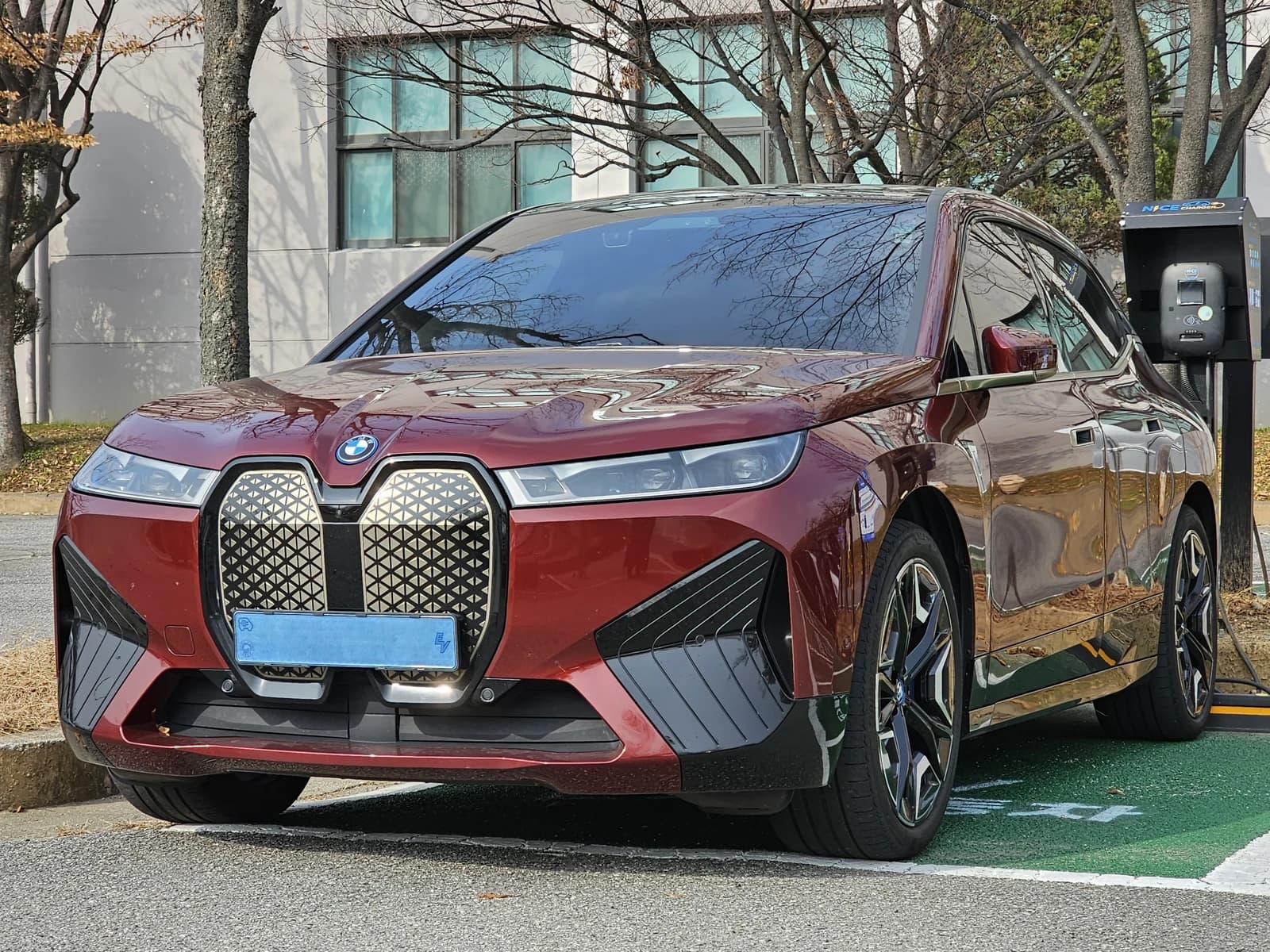
The German automaker delivered 81,941 battery-electric vehicles in Europe in the third quarter, up 37.5% from a year earlier, and EVs accounted for 34.7% of its regional sales, according to company data. That means more than one in three BMW Group vehicles sold in Europe was fully electric, a sign that the company’s premium EV lineup is gaining traction in its most important home market and helping offset softer demand elsewhere.
Sentiment IndicatorsⓘProprietary · adalytica.com · October 15, 2026
This is a snapshot — live sentiment, awareness and momentum for 130+ markets update continuously in the dashboard.Open AlphaPulse
The performance matters because Europe remains the clearest proof point that legacy automakers can still win share in the battery-electric transition without abandoning profitability discipline. For BMW, the region’s 4.5% rise in total deliveries over the first nine months contrasts sharply with a 21.8% decline in China, underscoring how regional mix is becoming as important as headline unit growth. In other words, BMW’s EV momentum in Europe is not just an electric-vehicle story; it is becoming a stabilizer for one of the industry’s most exposed premium names.
BMW has leaned heavily on its Neue Klasse product cycle to support that shift. The new iX3 has already drawn more than 100,000 orders in Europe within a year, which BMW says makes it its most successful model launch to date. That kind of order intake is important for investors because it suggests demand is not being driven solely by incentives or fleet pull-forward, but by product competitiveness and brand strength. The company also said electric sales in Germany rose 38.5% in the quarter, while Sweden was up 49.8% over the first nine months, helping show the gains are broad-based rather than limited to one market.
The numbers also highlight BMW’s relative position in a European EV market that remains uneven. Some rivals are still struggling to convert electric ambition into volume, while BMW appears to be using its premium positioning, design refresh and early Neue Klasse rollout to take share. MINI is adding to the electrification story as well, with 37.2% of its nine-month deliveries fully electric, reinforcing that the group’s EV growth is not confined to one badge.
Still, the global picture remains less comfortable. BMW said worldwide EV deliveries rose 7.2% in the third quarter to 110,257, but were down 2.7% over the first nine months. That gap suggests Europe is doing much of the heavy lifting while other regions lag. The planned November launch of a China-specific iX3 will be closely watched as BMW tries to rebuild momentum in a market where domestic rivals continue to intensify pressure on foreign premium brands.
For investors, the key question is whether Europe’s EV strength can translate into margin-friendly scale before China’s decline becomes more entrenched. If the Neue Klasse line keeps posting strong order intake, BMW could preserve pricing power better than peers and reduce reliance on combustion-engine demand. If not, the company risks a two-speed story: a strong EV franchise in Europe offset by structural weakness in its second-largest growth market.
| Entity | Gains | Losses |
|---|---|---|
| BMW | ▲Faster EV growth in Europe | ▼China sales momentum |
| European EV buyers | ▲More model choice | ▼Fewer combustion-era incentives |
| BMW competitors | ▲— | ▼Share in premium EV market |
| Investors in BMW | ▲Clearer EV demand signal | ▼Persistent regional weakness |