Tesla is heading into its third-quarter earnings report with a better delivery number, but a tougher investing question: can robotaxis, Optimus and battery storage justify the company’s premium valuation if the core auto business is still struggling to keep margins intact?
Tesla Earnings Ahead of Robotaxi and Storage Test
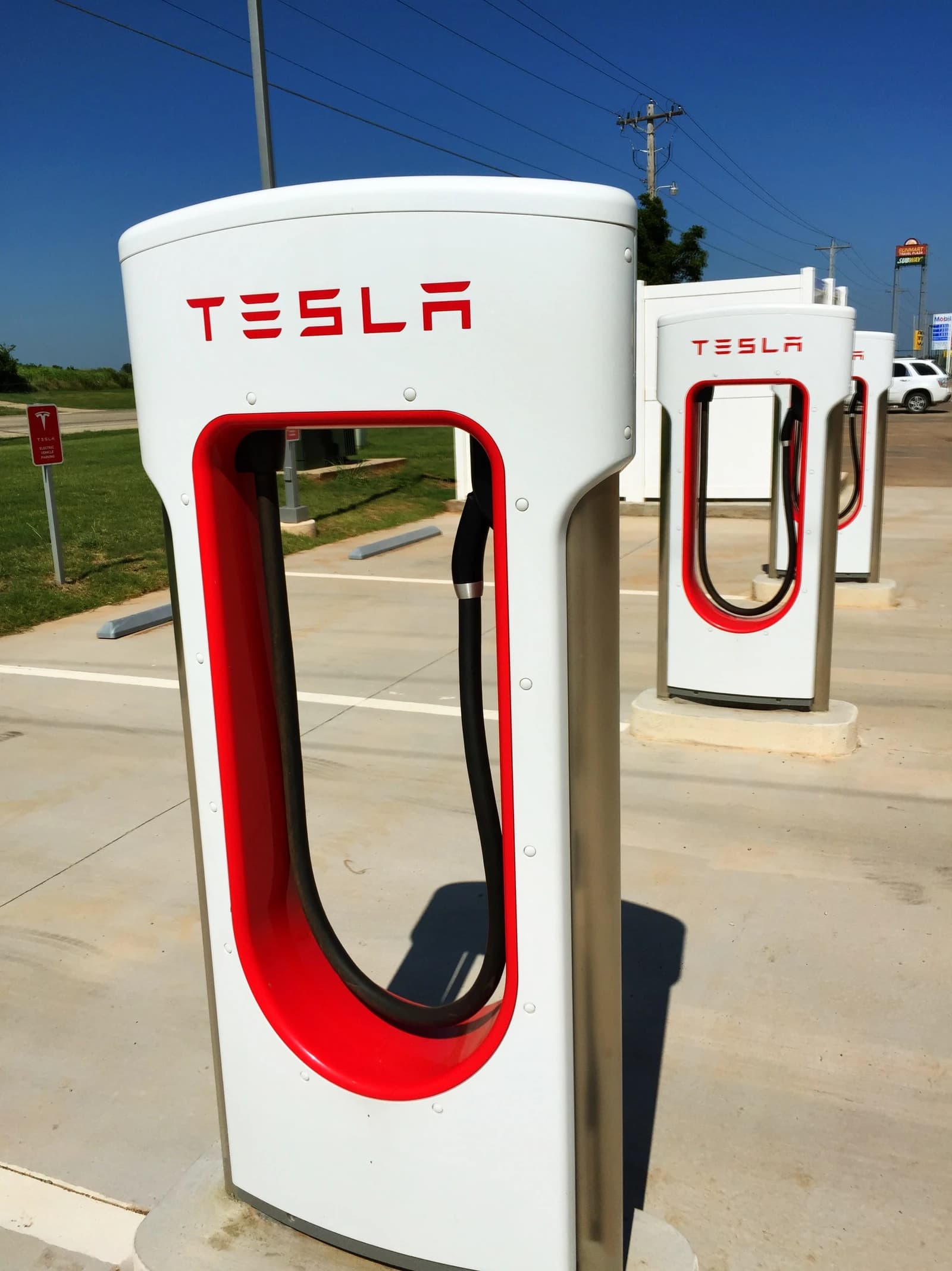
That is the real economic issue behind this week’s results. Tesla said third-quarter vehicle deliveries topped Wall Street expectations, yet they were still 2% below a year earlier. For a company valued on the idea that it can move beyond being a carmaker, that is not a disaster. But it is a reminder that the legacy business still pays the bills, and the legacy business is under pressure from pricing, competition and the loss of some regulatory-credit support.
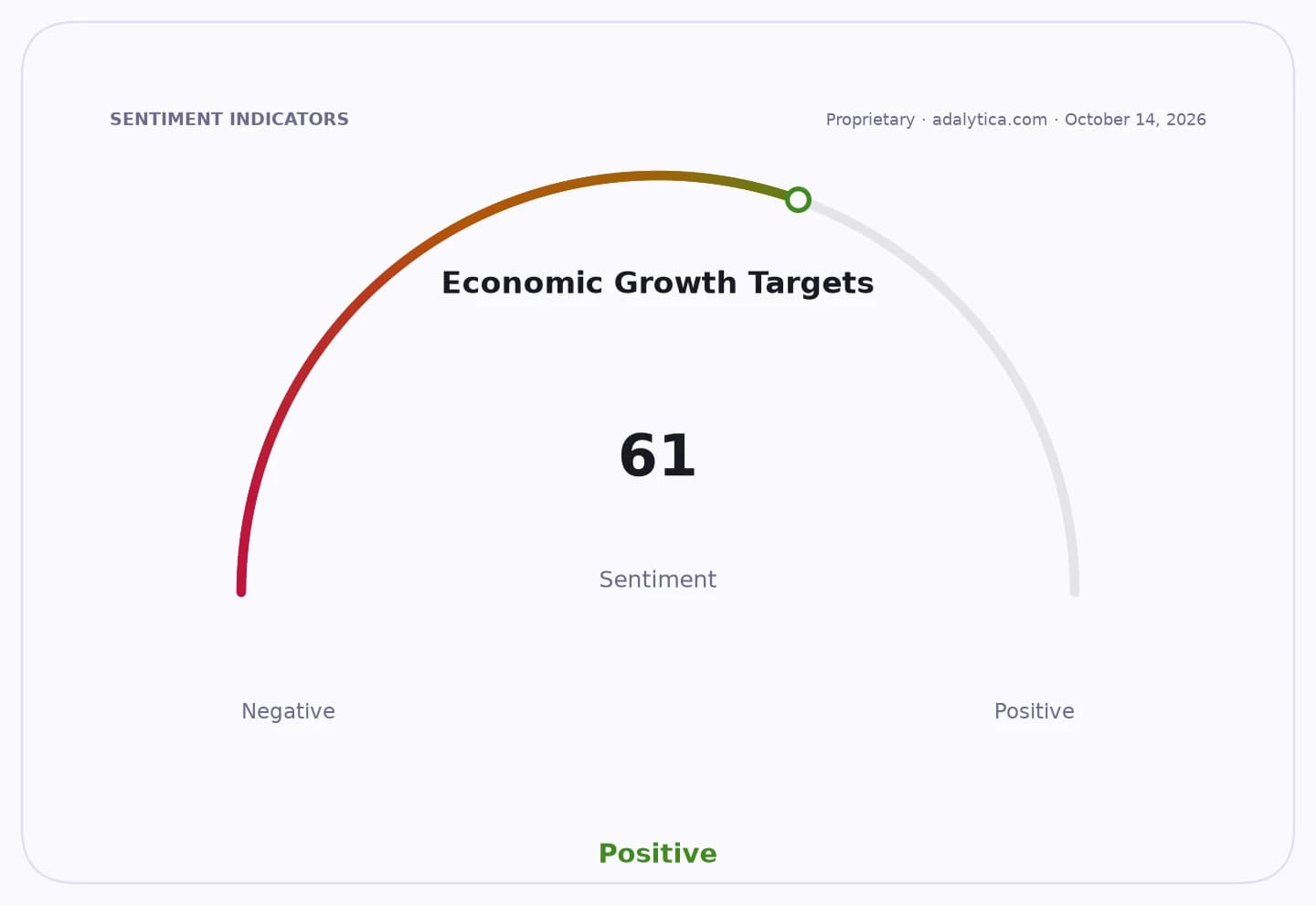
Sentiment IndicatorsⓘProprietary · adalytica.com · October 15, 2026
This is a snapshot — live sentiment, awareness and momentum for 130+ markets update continuously in the dashboard.Open AlphaPulse
Investors should care because Tesla’s next phase requires heavy spending before it can produce meaningful cash flow. The company’s robotaxi push and humanoid Optimus project are exciting long-term narratives, but they are also capital-intensive bets that have yet to prove attractive economics at scale. In the meantime, Tesla must fund those ambitions while defending margins in automobiles and trying to turn battery storage into a second profit engine.
Battery storage is one of the brighter spots, and it matters. Tesla is already one of the most important names in energy storage, a business with better long-term economics than electric-vehicle sales alone if it can sustain margins and keep growing deployments. But even there, the latest numbers were mixed: third-quarter deployments missed expectations by 14%, a sign that competition and tariffs can still bite. That makes the transition story more complicated, not less.
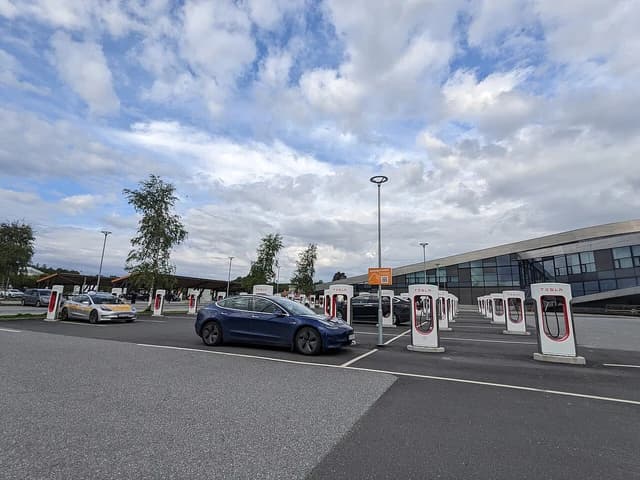
The market is essentially asking whether Tesla is a car company investing in moonshots, or a platform company building the infrastructure for autonomy and energy. Right now, the answer is both — and that tension is why the stock remains so hard to value cleanly. A premium multiple makes sense only if investors believe the future businesses arrive fast enough, and profitably enough, to offset slower growth and weaker auto economics today.
There is also a sentiment gap worth noting. Adalytica’s Tesla Earnings Sentiment snapshot shows extreme fear even as awareness remains elevated, a combination that often appears when expectations are high but conviction is fragile. In plain English, investors are paying close attention, but they are not especially confident.
Technically, Tesla shares have also cooled from earlier strength, with the stock trading below its 50-day moving average and well under its 200-day moving average in the data provided. That does not make the long-term story broken, but it does suggest the market wants proof, not promises, heading into earnings.
For long-term investors, the key takeaway is simple: Tesla still has some of the most compelling optionality in the market, but optionality is not the same as earnings power. If management can show durable auto margins, stronger storage economics and real progress toward monetizing autonomy, the stock can still reward patient shareholders over a multi-year horizon. If not, the robotaxi dream will keep running into the same wall every speculative growth story eventually faces — fundamentals.
For now, Tesla remains worth watching closely, but investors should be prepared for a reality check before they get the payoff.
| Entity | Gains | Losses |
|---|---|---|
| Tesla long-term bulls | ▲Robotaxi and Optimus upside | ▼Near-term margin pressure |
| Tesla bears | ▲Slower-than-hoped earnings payoff | ▼Missed delivery upside |
| Battery storage business | ▲Diversification opportunity | ▼Tariff and competition risk |
| Car buyers/consumers | ▲More product innovation | ▼Less pricing power for Tesla |