A fast-growing drone market is creating a fresh lifeline for next-generation battery makers that have been squeezed by slowing electric-vehicle demand.
Drone Demand Gives Battery Makers New Growth Path

The shift matters because drones need the same thing EVs do, only in a smaller, more punishing package: high energy density, low weight and reliable performance. That makes the sector one of the most interesting spillovers from the EV battery race. Instead of waiting for automakers to absorb every unit of output, emerging battery companies are increasingly turning to defense, logistics and industrial drones as a new source of demand.
Sentiment IndicatorsⓘProprietary · adalytica.com · October 14, 2026
This is a snapshot — live sentiment, awareness and momentum for 130+ markets update continuously in the dashboard.Open AlphaPulse
The timing is hard to miss. Drone use has surged in warfare, border security and surveillance, while civilian applications are also expanding. At the same time, the broader battery industry has been dealing with uneven EV sales and fierce pricing pressure. For young battery makers, that has left expensive research and development with too little revenue to show for it. A drone market that is still in its early growth phase could help change that.
Investors should care because this is not just a niche opportunity. Drones may become one of the first meaningful non-EV end markets for advanced battery chemistry, and that could reshape which suppliers survive the next few years. Companies that can adapt cells originally built for EVs into lighter, longer-range packs for drones may find a better path to commercialization. Those that cannot may remain stuck burning cash while the market waits for mass EV adoption to reaccelerate.
The strategic backdrop is also shifting away from China. Governments and buyers in the U.S., Europe and Japan are pushing to localize more of the battery supply chain, especially for defense-related uses. That gives domestic and allied suppliers an opening, particularly as military planners and logistics firms look for batteries that can support longer flight times and more reliable missions.
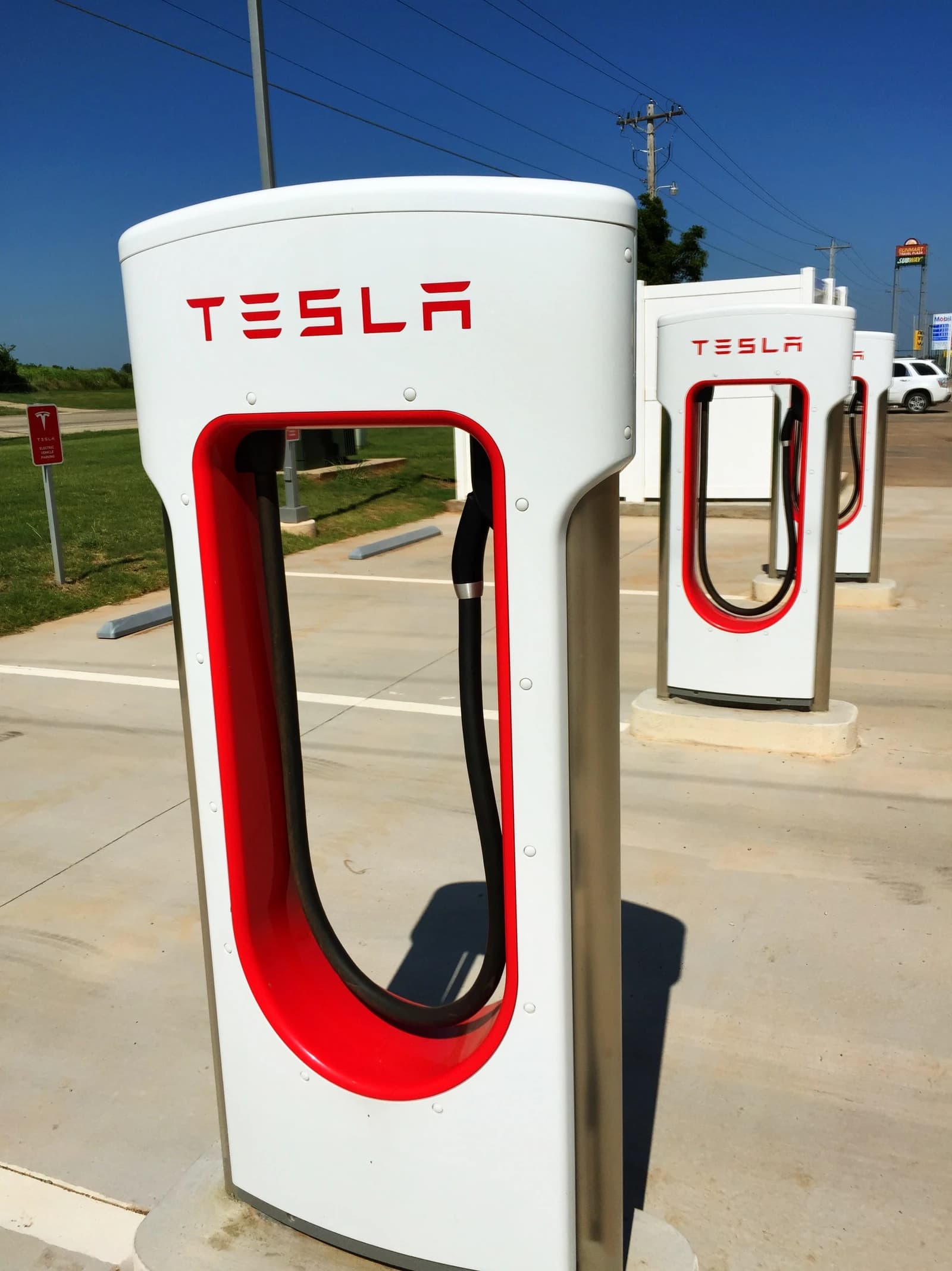
This is where the long-term story gets compelling. If drones keep scaling in defense, inspection, emergency response and delivery, battery makers with real technical advantages could gain a second growth engine beyond EVs. That could be especially important for companies like QuantumScape and Enovix, which have both been working to translate advanced battery technology into commercial products. Their shares have reflected the market’s skepticism: QuantumScape is trading around $4.12, far below its recent 200-day average near $7.09, while Enovix is around $2.51 versus a 200-day average near $5.49. Tesla, meanwhile, remains a bellwether for the broader battery and EV ecosystem, but its stock near $375 sits below its 200-day average around $389, underscoring how selective investors have become.
The bigger lesson for investors is simple: the battery story is no longer just about passenger EVs. The next wave of demand may come from smaller, higher-value applications where performance matters more than volume. That is exactly the kind of market that can reward innovation, protect margins and help emerging companies prove their technology.
For long-term investors, the drone buildout is worth watching closely. It may not replace EV batteries, but it could become the market that helps the next generation of battery makers survive, scale and eventually compound.
| Entity | Gains | Losses |
|---|---|---|
| Next-gen battery makers | ▲New drone demand | ▼EV-only dependence |
| Drone manufacturers | ▲Better range and payload | ▼Battery constraints |
| Defense and logistics buyers | ▲Longer mission capability | ▼Higher sourcing risk |
| China-linked suppliers | ▲Established scale | ▼Localization push |