South Korea has built the world’s densest fast-charging network, a lead that could accelerate electric-vehicle adoption at home while reinforcing the competitive position of its automakers abroad.
South Korea leads in fast-charging EV network
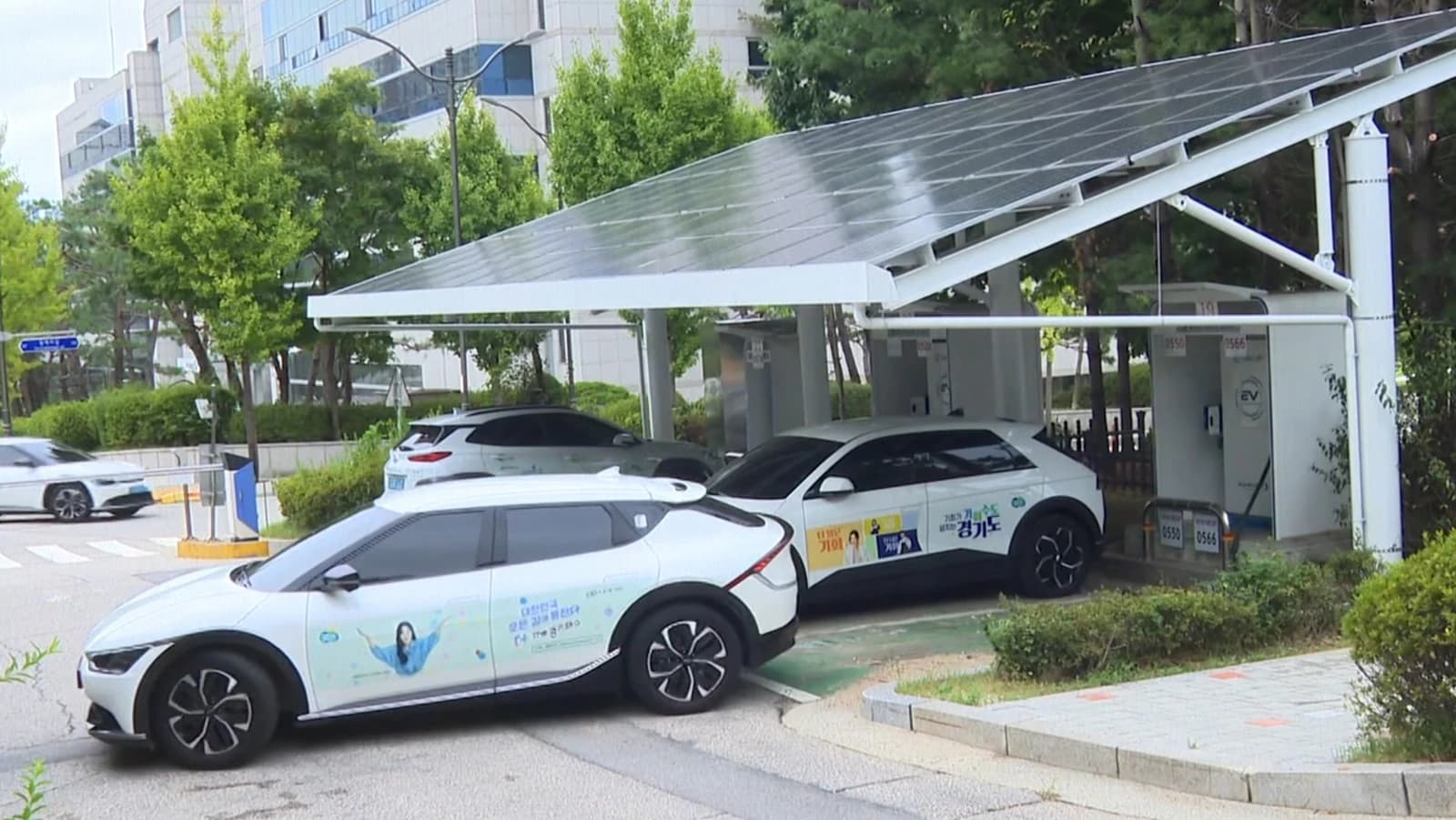
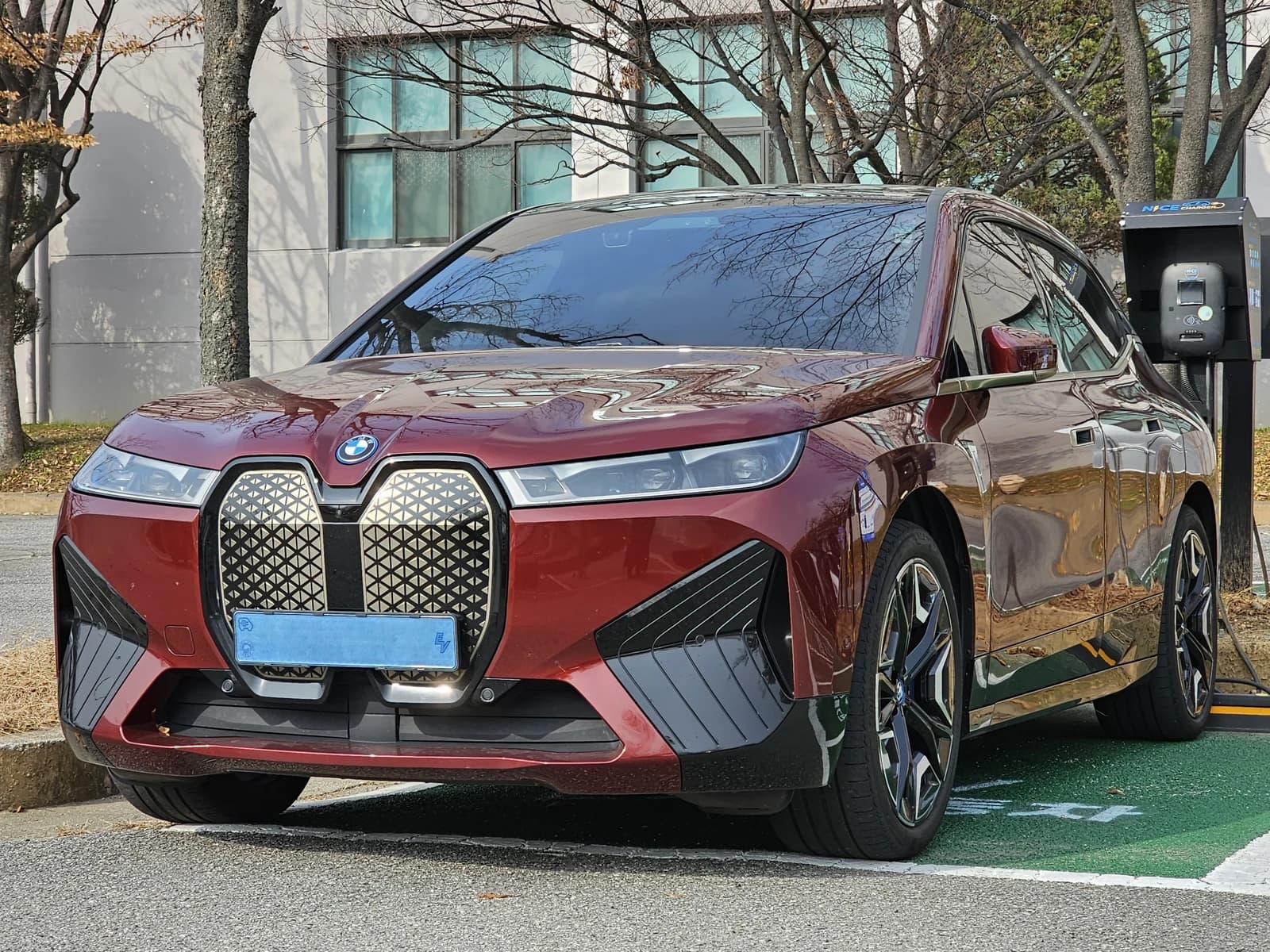
A Roland Berger survey covering 34 countries found South Korea had the most rapid-charging connectors per 100 kilometers of road in 2025, at roughly one port for every 2 kilometers. That is about 50 times Japan’s level, underscoring how quickly the two neighboring markets are diverging on a critical piece of EV infrastructure.
Sentiment IndicatorsⓘProprietary · adalytica.com · October 14, 2026
This is a snapshot — live sentiment, awareness and momentum for 130+ markets update continuously in the dashboard.Open AlphaPulse
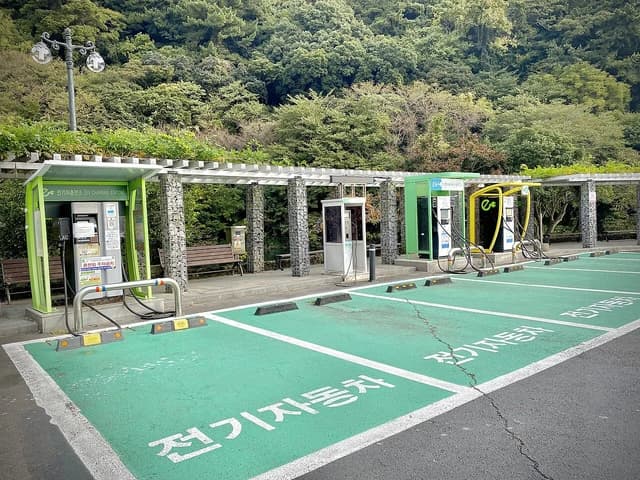
The gap matters because charging access remains one of the biggest constraints on EV uptake. For consumers, a dense network reduces range anxiety and makes battery-powered cars a more practical replacement for internal-combustion vehicles. For the economy, it supports faster fleet turnover, helps governments meet emissions targets and lowers the risk that EV demand stalls before battery costs and charging convenience reach mainstream parity.
For investors, the story goes beyond public infrastructure. South Korea’s charging buildout is a tailwind for domestic EV and battery makers, including Hyundai Motor and Kia, because a market with easier charging typically generates stronger local demand and faster learning on vehicle usage patterns. It also strengthens the investment case for suppliers tied to high-voltage systems, charging hardware and grid equipment.
The equity reaction has been more mixed. Hyundai Motor’s shares have risen sharply this year, reflecting optimism around EV and hybrid offerings and the company’s broader electrification push, though technical readings now show the stock stretched, with its RSI well above 70 on recent trade. Kia has also outperformed, while battery maker LG Energy Solution has traded more unevenly, reflecting the broader volatility in the EV supply chain as pricing pressure and policy uncertainty weigh on margins.
Japan’s much thinner network is a reminder that charging infrastructure, not vehicle technology alone, can determine the pace of electrification. The contrast is especially important in Asia, where governments are trying to balance industrial policy, energy security and consumer adoption while Chinese makers intensify competition across the region.
The near-term question for investors is whether South Korea’s charging advantage translates into sustained EV market share gains for domestic manufacturers, or whether it simply keeps pace with a global sector still prone to discounting and uneven demand. If charging convenience continues to improve faster in Korea than in rival markets, the country’s automakers could enjoy a structural edge even as the EV industry remains under pressure from pricing wars and slower-than-hoped consumer adoption.
| Entity | Gains | Losses |
|---|---|---|
| South Korean automakers | ▲Easier EV adoption | ▼Japan-based rivals |
| EV buyers in South Korea | ▲Less range anxiety | ▼Consumers in low-infrastructure markets |
| Battery and charging suppliers | ▲Higher installation demand | ▼Underinvested infrastructure players |
| Japan’s EV market | ▲— | ▼Slower charging rollout |