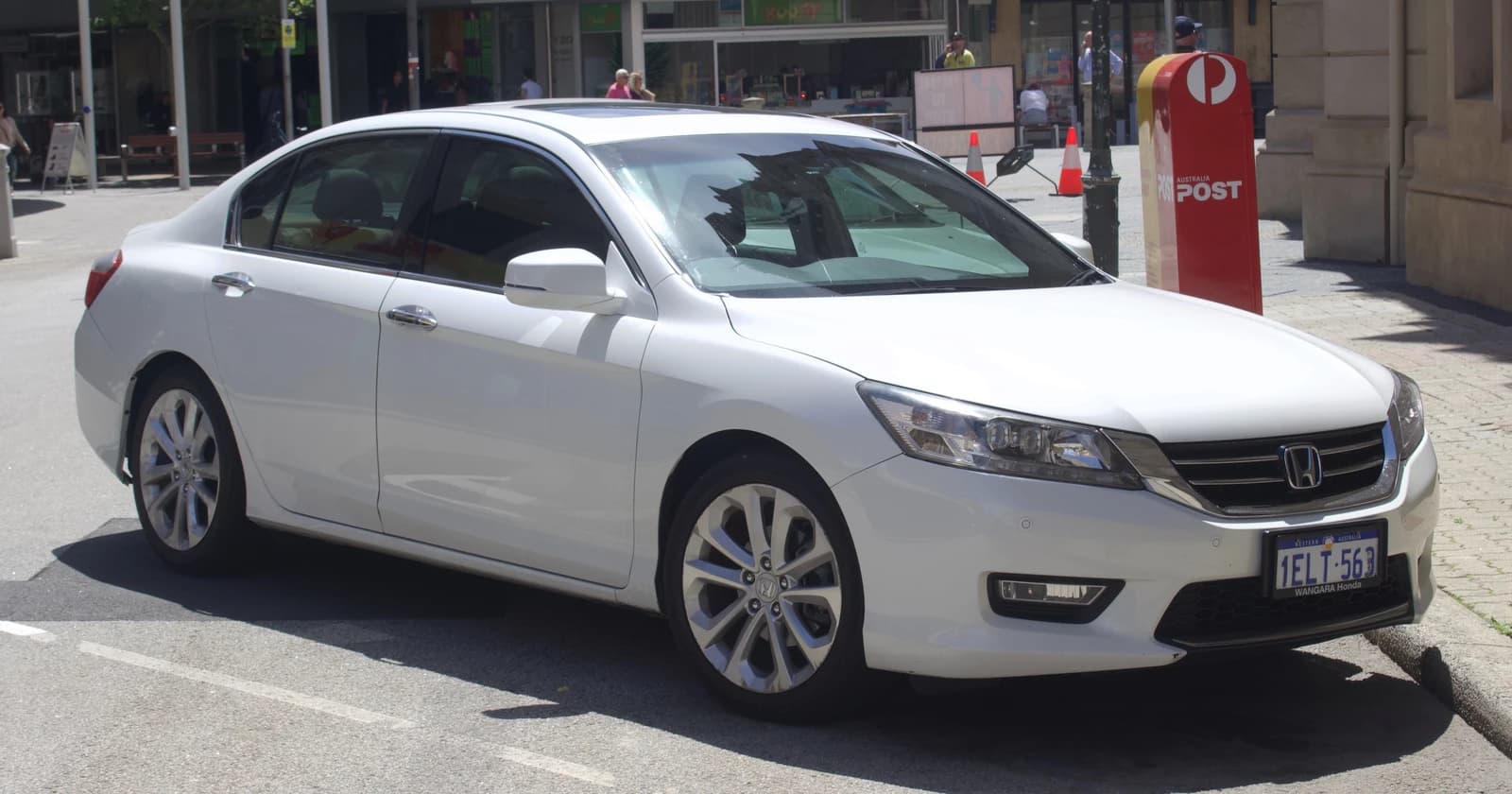
Honda is preparing to spend about $2.5 billion on a new hybrid vehicle plant in Ohio, a clear sign that the company is putting real capital behind the part of the auto market that is still growing fastest and making money.
Honda Ohio hybrid plant investment
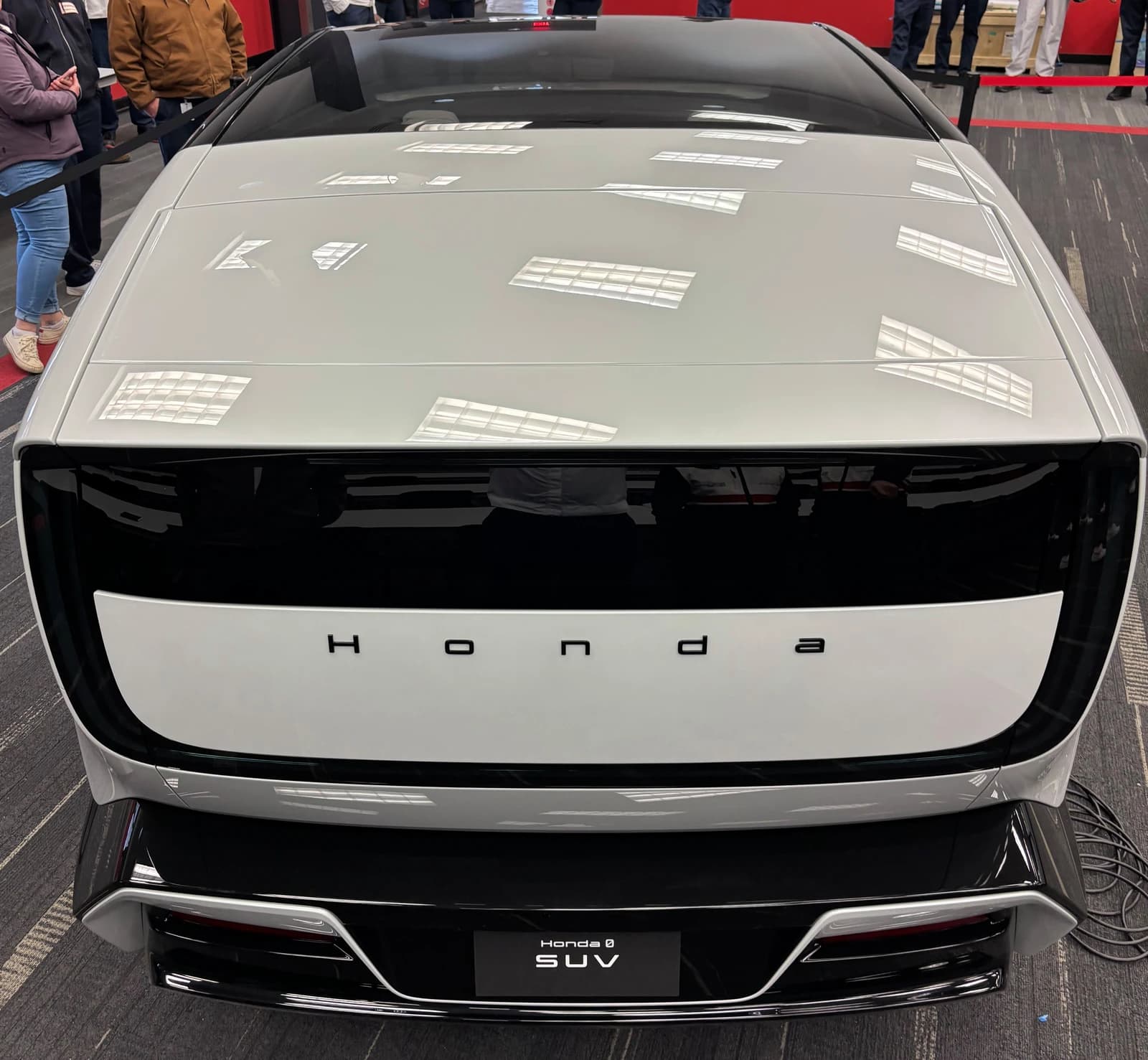
That matters because hybrids have become the bridge between today’s gasoline fleet and tomorrow’s all-electric lineup. For Honda, building capacity in the U.S. is not just about serving American buyers; it is about lowering tariff, logistics and currency risk while keeping production closer to one of its most important markets. According to Nikkei, the factory could cost 300 billion to 400 billion yen and is expected to start production in 2030.
Sentiment IndicatorsⓘProprietary · adalytica.com · September 29, 2026
This is a snapshot — live sentiment, awareness and momentum for 130+ markets update continuously in the dashboard.Open AlphaPulse
For investors, the message is simple: Honda is choosing profitable electrification over flashy electrification. The company has already been forced to reassess parts of its vehicle electrification strategy, and that makes this Ohio project look less like a headline-grabbing expansion and more like a disciplined allocation of capital. If the hybrid market stays hot, Honda gets a stronger manufacturing footprint and a better shot at maintaining margins in North America, where competitors are still wrestling with the cost of EV transition.
The broader auto story here is that the industry is not moving in a straight line toward battery-only vehicles. Customers want efficiency without range anxiety, and manufacturers want products that can earn a return before the next technology cycle arrives. Honda’s plan suggests it sees hybrids as a durable profit engine, not a temporary compromise.
The stock market has already shown investors are paying close attention to those choices. Honda shares have been trading above their 50-day moving average, with momentum improving in recent sessions, while Toyota has remained steadier and Ford has been far more volatile as the U.S. market reassesses the cost of electrification. That divergence tells you where the market thinks execution is strongest.
For long-term investors, the key question is not whether hybrids are exciting. It is whether they can compound cash flow while the industry resets. Honda’s Ohio investment says yes, and that makes the company worth keeping on the watchlist for anyone looking to own a resilient automaker with a realistic electrification strategy.
| Entity | Gains | Losses |
|---|---|---|
| Honda | ▲U.S. capacity, hybrid demand | ▼Near-term capital outlay |
| Toyota | ▲Validation of hybrid strategy | ▼Less differentiation |
| Ford | ▲Hybrid market momentum | ▼EV-margin pressure |
| U.S. auto suppliers | ▲Plant-linked orders | ▼EV-only bets |