Republicans in Congress are increasingly alarmed by Donald Trump’s handling of Ukraine, but they still have little ability to stop him as he weighs concessions to Moscow that could reshape U.S. sanctions policy, intelligence sharing and the war’s funding dynamics.
Trump Ukraine Policy Rattles Congress and Markets
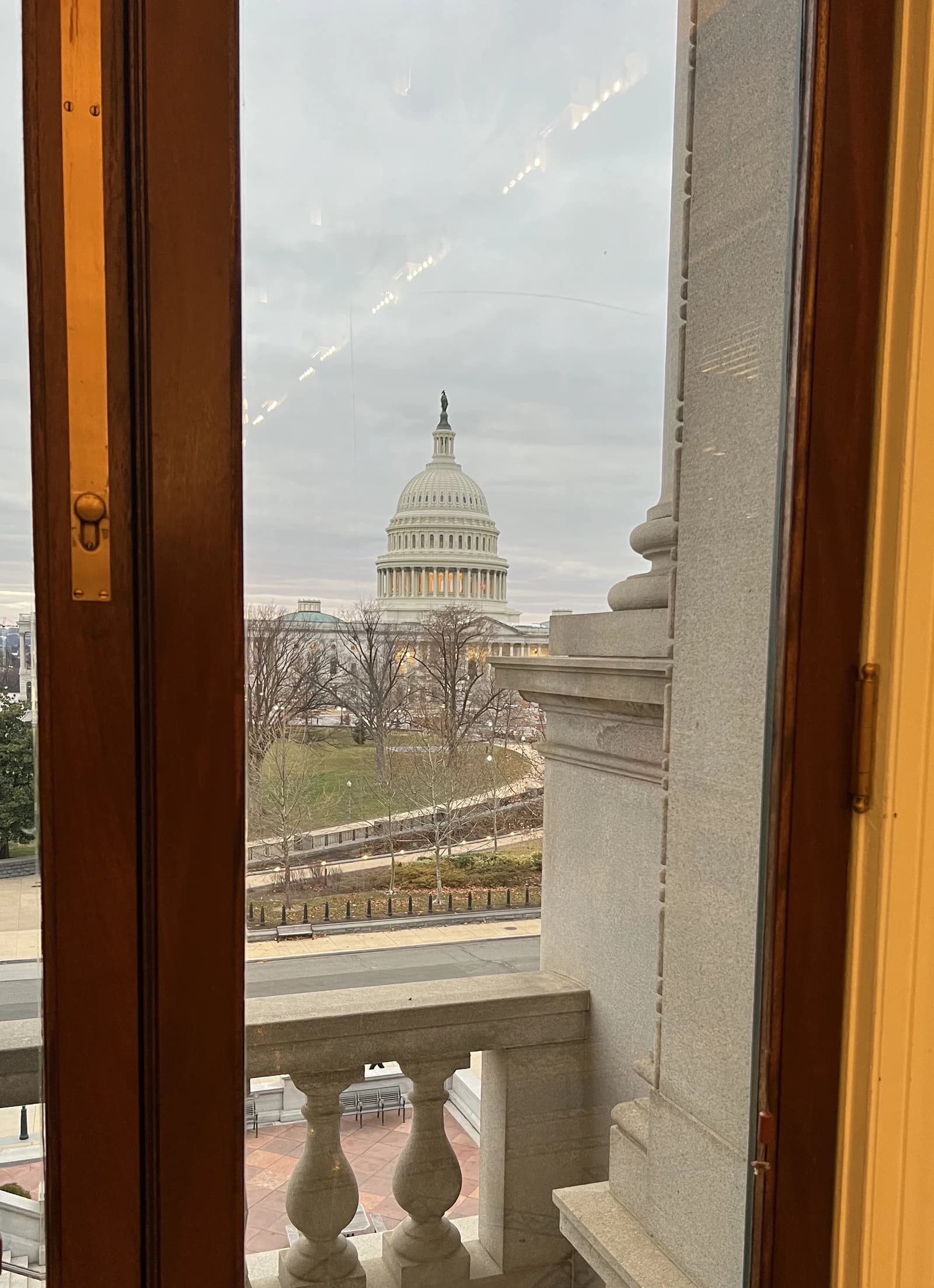
The clearest economic issue is not just diplomacy: it is whether Washington’s Ukraine policy tilts toward easing pressure on Russia at a time when energy flows, sanctions enforcement and military aid all have market consequences. Trump’s consideration of buying Russian diesel, suspending sanctions and curbing intelligence support has rattled lawmakers who fear the White House is making unilateral decisions that Congress cannot easily unwind.
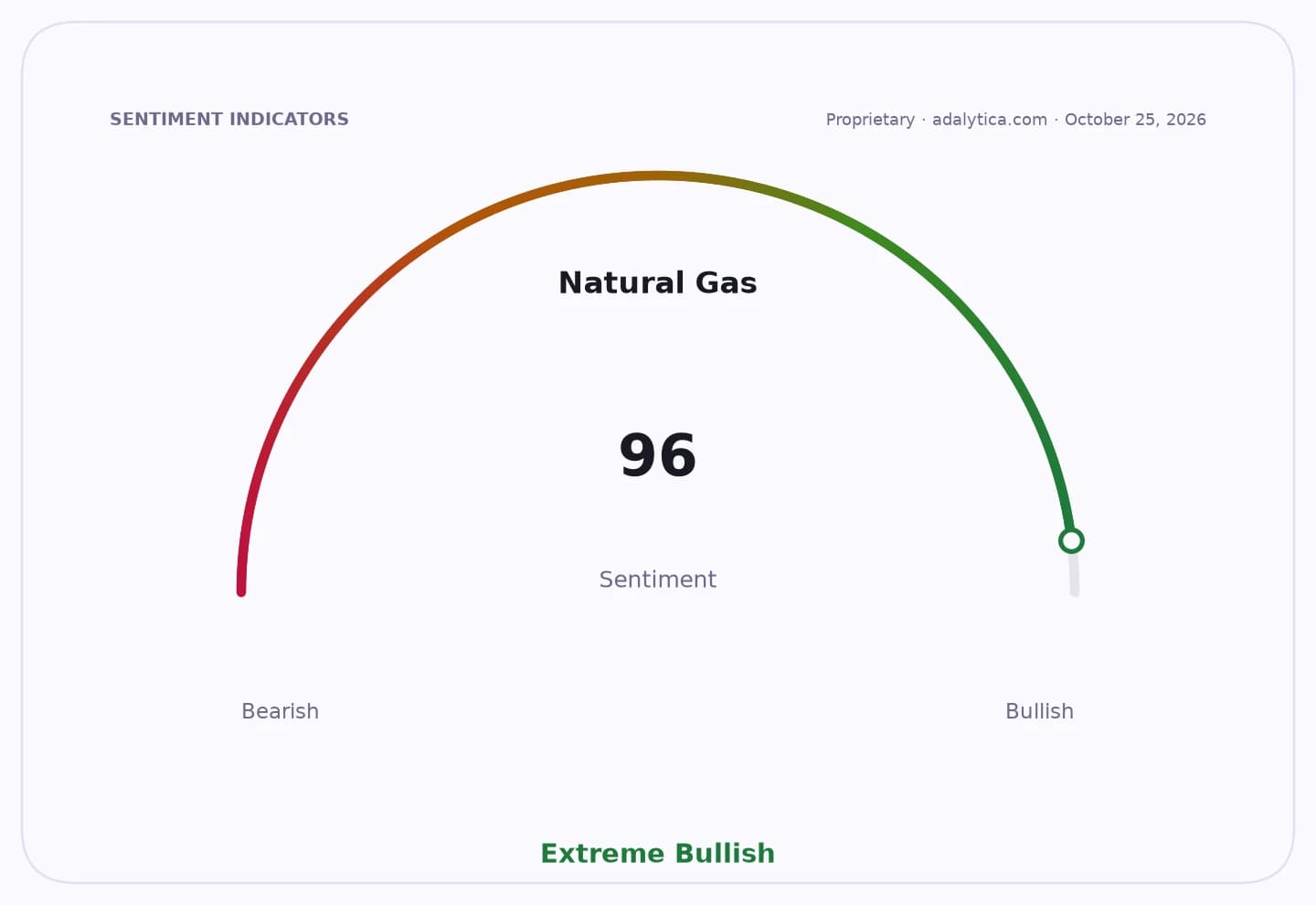
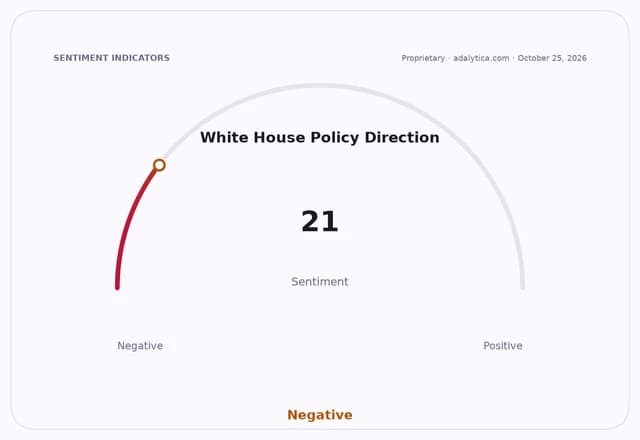
Sentiment IndicatorsⓘProprietary · adalytica.com · October 25, 2026
This is a snapshot — live sentiment, awareness and momentum for 130+ markets update continuously in the dashboard.Open AlphaPulse

The political backlash is scattered rather than coordinated. Members of the Senate Armed Services Committee are urging Trump to strike an agreement with Kyiv to limit Ukrainian strikes on Russian energy facilities, while other Republicans have held an emergency call with President Volodymyr Zelenskiy. A third camp is threatening to obstruct administration priorities in the final stretch of the congressional session, underscoring how little consensus exists inside the party.
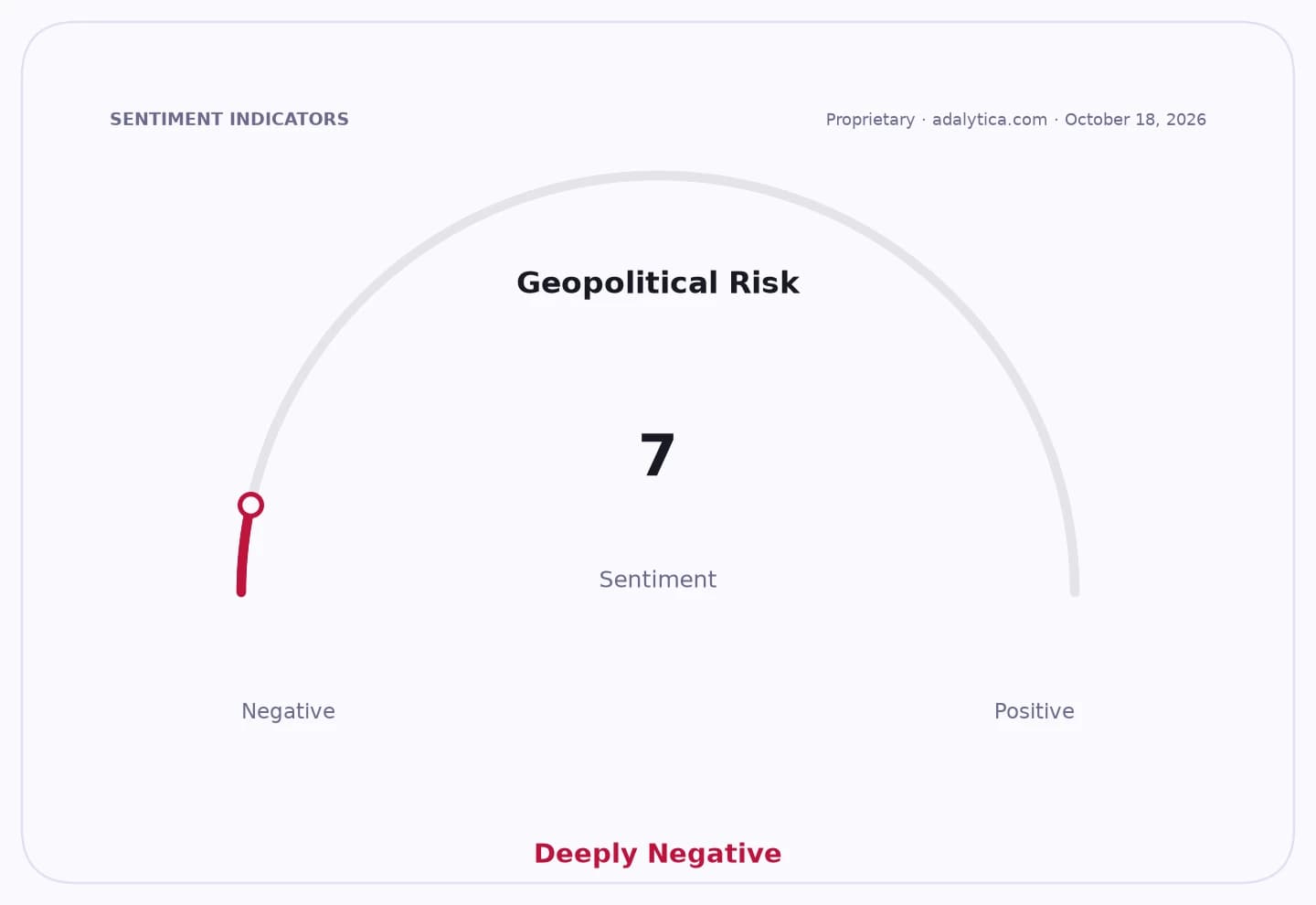
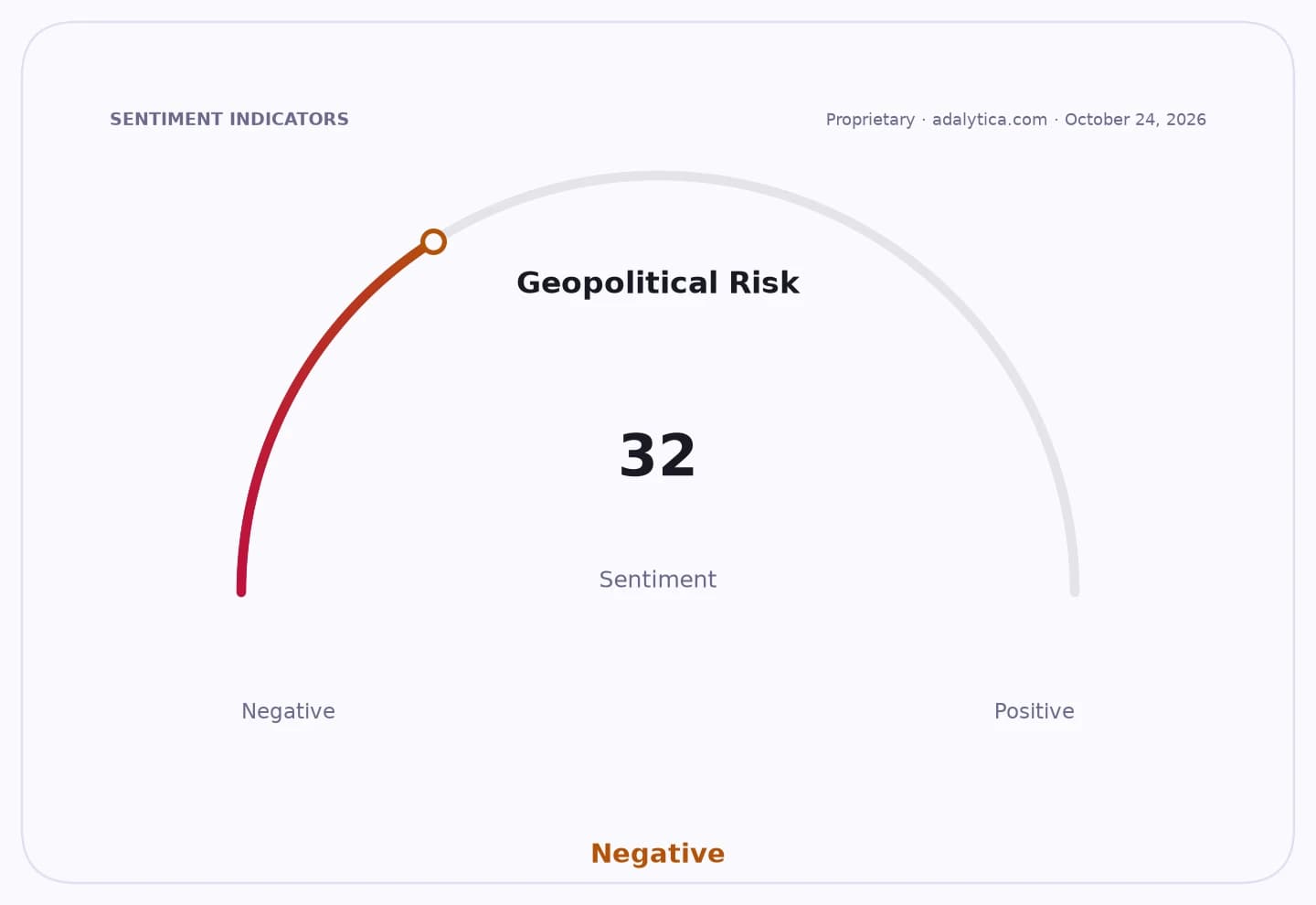
That matters to investors because Ukraine policy reaches far beyond the battlefield. Any shift in sanctions enforcement, energy trade or U.S. support for Kyiv can move defense budgets, European security spending, crude and refined-product markets, and the dollar. The Adalytica U.S. White House Policy Direction sentiment gauge is at 21, in “Fear,” with awareness in “Extreme Fear,” suggesting markets are treating the policy direction as unusually unstable. Global Stability sentiment has also fallen to 32, while the dollar-trade signal has risen to 68, pointing to a firmer haven bid.
White House Policy Direction vs UUPadalytica.com
Explore this data interactively — full history, time series and cross-market comparisons.Open AlphaPulse
Market data show the dollar tracking firmer overall, with the Invesco DB U.S. Dollar Index Bullish Fund, UUP, closing at $28.96 on Oct. 23, above its 50-day moving average of $28.48 and 200-day average of $27.88. By contrast, gold proxy GLD fell to $366.61, below both its 50-day average of $394.50 and 200-day average of $414.21, while the SPDR S&P 500 ETF Trust, SPY, slipped to $759.97, still above its 50-day average but with momentum softening as RSI readings cooled.
The broader narrative is that Trump is pressing ahead on Ukraine in a way that leaves Republicans reacting after the fact rather than setting the terms. That raises the odds of more policy volatility, more friction with European allies and a more uncertain backdrop for markets that trade on sanctions, defense demand and geopolitical risk. The next catalyst is whether Congress turns its frustration into procedural resistance, or whether Trump’s team formalizes a new line on Russia and Ukraine.
| Entity | Gains | Losses |
|---|---|---|
| Trump White House | ▲More room to set Ukraine policy | ▼Congressional pushback |
| Russia | ▲Relief if sanctions ease | ▼Tighter scrutiny if Congress reacts |
| U.S. dollar | ▲Haven demand | ▼Risk appetite trades |
| Ukraine / Zelenskiy | ▲Backing from some lawmakers | ▼Support if U.S. policy softens |