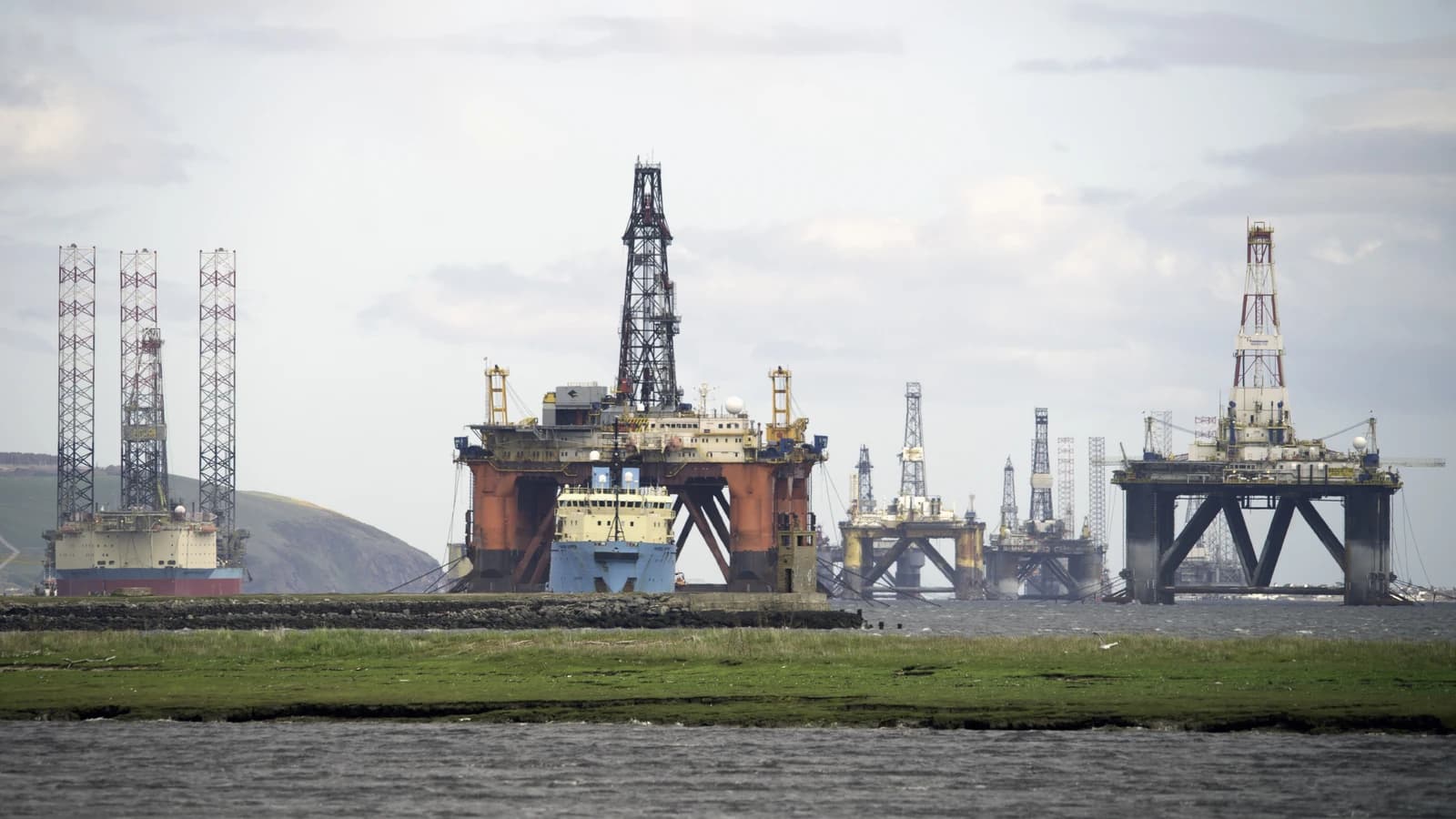
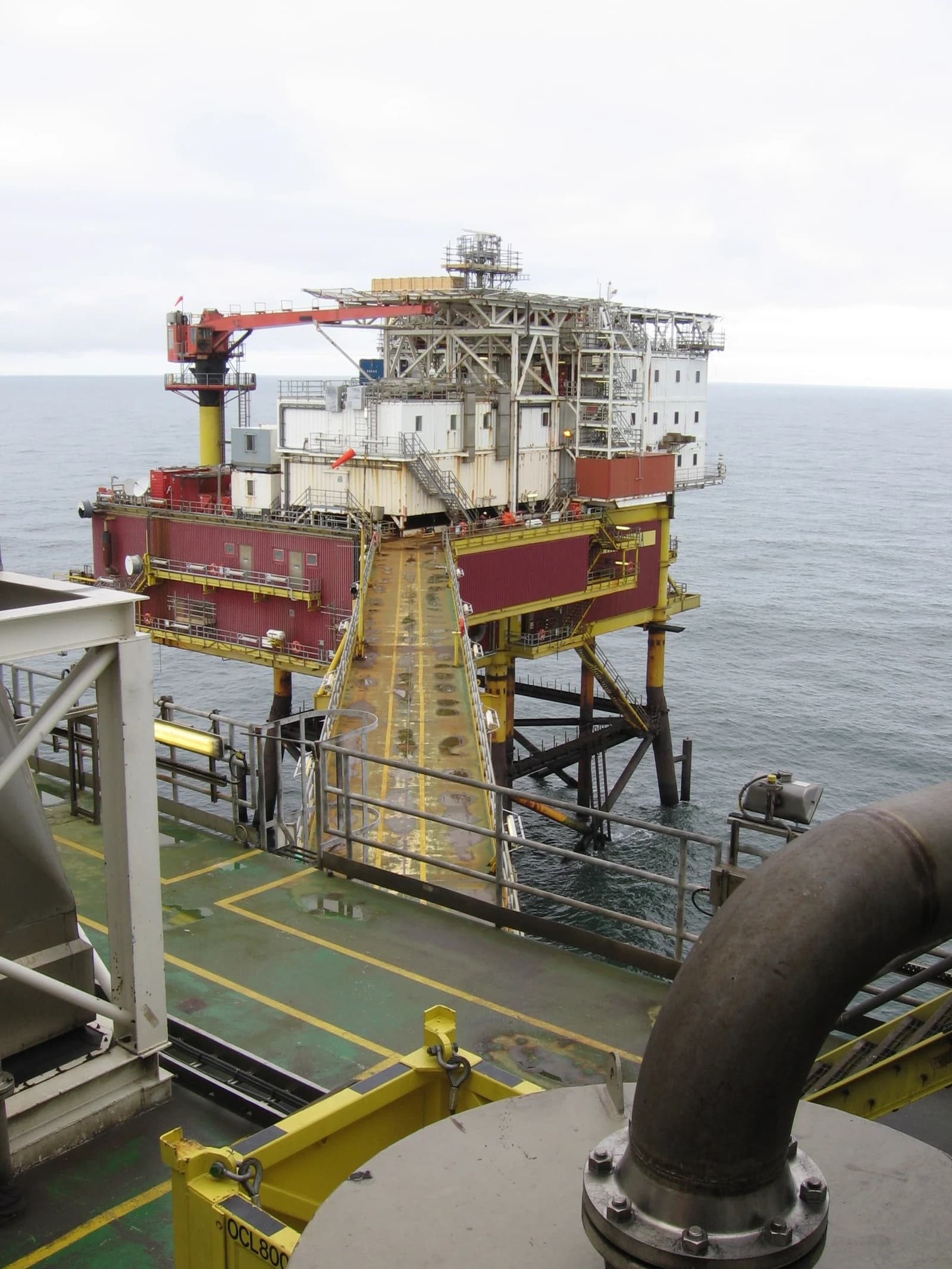
The UK government is set to approve the long-delayed Jackdaw gas field on Wednesday, a decision that would sharpen Labour’s attempt to balance energy security with its pledge to stop new North Sea licensing.
UK Set to Approve Jackdaw Gas Field
The move matters less for its direct impact on household bills than for what it says about the direction of UK energy policy. Jackdaw, off Aberdeen, is one of the North Sea projects caught up in legal challenges and political debate since the change of government. Approving it would signal that Labour is willing to back existing developments it inherited, even as it keeps its manifesto commitment to no new oil and gas licences in place.
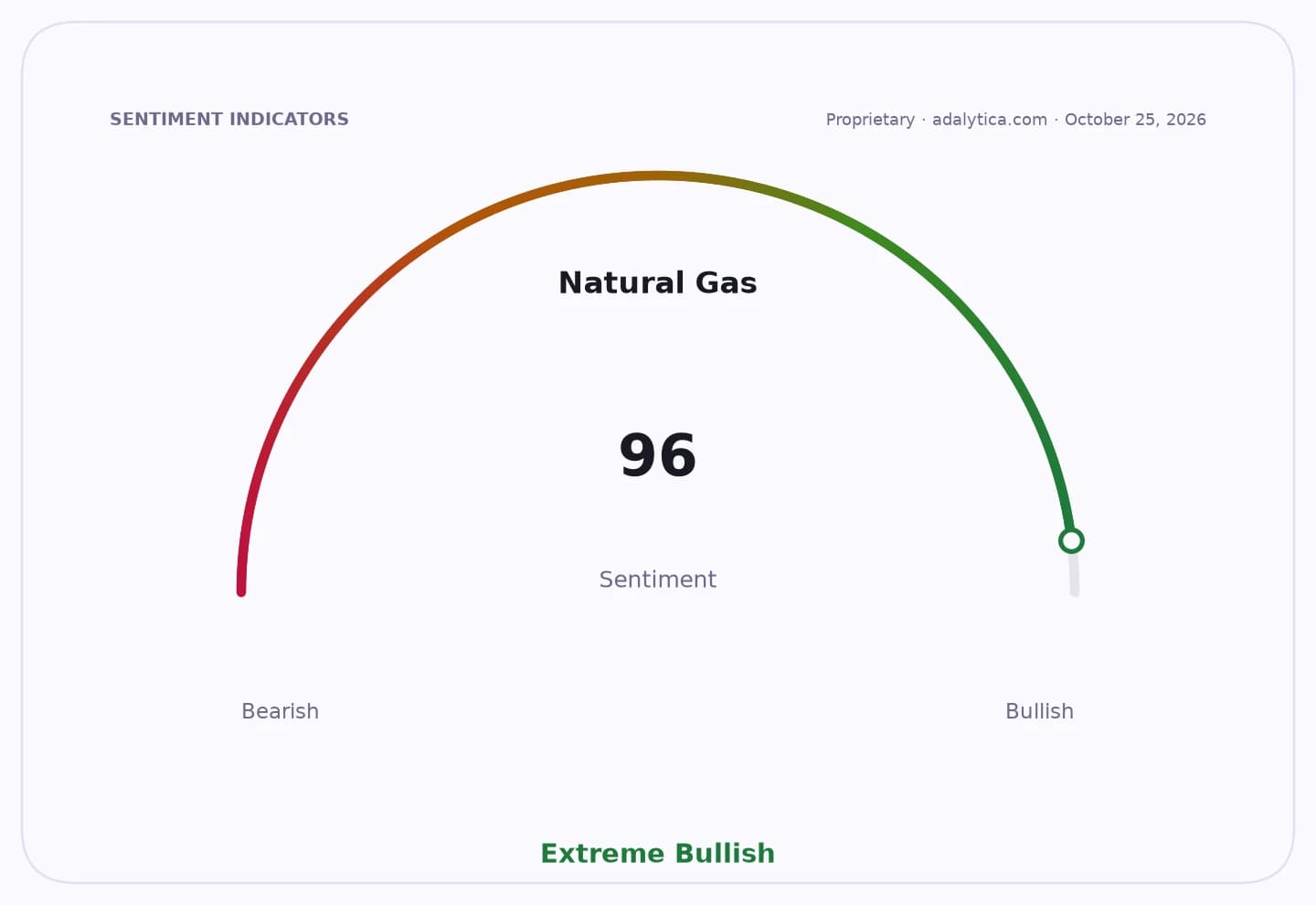
Sentiment IndicatorsⓘProprietary · adalytica.com · October 25, 2026
This is a snapshot — live sentiment, awareness and momentum for 130+ markets update continuously in the dashboard.Open AlphaPulse
That distinction is central to the investment case. Supporters argue Jackdaw is not a new fossil fuel frontier but a project already in motion before Labour took office. Critics say any fresh North Sea production cuts against the spirit of the party’s election platform and risks undermining climate credibility. The government’s decision on Rosebank, the larger and more politically sensitive oil field, is expected to take longer.
For the market, the near-term pricing effect is likely limited. Analysts have said additional North Sea output would do little to materially reduce energy costs for UK households or businesses, especially with global oil and gas prices still being driven by geopolitical shocks. Brent and US crude have been volatile, and natural gas sentiment has turned sharply more positive in recent days, underscoring how international supply conditions continue to dominate domestic developments.
The investment implications are more immediate for the North Sea’s listed players and service chain. Shell, which has been in focus around Jackdaw, has seen its shares strengthen sharply in recent weeks, with technical indicators such as the 50-day moving average and RSI showing momentum that is already stretched. BP has also rallied, though its move has been more modest. Both stocks have benefited from firmer commodity pricing and expectations that upstream projects can still clear regulatory hurdles.
Energy security is the political frame around which this decision turns. Backers, including union leaders and Conservative critics, say domestic production should be maximised to reduce import dependence during a period of global volatility. Environmental groups argue the opposite: that approving more drilling now locks in emissions and does little to protect consumers from price spikes.
The immediate question is whether Jackdaw becomes a one-off accommodation or the start of a broader policy shift. If Labour approves the field but delays Rosebank, it may be trying to thread a narrow political line: allow legacy projects to proceed while preserving room to argue it has not reopened the door to new licensing. Investors will watch whether that stance holds, because it will shape capital allocation, permitting risk and the long-term viability of North Sea assets.
| Entity | Gains | Losses |
|---|---|---|
| Shell | ▲Project approval certainty | ▼Less policy flexibility |
| UK government | ▲Energy-security credibility | ▼Climate-policy criticism |
| Domestic gas producers | ▲Easier permitting outlook | ▼No guarantee on Rosebank |
| Environmental groups | ▲Stronger campaign focus | ▼Policy setback on Jackdaw |