The prolonged uncertainty around the Rosebank oil project is forcing Ithaca Energy to weigh shifting future capital away from the UK, a warning that could hit investment across Britain’s North Sea just as the government tries to keep domestic energy supply and jobs onshore.
Ithaca Energy may shift capital away from UK
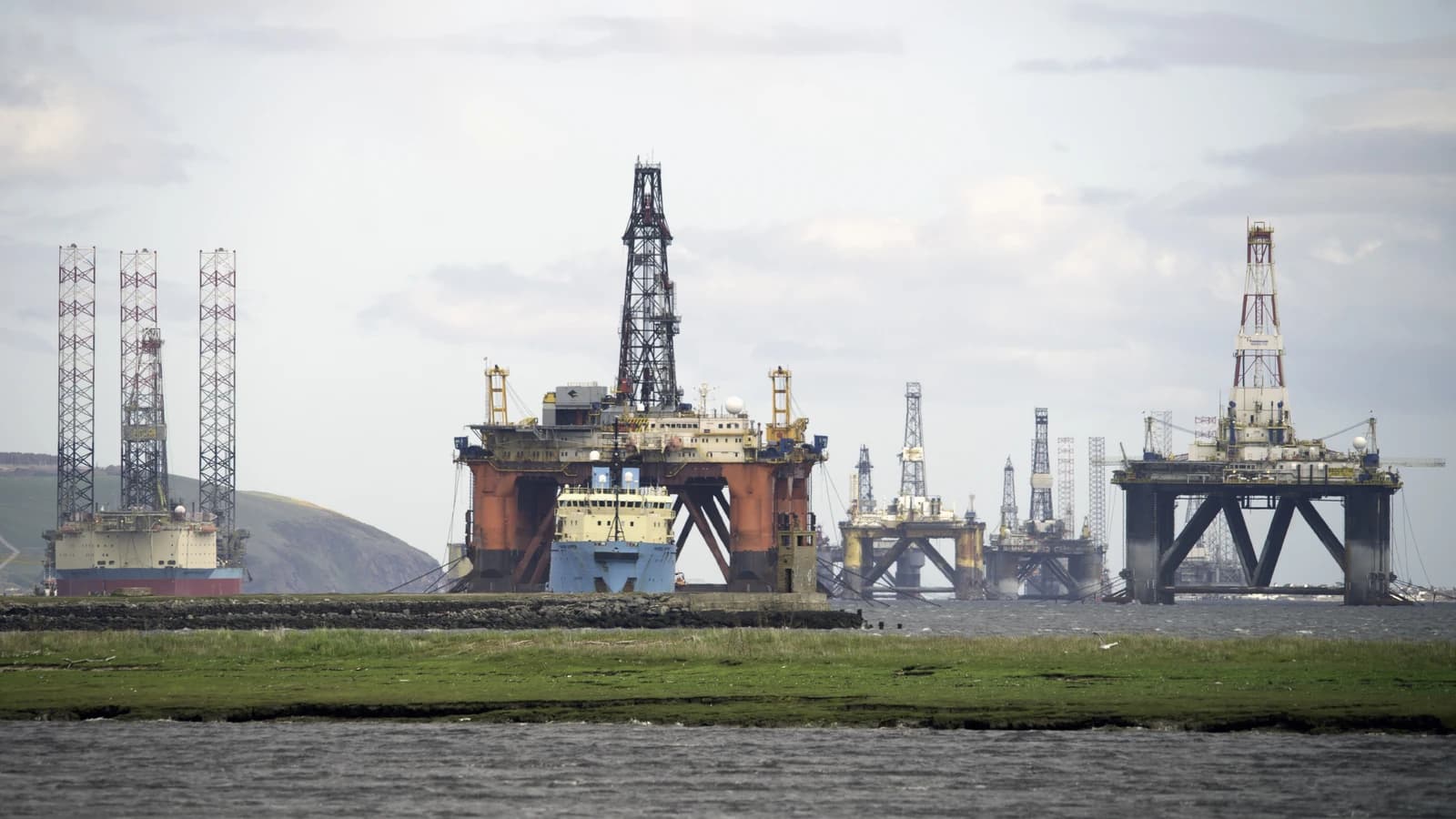
Ithaca Executive Chair Yaniv Friedman told the Financial Times the company could redirect spending to international opportunities if Rosebank does not win approval, underscoring how regulatory delays can change where oil companies allocate scarce upstream capital. For a mature basin like the UK North Sea, where projects need large upfront spending and years before first barrels flow, certainty on permits can matter as much as geology.
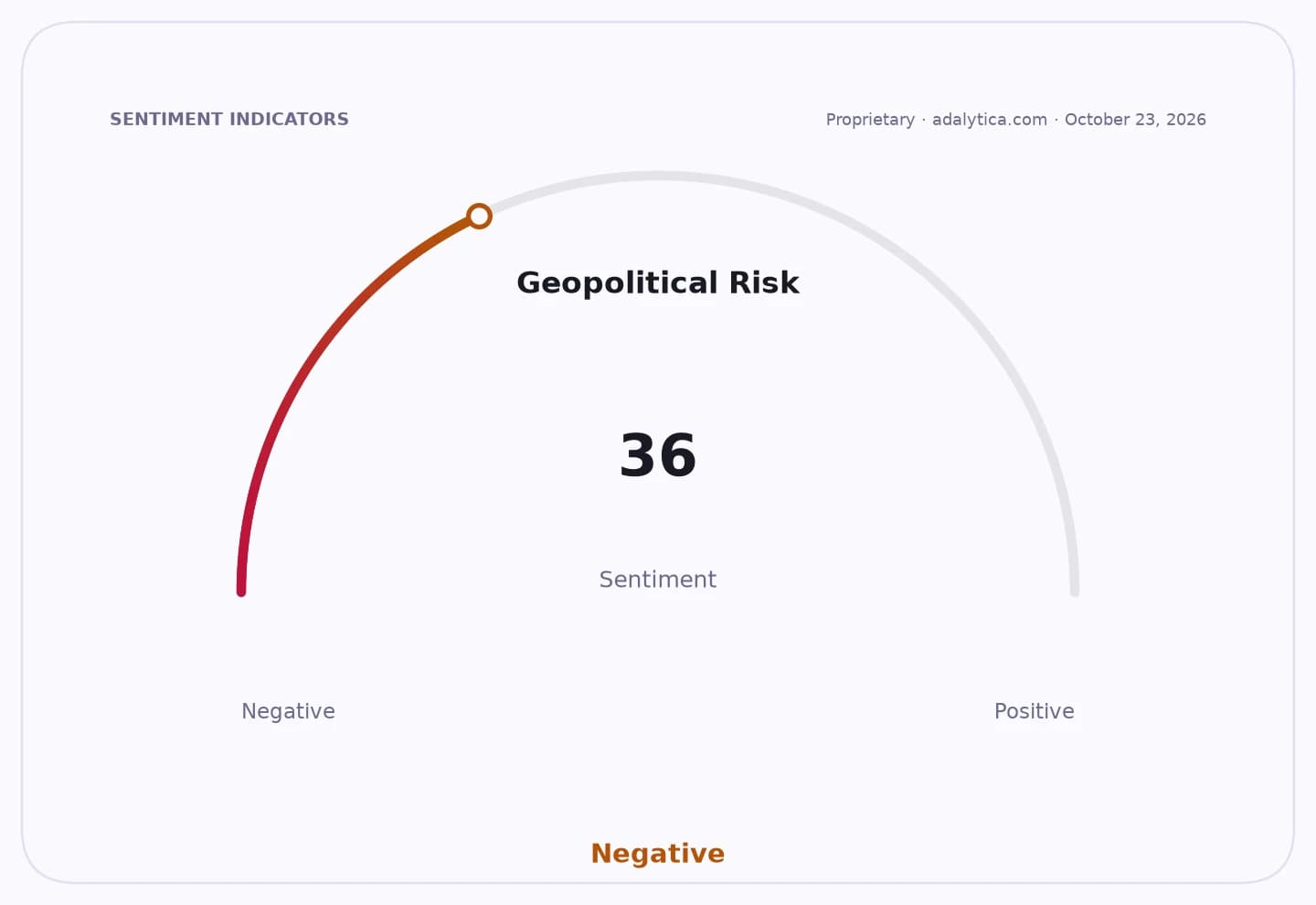
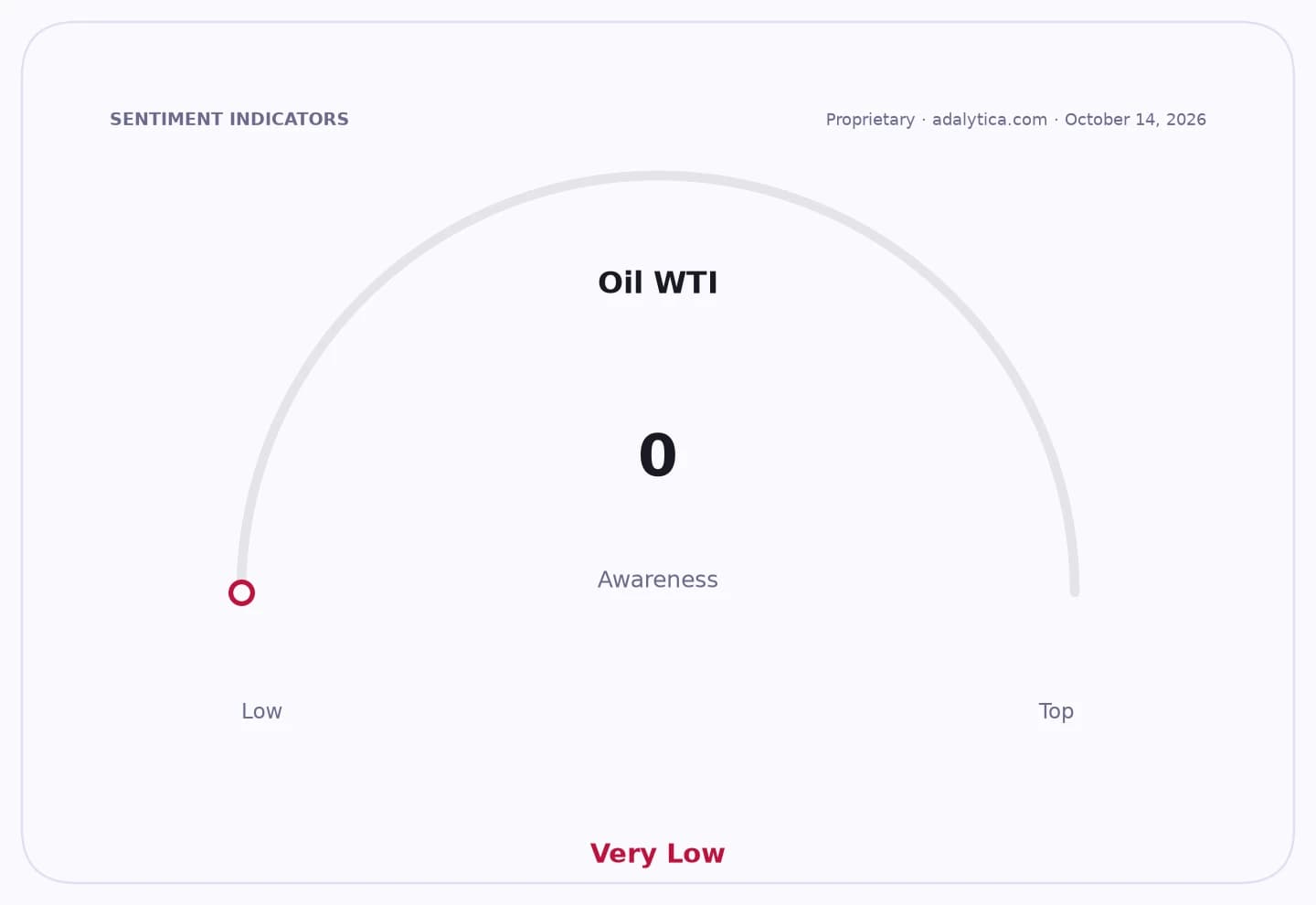
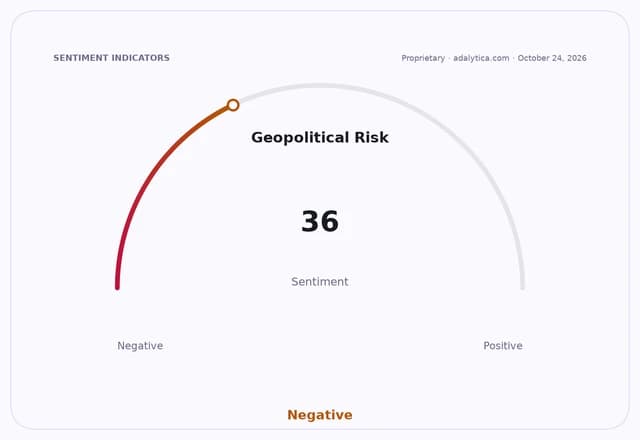
Sentiment IndicatorsⓘProprietary · adalytica.com · October 24, 2026
This is a snapshot — live sentiment, awareness and momentum for 130+ markets update continuously in the dashboard.Open AlphaPulse
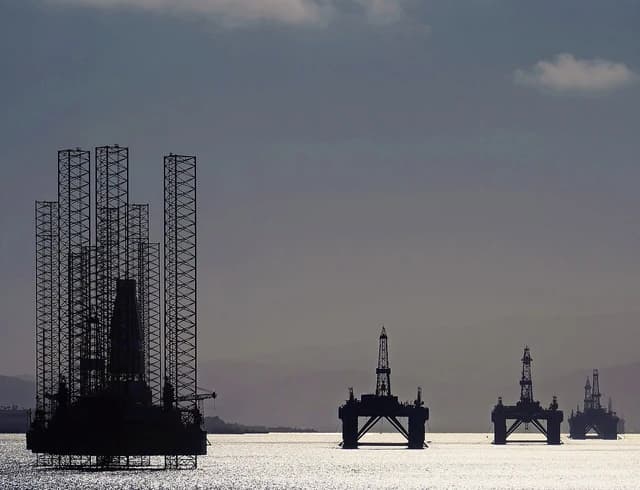
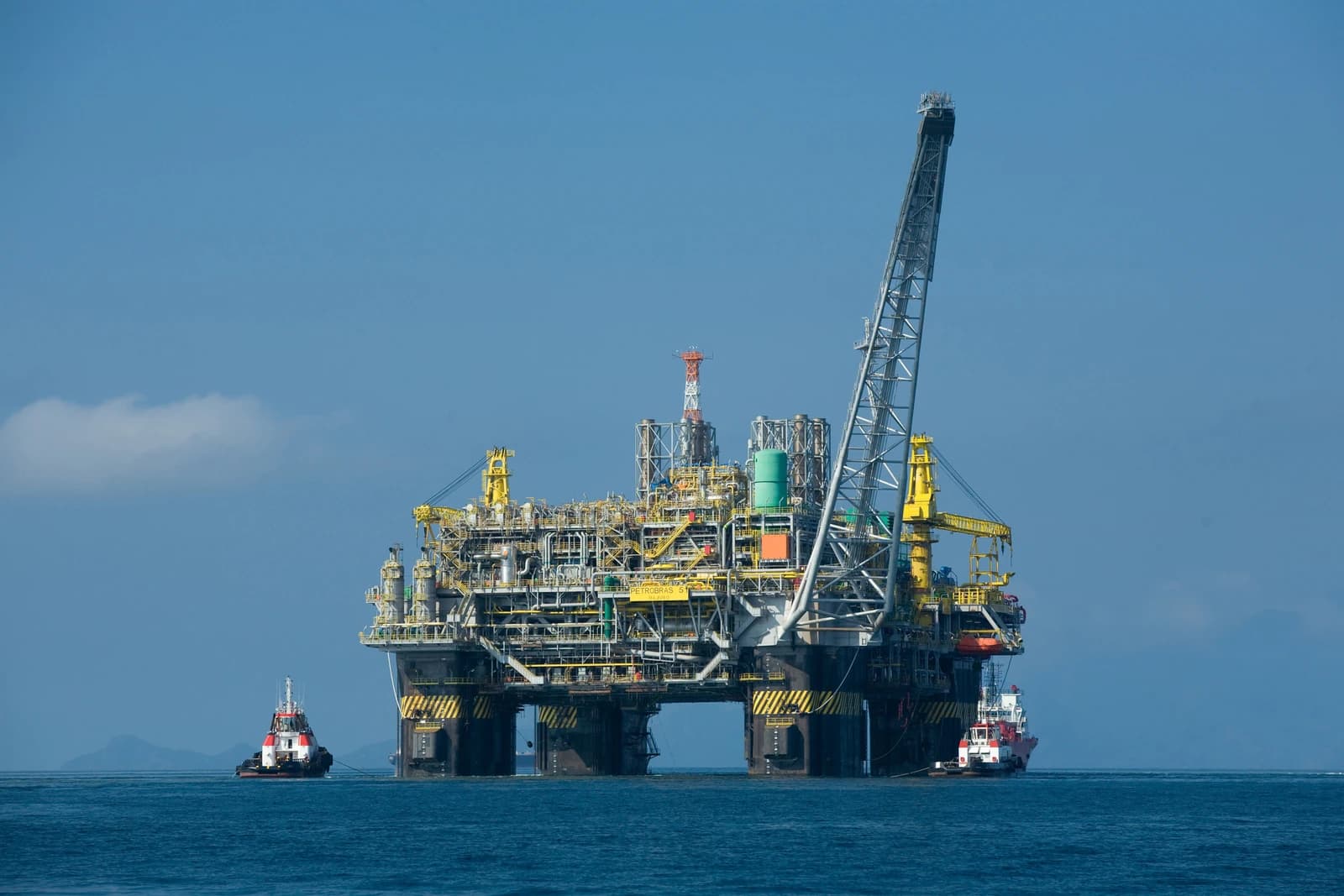
Rosebank is one of Britain’s biggest undeveloped offshore oilfields, with an estimated 300 million barrels of recoverable resources and a development cost of about $3.8 billion. The project is 80% owned by Adura, Shell’s joint venture with Equinor, while Ithaca holds 20%.
The field was initially approved in 2023, but a Scottish court overturned the consent in January 2025 after ruling the environmental assessment did not fully account for emissions from the oil and gas eventually produced. A revised approval process is still under way, and the company has said first production had been targeted for the first half of 2027 after the floating production, storage and offloading vessel arrived on location in June 2026.
For investors, the issue is not just Rosebank itself but whether the UK can remain competitive for long-duration offshore spending against other jurisdictions. Ithaca has already moved to diversify, announcing an agreement to buy interests in three Canadian offshore projects from Suncor Energy, giving it another destination for future capital if Britain remains politically and legally difficult.
The stakes extend beyond Ithaca. A prolonged slowdown in UK offshore investment could pressure offshore drillers, subsea contractors, engineers and service firms, while clearer approval timelines could help preserve the capital budgets needed to develop existing North Sea fields.
The government’s separate decision on the Jackdaw gas project has already signaled support for some domestic production, but Rosebank remains a crucial test of how far Britain is willing to back new offshore oil developments as it balances energy security, tax revenue and climate pressure.
| Entity | Gains | Losses |
|---|---|---|
| Ithaca Energy | ▲More optionality abroad | ▼UK capital commitment risk |
| Shell and Equinor’s Adura | ▲Rosebank approval proceeds | ▼Further delay and carrying costs |
| UK offshore services sector | ▲More project approvals | ▼Less upstream spending |
| Canada offshore projects | ▲Potential new funding | ▼Less if Rosebank is approved |