Iraq is trying to turn its vast oil endowment into a fresh wave of foreign investment, and American energy companies are at the center of that push.
Iraq Seeks U.S. Oil Investment From Exxon, Chevron
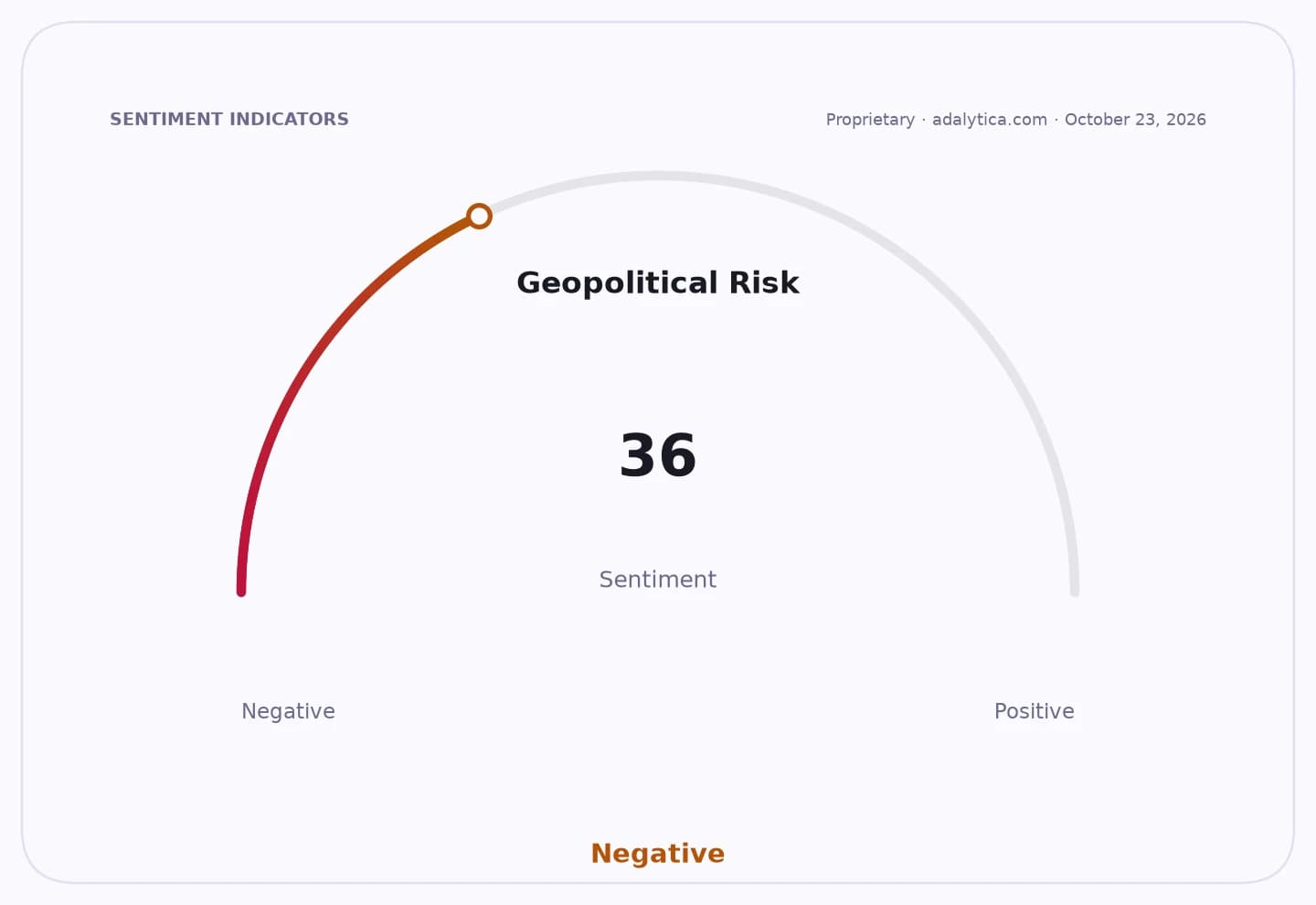
Oil Minister Bassem Mohammed Khudhair said Iraqi authorities are seeing strong interest from U.S. companies to develop fields and build out the country’s oil and gas industry, underscoring how Baghdad is leaning on experienced international operators to unlock output, export infrastructure and gas production. For investors, the significance is simple: Iraq wants more capital, more technology and faster project execution at a time when geopolitical shocks and tight spare capacity keep oil markets on edge.
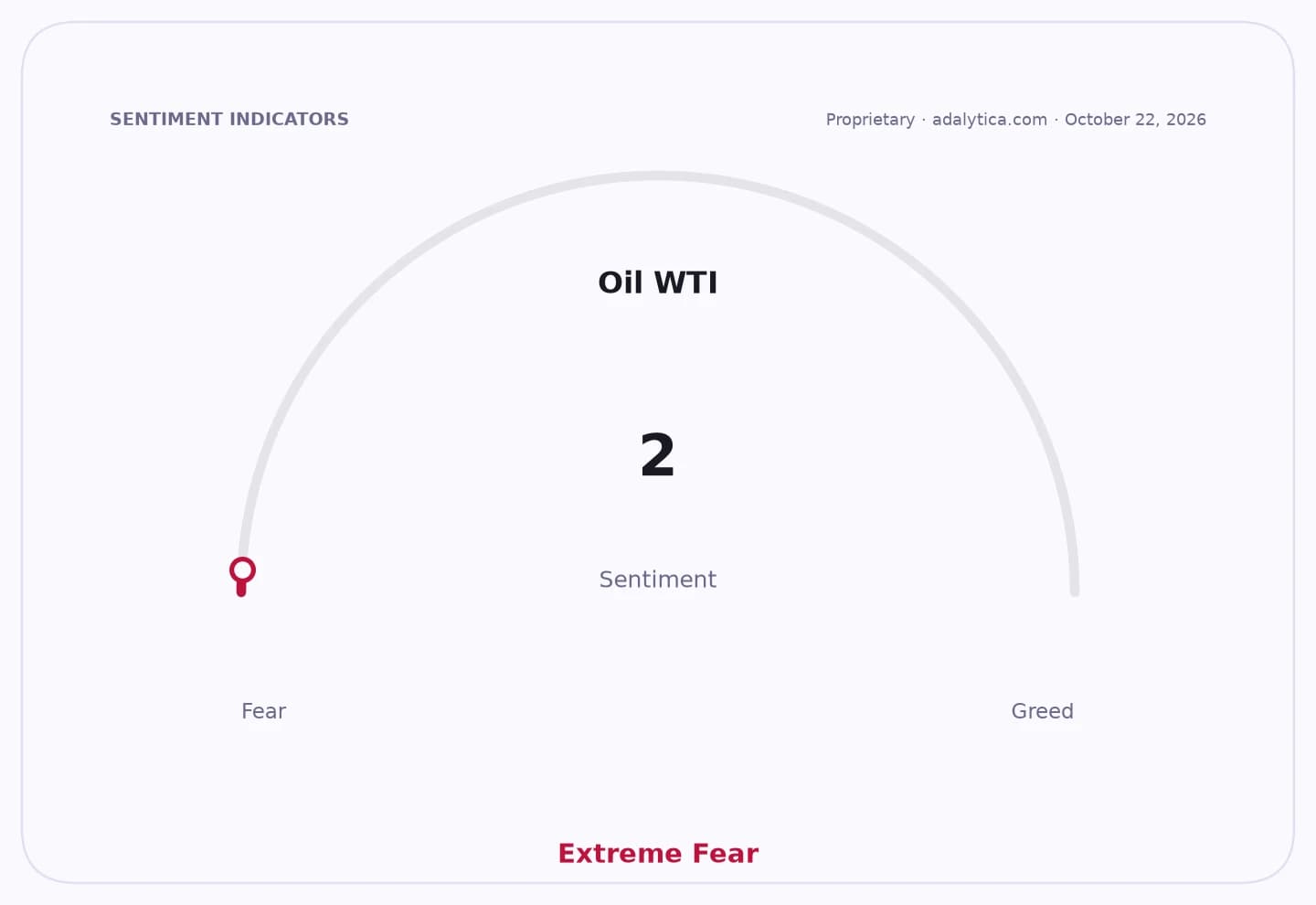
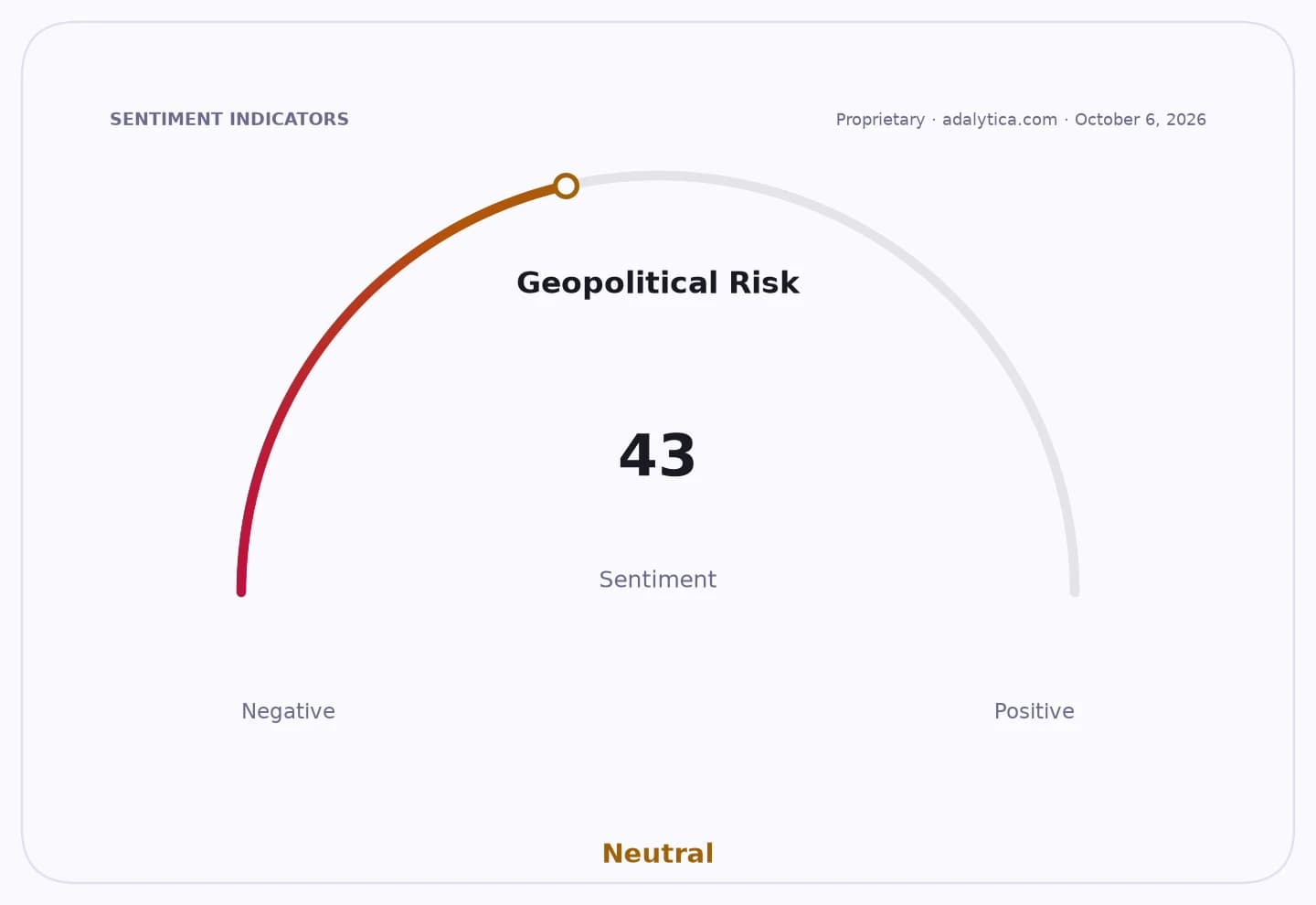
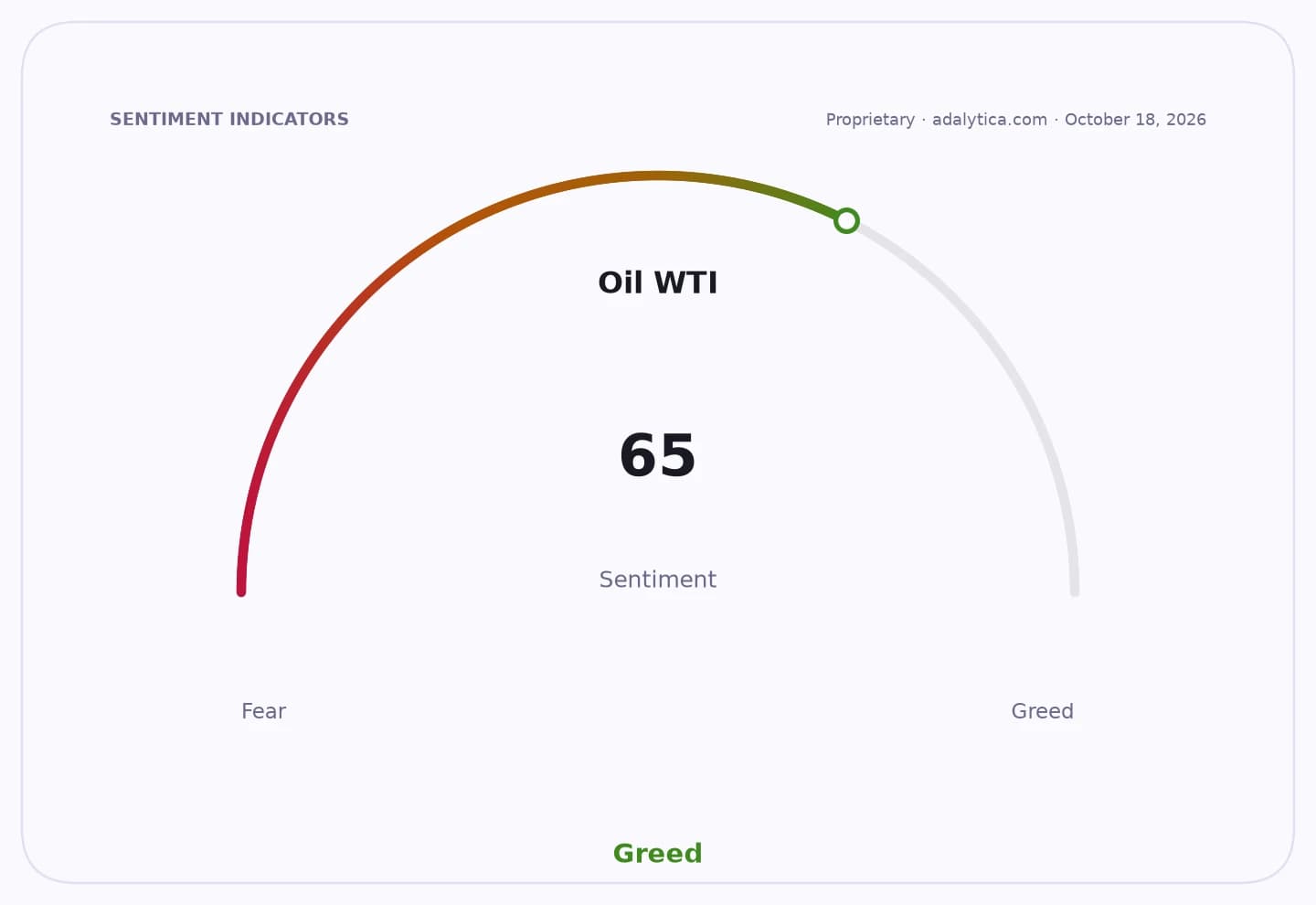
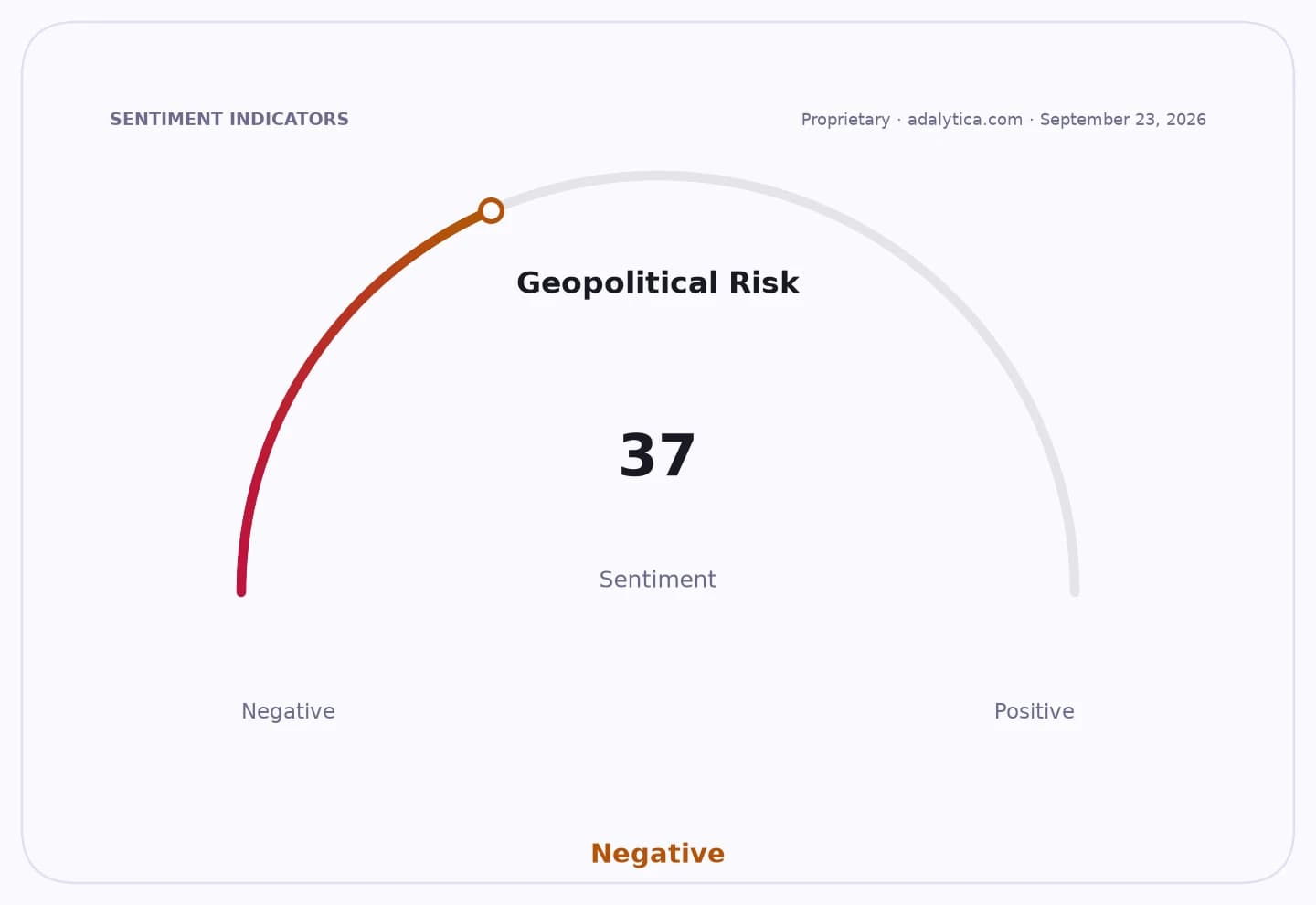
Sentiment IndicatorsⓘProprietary · adalytica.com · October 23, 2026
This is a snapshot — live sentiment, awareness and momentum for 130+ markets update continuously in the dashboard.Open AlphaPulse
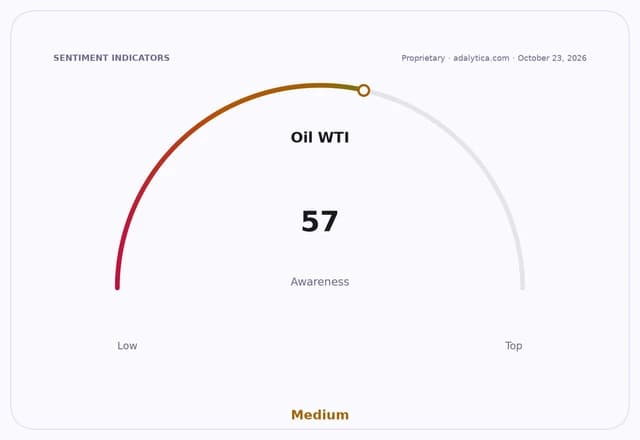
Khudhair said several American service groups are already active in Iraq, including Halliburton, Schlumberger, Baker Hughes and KBR, while the ministry has memorandums of understanding with Chevron, Exxon Mobil and ConocoPhillips. Negotiations with Chevron are focused on West Qurna 2 after Lukoil’s withdrawal under sanctions, as well as four blocks in Nasiriyah. Talks with Exxon center on the Majnoon field, export infrastructure and a seawater injection project designed to help maintain reservoir pressure, while Conoco is tied to the Akkas gas field.
That mix matters because Iraq is not just looking for a bigger pump count; it is trying to rebuild the plumbing that supports long-term production. The country has complained of tens of billions of dollars in losses from regional conflict and export disruptions, and it needs better infrastructure if it wants to defend market share in a world where OPEC+ supply decisions and geopolitics can move prices quickly. Global benchmark crude remains elevated, and the backdrop of volatile oil prices gives Baghdad an incentive to secure partners that can bring capital and technical depth.
For the big U.S. names, Iraq offers a classic long-cycle opportunity. Exxon, Chevron and ConocoPhillips have all spent years optimizing portfolios around projects with scale and durability, and Iraq still has some of the world’s most attractive resource potential. Service firms such as Halliburton, Schlumberger and Baker Hughes also stand to benefit if more contracts move from memorandums to execution, because the real money in these markets often comes from multiyear drilling, completion and field-development work rather than headline agreements.
There are real risks, of course. Iraq remains a challenging operating environment, with politics, sanctions exposure, security concerns and bureaucratic delays all capable of slowing deals or shrinking returns. But that is also why this story matters to patient investors: when a country with giant reserves says it wants to speed up contract awards and make itself more attractive to U.S. and European companies, the prize is usually measured in years, not quarters.
For long-term investors, the takeaway is that Iraq’s outreach could become another durable source of international upstream spending if the ministry can convert talks into signed and financed projects. That makes the major oil producers and oilfield service names worth watching, especially for those building diversified portfolios that can hold through volatility and let compounding do the work.
| Entity | Gains | Losses |
|---|---|---|
| ExxonMobil, Chevron, ConocoPhillips | ▲new upstream opportunities | ▼bureaucratic and political delay |
| Halliburton, Schlumberger, Baker Hughes | ▲more drilling and service contracts | ▼weaker activity if talks stall |
| Iraq oil sector | ▲capital, technology, export capacity | ▼sanctions and execution risk |
| Global oil consumers | ▲potential future supply growth | ▼higher prices if projects lag |