Iraq’s prime minister has ordered the oil ministry to step up crude production and revenues while tightening oversight of exports, a push that matters because oil remains the country’s main source of state income and its fastest route to rebuilding finances after years of conflict-related disruption.
Iraq Orders Higher Oil Output and Export Oversight
The directive follows a visit to the ministry in Baghdad, the government’s second since taking office five months ago, and comes as Iraq works to lift crude exports above 3.4 million barrels a day in October through three routes. With regional tensions having previously cost the country an estimated $60 billion, restoring and protecting export flows is now central to revenue growth and budget stability.
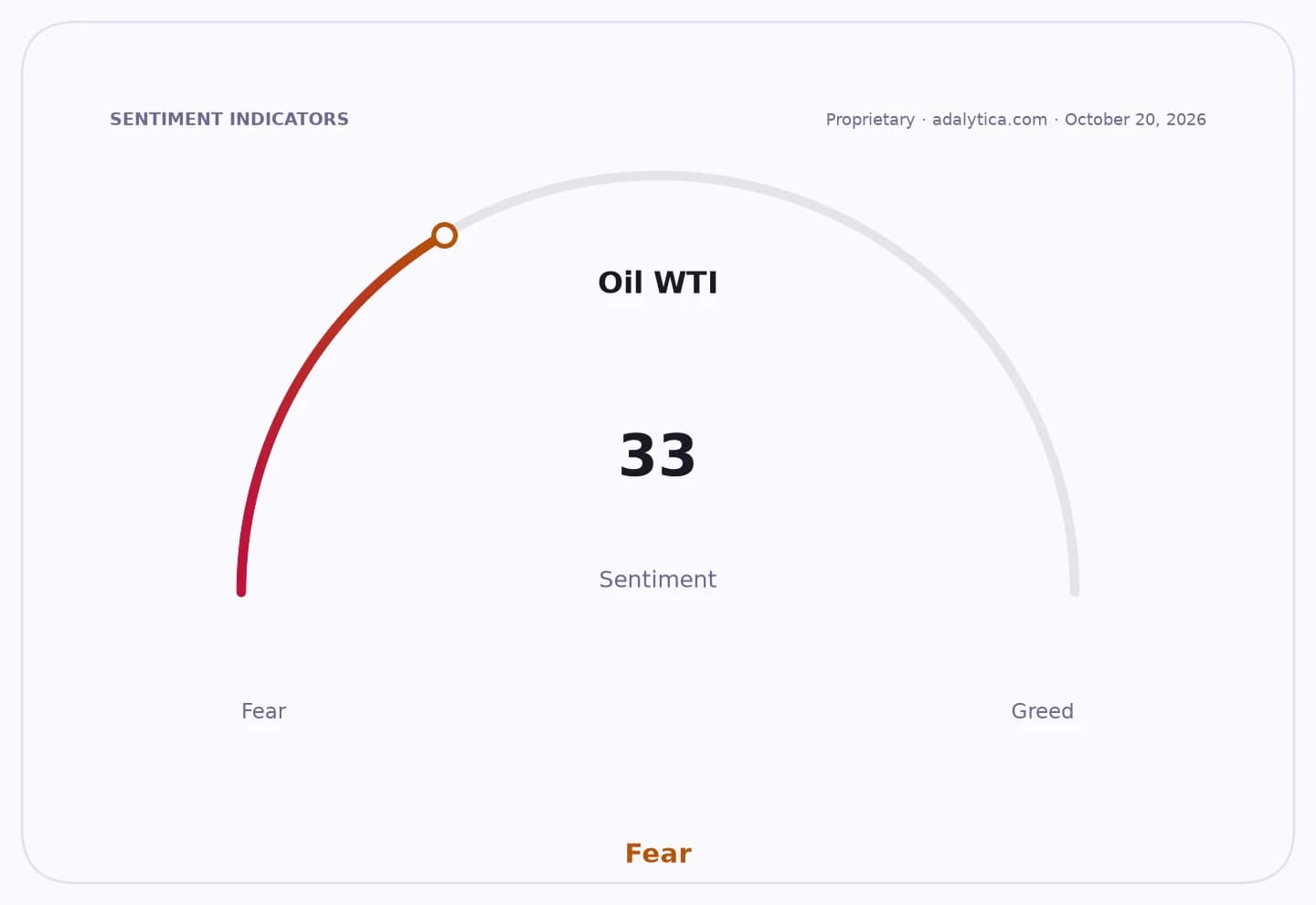
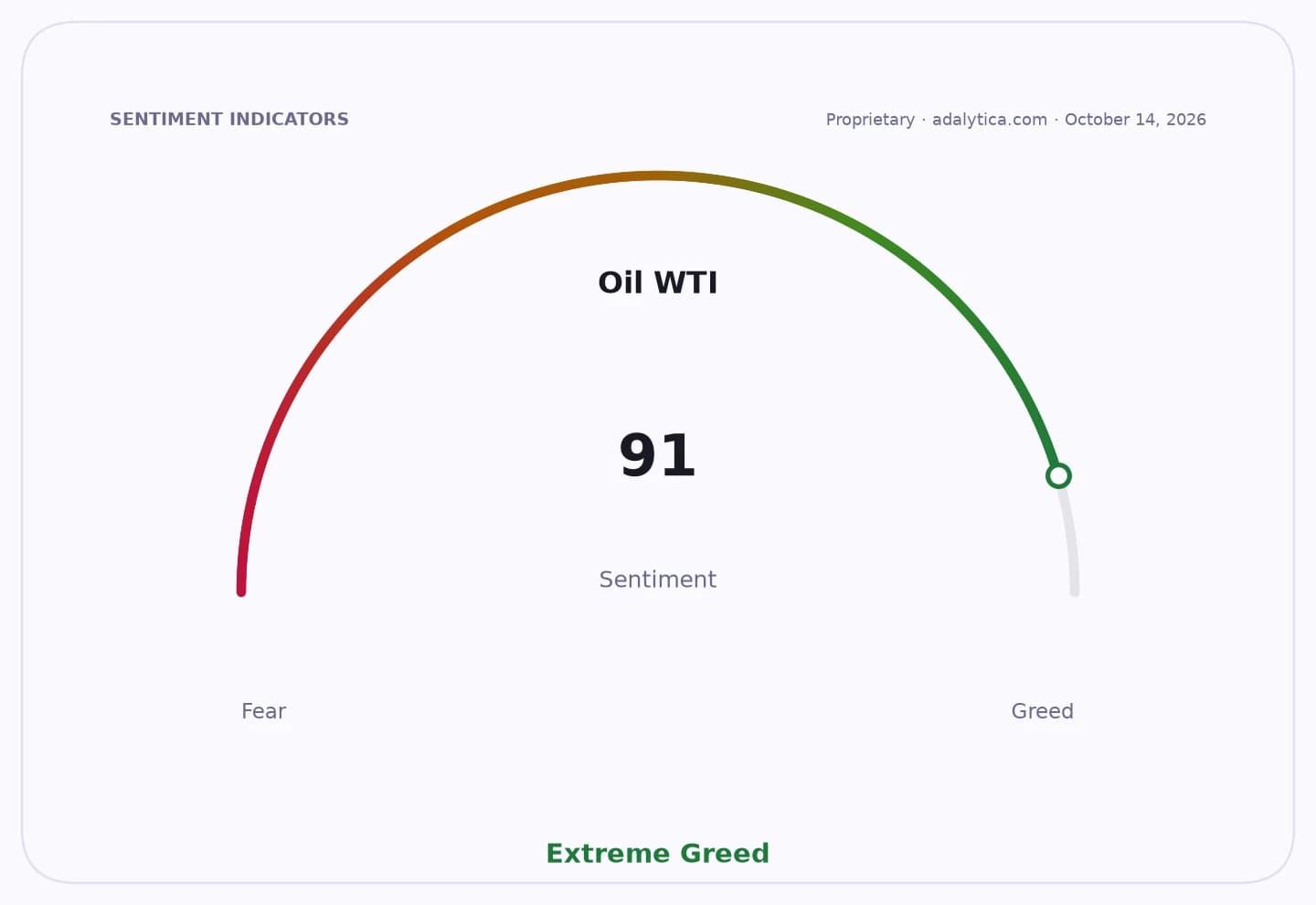
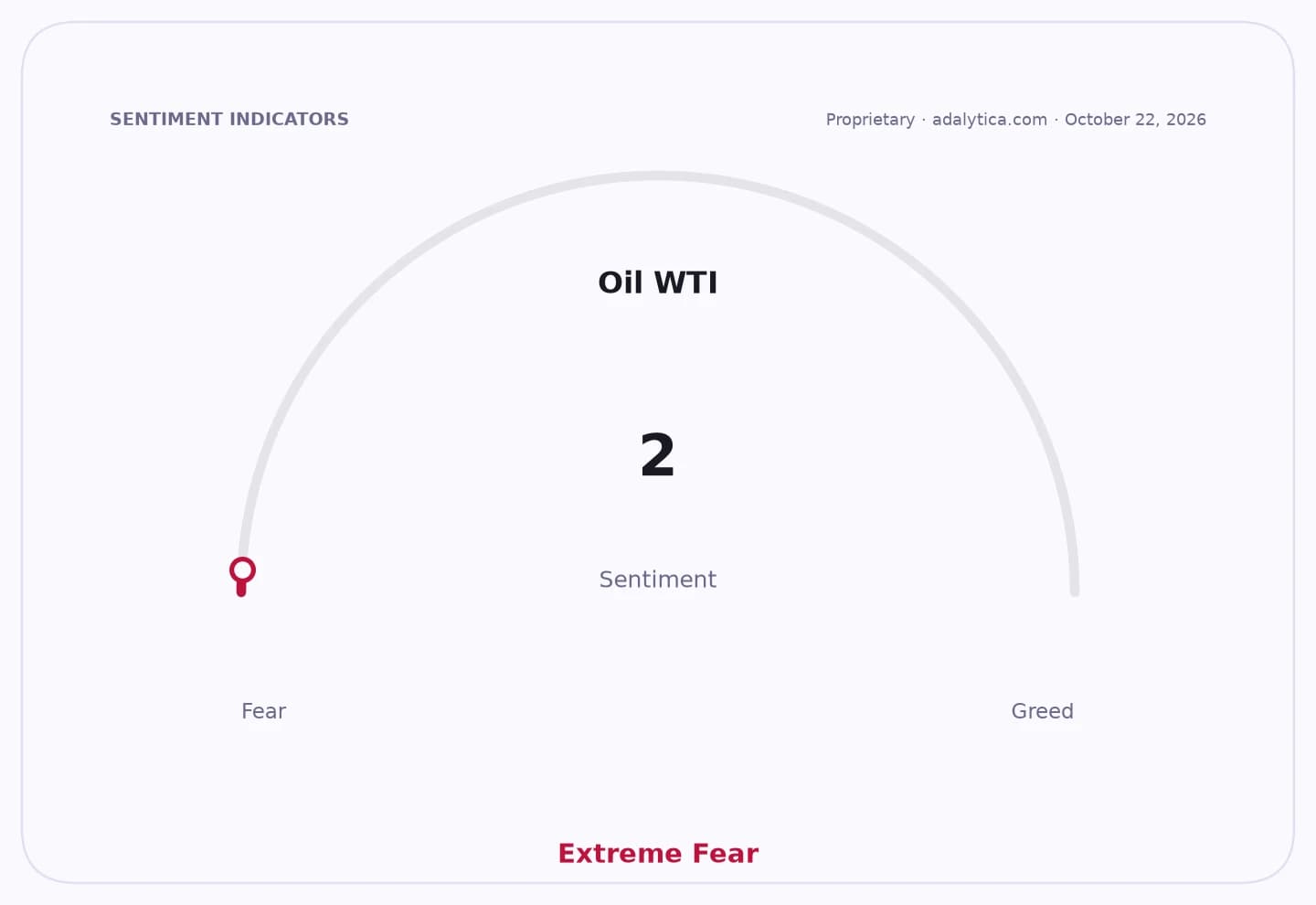
Sentiment IndicatorsⓘProprietary · adalytica.com · October 22, 2026
This is a snapshot — live sentiment, awareness and momentum for 130+ markets update continuously in the dashboard.Open AlphaPulse
For investors, the message is that Baghdad wants both more barrels and better execution. Higher export reliability can support Iraq’s fiscal position, improve hard-currency inflows and reduce pressure on public spending, while stronger oversight could help limit leakage from corruption and operational failures that have long constrained the sector.
Oil markets are also watching because Iraq is one of OPEC’s key producers and any sustained rise in exports adds supply to a market already reacting to geopolitical disruptions. WTI futures and energy equities have remained elevated, with the USO ETF near $160.61 and the XLE energy ETF at $68.16, reflecting continued sensitivity to Middle East supply risk and tighter global spare capacity.
The prime minister said the government would take further steps to raise oil income, direct anti-corruption authorities to follow up on missed opportunities in the sector and assign the deputy prime minister for energy to monitor both production and export files. The next test is whether those orders translate into higher volumes without triggering fresh bottlenecks at Iraq’s fields, pipelines and terminals.
| Entity | Gains | Losses |
|---|---|---|
| Iraqi government | ▲Higher oil revenue | ▼Fiscal pressure eases |
| Iraq’s oil sector | ▲More investment focus | ▼Less room for mismanagement |
| Global oil buyers | ▲More supply certainty | ▼Less benefit from tight supply |
| OPEC peers | ▲Stable export oversight | ▼Potential extra Iraqi barrels |