Iraq’s oil industry is clawing back output even as the Middle East conflict keeps a risk premium on global crude prices, a reminder that one of OPEC’s most important producers still matters far beyond its borders. The country produced 834 million barrels in the first nine months of the year, with September delivering its highest monthly output, a recovery that helps steady government finances and supports a tighter global supply backdrop.
Iraq oil output rises as crude risk premium holds
For Iraq, oil is the economy. Higher production and stronger exports mean more hard currency, more budget breathing room and less pressure on a state that has already absorbed an estimated $60 billion in losses from conflict-related disruptions. Exports have rebounded to about 3.4 million barrels a day, while production has climbed to roughly 4.4 million barrels a day by mid-October, suggesting the sector is regaining some of the ground lost when shipping through the Strait of Hormuz was threatened.
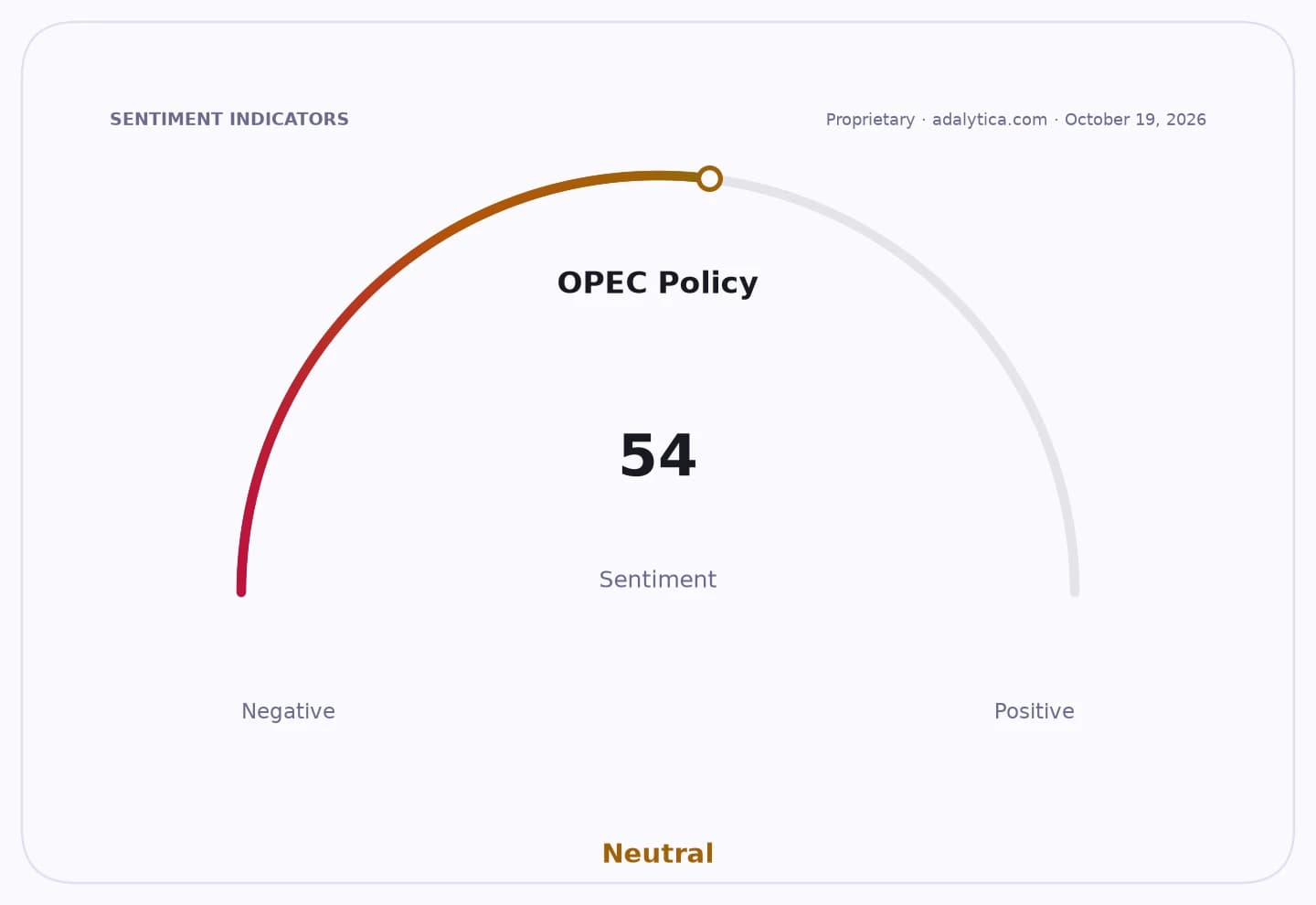
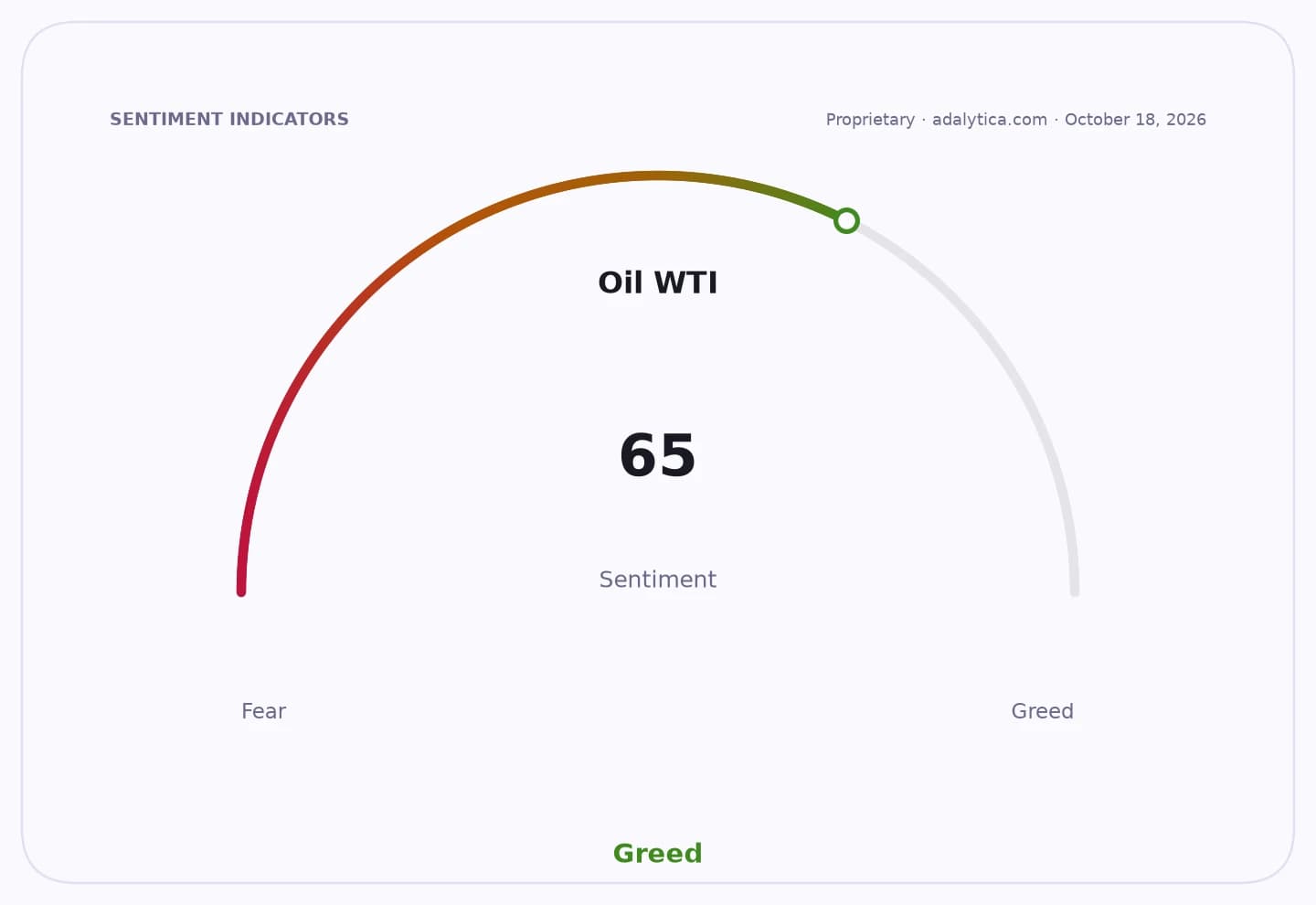
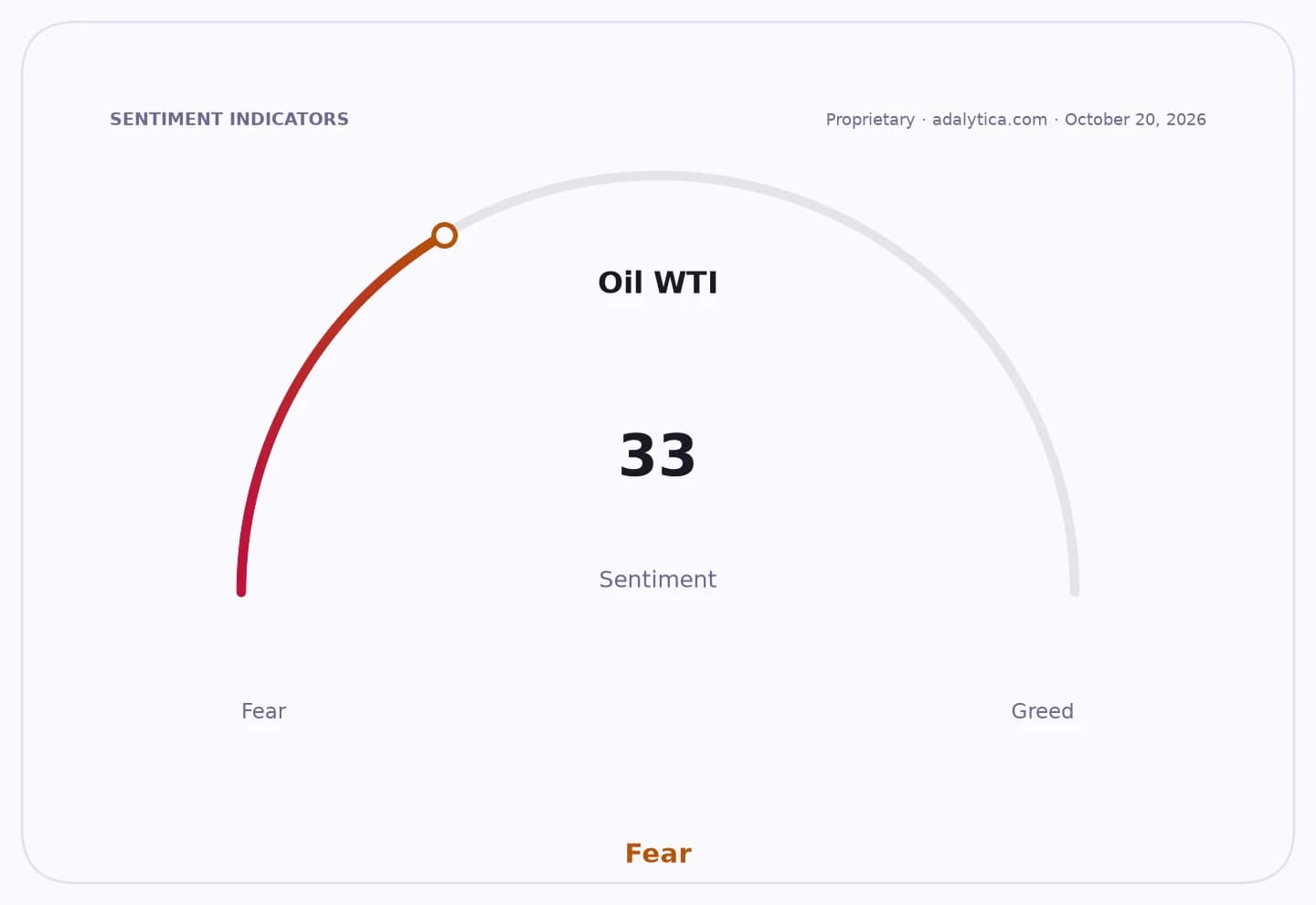
Sentiment IndicatorsⓘProprietary · adalytica.com · October 20, 2026
This is a snapshot — live sentiment, awareness and momentum for 130+ markets update continuously in the dashboard.Open AlphaPulse
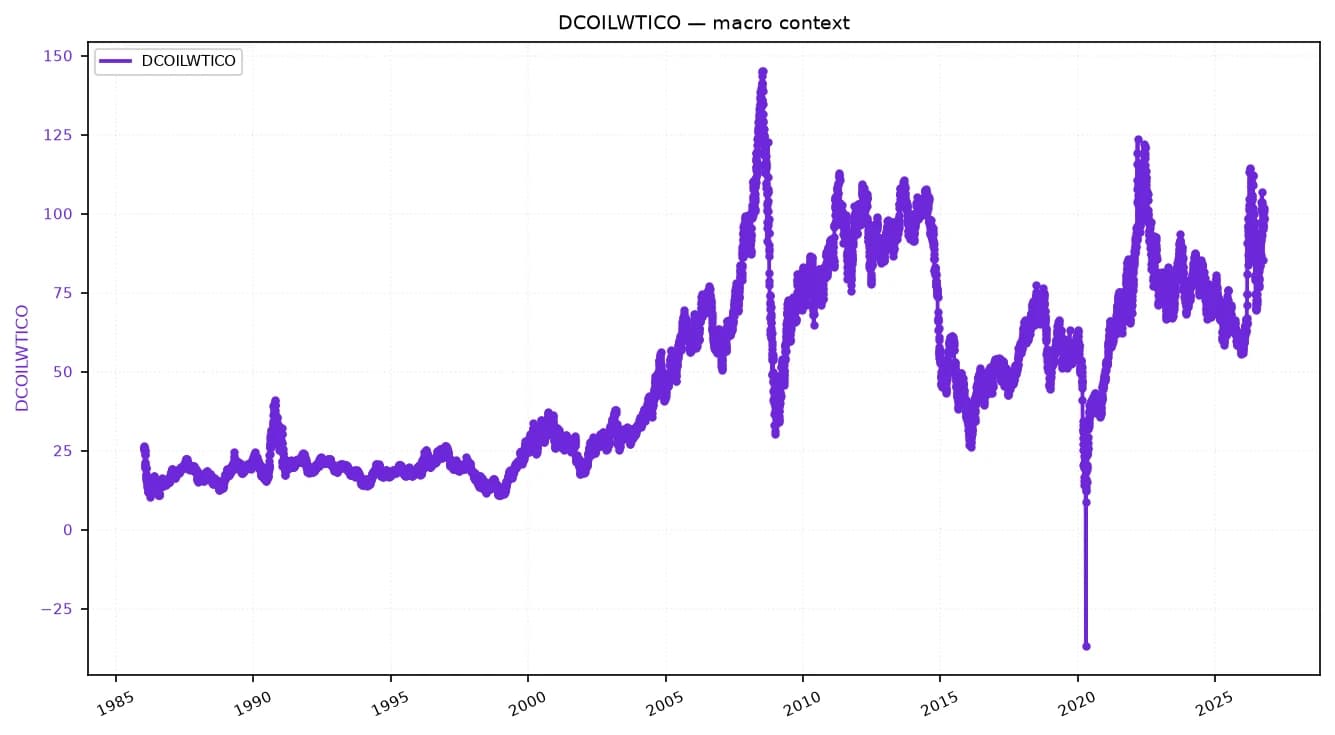
That matters for investors because Iraq’s barrels feed directly into the global pricing equation. When a major producer with vast reserves raises output, it can soften the impact of geopolitical shocks elsewhere; when those barrels are at risk, crude prices tend to carry a premium. West Texas Intermediate has remained elevated around the high $90s to low $100s a barrel in recent trading, while energy equities have stayed firm, with the Energy Select Sector SPDR Fund hovering near record territory. In other words, Iraq’s recovery is not just a domestic story — it is part of the reason the oil market has remained so tight.
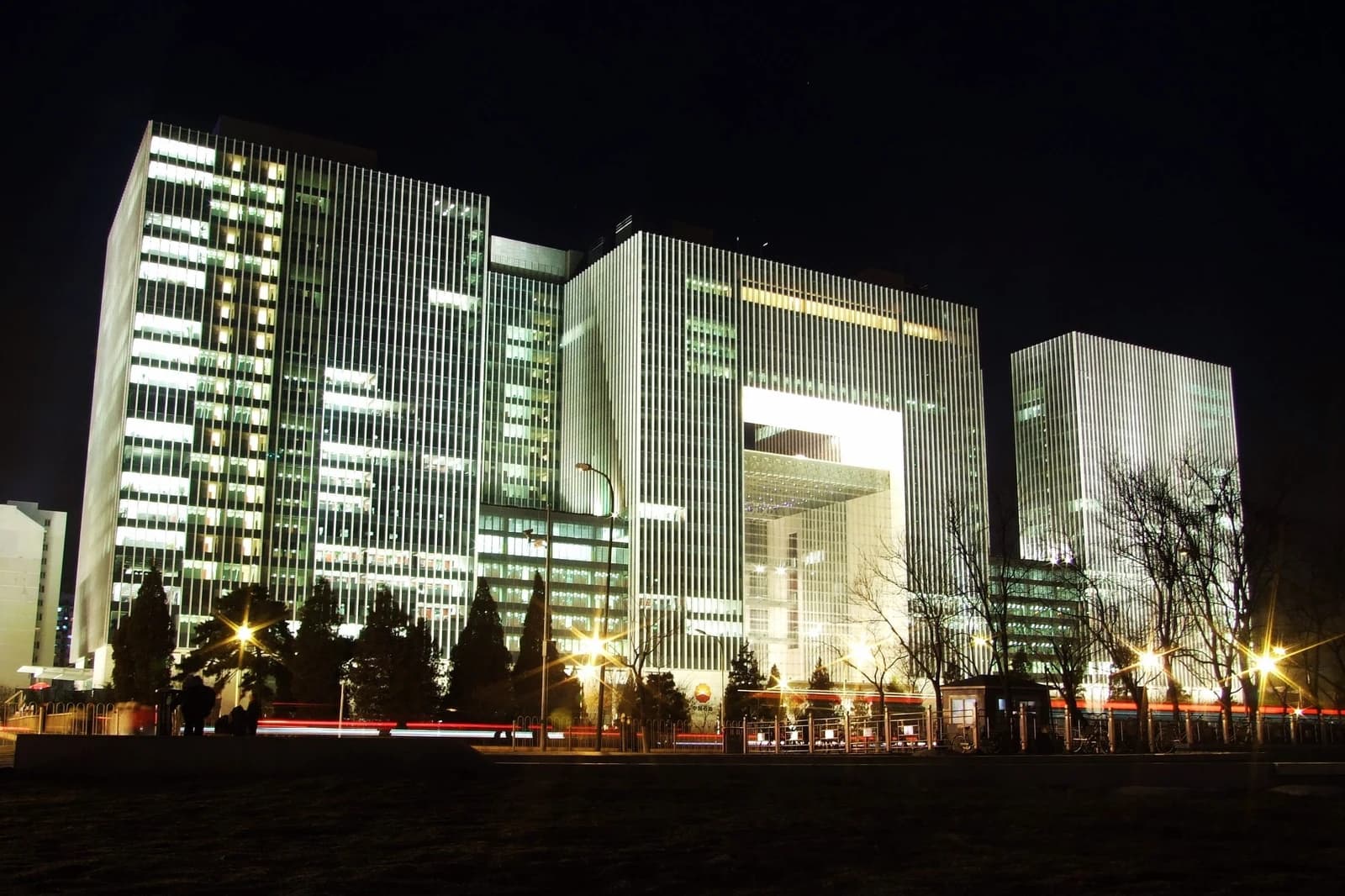
The rebound also helps explain why international oil companies continue to court Iraqi projects despite the danger. Chevron and Chinese firms are among those looking to expand their footprint, drawn by the scale of the resource base and the possibility of long-lived production growth. That is the classic long-term investment case in oil: large reserves, rising output and cash generation can outweigh short-term volatility, provided the political and security risks do not worsen again.
Still, the story is not one of full normalization. Iraq’s gains remain fragile because the supply chain depends on a regional security environment that can change quickly. Any renewed disruption to the Strait of Hormuz would immediately reprice crude, punish importers and lift the earnings outlook for producers and oil service companies. For investors, the takeaway is simple: Iraq’s output recovery is worth watching as both a signal of resilience and a warning that the market’s geopolitical cushion remains thin.
| Entity | Gains | Losses |
|---|---|---|
| Iraq government | ▲More oil revenue | ▼Less fiscal strain |
| Global oil producers | ▲Higher risk premium | ▼More volatility if output slips |
| Oil importers | ▲Near-term supply relief | ▼Exposure to renewed disruptions |
| Chevron and Chinese firms | ▲Access to reserves | ▼Security and execution risk |