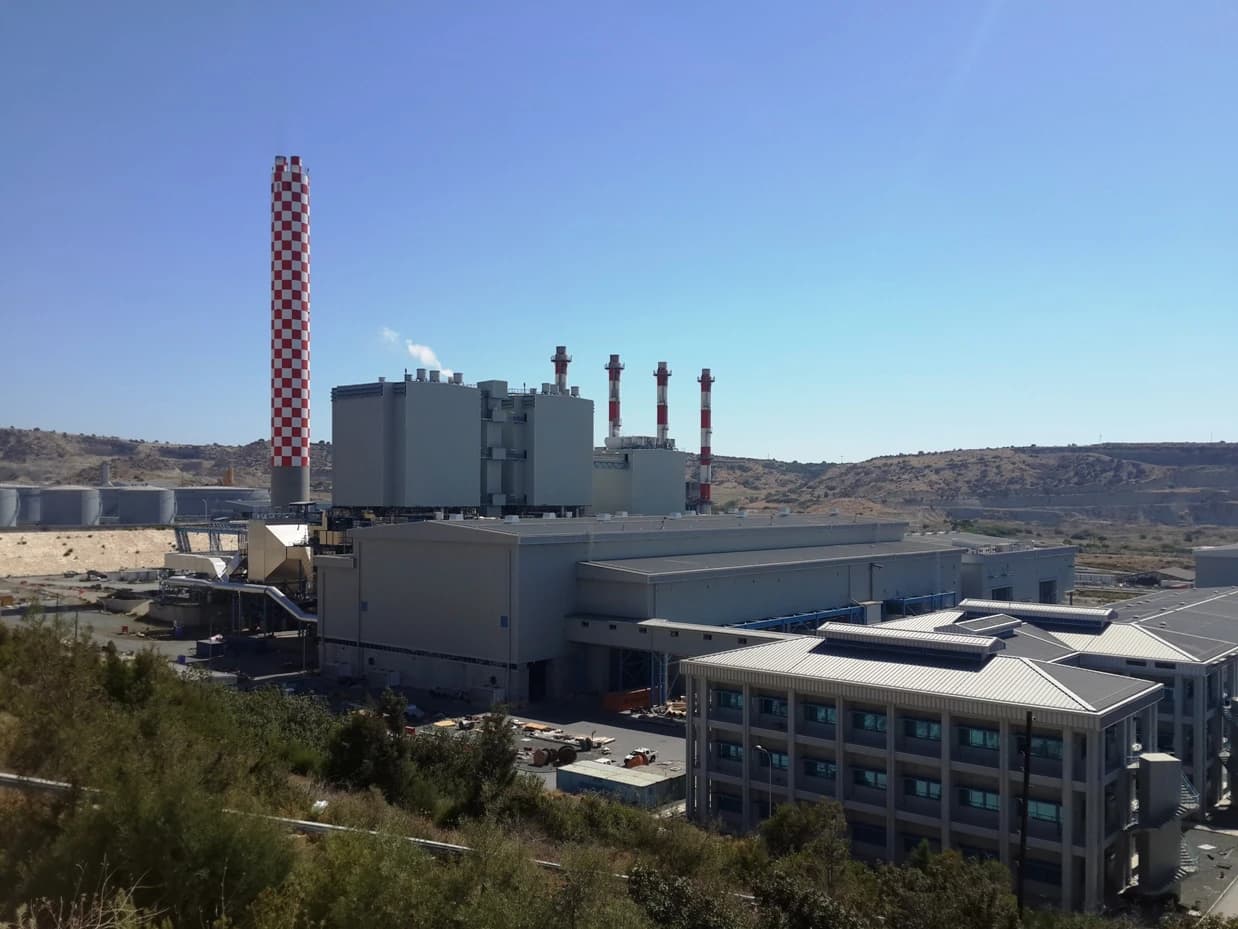
Cyprus’s renewed push to finish the Vasiliko LNG import terminal is back on track politically, but the real market-moving question is whether any of the eight interested contractors can actually complete a distressed project that has already consumed about €300 million without delivering gas.
Cyprus Vasiliko LNG terminal retender moves ahead
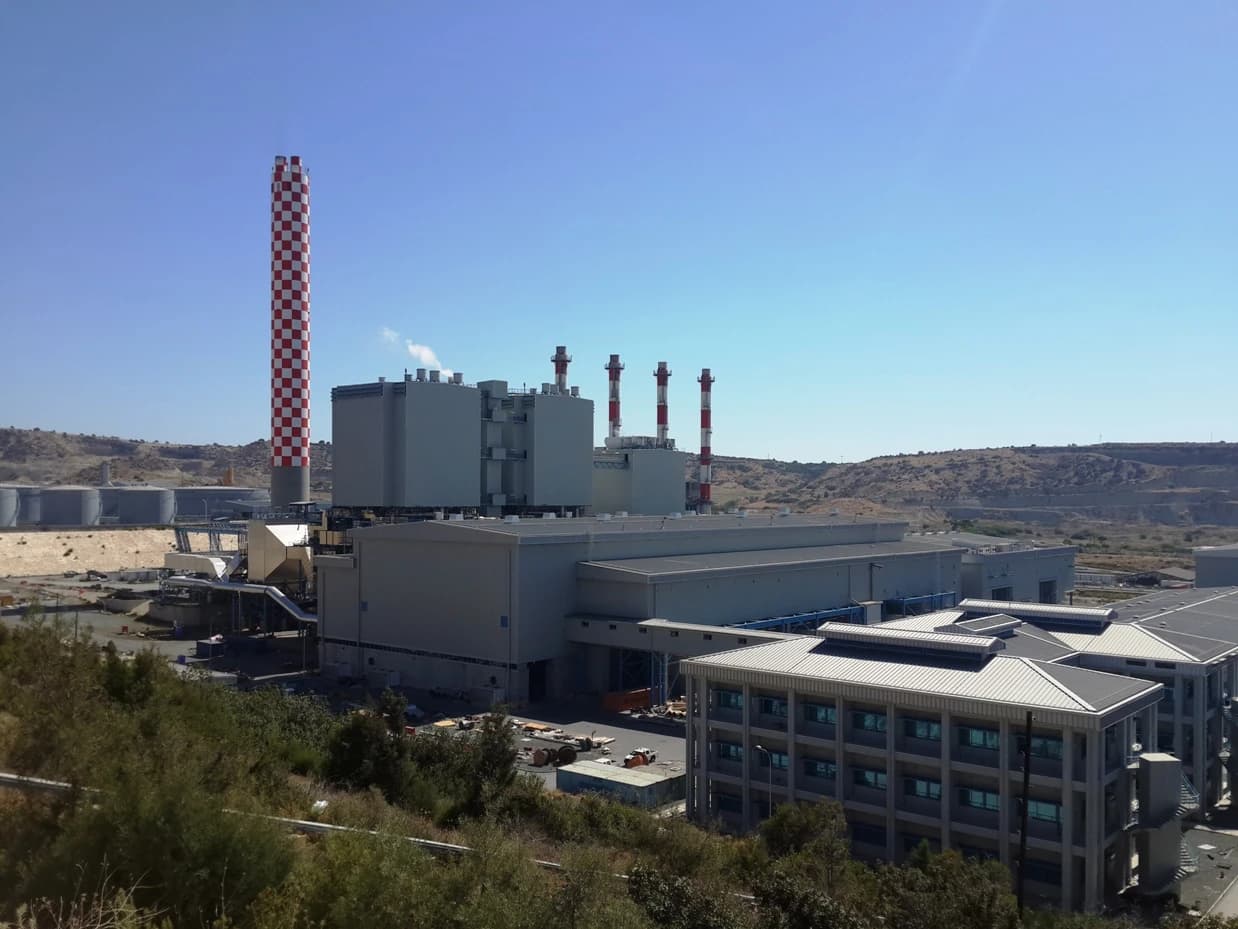
That matters because Vasiliko is not just another infrastructure job. It is Cyprus’s route to cheaper and more reliable power, and the delay is still feeding into electricity costs, fiscal risk and the island’s dependence on more expensive fuels. The new tender, estimated at €180 million, would take the indicative bill to roughly €480 million before any further remedial work, financing costs or arbitration fallout. For investors, the story is a reminder that complex energy infrastructure can destroy value when risk is badly allocated and execution is weak.
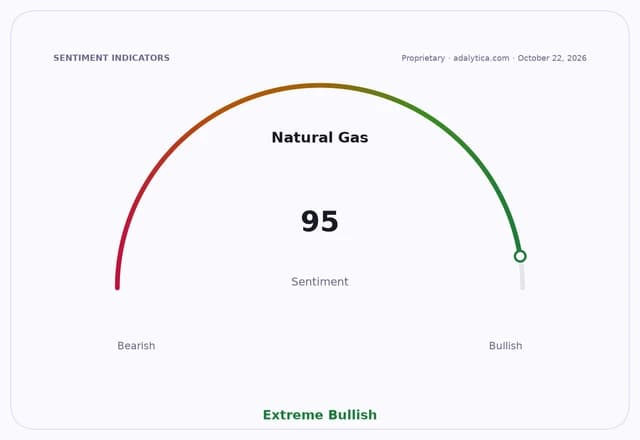
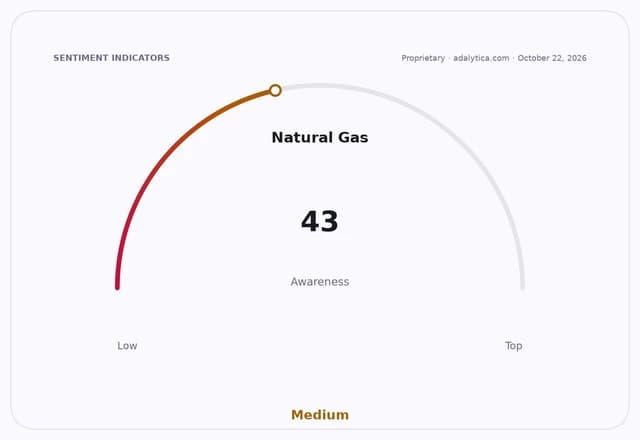
Sentiment IndicatorsⓘProprietary · adalytica.com · October 22, 2026
This is a snapshot — live sentiment, awareness and momentum for 130+ markets update continuously in the dashboard.Open AlphaPulse
The tender is technically open, but not every bidder is likely to survive once the details of the unfinished project are laid out. Etyfa is asking for companies with average annual turnover of at least €300 million, plus experience in two natural gas EPC projects and two marine projects over the past decade. On paper, that broadens the field. In practice, the project’s unfinished state, gaps in documentation, equipment uncertainty and the need to revalidate design and safety studies mean only contractors with proven LNG completion and commissioning experience are likely to be credible finalists.
That is the key investment lesson embedded in Vasiliko: in a market where capital is expensive and utility assets are judged on deliverability, the contractor’s balance sheet matters less than the ability to absorb legacy defects, cap liabilities and finish an integrated terminal safely. If Etyfa pushes too much unquantified risk onto bidders, the result will be fewer serious offers, higher pricing and more claims later. That would deepen the very cost overrun the government is trying to escape.
The stakes are also bigger than the construction contract itself. Finance Minister Makis Keravnos has already flagged Vasiliko as a fiscal risk because of guarantees and arbitration exposure, and Cyprus still lacks a functioning gas-to-power chain. Even if the award is made before summer 2027 and construction proceeds smoothly, the timetable leaves gas-fired generation looking unlikely before 2030. In other words, the decisive milestone is not signature or even mechanical completion, but actual gas flowing to the Electricity Authority of Cyprus.
For investors watching the broader LNG theme, the implication is straightforward: bottlenecks, permitting failures and contract resets are becoming a structural feature of energy transition infrastructure, not an exception. That supports the case for owning the picks-and-shovels beneficiaries — engineering, marine works, project management and LNG equipment specialists with the balance sheets and commissioning track records to execute when distressed projects need saving.
The market underestimates how much value is created, or destroyed, at the tender stage. If Etyfa can keep at least three technically credible bidders in the process, define supervision clearly and separate legacy defects from new work, Vasiliko still has a chance to become a functioning asset rather than a perpetual liability. If it cannot, Cyprus risks paying even more for an LNG terminal that remains years away from producing the economic relief it was supposed to deliver.
| Entity | Gains | Losses |
|---|---|---|
| Technically credible LNG contractors | ▲Higher-margin rescue work | ▼Excess liability exposure |
| Etyfa / Cyprus government | ▲Better chance of completion | ▼Political and fiscal risk |
| Electricity Authority of Cyprus | ▲Potential gas supply by 2030 | ▼Continued reliance on costly fuels |
| Consumers / taxpayers | ▲Lower power costs eventually | ▼More overruns and delays |