Australia’s competition regulator has given Chevron, Shell and partners another 10 years to coordinate maintenance at their Curtis Island LNG plants, a decision that matters less for headlines than for keeping one of the country’s most important export hubs running smoothly.
Australia ACCC reauthorizes Curtis Island LNG maintenance
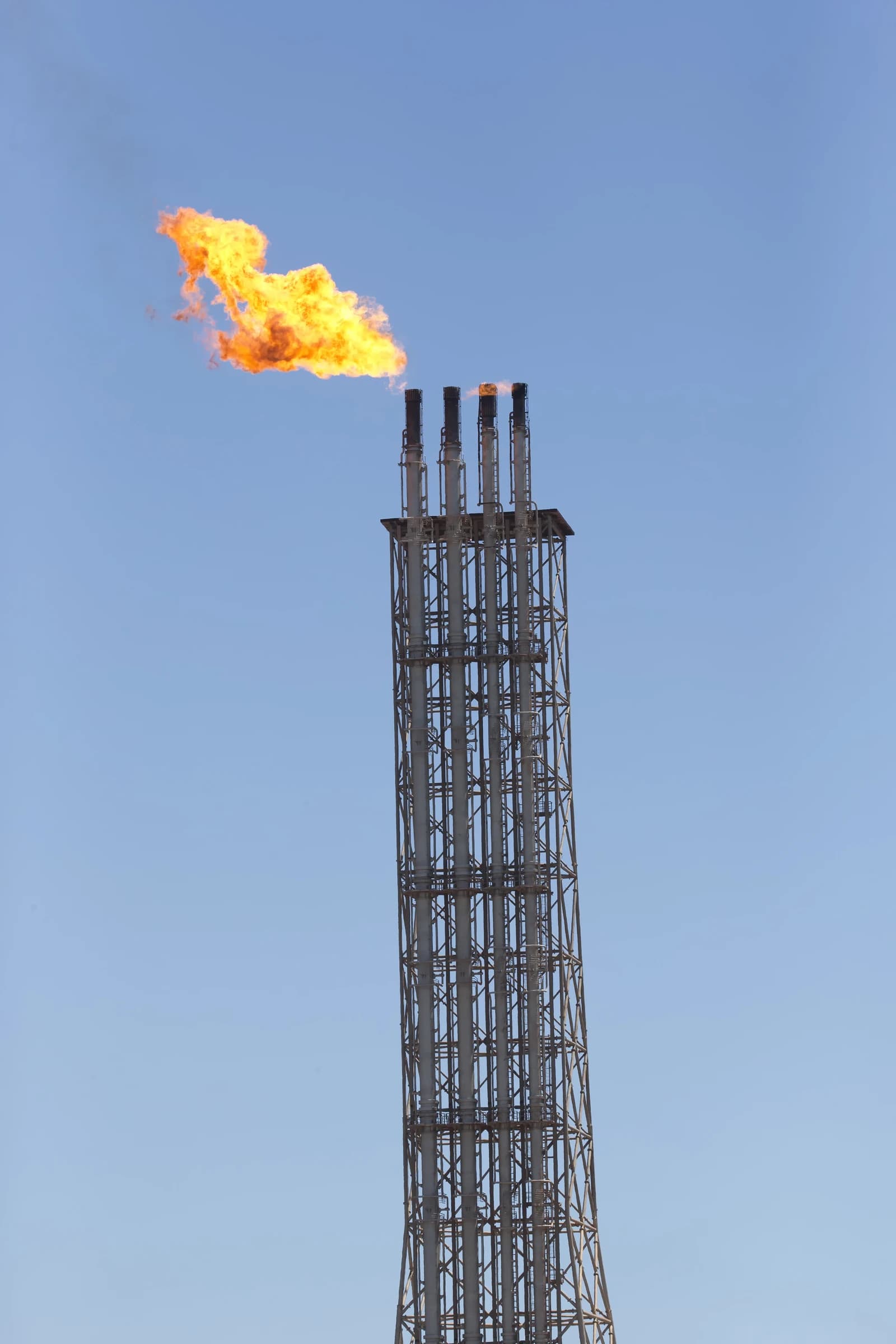
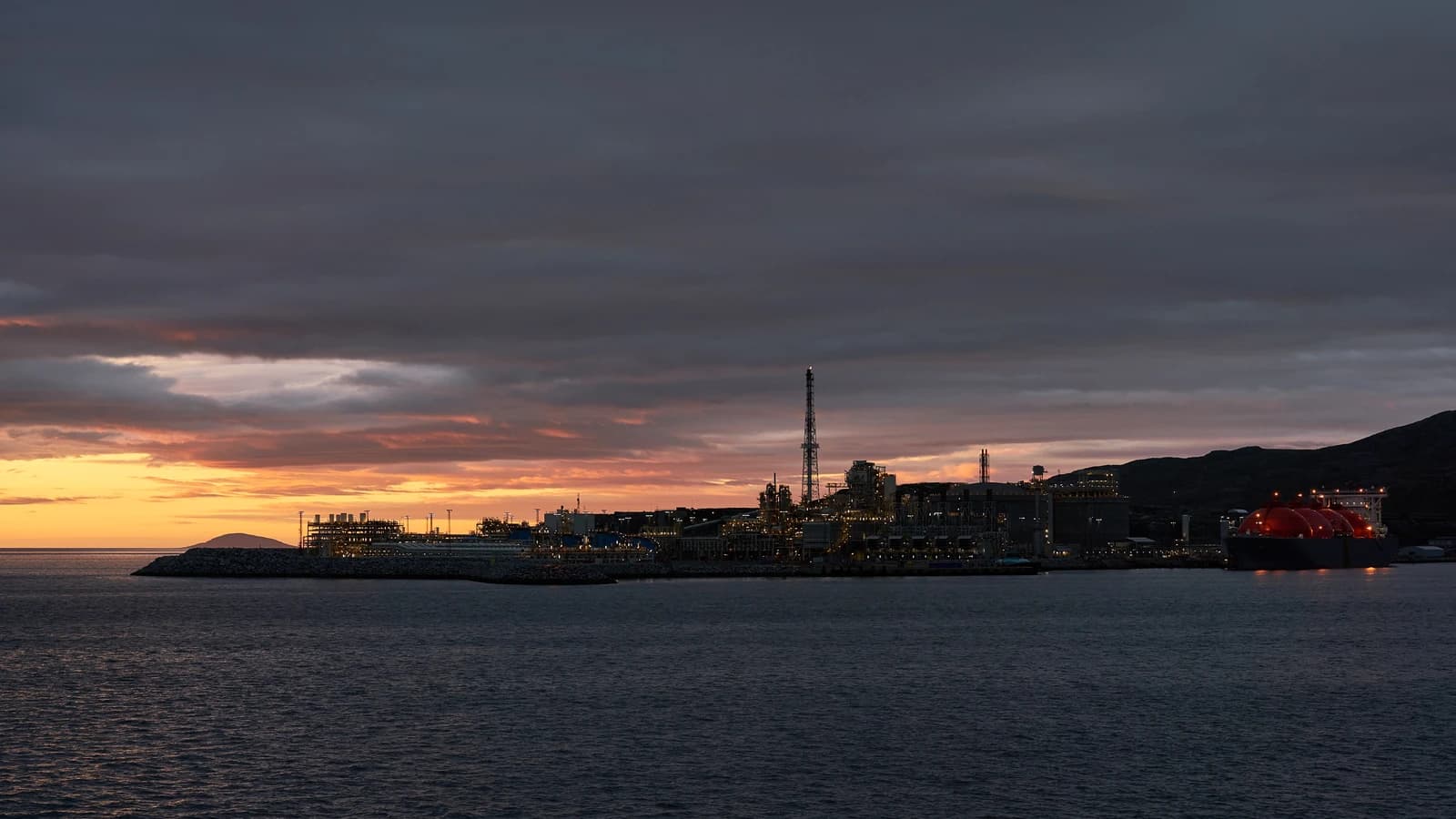
The Australian Competition and Consumer Commission said on Oct. 16 that it would reauthorise the companies to coordinate the timing and scheduling of maintenance at their LNG facilities on Curtis Island, near Gladstone, to limit overlapping outages and improve efficiency, safety and environmental outcomes. The arrangement has been in place under conditional approval since 2016, and the latest decision extends that protection for a further decade.
Sentiment IndicatorsⓘProprietary · adalytica.com · October 22, 2026
This is a snapshot — live sentiment, awareness and momentum for 130+ markets update continuously in the dashboard.Open AlphaPulse
For investors, the significance is straightforward: LNG production is a logistics business as much as it is an energy business. When several plants shut for maintenance at the same time, volumes tighten, export cargoes can be delayed and prices become more volatile. Coordinating outages helps smooth supply, which is valuable for long-term contract performance and for maintaining Australia’s reputation as a dependable supplier into Asia.
That matters at a time when LNG markets remain fragile. Supply disruptions and winter demand risks are forcing buyers to scramble, with South Korea leaning more heavily on coal, Pakistan warning of possible gas shortages if shipments through the Hormuz Strait are disrupted, and governments from Canada to India trying to secure additional LNG volumes. In that backdrop, the Curtis Island complex is not just a local industrial site; it is part of the wider plumbing of global gas trade.
The decision also fits the economics of the listed companies tied to Australian LNG. Chevron has said most of the equity LNG offtake from its operated Australian assets is locked in under long-term contracts, while Shell continues to play a major role in global LNG marketing. Stable maintenance planning supports those contracts by reducing operational noise around a business that is prized for steady cash flow rather than rapid growth.
The market backdrop underscores why reliability still matters. Natural gas sentiment in Adalytica’s signals is flashing “Extreme Greed,” reflecting a sharp recent rise in attention and prices, while shares linked to LNG and energy markets have been volatile. But for long-term investors, the real story is not short-term price swings. It is whether these assets can keep generating predictable exports through the cycle.
The ACCC’s reauthorisation does not change the structural economics of LNG, but it does remove a regulatory overhang and preserve an operating model that supports output discipline. For holders of energy stocks and LNG-exposed assets, that is the kind of incremental, durable development that can quietly protect value over years, not days.
| Entity | Gains | Losses |
|---|---|---|
| Chevron, Shell and Curtis Island operators | ▲Better outage coordination | ▼Less flexibility on standalone maintenance |
| LNG buyers and contract customers | ▲More reliable cargo supply | ▼Fewer short-term bargain opportunities |
| Australian exporters | ▲Smoother production planning | ▼Some regulatory oversight remains |
| Spot-market traders | ▲More predictable flows | ▼Less disruption-driven volatility |