Vietnam and Azerbaijan discussed potential LNG shipments in Baku as Hanoi looks to broaden its fuel sources amid a tight global gas market and rising regional competition for cargoes.
Vietnam and Azerbaijan discuss LNG supply in Baku
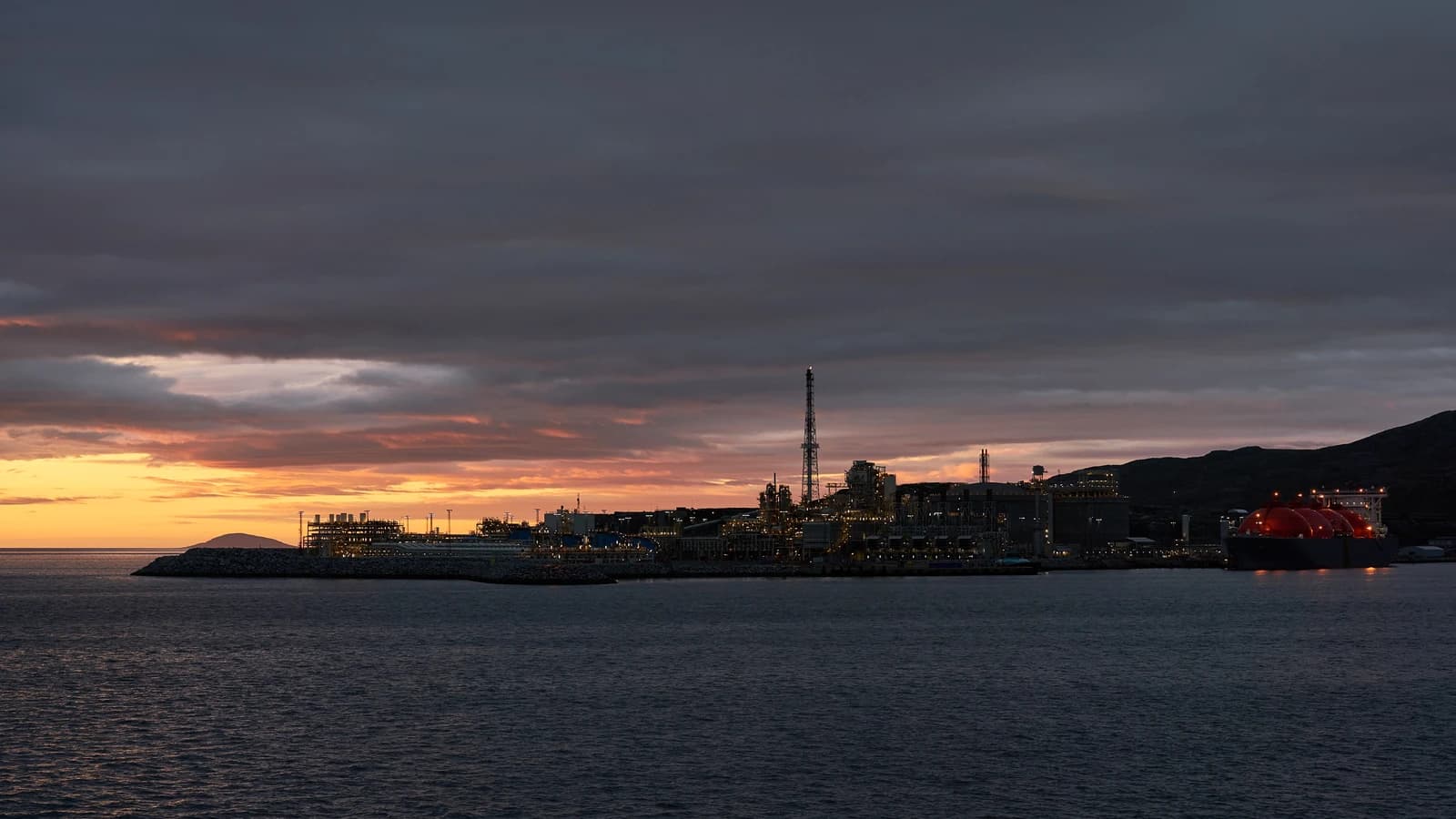
The talks matter because Vietnam is trying to secure longer-term energy supply while Azerbaijan is seeking to deepen its role in Asian gas trade beyond crude exports. Officials also reviewed the possibility of extending Azerbaijani crude deliveries to Vietnam and expanding ties between state energy groups SOCAR and PetroVietnam, but LNG emerged as the key strategic opening.
Azerbaijan said more than 1.1 million tons of its crude have been delivered to Vietnam since 2023, underscoring an existing trade flow that could support a wider energy partnership. The two sides also discussed exploration and production, refining, petrochemicals and oilfield services, suggesting the relationship could move beyond spot cargoes into a broader commercial framework.
For investors, the immediate implication is that Vietnam is still in the market for new LNG supply at a time when Asia is scrambling for flexible cargoes. Cheniere Energy’s shares rose to $289.43 on Oct. 16, while Shell finished at $106.66, and both names remain sensitive to long-duration LNG contracting and demand from emerging Asian buyers. Cheniere’s 50-day moving average stood at $276.12, with RSI at 69.4, while Shell’s RSI was 84.7, pointing to strong momentum in both stocks.
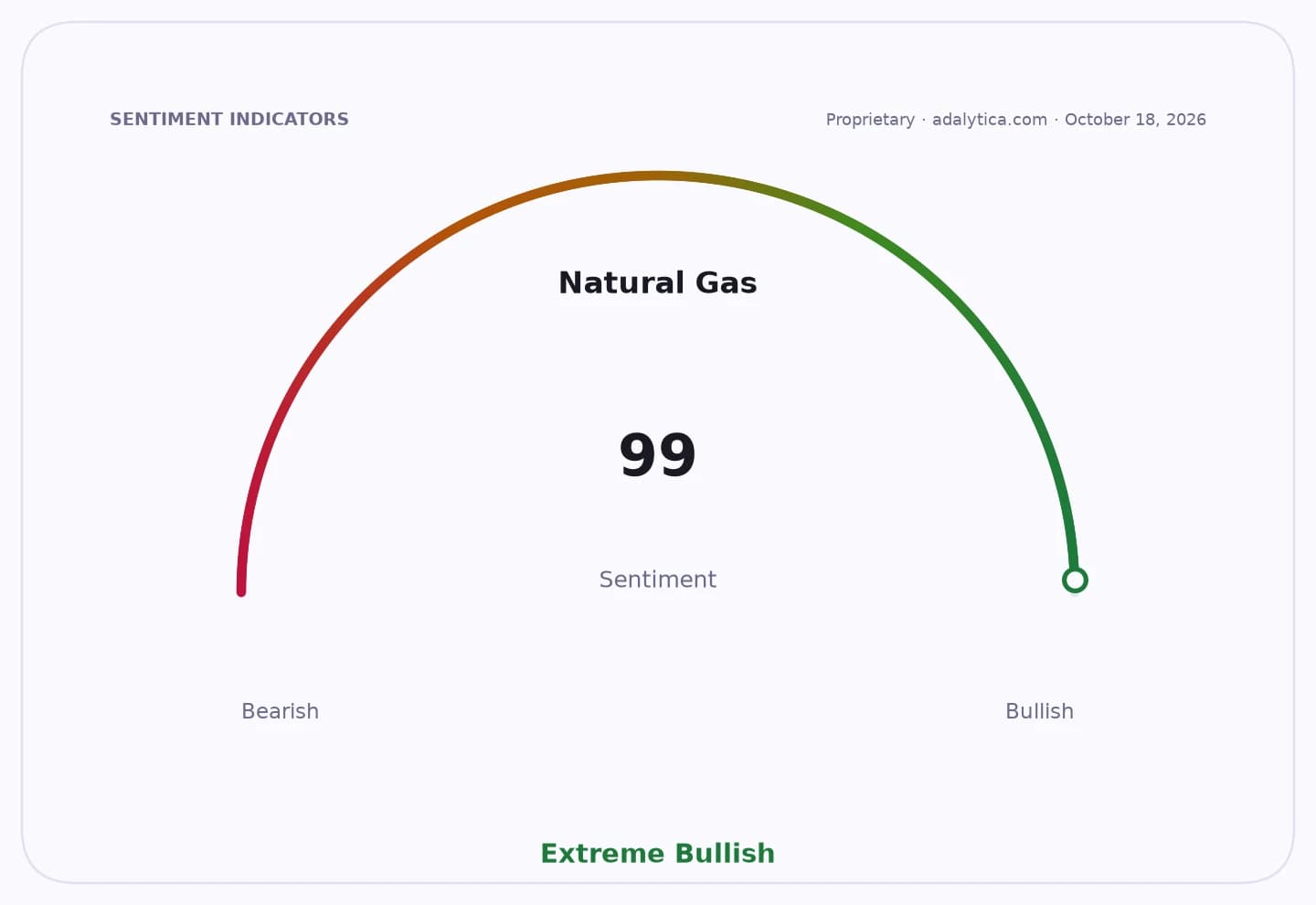
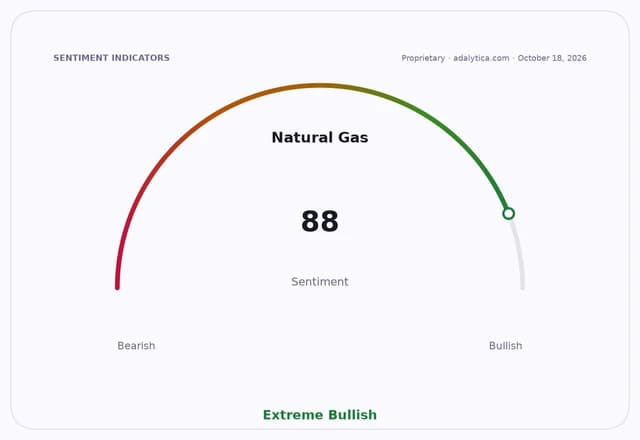
The backdrop is a firmer energy complex. Brent-style oil pricing in the data rose above $102.50 a barrel in the Oct. 15 forecast, while the 10-year U.S. Treasury yield held near 5.1%, keeping financing costs elevated for long-cycle energy projects. Adalytica’s natural gas trade signals show “Extreme Greed” at 88, suggesting traders are already pricing tight supply conditions into the market.
The Baku meeting also fits a broader shift in Asia’s LNG map, where countries from Taiwan to South Korea are moving to lock in supplies as regional infrastructure choices narrow. For Vietnam, the next catalyst will be whether the discussions turn into a supply deal, a framework agreement or a route into a longer-term LNG import strategy.
| Entity | Gains | Losses |
|---|---|---|
| Vietnam | ▲More supply optionality | ▼Reliance on narrower fuel mix |
| Azerbaijan / SOCAR | ▲New LNG market access | ▼Limits to crude-only trade |
| Cheniere, Shell | ▲Stronger LNG demand backdrop | ▼More competition for contracts |
| Spot LNG buyers | ▲Potential new supplier | ▼Higher bargaining pressure |