PetroChina International is set to refuel a vessel with liquefied natural gas in Singapore for the first time, a move that deepens competition in the world’s largest bunkering hub and underscores how shipowners are widening their options as marine fuel rules and fleet ordering patterns push demand toward alternatives to conventional oil.
PetroChina starts LNG bunkering in Singapore
The transaction matters because Singapore is not just another port: it is the benchmark market for marine fuel pricing and supply. For PetroChina, one of the dominant bunker suppliers in the city-state, adding LNG to an already growing portfolio that includes methanol increases its relevance to shipowners trying to match fuel supply with vessel type, emissions targets and voyage economics. For the broader market, it is another sign that the bunker industry is shifting from a bunker-fuel duopoly toward a more fragmented contest among LNG, methanol and, eventually, ammonia.
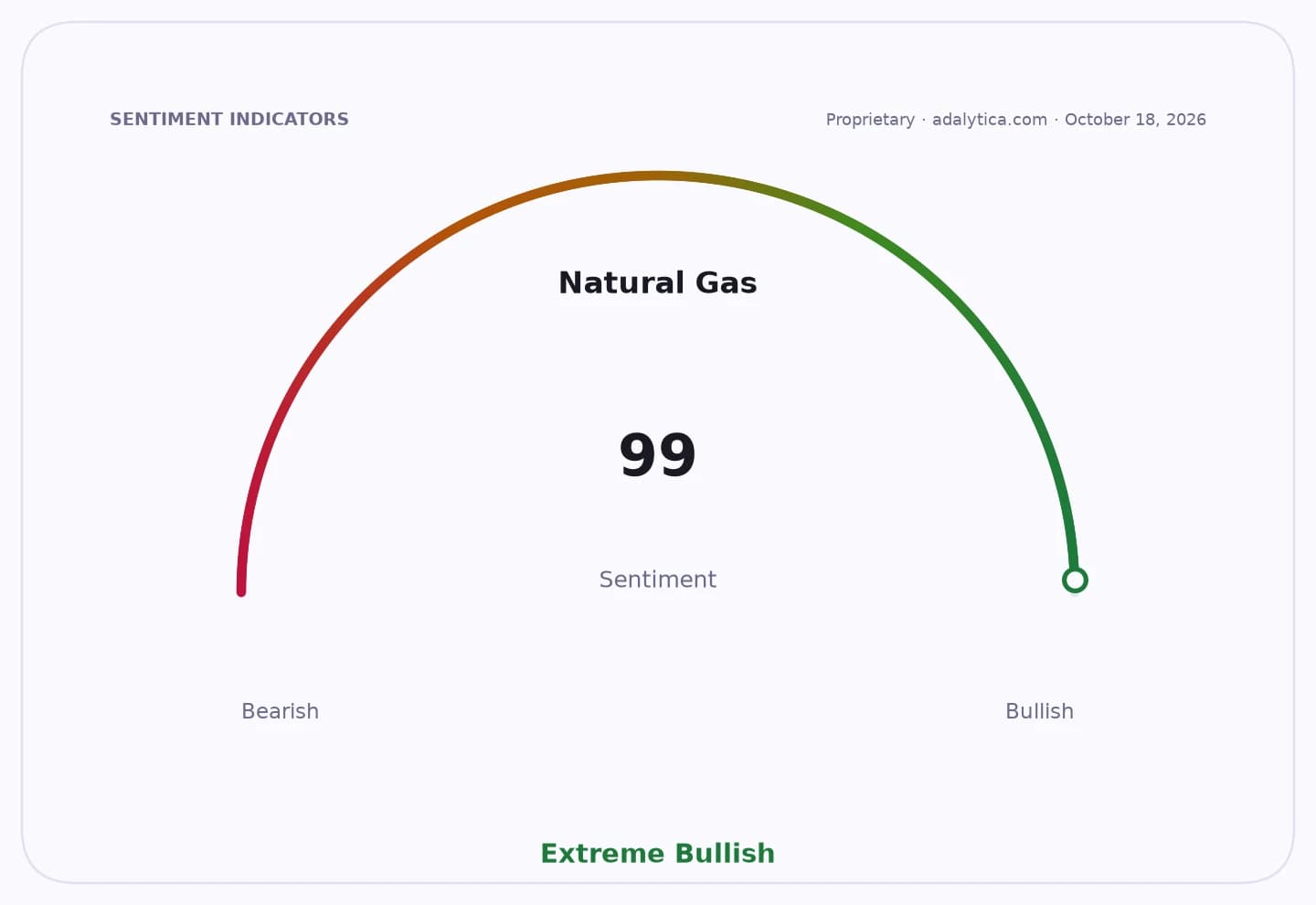
Sentiment IndicatorsⓘProprietary · adalytica.com · October 16, 2026
This is a snapshot — live sentiment, awareness and momentum for 130+ markets update continuously in the dashboard.Open AlphaPulse
Chairman Wu Junli said PetroChina was one of eight companies awarded LNG bunkering licences by Singapore and that it also holds a licence to supply methanol. The company will complete the acquisition of a methanol bunker vessel on Friday, he said at the Singapore International Bunkering conference. PetroChina already accounted for about 10% of Singapore bunker sales last year, when total sales exceeded 56 million metric tons, giving the Chinese state-major a meaningful foothold in a market where even incremental share gains carry weight.
The timing reflects a broader change in fleet economics. Wu cited Clarksons data showing global orders for alternative-fuel vessels had neared 2,000 by the end of 2025, including more than 1,200 LNG-fuelled ships. That order book is the clearest evidence that demand for LNG bunkering is not a niche story, but part of a longer transition in shipping fuel consumption as owners seek to meet tightening emissions standards while preserving operational flexibility. Methanol-fuelled vessels are expanding quickly, while ammonia remains in earlier stages of adoption, he said.
But the buildout is uneven. Wu noted that existing and planned methanol bunkering ports remained below 50 globally, compared with 220 LNG bunker ports. That gap matters because infrastructure, not just engine technology, will determine which alternative fuels can scale. LNG’s advantage is its relative maturity and wider supply network, even as its environmental profile faces scrutiny from regulators and investors focused on methane leakage and long-term decarbonisation goals. Methanol has momentum, but the availability of bunkering points still limits route planning and commercial uptake.
For investors, PetroChina’s move reinforces the case that marine fuel suppliers with multi-fuel capabilities are better positioned than single-fuel plays. The near-term winner is the company that can serve vessels across more than one transition pathway, capturing trade as shipping companies hedge against technology risk. The risk is that capital spending on bunkering assets could outpace demand if the pace of vessel conversion slows or if one alternative fuel gains regulatory favour over another.
PetroChina said it sold 7.95 million tons of bunker fuel globally last year and can supply 18 ports with 16 bunker vessels on time charter. It also completed its first commercial LNG bunkering in Europe last year and secured methanol bunkering qualification in Rotterdam, suggesting the Singapore operation is part of a broader international expansion rather than an isolated test case. Wu said China has capacity to produce 380,000 tons a year of green methanol, which could become strategically important if shipping demand shifts more decisively toward lower-carbon fuels.
Singapore’s status as the world’s top refuelling port makes this more than a local commercial milestone. It signals that the competition to service the next generation of ships is moving from strategy to execution, with bunker suppliers now judged not only on price and logistics, but on whether they can deliver the fuels that the global fleet is actually ordering.
| Entity | Gains | Losses |
|---|---|---|
| PetroChina | ▲Broader fuel mix | ▼Higher asset complexity |
| Singapore bunkering hub | ▲More fuel options | ▼Sharper competition |
| LNG bunker suppliers | ▲Near-term demand support | ▼Methanol rivals |
| Conventional fuel sellers | ▲Continued baseline demand | ▼Share to alternatives |